
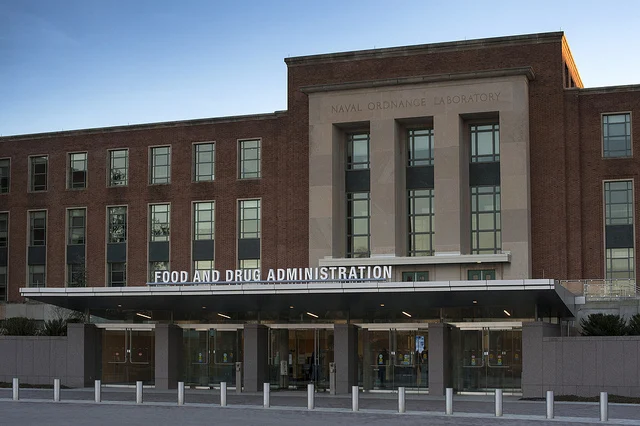
The U.S. Food and Drug Administration (FDA) has officially initiated a comprehensive nationwide recruitment campaign aimed at diversifying and strengthening the membership of its 50 standing advisory committees. These independent bodies, which provide critical oversight and recommendations on experimental pharmaceuticals, vaccines, and medical devices, are seeking a new wave of scientific experts, technical professionals, and consumer representatives to fill current and upcoming vacancies. The announcement, released Wednesday, underscores the agency’s commitment to integrating a broader range of qualified perspectives into the regulatory decision-making process, ensuring that the evaluation of medical innovations remains grounded in the most current scientific data and public interest.
According to the recruitment notices slated for publication in the Federal Register, the FDA is pursuing two distinct tracks for these appointments. The first focus is on securing individuals with deep scientific or technical expertise across a multitude of disciplines, including oncology, cardiovascular medicine, neurology, and biotechnology. The second track specifically targets consumer representatives—individuals who can provide the viewpoint of patients and the general public during the evaluation of new healthcare products. This dual-pronged approach reflects a growing recognition within the agency that technical efficacy must be balanced with real-world impact and patient-centric considerations.
The Vital Role of FDA Advisory Committees in Public Health
The FDA’s advisory committee system is a cornerstone of the American regulatory framework. These committees act as a bridge between the government and the broader scientific community, providing a platform for transparent, public debate on some of the most complex issues in modern medicine. While the FDA employs thousands of internal scientists and reviewers, the advisory committees offer an external layer of "rigorous scrutiny" that is intended to prevent institutional bias and ensure that regulatory decisions are supported by a consensus of independent experts.
Currently, the agency manages approximately 50 technical and scientific advisory committees. These groups are organized by therapeutic area or product type, such as the Oncologic Drugs Advisory Committee (ODAC) or the Vaccines and Related Biological Products Advisory Committee (VRBPAC). As the pace of medical innovation accelerates, the FDA has also been forced to evolve, creating new bodies to address emerging frontiers. A notable recent example is the formation of the Digital Health Advisory Committee, which was established to navigate the increasing role of artificial intelligence, machine learning, and wearable technology in clinical settings.
The structure of these committees typically includes a chair, several voting members with relevant scientific credentials, a consumer representative, and an industry representative (who usually serves in a non-voting capacity). Depending on the complexity of the agenda, the FDA may also appoint temporary "ad hoc" members who possess niche expertise relevant to a specific drug or device under review.
Timeline for Nominations and Appointment Terms
The FDA has established a clear timeline for the current recruitment cycle, though it maintains a policy of accepting nominations on a continuing basis to maintain a pipeline of qualified candidates. For those wishing to be considered for the most immediate vacancies, the deadlines are fast approaching:
- Consumer Representative Positions: Nominations must be submitted by November 15.
- Scientific and Technical Voting Members: Nominations must be submitted by November 30.
The agency has clarified that self-nomination is permitted and encouraged, provided the candidate meets the stringent criteria for the role. Once appointed, committee members typically serve terms of up to four years. This duration is designed to provide continuity and allow members to develop a deep understanding of the regulatory landscape while ensuring regular turnover to bring in fresh perspectives.
The recruitment push comes during a period of increased activity for the committees. While meeting frequency fluctuated under previous leadership—notably seeing a decline during the tenure of former Commissioner Marty Makary—there has been a significant uptick in activity since May. This shift suggests a renewed emphasis on public deliberation as the agency tackles a backlog of post-pandemic applications and groundbreaking new therapies.
Case Study: The Influence of the Molecular and Clinical Genetics Devices Panel
The power and influence of these committees were on full display last week during a high-profile meeting of the Molecular and Clinical Genetics Devices Panel, a subcommittee of the Medical Devices Advisory Committee. The panel spent a full day debating the merits of Galleri, a multi-cancer early detection (MCED) blood test developed by the biotechnology firm Grail.
The Galleri test represents a shift toward "liquid biopsy" technology, which aims to detect early signs of cancer through a simple blood draw rather than invasive procedures. The committee’s task was to evaluate the clinical utility and safety of the test in a screening population. The debate was intensive, covering the potential for false positives and the implications of early detection on long-term survival rates.
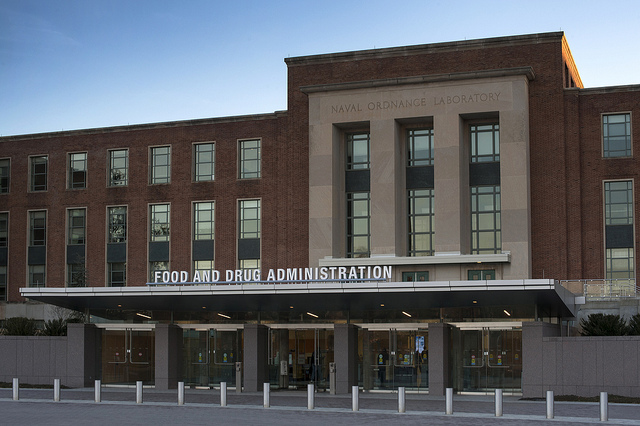
Ultimately, across three separate voting questions, a majority of the committee members voted in support of the Grail test. While the committee’s vote is non-binding—meaning the FDA is not legally required to follow the recommendation—the agency historically aligns its final decision with the committee’s advice in the vast majority of cases. The discussion leading up to the vote provides the FDA’s internal reviewers with a roadmap of the scientific community’s concerns and endorsements, which is often more influential than the vote itself.
Criteria for Selection and Conflict of Interest Oversight
To maintain the integrity of the advisory process, the FDA maintains high standards for its voting members. Prospective scientific and technical members must demonstrate:
- Demonstrated Expertise: A proven track record in their respective field, often evidenced by advanced degrees, peer-reviewed publications, and clinical experience.
- Analytical Capability: The ability to interpret complex, often contradictory, scientific and technical data sets.
- Public Health Awareness: An understanding of how a specific drug or device approval will impact the broader healthcare ecosystem and patient safety.
- Objectivity: The capacity to provide independent advice free from undue influence.
A critical, though often challenging, aspect of the recruitment process is the management of conflicts of interest. Because the most qualified experts in a field often have ties to the pharmaceutical or medical device industry—whether through research grants, consulting fees, or speaking engagements—the FDA must conduct a rigorous screening process. Members must disclose financial interests that could be affected by the committee’s recommendations. In cases where an expert’s knowledge is deemed indispensable despite a conflict, the FDA may issue a waiver, though these are subject to public disclosure and have become increasingly rare as the agency seeks to bolster public trust.
Official Responses and Strategic Vision
The current recruitment drive is being framed by agency leadership as a vital step in maintaining the United States’ position as a global leader in medical regulation. Acting FDA Commissioner Kyle Diamantas emphasized the collaborative nature of this effort in a prepared statement.
"These panels provide independent expertise and rigorous scrutiny as the FDA navigates complex and rapidly evolving areas of science," Diamantas stated. "The administration is deeply committed to strengthening the partnership between the FDA and the nation’s brightest minds. By expanding the range of voices on our committees, we ensure that our decisions are informed by a diversity of thought that reflects the needs of all Americans."
Industry analysts suggest that the emphasis on "consumer voices" is particularly significant. Over the last decade, there has been a global movement toward "patient-focused drug development." By including consumer representatives who may not have a PhD but do have lived experience with specific diseases, the FDA aims to ensure that the "benefit-risk" calculation of a new therapy accounts for the quality of life and the priorities of the patients who will actually use it.
Broader Implications for the Healthcare Industry
The outcome of this recruitment effort will likely have long-term implications for how the FDA handles the next generation of medical breakthroughs. As the agency moves into an era dominated by personalized medicine, gene editing (such as CRISPR), and complex digital therapeutics, the need for specialized knowledge has never been greater.
For the pharmaceutical and biotech industries, the composition of these committees is a matter of intense interest. The specific leanings and expertise of committee members can influence the "regulatory climate" for years. A committee heavily weighted toward conservative clinical trial traditionalists may demand more robust data before approval, whereas a committee with more patient advocates might be more willing to accept uncertainty in exchange for faster access to life-saving treatments.
Furthermore, the transparency of the advisory committee process serves as a vital public education tool. The meetings are typically broadcast live, allowing doctors, patients, and investors to see the data and the debate in real-time. In an era of increasing skepticism toward government institutions, the FDA views these public forums as a way to demonstrate the scientific integrity of its work.
As the November deadlines approach, the medical and scientific communities are watching closely to see who will be selected to shape the future of American healthcare. The FDA’s call for nominations is more than a routine administrative task; it is an invitation for the nation’s experts and citizens to participate directly in the governance of public health. Those interested in applying or nominating a colleague are directed to the FDA’s official advisory committee membership portal for detailed instructions and application materials.

