November 13, 2026

Category: Web Design & UX/UI

Making Immersive LLM Chat Experiences More Accessible
Web Design & UX/UI

Making Immersive LLM Chat Experiences More Accessible

The rapid proliferation of Large Language Model (LLM) interfaces across the digital landscape has fundamentally altered how users interact with information, yet this technological shift risks creating a significant digital divide for individuals with disabilities. As chat-based patterns become the primary gateway for productivity tools, search engines, and creative platforms, the necessity of making these […]

Read More
Assessing the Strategic Value of Artificial Intelligence Features Through the Break-even Line Audit Framework
Web Design & UX/UI

Assessing the Strategic Value of Artificial Intelligence Features Through the Break-even Line Audit Framework

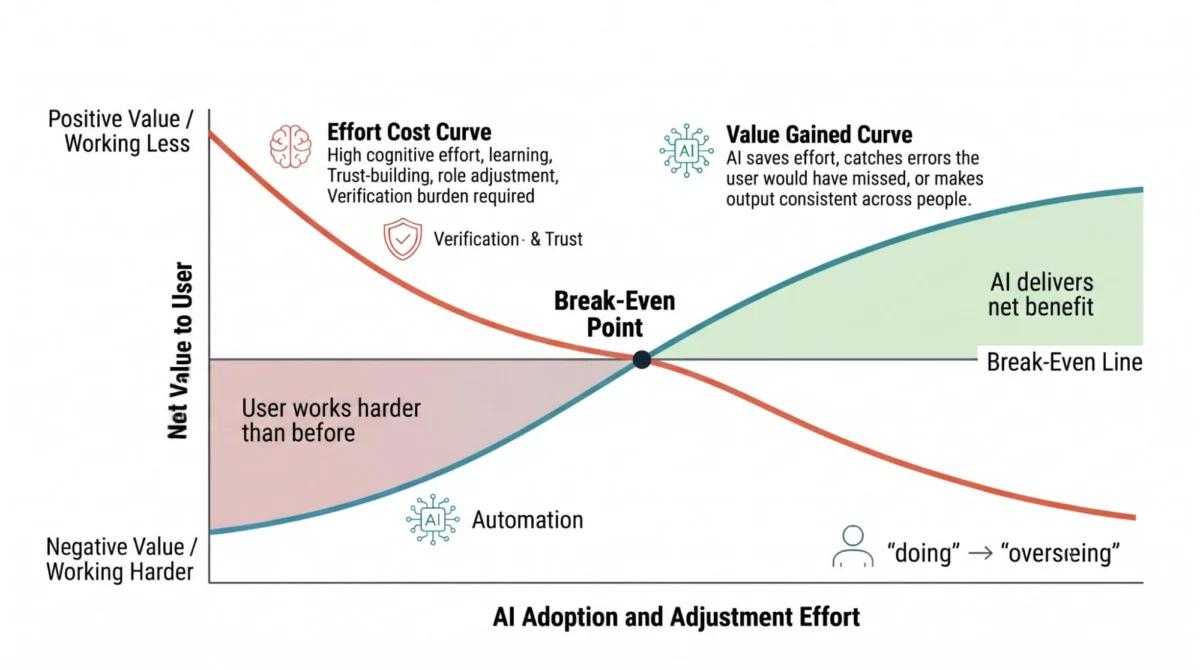
In the current landscape of enterprise software development, the rush to integrate generative artificial intelligence has led to a significant paradox: features designed to save time often increase the cognitive burden on the end-user. As organizations pivot from experimental AI implementations to long-term operational strategies, a new evaluative framework known as the "Break-even Line" audit […]

Read More
The Paradox of Performance: When Blocking the Main Thread Outperforms Offloading in Web Development
Web Design & UX/UI

The Paradox of Performance: When Blocking the Main Thread Outperforms Offloading in Web Development

Modern web development is governed by a foundational commandment: never block the main thread. This principle, emphasized in nearly every performance optimization guide and browser documentation, stems from the single-threaded nature of the browser’s primary execution environment. Because the main thread is responsible for everything from executing JavaScript to handling user input and rendering the […]

Read More
Embracing Playful Imperfection: The Arrival of the Native CSS random Function and Its Impact on Modern Web Design Systems
Web Design & UX/UI

Embracing Playful Imperfection: The Arrival of the Native CSS random Function and Its Impact on Modern Web Design Systems

The landscape of front-end development is undergoing a significant shift as browser engines begin to implement the native CSS random function, a feature that promises to introduce controlled chaos into the traditionally rigid world of design systems. For years, web designers and engineers have prioritized absolute consistency, relying on pixel-perfect grids, standardized spacing scales, and […]

Read More
Weaponizing and Defending the React Flight Protocol: A Post-Mortem of the React2Shell Crisis
Web Design & UX/UI

Weaponizing and Defending the React Flight Protocol: A Post-Mortem of the React2Shell Crisis

The disclosure of CVE-2025-55182, colloquially known in the cybersecurity community as React2Shell, marked a pivotal moment in the evolution of modern web framework security. As a CVSS 10.0 unauthenticated remote code execution (RCE) vulnerability, the flaw exposed a fundamental architectural risk within React Server Components (RSC) and its underlying transmission mechanism, the Flight protocol. Unlike […]

Read More
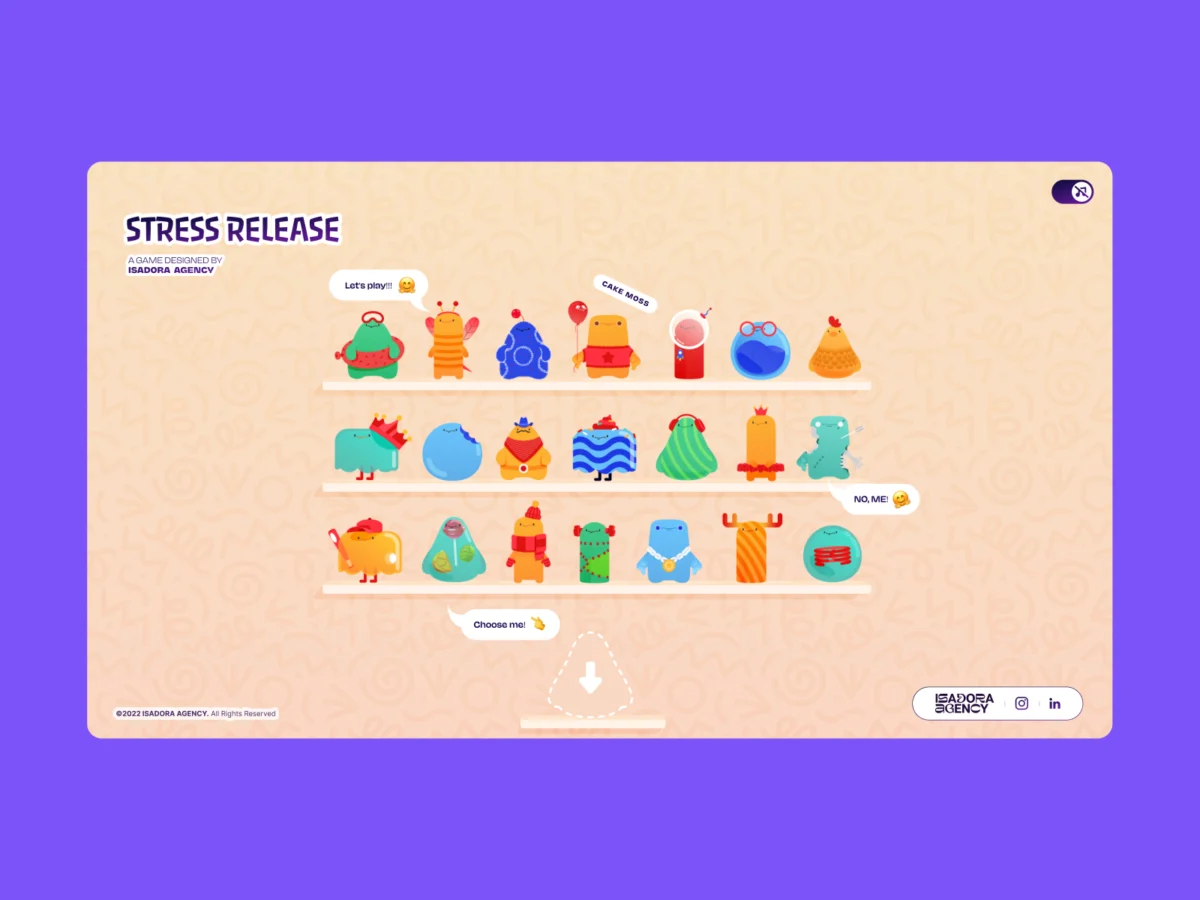
Building Tactile Web Experiences Without Physics Engines: Honoring Intentional Motion with Lottie and DOM Logic.
Web Design & UX/UI

Building Tactile Web Experiences Without Physics Engines: Honoring Intentional Motion with Lottie and DOM Logic.

The landscape of front-end development is currently witnessing a significant shift in how interactive, high-fidelity user experiences are constructed. Traditionally, when a digital agency is tasked with creating a web interface that feels tactile, bouncy, or "squishy," the standard procedural response has been to integrate a physics engine. Frameworks such as Matter.js, Cannon.js, or bespoke […]

Read More
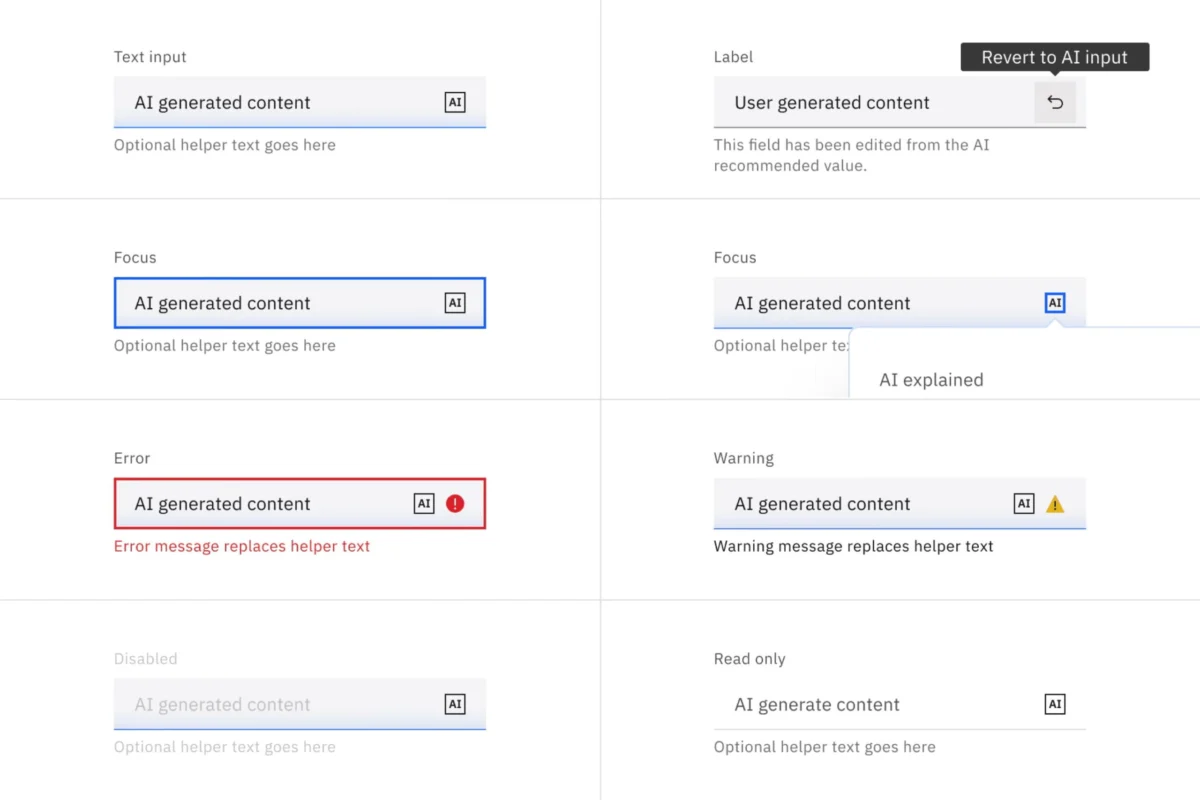
EU Transparency Guidelines and the Mandatory Labelling of AI Generated Content A Global Compliance Roadmap for 2026
Web Design & UX/UI

EU Transparency Guidelines and the Mandatory Labelling of AI Generated Content A Global Compliance Roadmap for 2026

The European Commission has recently finalized and published comprehensive transparency guidelines under the European Union Artificial Intelligence Act, marking a pivotal shift in how digital content must be disclosed to the public. As the global digital economy prepares for the full implementation of these rules on August 2, 2026, organizations worldwide are facing a new […]

Read More
Kirki Redefines WordPress Web Design with Freeform Canvas and Zero Plugin Dependency
Web Design & UX/UI

Kirki Redefines WordPress Web Design with Freeform Canvas and Zero Plugin Dependency

The landscape of web development within the WordPress ecosystem is undergoing a fundamental transformation as a new generation of visual builders seeks to eliminate the technical debt and design constraints associated with legacy platforms. Leading this shift is Kirki, a freeform visual builder that introduces an infinite canvas and a zero-plugin dependency model, effectively challenging […]

Read More