
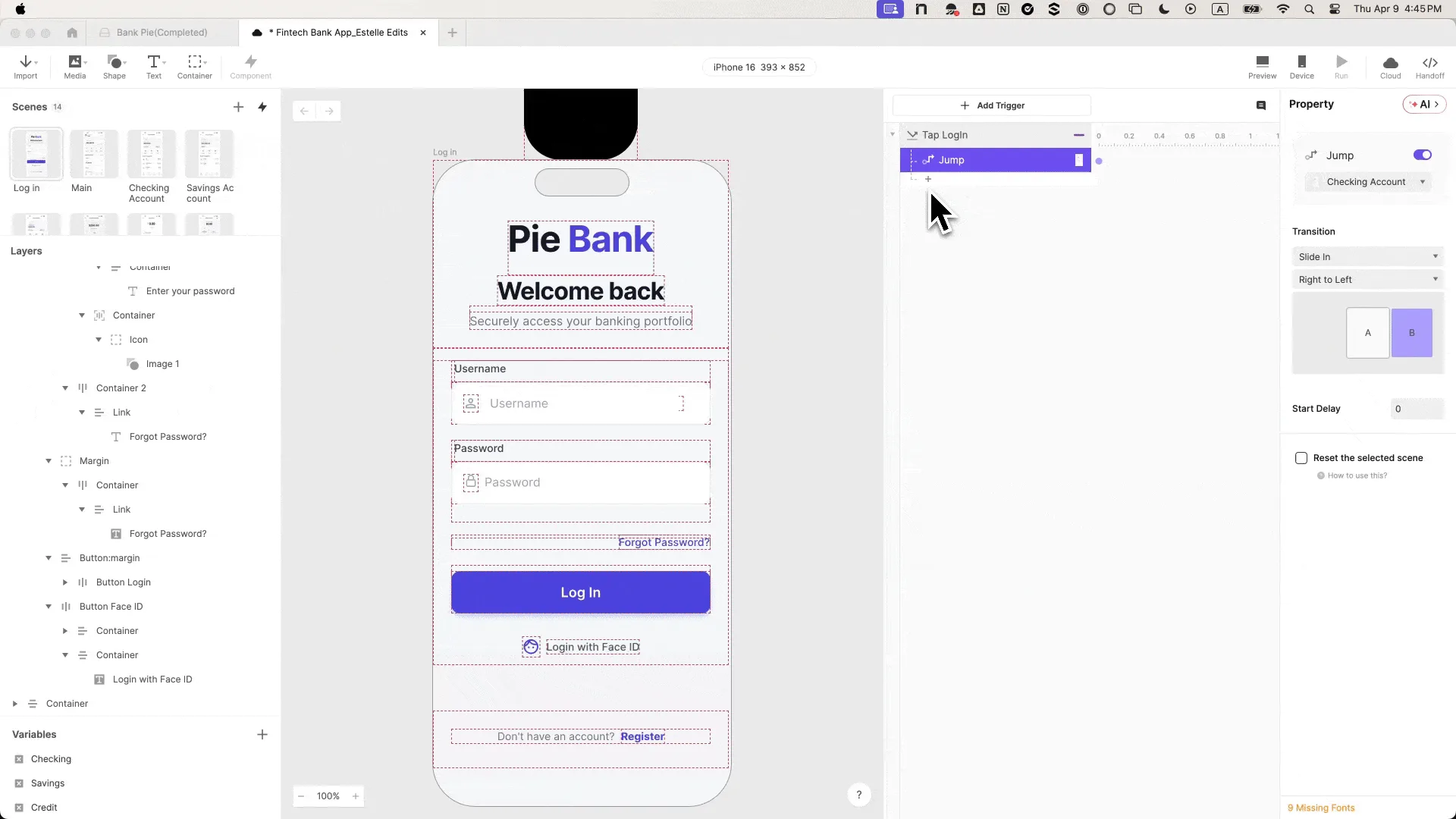
The integrity of a usability testing session often hinges on a single, silent moment: the participant pauses at the login screen, enters a character, and looks up to the moderator to confirm they are "doing it right." This hesitation, frequently observed by user experience (UX) researchers, marks the exact point where a participant recognizes they are interacting with a simulation rather than a functional product. Once this "prototype awareness" sets in, every subsequent data point is filtered through a lens of artificiality, potentially compromising the validity of the entire research study. In the high-stakes environment of financial technology (FinTech), where user trust is the primary currency, these lapses in prototype fidelity can lead to catastrophic design decisions based on skewed behavioral data.
The Fidelity Gap in FinTech UX Research
In the specialized field of financial product development, the challenges of user testing are uniquely acute. Users of banking and investment applications are psychologically primed to be vigilant. They are trained to notice anomalies: a balance that fails to update, a field that accepts invalid characters, or a security screen that lacks the expected authentication triggers. When a banking prototype bypasses real authentication, the psychological contract between the user and the interface is broken. Participants do not merely disengage; they often halt the session to flag the "error," shifting their mindset from a natural user to a bug tester.
Industry analysts note that the financial services sector has seen a Compound Annual Growth Rate (CAGR) of nearly 20% in digital adoption over the last five years. As the market becomes more saturated, the differentiator for consumers is no longer just the service provided, but the perceived security and seamlessness of the interface. High-fidelity prototyping has emerged as a critical tool to bridge the gap between design intent and user perception. By creating prototypes that behave like shipped products, design teams can capture genuine behavioral responses—retrying a password, reacting to an error message, or utilizing biometric shortcuts—that static or low-fidelity models simply cannot elicit.
Chronology of Prototype Evolution: From Static to Dynamic
The evolution of prototyping tools has mirrored the increasing complexity of mobile applications. In the early 2010s, "hotspot" prototyping dominated the industry, where static images were linked together to simulate navigation. While effective for simple flow validation, these tools failed to account for logic-based interactions. By the mid-2010s, tools began incorporating basic transitions, yet they remained "dumb" systems that could not process user input.
The current era, defined by advanced tools like ProtoPie, represents a shift toward "logic-driven" prototyping. This allows designers to move beyond depicting an application to actually building a functional representation that utilizes variables, conditional logic, and device sensors. For FinTech companies, this evolution is not merely a luxury but a necessity for rigorous compliance and security testing.
Technical Implementation: Building a Credible Authentication Flow
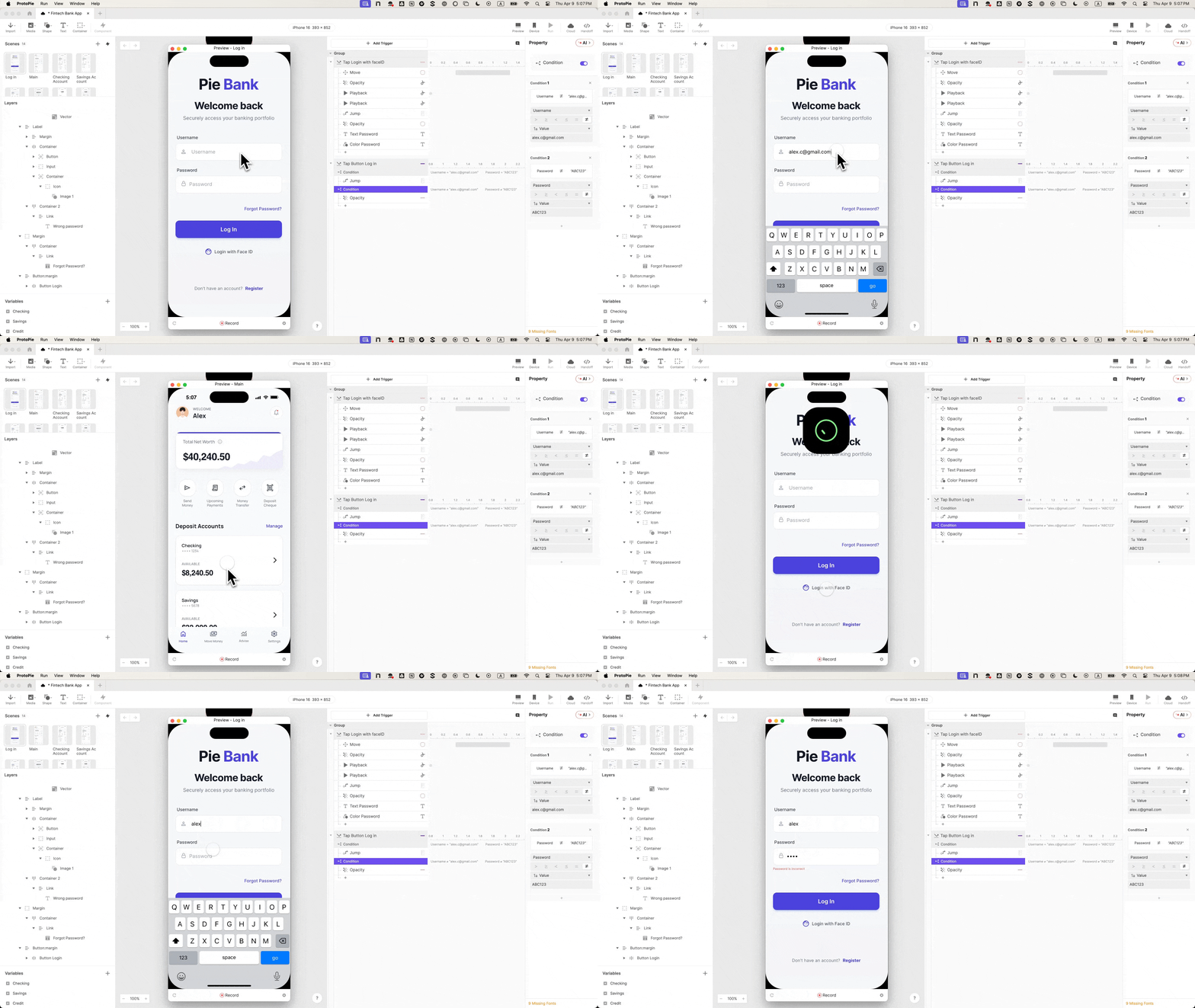
The process of establishing user trust begins at the point of entry. To mitigate the "login pause," UX designers are now utilizing a sophisticated 10-step methodology to build high-fidelity authentication flows that are indistinguishable from live code.
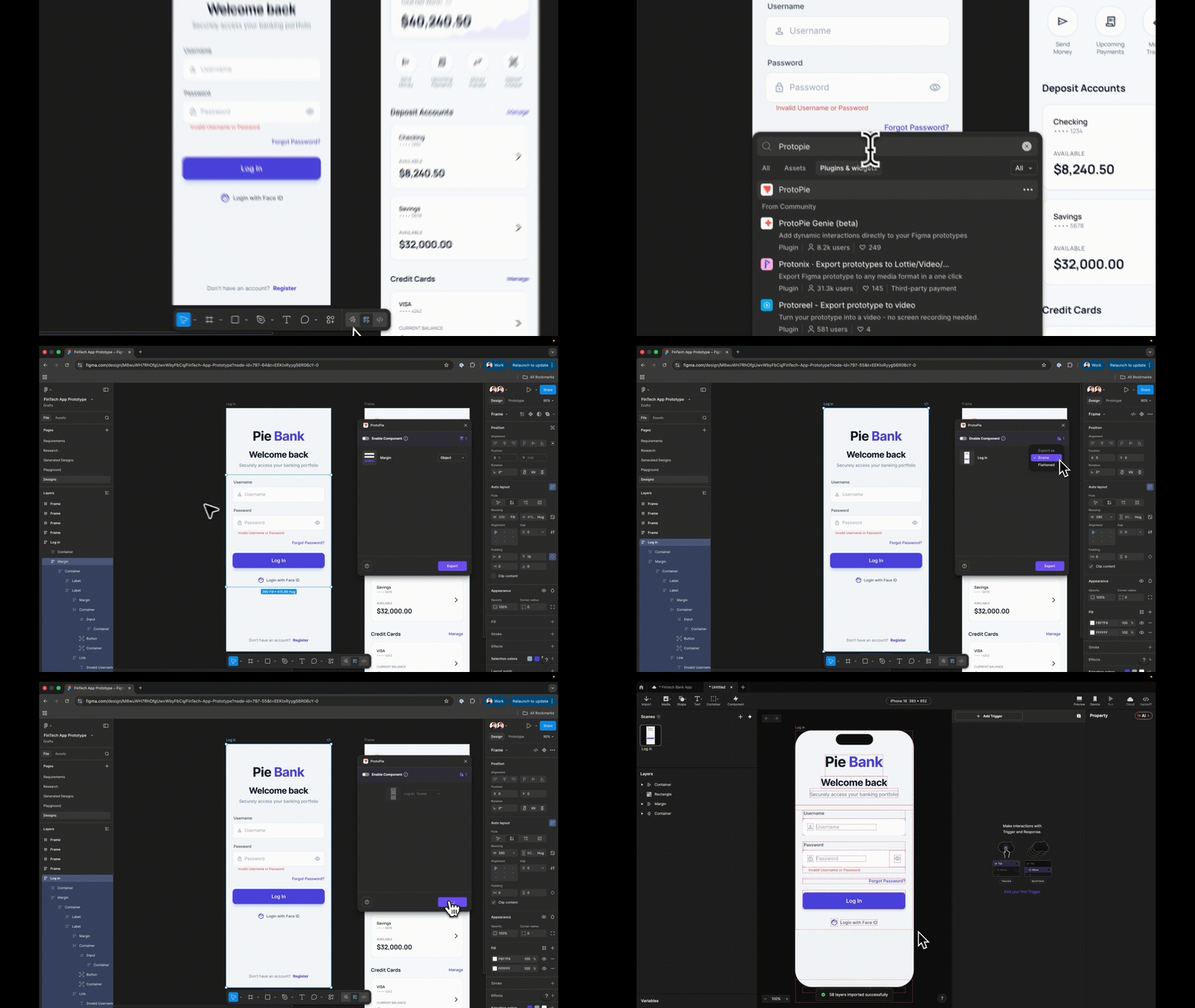
1. Preserving Asset Integrity via Smart Import
The process begins with the transition from design environments like Figma to interactive environments. Modern workflows prioritize "Scene" imports over "Flattened" images. By preserving the layer hierarchy, designers ensure that every UI element—from the "Login" button to the background scrim—remains a targetable, interactive layer. This stage requires rigorous naming conventions (e.g., "Input Username" instead of "Rectangle 14") to facilitate complex formula referencing later in the development cycle.
2. Implementing Real-Time Text Input
The shift from "tappable placeholders" to native input layers is a fundamental requirement for realism. High-fidelity prototypes utilize layers that trigger the device’s actual keyboard, allowing participants to type their own credentials. This interaction ensures that the tactile feedback of the device matches the visual feedback of the UI.
3. Security Masking and Cognitive Comfort
In financial apps, the masking of a password (replacing characters with dots or asterisks) is a vital security cue. By setting input properties to "Text Password," designers can simulate this behavior without custom coding. This small detail reinforces the user’s perception that the prototype is "safe" and professional.
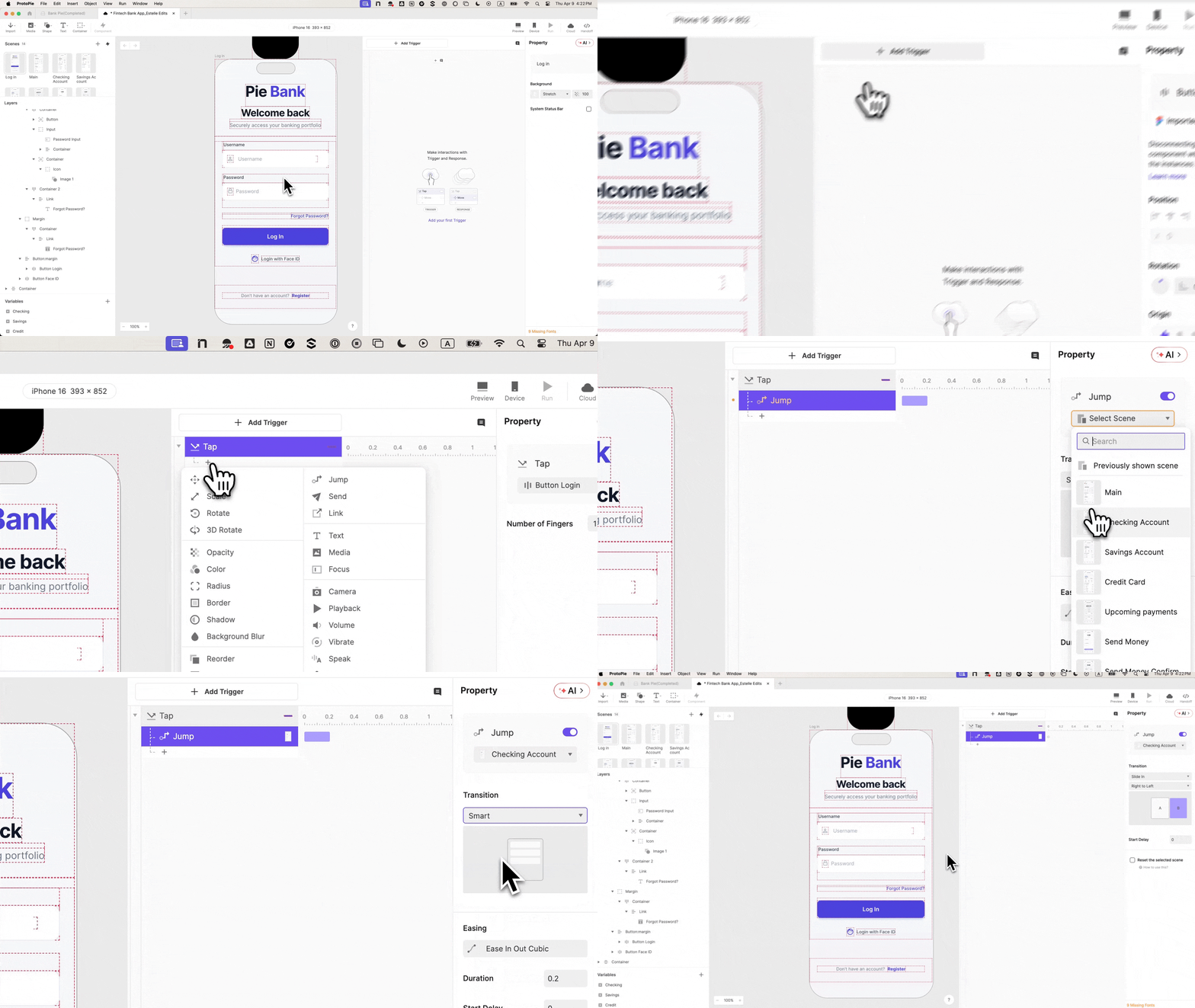
4. Establishing Destination Logic
A common pitfall in prototype development is the "linear trap," where designers wire buttons before destinations exist. A professional workflow dictates the creation of the "Success" scene (the dashboard) prior to wiring the authentication logic, ensuring that the system has a valid state to transition to upon successful login.
5. Moving Beyond Simple Navigation
While a standard "Jump" response can move a user from Screen A to Screen B, it lacks the conditional logic required for a real app. At this stage, the prototype is still "lying" because it allows any input (or no input) to trigger a success state.

6. The Role of Variables and Memory
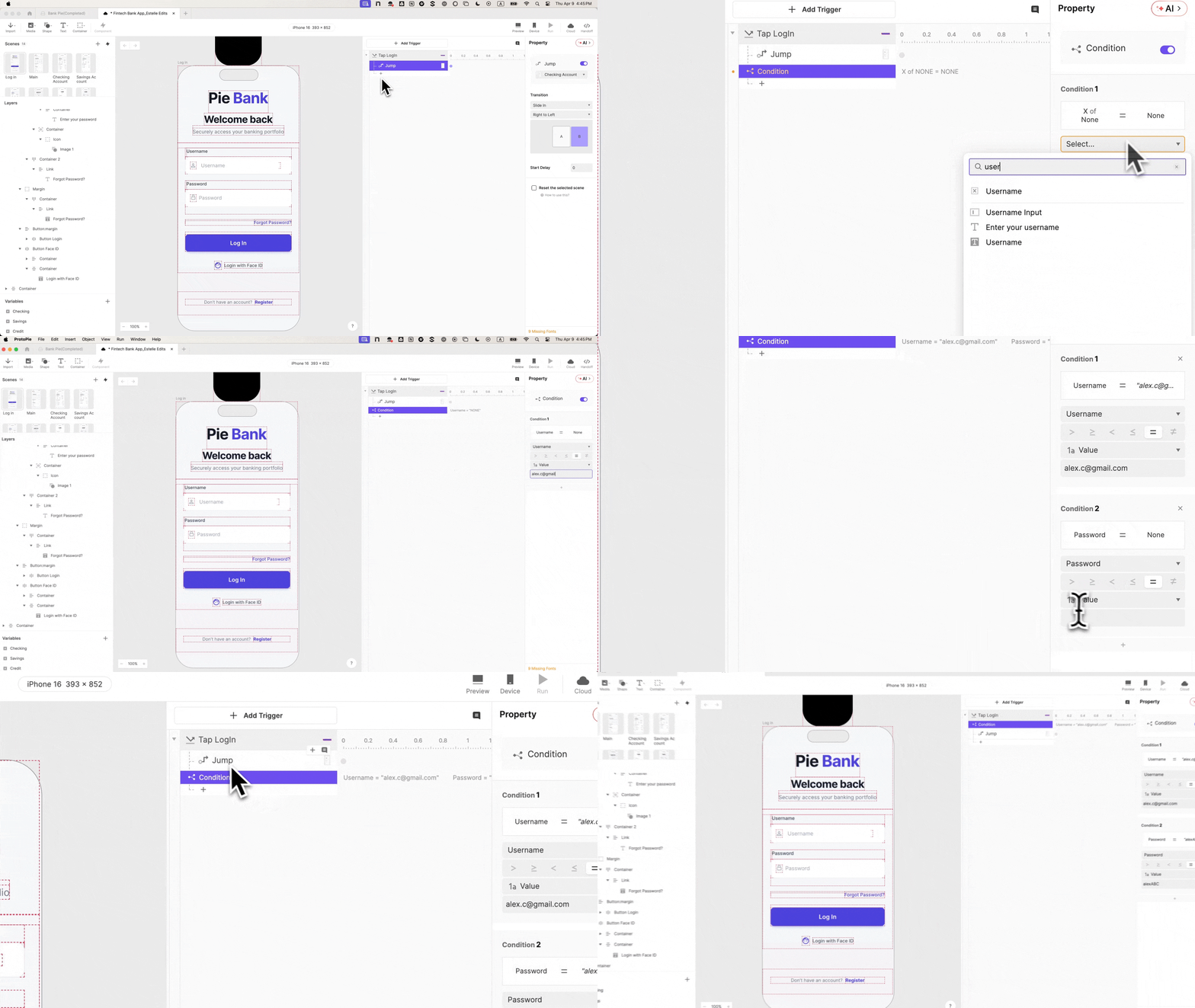
To create a "smart" prototype, designers implement variables—small pieces of data that store the user’s input. By binding these variables to the text fields via formulas, the prototype "remembers" what the user typed. This is the first step toward creating a system that can validate credentials.
7. Conditional Validation: The Gateway to Realism
By applying conditional rules (e.g., "If variable ‘username’ equals ‘user123’ AND variable ‘password’ equals ‘pass123’"), designers create a functional gate. This constraint changes the texture of the test session; participants must now interact with the interface with the same level of attention they would give to a real banking application.
8. Simulating System Feedback through Error States
The "error state" is perhaps the most overlooked aspect of UX testing. In a real-world scenario, users frequently make mistakes. High-fidelity prototypes must account for this by building inverse conditions that trigger error messages. Testing how a user reacts to a "Wrong Password" notification provides more valuable data than a flawless success path.
9. Biometric Integration: The "Real-Feel" Factor
For modern FinTech apps, Face ID or fingerprint scanning is the standard. Integrating Lottie animations (vector-based animation files) that mimic the native iOS or Android biometric triggers is often the detail that convinces a tester of the product’s legitimacy. This involves positioning the animation off-screen and triggering it via a "Move" and "Play" response sequence.
10. Precise Timing and Native Staggering
The final step involves micro-adjustments to timing. Native mobile interactions have specific delays—Face ID animations play for approximately 0.5 to 0.8 seconds before the screen transitions. Staggering these responses in the prototype ensures that the rhythm of the interaction feels native to the OS.
Supporting Data and Industry Analysis
Research into the efficacy of high-fidelity prototyping suggests a significant ROI for product teams. According to a 2023 study on UX methodologies, prototypes that utilize real data and logic-based interactions reduce "false positives" in usability testing by up to 35%. False positives occur when users say they understand a feature because they are being guided through a simplified, linear path, only to struggle when the actual product is launched with all its complexities.

Furthermore, the cost of fixing a usability flaw post-launch is estimated to be 100 times higher than fixing it during the design phase. For FinTech firms dealing with complex regulatory requirements, the ability to test "edge cases"—such as what happens when a user enters an expired credit card number or an incorrect PIN—is invaluable. High-fidelity prototypes allow these scenarios to be tested safely without the need for a live back-end.
Stakeholder Reactions and Engineering Alignment
The impact of high-fidelity prototyping extends beyond the research lab and into the boardroom. Stakeholders and product owners frequently report that seeing a "live" prototype helps them visualize the final product’s value proposition more clearly than static decks.
From an engineering perspective, these prototypes serve as a "living specification." Rather than interpreting a static PDF, developers can inspect the interaction panel of a high-fidelity prototype to see the exact timing, conditional logic, and variable bindings intended by the designer. This reduces the friction during handoff and minimizes the "interpretation gap" that often leads to UI bugs in the final build. "When we see a prototype that actually validates a login, we aren’t just looking at a design; we’re looking at a functional requirement," noted one senior software engineer at a leading European neobank.
Broader Implications for the Future of UX
As artificial intelligence and machine learning become more integrated into financial services, the need for realistic prototyping will only grow. Future iterations of these tools are expected to allow for "dynamic data injection," where prototypes can pull real-time exchange rates or stock prices via APIs to further enhance the realism of the test environment.
The "login pause" is a symptom of a larger problem: the disconnect between how we design and how users experience. By investing in high-fidelity prototypes that respect the user’s intelligence and anticipate their behaviors, FinTech teams can move away from "demonstrating" ideas and toward "validating" solutions. In an industry where a single moment of distrust can lead to a deleted account, the investment in a realistic login screen is not just a design choice—it is a strategic imperative. The goal is to move past the point where users ask if they are "doing it right" and reach the point where they simply use the app, providing the raw, unfiltered data that leads to truly great product design.

