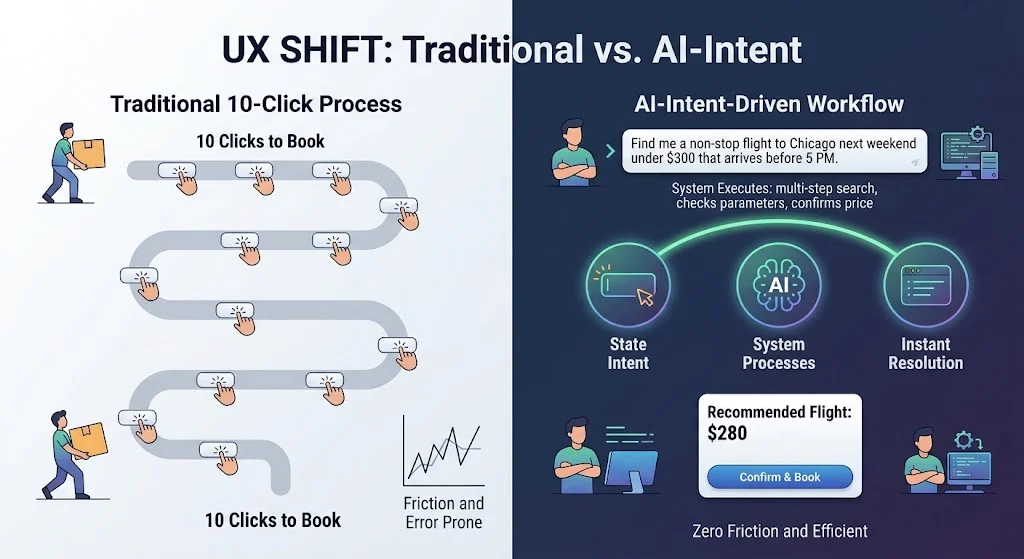
The rapid integration of agentic Artificial Intelligence (AI) into enterprise workflows has introduced a critical friction point between autonomous system efficiency and human psychological trust. As AI shifts from passive chatbots to active "agents" capable of executing complex, multi-step tasks—such as processing insurance claims, auditing legal contracts, and managing supply chains—the industry is facing a […]
Humanizing Artificial Intelligence Through Design The Case of MacPaw and the Eney Assistant
The rapid proliferation of artificial intelligence has fundamentally altered the landscape of digital interaction, shifting the focus from simple automated tools to complex systems capable of generating art, video, and prose. While the technological achievements of models such as OpenAI’s GPT-4 and Midjourney are undeniable, they have introduced a period of profound uncertainty for the […]
Building Tactile Web Experiences by Prioritizing Intentional Motion Over Physics Engines
Building Tactile Web Experiences by Prioritizing Intentional Motion Over Physics Engines represents a significant shift in how front-end developers approach interactive web design, moving away from the unpredictability of physics simulations toward the absolute control of frame-based animation. When the development team at Isadora Agency was commissioned to create "Stress Release," a digital stress-relief game, […]
Rethinking Data Visualization through UX Design Principles to Drive Organizational Decision-Making
The modern corporate landscape is currently saturated with data, yet a significant gap remains between the availability of information and the ability to execute informed decisions. While organizations across the globe have invested billions in business intelligence (BI) tools and data infrastructure, the majority of dashboards produced are technically accurate but communicatively inert. These tools […]
Navigating the Complexity of Legacy Systems A Strategic Framework for User Experience Modernization and Organizational Impact
The digital infrastructure of the modern enterprise is frequently anchored by legacy systems—software architectures that have remained in operation for a decade or more, often outliving the original teams that developed them. While these systems are frequently criticized for being slow, unreliable, and aesthetically outdated, they remain the "black box" of global commerce, silently powering […]
Session Timeout Accessibility as a Critical Pillar of Digital Inclusion for Users with Disabilities
The digital landscape is currently grappling with a fundamental tension between cybersecurity protocols and universal accessibility, as poorly managed session timeouts emerge as a primary barrier for millions of internet users. While session management is traditionally viewed by web developers as a technical necessity to safeguard user data and manage server resources, for individuals with […]
Building Trust Through Fidelity How High-Fidelity Prototyping Transforms FinTech Usability Testing
The integrity of a usability testing session often hinges on a single, silent moment: the participant pauses at the login screen, enters a character, and looks up to the moderator to confirm they are "doing it right." This hesitation, frequently observed by user experience (UX) researchers, marks the exact point where a participant recognizes they […]
The Evolution of UX Design in 2026: Navigating the Intersection of AI-Augmented Development and Human-Centered Experience
The landscape of user experience (UX) design has undergone a fundamental transformation as of early 2026, marked by a decisive shift in the industry’s expectations for technical proficiency. The long-standing debate regarding whether designers should possess coding skills has been effectively resolved, not by academic consensus, but by the rigorous demands of a global job […]
Why Your Website Should Never Stop Changing — Smashing Magazine
Pierre Burgy, a prominent figure in the web development space and the founder of the autonomous website platform Fimo, has identified this decay as a "law of nature" in the traditional tech stack. To combat this, a new category of technology is emerging: autonomous websites powered by AI agents. These agents are designed to monitor, […]
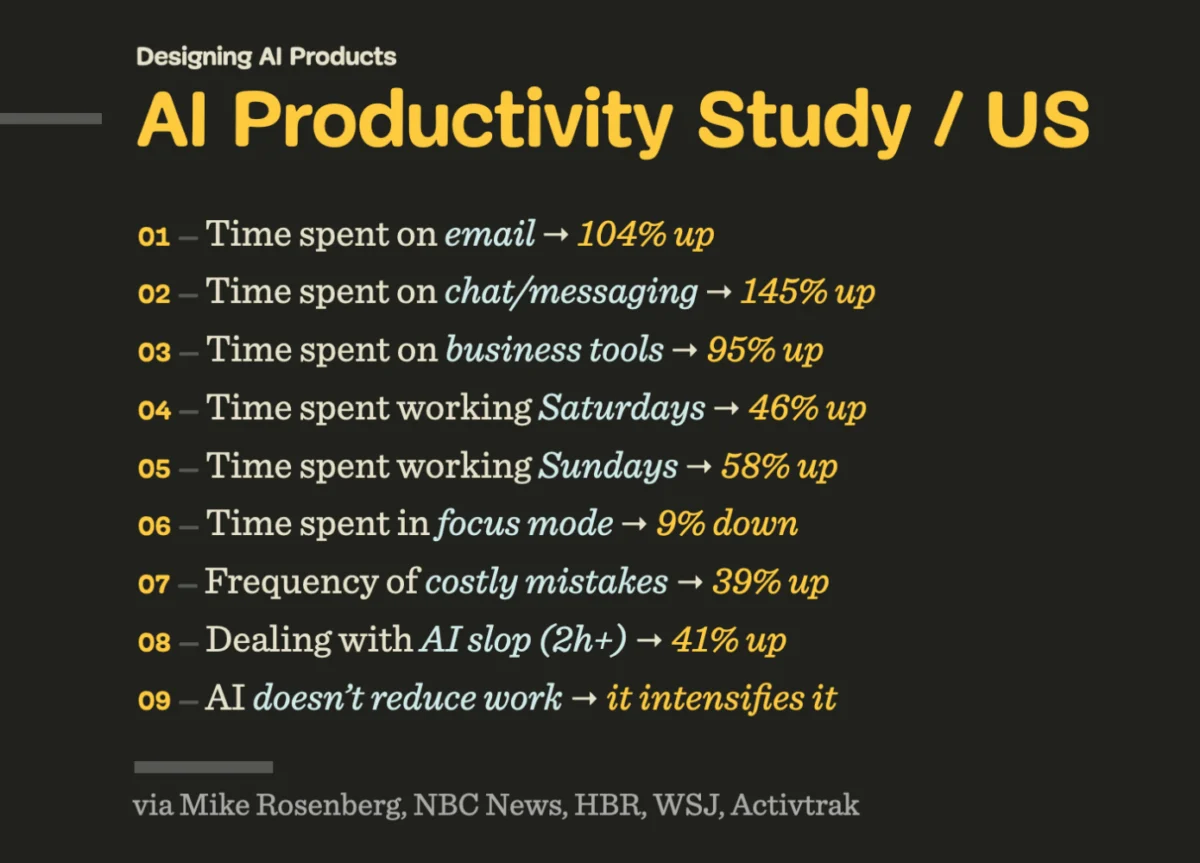
The Paradox of the Bug-Free Workforce: How AI-Driven Efficiency Risks the Human Scaffolding of Innovation
The rapid integration of generative artificial intelligence into corporate workflows has birthed a phenomenon known as the "bug-free workforce," a state where employees no longer need to "bug" or interrupt their colleagues for assistance, information, or feedback. While this transition is frequently framed as a liberation from workplace friction, emerging organizational research suggests that the […]