The Emergence of Vibe Coding and the Speed-Quality Paradox The current engineering climate is defined by a paradigm shift often referred to as "vibe coding," a term popularized in early 2025 by industry veteran Andrej Karpathy. This methodology involves developers describing high-level intent to AI agents, which then generate entire blocks of UI code that […]
Rethinking Web Performance Standards: When Blocking the Browser Main Thread Becomes a Strategic Necessity
In the landscape of modern web development, the directive to never block the browser’s main thread has long been considered an inviolable commandment. As a single-threaded environment, the main thread is responsible for critical operations including JavaScript execution, layout rendering, and input handling. Conventional wisdom dictates that any computationally intensive task must be offloaded to […]
Beyond Conversational Tunnel Vision: Designing Adaptive Modality for the Next Era of AI User Experience
The technology industry has reached a critical juncture in the evolution of artificial intelligence, characterized by a phenomenon increasingly described by design experts as conversational tunnel vision. Since the public release of Large Language Models (LLMs) like ChatGPT in late 2022, the digital landscape has been flooded with chat-based interfaces. Because these models are fundamentally […]
The Shift from Tool Proliferation to Seamless AI Integration Redefining User Experience in the Generative Era
The global technology landscape is currently witnessing a critical pivot in how artificial intelligence is delivered to the end-user, moving away from the "tool-first" mentality toward a philosophy of seamless, invisible integration. For the past two years, the market has been flooded with standalone AI applications and "wrappers" that require users to navigate away from […]
The Growing Disconnect Between Corporate AI Integration Strategies and User Adoption Realities in the Modern Digital Workspace
The global corporate landscape is currently navigating a significant friction point as a widening gap emerges between executive enthusiasm for artificial intelligence and the actual utility experienced by the end-user. While senior leadership across Fortune 500 companies continues to pivot toward "AI-first" strategies, recent market data and user experience audits suggest that the anticipated "craving" […]
Designing for Distress Evaluating UI Trends in Mental Health Applications
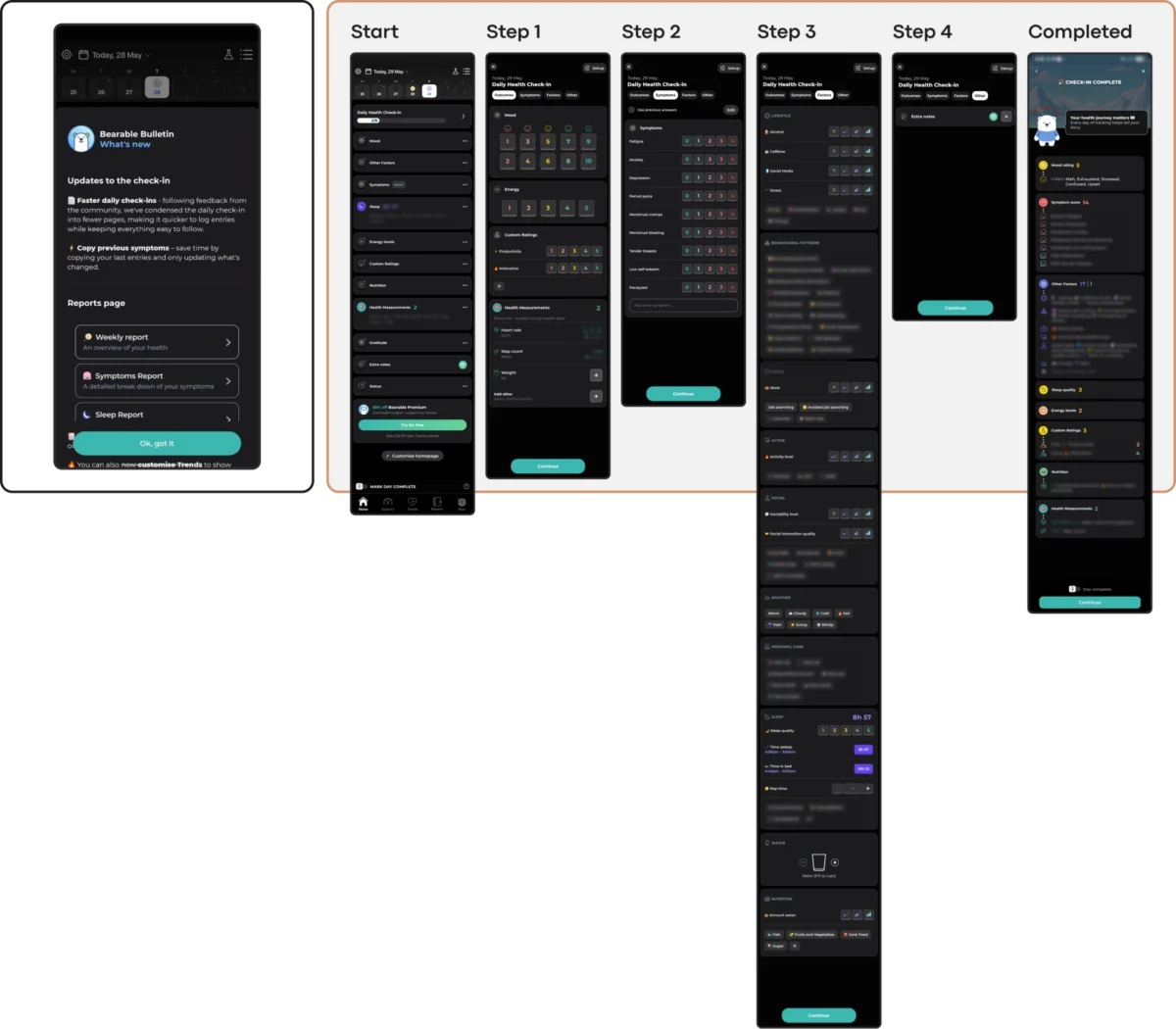
The global mental health landscape is currently navigating a profound paradox: while digital interventions are more accessible than ever, the vast majority of users fail to sustain engagement with the very tools designed to assist them. Recent clinical data reveals a stark reality for the mobile health (mHealth) industry, noting that approximately 95% of users […]
Breaking the Box: How Kirki’s Freeform Infinite Canvas is Redefining the WordPress Website Building Experience
The landscape of web development within the WordPress ecosystem is undergoing a fundamental shift as users move away from traditional, rigid layout structures toward more fluid, design-centric environments. For over a decade, the standard for WordPress page builders has been a "boxed" approach, where elements are confined to strict rows and columns, often resulting in […]
Bridging the Gap Between Strategy and Design: The Critical Pre-Concept Phase in Brand Identity
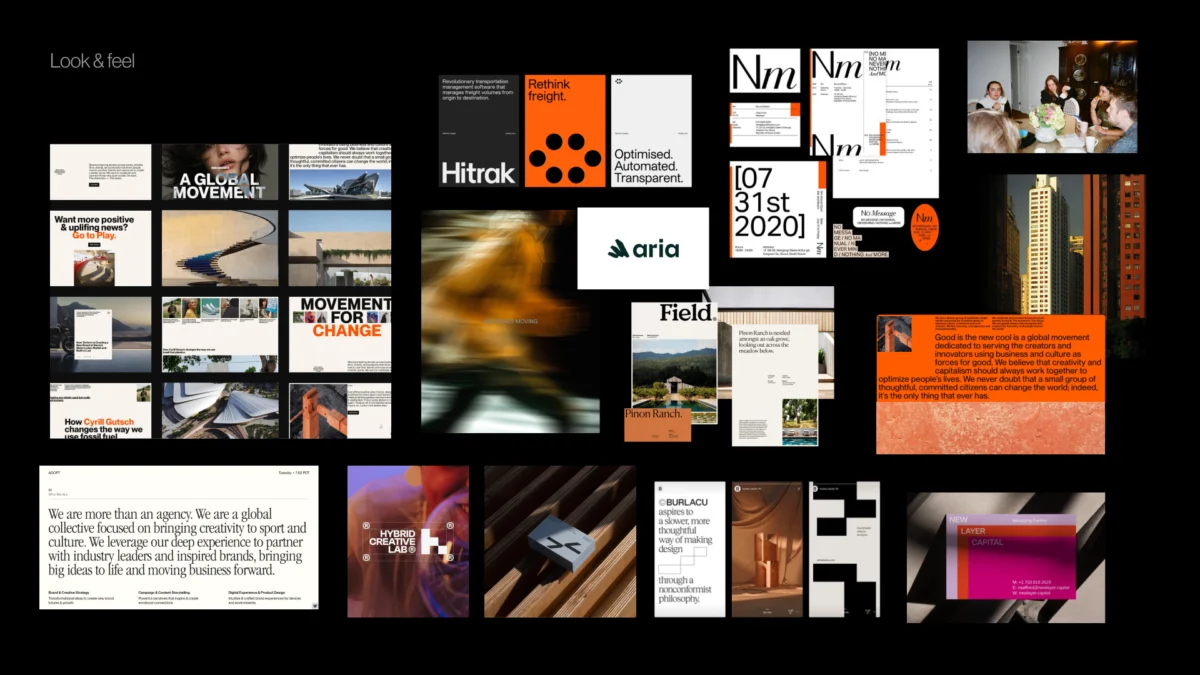
The failure of a brand identity project is rarely the result of poor technical execution or a lack of artistic talent; instead, it is almost always rooted in the conceptual void that exists between strategy and design. In the contemporary design landscape, the most effective visual concepts do not originate within digital tools like Figma […]
Designing Uncertainty: How AI Supercharges Probabilistic Thinking
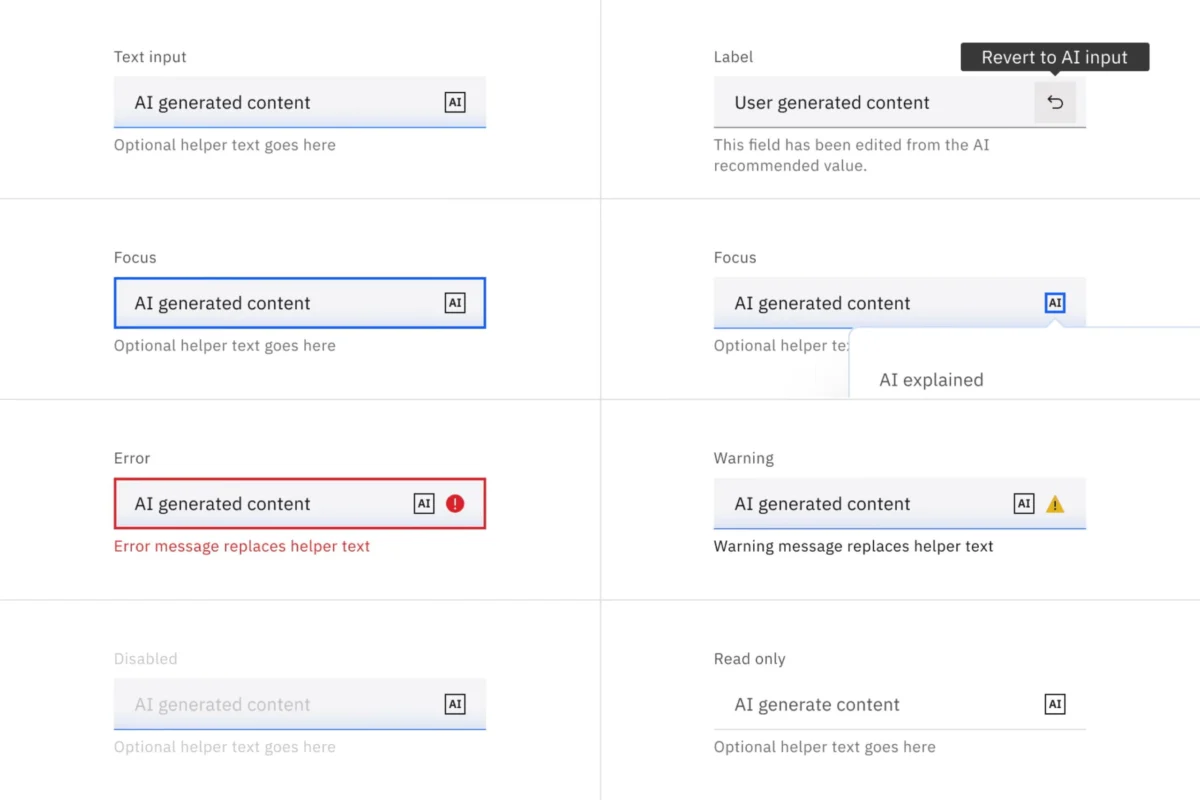
The landscape of User Experience (UX) and product development is undergoing a fundamental shift as artificial intelligence moves from the periphery to the core of digital interfaces. Traditionally, software design has been deterministic—built on the logic that a specific user action leads to a guaranteed, predictable outcome. However, the integration of generative AI and large […]
Building AI-Ready Design Systems: A Practical Guide to Enhancing LLM-Generated Prototypes through Structured Documentation and Auditing
The rapid integration of generative artificial intelligence into the product design lifecycle has revealed a significant technical hurdle: the "drift" between design intent and AI execution. As organizations increasingly rely on Large Language Models (LLMs) to generate code-ready prototypes, the limitations of traditional design systems have become apparent. These systems, originally built for human interpretation, […]