
The digital infrastructure of the modern enterprise is frequently anchored by legacy systems—software architectures that have remained in operation for a decade or more, often outliving the original teams that developed them. While these systems are frequently criticized for being slow, unreliable, and aesthetically outdated, they remain the "black box" of global commerce, silently powering critical daily operations in sectors ranging from healthcare and finance to manufacturing and logistics. As organizations face increasing pressure to modernize their digital offerings, the challenge of improving the User Experience (UX) of these entrenched systems has emerged as a primary hurdle for Chief Technology Officers (CTOs) and design leaders alike.
The complexity of legacy UX stems from a decade of "fast-paced decisions, quick fixes, and accumulating UX debt," according to Vitaly Friedman, a prominent design consultant and founder of Smashing Magazine. In his latest framework for measuring UX impact, Friedman notes that enterprises often spend between 40% and 60% of their total IT budget and manpower simply maintaining and fine-tuning these legacy environments. Despite their high cost of ownership, these systems are rarely candidates for immediate decommissioning because they are deeply customized to specific organizational workflows that modern, off-the-shelf solutions cannot easily replicate.
The Economic and Operational Reality of Legacy Debt
Legacy systems do not exist in isolation; they are the foundational layer upon which modern digital products are built. This creates a "Frankenstein" ecosystem where sleek, contemporary user interfaces are frequently tethered to backend fragments that are painfully slow and functionally opaque. When a user encounters a broken validation message or an unresponsive data processing screen within a broader application, the entire product’s perceived value diminishes.

Industry data suggests that the "broken window theory" applies to software: if one critical step in a complex user flow feels outdated or confusing, users lose trust in the entire system’s reliability. In the B2B sector, where efficiency is directly tied to profitability, a legacy interface can lead to significant "time-on-task" inflation. For example, in healthcare, ophthalmology clinics utilizing decade-old Electronic Medical Record (EMR) systems report that clinicians spend nearly half their day navigating optical test results and medication histories through interfaces designed before the advent of modern usability standards.
The cost of replacing these systems is often prohibitive. Beyond the licensing fees of new software, the hidden costs—data migration, employee retraining, and the risk of operational downtime—often lead stakeholders to favor the status quo. This "legacy trap" necessitates a strategic UX roadmap that prioritizes incremental improvement over the high-risk "big-bang" redesign.

A Chronological Framework for UX Discovery
To successfully modernize a legacy system, organizations must first embark on a rigorous discovery phase to uncover the "hidden knowledge" embedded within the software. Legacy systems often hold years of business logic and customizations that are poorly documented.
- Mapping Existing Workflows and Dependencies: The first stage involves identifying every touchpoint of the legacy system. This includes not just internal users, but also external agencies, business dashboards, and third-party integrations. Often, a legacy system is a hub for multiple "black boxes," where one old system relies on an even older database.
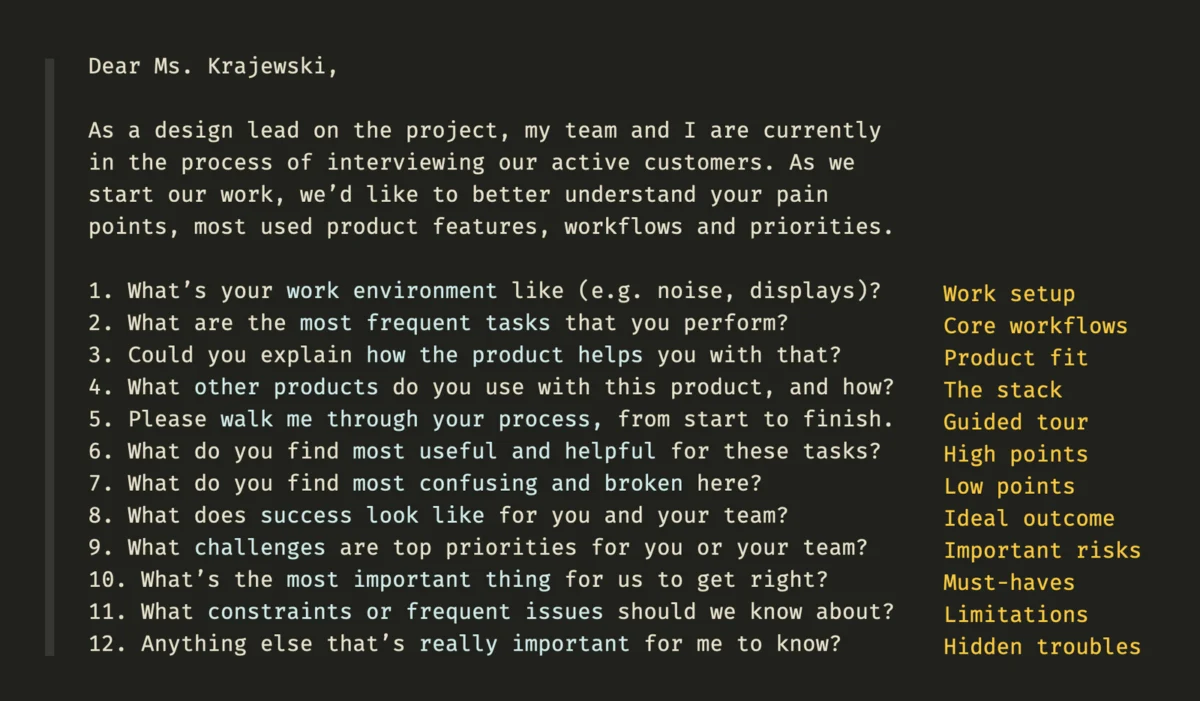
- Task Analysis and Testing Sessions: Research teams must conduct contextual inquiries to observe how heavy users interact with the system. These sessions often reveal "workarounds"—unintended ways users have learned to bypass system flaws to complete their jobs.
- Stakeholder Reflection: Once workflows are mapped, design leads must present these findings to stakeholders. This serves to build confidence and visualize the risks associated with moving or changing specific features. It is at this stage that the organization determines which features are critical for migration and which can be safely deprecated.
Strategic Migration Models: Choosing the Path Forward
The decision to modernize requires a choice between several distinct migration strategies, each carrying different levels of risk and UX potential.

- Encapsulation: This involves leaving the legacy code intact while wrapping it in a new API or interface layer. This is often the fastest way to improve UX without touching the underlying logic, though it does not solve performance issues.
- Replatforming: Moving the system to a new platform (such as the cloud) with minimal changes to the code. This can improve speed but rarely addresses usability concerns.
- Refactoring: Optimizing the existing code to remove technical debt. This is a high-effort strategy that improves system health but may not be visible to the end-user.
- Rearchitecting: Shifting to a new architecture (like microservices) while maintaining the original functionality. This allows for modular UX improvements.
- Rebuilding or Replacing: Redesigning the system from scratch. While this offers the highest UX impact, it is the most expensive and carries the highest risk of failure.
Friedman argues that the most successful modernizations are those that "increment gradually." By involving engineers and users in continuous feedback loops, organizations can create a buffer for the inevitable complications that arise when tampering with the "heart of the business."
Managing Stakeholder Expectations and Fear of Change
The primary barrier to legacy UX improvement is often psychological rather than technical. Corporate users and stakeholders are frequently attached to legacy systems because they represent a known quantity in a high-stakes environment. To these users, a "big-bang" redesign represents a risk to their daily productivity.

"Corporate users don’t want big risks," the framework emphasizes. "They want the system to run flawlessly from day one." This necessitates a strategy of "shared ownership." Design teams must build strong relationships with key stakeholders, involving them in the testing of prototypes and pilot projects.
Stakeholders will naturally focus on edge cases and exceptions—the tiny, rare tasks that the legacy system happens to handle well. By addressing these concerns early and reporting progress repeatedly, UX leads can build the political capital necessary to push through more significant changes. A successful pilot project is often the most effective tool for overcoming skepticism, providing tangible proof that a modernized interface can actually improve rather than hinder performance.

The Broader Impact: UX as a Business Value Driver
The successful modernization of a legacy system has implications that extend far beyond aesthetics. It is a direct driver of organizational efficiency and employee retention. In an era where the "consumerization of IT" means employees expect their work software to be as intuitive as their personal apps, failing to address legacy UX can lead to high turnover and increased training costs.
Furthermore, the data collected during the UX discovery phase often reveals redundant processes that can be eliminated entirely, leading to leaner business operations. When a system is modernized, the organization is not just migrating components; it is migrating habits and ways of working.

The long-term reward for tackling these "daunting and adventurous" legacy stories is a significant competitive advantage. Organizations that can successfully bridge the gap between their reliable backend systems and a modern, user-centric frontend are better positioned to innovate. They move from a state of "managing debt" to a state of "driving value."
Conclusion: The Road to Respected UX Leadership
Revamping a legacy system is widely considered one of the toughest challenges in the design profession. It requires a blend of investigative research, strategic diplomacy, and technical pragmatism. However, the scale of impact is unparalleled. Improving a system used by thousands of employees every day for eight hours a day results in a cumulative gain in productivity that few other UX projects can match.

As organizations continue to grapple with the realities of aging infrastructure, the role of the UX professional is evolving from that of a "designer of screens" to a "navigator of systems." By following a structured roadmap—mapping dependencies, choosing the right migration strategy, and building stakeholder trust—teams can transform a "black box" into a transparent, efficient, and user-friendly asset. Those who succeed in this endeavor are typically remembered and rewarded, as they have solved the most persistent and expensive problem in the modern enterprise.

