

October 2026 presents a fertile ground for e-commerce content marketers, offering a diverse range of thematic opportunities to engage audiences and foster brand loyalty. From celebrating literary milestones and embracing seasonal festivities to navigating the evolving landscape of artificial intelligence and delving into corporate histories, the month is rich with potential. The core principle of content marketing, which emphasizes reciprocity—providing value before seeking attention or business—remains paramount. This approach builds trust and cultivates a stronger connection with consumers. This article explores five distinct content marketing strategies tailored for October 2026, designed to inspire creativity and drive impactful campaigns.
A Century of Charm: Winnie-the-Pooh’s Centennial Celebration
October 14, 2026, marks a significant milestone: the centennial anniversary of A.A. Milne’s beloved children’s classic, "Winnie-the-Pooh." First published in the United States and Britain on this date in 1926, the gentle bear from the Hundred Acre Wood has transcended generations, solidifying his place as an enduring icon in literature and popular culture. Publishers worldwide are already gearing up for this centenary, with plans for new editions, special commemorative releases, and a resurgence of Pooh-themed merchandise.
This anniversary offers a broad and uniquely accessible cultural content opportunity for a wide array of e-commerce businesses. While booksellers and toy retailers have an obvious connection, the universal themes embedded within the Pooh stories—childhood innocence, the power of friendship, the serenity of nature, the joy of reading, and even the simple pleasure of honey—can resonate with diverse audiences. Marketers can leverage these themes to create compelling narratives that align with their brand values.
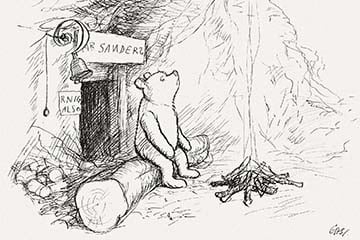
For instance, a children’s apparel brand could develop a collection inspired by Pooh’s adventures, featuring whimsical designs and soft, natural fabrics. Content could explore the importance of imaginative play, the benefits of outdoor exploration, or even offer "how-to" guides for creating a magical reading nook at home. A specialty food retailer, particularly one focusing on natural or artisanal products, could create content around the concept of "a little something sweet," perhaps featuring recipes for honey-based treats or highlighting the natural origins of their products, drawing parallels to Pooh’s fondness for "hunny."
The longevity of Winnie-the-Pooh is a testament to its timeless appeal. A study by the Pearson Education’s "Global Readership Report" indicated that children’s book sales have seen a steady increase, with classics often topping bestseller lists. The centennial provides an ideal moment to tap into this nostalgic sentiment, offering products and content that evoke warmth, comfort, and a sense of enduring joy. Marketers can consider creating short animated videos retelling classic Pooh stories with a modern twist, or perhaps developing interactive quizzes that help customers discover which Hundred Acre Wood character best represents their personality, subtly linking to product recommendations. The anniversary also presents an opportunity to partner with charities focused on literacy or childhood development, further enhancing brand goodwill and social impact.
The Spooktacular Season: Harnessing Halloween for User-Generated Content
As the leaves turn and the air grows crisp, Halloween emerges as a major cultural and commercial event, particularly in the United States, where it generates over $13 billion annually. While candy and costumes represent significant portions of this spending, the holiday’s economic impact extends to decorations, entertainment, party supplies, and even the burgeoning pet costume market. For e-commerce content marketers, Halloween is not just about selling products; it’s a prime opportunity to foster community and authenticity through user-generated content (UGC).
In an era where generative AI can produce polished content at an unprecedented scale and cost-effectiveness, the value of genuine human experience and endorsement becomes increasingly critical. AI-generated content, while impressive, cannot authentically replicate the trust and relatability that comes from seeing real people enjoying and interacting with products. UGC, in contrast, provides tangible proof of customer satisfaction and product appeal. Customer photographs, videos, reviews, and social media posts offer a level of credibility that synthetic content simply cannot match.
Social media platforms are increasingly recognizing this distinction. Pinterest, for example, has begun labeling AI-generated images and offers users controls to filter them out in certain categories, underscoring a growing consumer preference for authentic visual content. TikTok and Meta have also implemented similar measures to identify AI-generated or manipulated media, signaling a broader industry shift towards transparency and authenticity.
For October 2026, online retailers can actively solicit and curate UGC campaigns centered around Halloween. An e-commerce business could encourage customers to submit photos and videos of their families or pets adorned in costumes featuring the company’s products. For example, a kitchenware retailer could run a "Creepy Cakes & Spooky Sweets" contest, inviting customers to share images of their Halloween-themed baked goods made with their tools. An apparel seller might showcase customers’ DIY Halloween costumes created with their clothing items, highlighting versatility and creativity. A pet supply store could launch a "Pets in Costume" challenge, encouraging owners to share adorable or humorous pictures of their costumed companions, perhaps even featuring a "most uncooperative rabbit" category for added levity.
The most compelling UGC can be repurposed across various marketing channels. This includes featuring them in blog posts, social media updates, email newsletters, and dedicated galleries on product pages. Running a Halloween-themed contest with attractive prizes for the best UGC submissions can further incentivize participation and generate buzz. This strategy not only provides authentic marketing assets but also strengthens customer relationships by making them active participants in the brand’s narrative. The economic significance of Halloween, coupled with the increasing demand for authentic content, makes UGC a powerful strategy for e-commerce success during this festive period.
The Algorithmic Versus the Artisan: AI vs. Expert Content
October, a month characterized by seasonal transitions and preparatory activities for the colder months, offers a unique thematic backdrop for content marketing that pits artificial intelligence against human expertise. As individuals engage in tasks such as winterizing homes, preparing vehicles for colder weather, storing summer equipment, planning holiday meals, and retrieving winter wardrobes, numerous opportunities arise for businesses to provide valuable, comparative content.

The burgeoning capabilities of AI language models, such as ChatGPT, Claude, and Gemini, present a compelling angle. Marketers can leverage these tools to generate initial guides or explanations for seasonal chores related to their product offerings. For instance, an automotive parts retailer could use an AI to generate a step-by-step guide on winterizing a car. Subsequently, a human expert—perhaps a seasoned mechanic or a product specialist—can review and refine the AI’s output. This expert can identify any inaccuracies, omissions, or areas where the AI’s advice falls short, and then demonstrate a superior, more nuanced, or practical approach.
This "AI vs. Expert" format offers several advantages. Firstly, it directly addresses consumer needs by providing practical advice relevant to the season. Secondly, it showcases the distinct strengths of both AI and human intelligence. While AI excels at processing vast amounts of data and generating information quickly, human experts bring invaluable real-world experience, critical thinking, and the ability to adapt advice to specific contexts and individual needs. This contrast can be presented in various formats, including blog posts, video demonstrations, or even interactive Q&A sessions.
Consider a home improvement retailer. An AI might provide generic advice on insulating a home for winter. An expert could then elaborate on specific insulation types, their R-values, local building codes, and practical installation tips that an AI might overlook. For a gardening supply store, AI might suggest basic winter plant care. An experienced horticulturist could then offer advice on advanced techniques, pest management specific to the region, and the best tools for the job, highlighting the limitations of generalized AI advice.
The implication of this content strategy extends beyond mere product promotion. It positions the brand as a knowledgeable and trustworthy resource, capable of offering both efficiency and deep expertise. It also acknowledges the growing presence of AI in consumers’ lives, demonstrating that the brand is not only aware of these advancements but is also able to critically assess and integrate them into its content strategy. By contrasting AI-generated information with human insight, e-commerce businesses can build stronger credibility, enhance customer engagement, and differentiate themselves in a crowded digital marketplace. This approach allows brands to capitalize on the zeitgeist of AI integration while reinforcing the enduring value of human knowledge and experience.

Unearthing the Past: Embracing American Archives Month
October is officially recognized as American Archives Month, a national observance dedicated to raising awareness about the importance of archives and the crucial work of archivists in preserving our collective memory. This initiative presents a unique and often overlooked opportunity for e-commerce businesses to connect with their audience by delving into their own corporate histories.
Every business, regardless of its age or size, possesses a unique narrative rooted in its past. This narrative is often preserved in a variety of tangible and intangible forms: old catalogs, vintage photographs, early advertisements, original packaging designs, historical newsletters, and even retired product lines. These archival materials can be transformed into compelling content that resonates with customers, fostering a deeper understanding of the brand’s journey and evolution.
For a long-standing apparel retailer, exploring their archives could involve creating content that illustrates the dramatic shifts in fashion trends over the decades. They could showcase how silhouettes, fabrics, and styling have transformed, perhaps juxtaposing iconic pieces from their early collections with their current offerings. This not only appeals to nostalgia but also highlights the brand’s adaptability and enduring commitment to style.
Similarly, a gardening supply merchant could draw upon its archives to compare historical gardening equipment with contemporary tools. This could involve examining the innovations in design, materials, and functionality that have occurred over 10, 20, or even 50 years. Such content can educate consumers about the advancements in their field and subtly promote the benefits of modern products.
For newer companies, their "archive" might encompass early industry products, seminal technological developments, or foundational business strategies that have shaped their sector. A kitchen supply shop, for example, could create a series exploring the evolution of iconic kitchenware items, such as the cast-iron skillet. They could trace its history from ancient origins to its modern iterations, highlighting craftsmanship, culinary advancements, and its enduring presence in kitchens worldwide. This approach can educate consumers about the heritage of their favorite products and the expertise embedded within the brand.
By actively participating in American Archives Month, e-commerce businesses can achieve several strategic objectives. Firstly, it provides a rich source of unique and engaging content that can be adapted for blog posts, social media campaigns, video documentaries, and even interactive timelines on their websites. Secondly, it humanizes the brand, showcasing its history, its challenges, and its growth, which can build a stronger emotional connection with customers. Finally, it positions the brand as a steward of its own legacy, demonstrating a commitment to preserving its heritage while looking towards the future. This strategy offers a distinct advantage in an online environment where authenticity and a compelling brand story are increasingly valued.
Capitalizing on Current Events: The Power of News Hooks
In the dynamic realm of e-commerce content marketing, the ability to react swiftly and strategically to trending news and cultural conversations is paramount. A well-executed "news hook"—a relevant and timely event or statement—can significantly amplify a content marketer’s reach, attract new audiences, and foster deeper engagement with existing customers.
The essence of this strategy lies in identifying connections between current events and a brand’s products, services, or core values. While predicting precisely which stories will capture public attention in October 2026 is impossible, content marketers can cultivate a proactive approach by consistently monitoring news outlets, industry publications, social media trends, and the pronouncements of influential public figures. The goal is to be prepared to capitalize on emerging narratives when a strong, relevant link appears.

A compelling example of this strategy in action involves a hypothetical scenario centered around a prominent public figure. Imagine a statement made by a technology visionary, such as Elon Musk, regarding the rapid advancement of artificial intelligence. For instance, a hypothetical tweet from Musk in late 2026 might read, "AI will be able to do anything digital (that doesn’t require shaping atoms) at a superhuman level by the end of next year."
This kind of statement can serve as an immediate and potent news hook. A content marketer operating a website that sells science fiction-themed merchandise, for example, could quickly leverage this declaration. They could publish an article or social media post exploring how science fiction literature and cinema have long anticipated the very future Musk is describing. The article could highlight classic sci-fi narratives that explored artificial intelligence achieving human-level or superhuman capabilities in digital domains, drawing parallels between fictional predictions and contemporary technological progress.
Such content not only capitalizes on a trending topic but also reinforces the brand’s niche and expertise. For a science fiction merchandise store, this connects their product offerings directly to a significant cultural conversation, demonstrating relevance and insight. The article could feature product recommendations, such as t-shirts depicting iconic AI characters from literature or film, or books that delve into the philosophical implications of advanced AI.
The key to effectively utilizing news hooks is speed and relevance. Marketers must have systems in place to monitor relevant information streams and the agility to create and distribute content quickly once an opportunity arises. This might involve having pre-approved content templates or a dedicated team ready to research and draft timely pieces. The ability to seamlessly integrate a trending topic with a brand’s unique value proposition allows content marketers to not only capture fleeting attention but also to build lasting authority and customer loyalty by demonstrating their understanding of the wider world and their products’ place within it. By staying attuned to the cultural zeitgeist, e-commerce businesses can transform breaking news into powerful marketing assets.

