
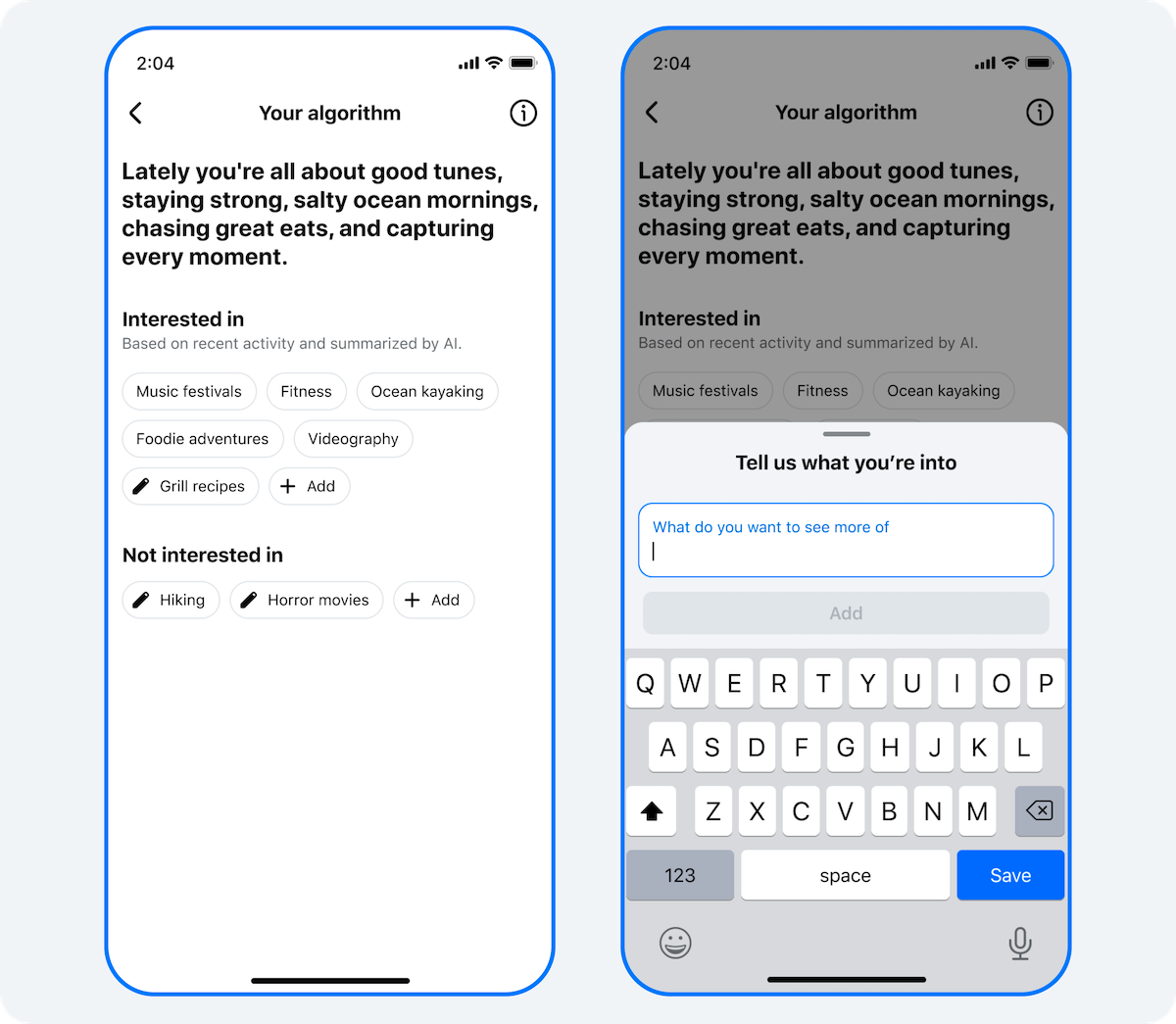
Facebook, a cornerstone of Meta Platforms’ expansive digital empire, has officially launched "Your Algorithm," a sophisticated AI-powered feature designed to grant users significantly enhanced control over the content displayed in their Feeds and Reels. This pivotal rollout, announced on Tuesday, October 13, 2026, marks a substantial evolution in how the platform manages content discovery, moving away from a purely automated recommendation system to one that actively incorporates direct, natural language feedback from its vast user base. The initiative positions Facebook as the latest, and arguably most impactful, social media platform to embrace a user-centric approach to algorithmic governance, a trend that has been gaining considerable momentum across the digital landscape in recent years.
The Evolution of Algorithmic Control: A Paradigm Shift in Social Media
For years, social media users have grappled with the often-opaque nature of algorithms that dictate their online experiences. These complex computational systems, designed to maximize engagement by predicting user preferences, have frequently been criticized for creating "filter bubbles," amplifying misinformation, and fostering echo chambers. The inherent lack of transparency in these "black box" algorithms has fueled a growing demand for greater user agency, prompting platforms to re-evaluate their content delivery mechanisms. "Your Algorithm" represents Meta’s direct response to this demand, signifying a deliberate shift towards empowering individuals with the tools to shape their own digital environments.
The feature, initially piloted on Instagram and then Threads, leverages advanced artificial intelligence and natural language processing (NLP) capabilities. Instead of merely reacting to implicit signals like likes, shares, and watch times, Facebook users can now explicitly articulate their content preferences. This means describing in their own words the topics, themes, and types of content they wish to see more or less of. For instance, a user might type, "Show me more posts about sustainable living and independent film, but fewer about celebrity gossip and extreme sports." The AI is designed to interpret these nuanced instructions and adjust the user’s feed recommendations in real-time, offering an unprecedented level of personalization.
Meta’s move is not an isolated event but rather the culmination of a strategic initiative to recalibrate the relationship between users and algorithms across its entire family of applications. This broader effort reflects a recognition that user satisfaction and trust are inextricably linked to a sense of control over one’s digital experience. As digital consumption continues to soar, particularly with the proliferation of short-form video content and immersive experiences, the ability to tailor one’s feed becomes paramount to maintaining a positive and engaging online journey.
A Chronology of Empowerment: Meta’s Algorithmic Journey
The introduction of "Your Algorithm" on Facebook is the latest milestone in a carefully orchestrated, multi-platform rollout by Meta, demonstrating a systematic approach to enhancing user control. The journey began in late 2025, when Meta first unveiled a version of "Your Algorithm" specifically for Reels on Instagram. This initial deployment served as a crucial testing ground, allowing the company to gather vital user feedback and refine the underlying AI models.
Building on the success and learnings from the Reels implementation, Instagram extended the "Your Algorithm" feature in June 2026. This expansion brought the customizable algorithmic control to Instagram’s main Feed and Explore sections, giving users comprehensive power over nearly all content discovery surfaces on the platform. The move was met with generally positive reception, with early data indicating an uptick in user satisfaction metrics and a reduction in reports of irrelevant or unwanted content.
Following Instagram’s lead, Meta’s text-based social platform, Threads, introduced its own iteration of the feature in February 2026. Dubbed "Dear Algo," this variant offered Threads users a similar capability to influence their content recommendations through direct textual input, reinforcing Meta’s commitment to consistent user empowerment across its diverse product portfolio. The phased rollout across these platforms allowed Meta to incrementally test, optimize, and scale the complex AI infrastructure required to support such a dynamic and responsive algorithmic system.
The October 2026 launch on Facebook, the largest of Meta’s social networks with billions of users worldwide, represents the most significant deployment of this technology to date. Its integration into Facebook’s Feed and Reels signifies a full embrace of user-driven algorithmic personalization as a core tenet of the platform’s future. This methodical, chronological approach underscores Meta’s strategic intent to gradually transform the user experience across its entire ecosystem, setting a new industry standard for algorithmic transparency and control.
User Interaction and Enhanced Customization
Beyond the natural language input, Facebook has also refined existing user interface elements to streamline content preference management. The ubiquitous three-dot menu, present on individual posts within the Feed, has been updated to offer more direct access to algorithmic controls. Users can now easily navigate to the "Your Algorithm" interface from this menu or quickly select "Interested" or "Not Interested" options. These immediate feedback mechanisms provide granular control, allowing users to fine-tune their preferences on a post-by-post basis.

Crucially, Meta has designed the system to be interactive. When a user indicates disinterest in a particular piece of content, the platform may engage with follow-up questions. For instance, if a user marks a post about a specific hobby as "Not Interested," Facebook might prompt, "What specifically about this content did you dislike? Was it the topic, the format, or the creator?" This conversational approach allows the AI to gather richer, more contextual data, leading to more precise and effective adjustments in future recommendations. This iterative feedback loop ensures that the algorithm continuously learns and adapts to evolving user tastes, creating a truly dynamic and personalized content stream. The goal is to move beyond simplistic binary feedback to understand the underlying nuances of user preferences, thereby enhancing the overall quality and relevance of the content presented.
Driving Forces: Data, Demand, and Regulation
The impetus behind Meta’s "Your Algorithm" initiative is multi-faceted, stemming from a confluence of user demand, internal data insights, and an increasingly stringent regulatory environment. Studies conducted by independent research firms and Meta’s internal analytics teams in late 2025 revealed a significant trend: over 70% of social media users across various demographics expressed a strong desire for more direct control over the content presented in their feeds. This sentiment was particularly pronounced among younger users, who are more attuned to personalized digital experiences found on streaming services and gaming platforms.
Internal Meta data from the early Instagram and Threads deployments of "Your Algorithm" further validated this demand. Pilot programs showed a measurable increase in user satisfaction scores, with some reports indicating a 15-20% reduction in user complaints related to irrelevant or negative content exposure. Furthermore, preliminary engagement metrics suggested that users who actively utilized the customization features spent more quality time on the platforms, indicating a healthier and more sustained interaction model. These data points provided compelling evidence for the broader rollout on Facebook.
The regulatory landscape has also played a crucial role. Governments worldwide have intensified scrutiny over algorithmic transparency and accountability. Legislation such as the European Union’s Digital Services Act (DSA), which came into full effect in 2024, mandates greater transparency from large online platforms regarding their recommendation systems and offers users more choice in how content is presented. While the DSA primarily targets platforms operating within the EU, its influence has created a global ripple effect, pushing technology companies to adopt more user-friendly and transparent algorithmic practices to avoid potential legislative mandates in other jurisdictions, including ongoing discussions in the United States and Asia. Meta’s proactive embrace of user-controlled algorithms can be seen as a strategic measure to align with, and potentially preempt, future regulatory requirements, positioning the company as a leader in responsible AI implementation.
Statements and Reactions: A Glimpse into the Future of Social Media
Mark Zuckerberg, CEO of Meta Platforms, commented on the significance of the rollout during a virtual press conference. "We believe that empowering people with more control over their AI-powered experiences is fundamental to building a more open and enjoyable metaverse," Zuckerberg stated. "Your Algorithm on Facebook is a crucial step in this direction, enabling users to truly personalize their digital worlds, ensuring the content they see is not just engaging, but also relevant and enriching to their individual lives."
Echoing this sentiment, Dr. Lena Sharma, Meta’s Head of AI Product Development, highlighted the technological advancements. "This feature is a testament to years of research in natural language understanding and adaptive AI systems," Dr. Sharma explained. "It’s about moving beyond simple keyword matching to genuinely comprehending the nuances of user intent. Our goal is to create an intuitive, conversational interface where users feel heard and understood by the algorithm, transforming it from a ‘black box’ into a collaborative tool."
User advocacy groups, while cautiously optimistic, largely welcomed the development. "This is a significant stride towards algorithmic transparency and user autonomy," stated Eleanor Vance, Director of the Digital Rights Coalition. "For too long, users have been passive recipients of algorithmic decisions. While ‘Your Algorithm’ is a commendable step, we emphasize the continued need for broader systemic transparency, clear data governance policies, and robust safeguards against potential manipulation or misuse. True algorithmic accountability will require ongoing vigilance and collaboration between platforms, users, and regulators."
Industry analysts also weighed in on the implications. "Meta’s strategic investment in user-controlled algorithms positions them favorably in an increasingly competitive social media landscape," observed David Chen, a principal analyst at Tech Insights Group. "As user attention becomes the scarcest commodity, platforms that offer genuine agency and personalized experiences are likely to see higher retention rates and stronger brand loyalty. This move by Facebook could set a new benchmark, compelling other platforms to follow suit or risk losing mindshare."
Broader Impact and Implications for the Digital Ecosystem
The launch of "Your Algorithm" on Facebook carries profound implications, not just for Meta, but for the entire digital ecosystem.
- Enhanced User Experience and Well-being: By allowing users to curate their feeds, the feature has the potential to significantly improve the overall user experience, reducing exposure to unwanted content, mitigating the effects of echo chambers, and potentially fostering a more positive and less polarizing online environment. This could lead to increased user satisfaction and a healthier relationship with social media.
- Impact on Content Creators: Content creators may need to adapt their strategies. While high-quality, relevant content will always be valued, the ability for users to explicitly state preferences could mean that creators need to be even more attuned to audience desires and niche interests. It could also democratize discovery, allowing smaller creators whose content aligns with specific user preferences to gain visibility.
- Advertising and Monetization: A more engaged and satisfied user base, interacting with highly relevant content, could translate into more effective advertising. If users are genuinely interested in the content they see, they might be more receptive to advertisements that are contextually aligned with their stated preferences. However, it also presents challenges, as advertisers might need to re-evaluate targeting strategies if users opt out of certain data collection or content categories.
- Competitive Landscape: This initiative could spark a new wave of innovation across the social media industry. Competitors will likely feel pressure to introduce similar features, leading to a broader industry trend of empowering users with algorithmic control. This could foster a healthier competitive environment focused on user value rather than simply maximizing passive engagement.
- Regulatory Compliance and Trust: By proactively addressing concerns about algorithmic transparency and control, Meta enhances its standing with regulators globally. This forward-thinking approach could help build greater public trust in AI-driven systems and demonstrate a commitment to responsible technological development. It could also serve as a blueprint for other tech giants navigating similar regulatory pressures.
- The Future of Personalization: "Your Algorithm" marks a significant step towards a future where digital platforms are truly adaptable to individual needs and preferences. It suggests a future where AI acts less as a gatekeeper and more as a personal assistant, curating information and experiences in ways that are deeply aligned with personal values and interests. This paradigm shift could extend beyond social media, influencing how we interact with news, entertainment, and even educational platforms.
In conclusion, Facebook’s "Your Algorithm" is more than just a new feature; it represents a fundamental philosophical shift in how Meta views the relationship between its users and its powerful AI systems. By placing unprecedented control directly into the hands of users, Meta is not only responding to current demands but also shaping the future trajectory of social media, moving towards a more transparent, personalized, and potentially more harmonious digital experience for billions worldwide. The coming months will reveal the full extent of its impact, but the message is clear: the era of user-controlled algorithms has truly arrived.

