
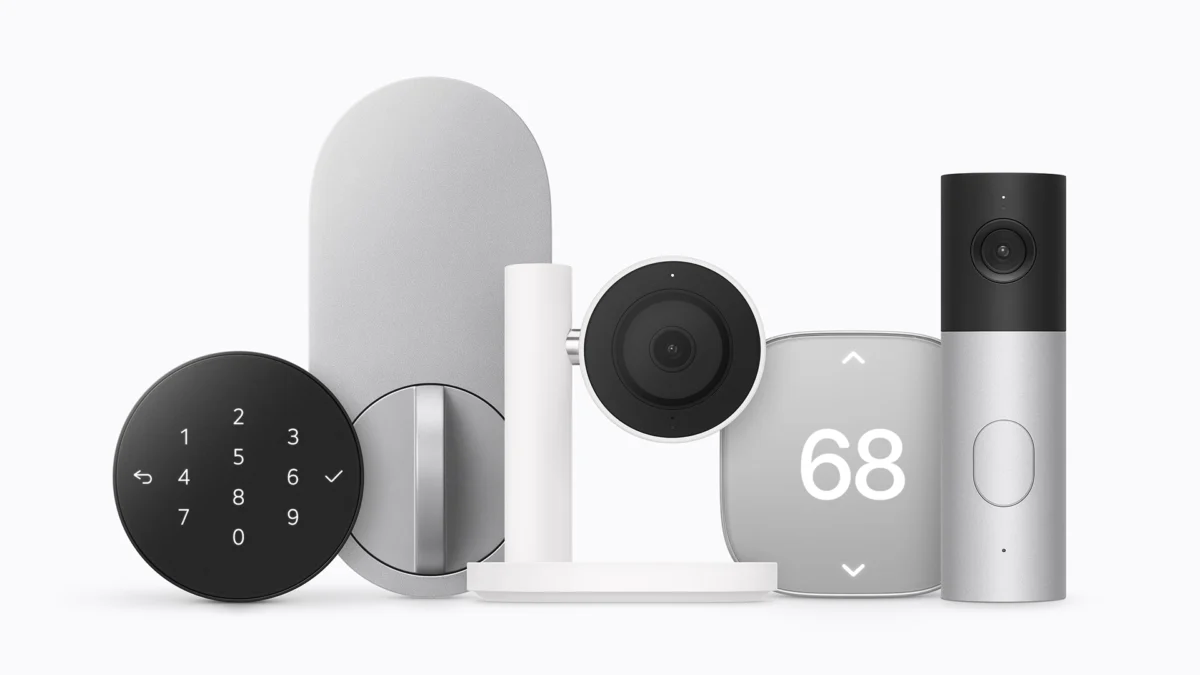
Leaked code within iOS has unveiled a groundbreaking new feature, tentatively named "Proximity Control," that promises to deeply integrate Apple’s smart home accessories, developed in partnership with LG, directly into the iPhone’s Dynamic Island. This innovative system, detailed through code references and further elaborated by leakers, suggests a seamless and intuitive user experience for managing smart home devices, moving beyond traditional app-based controls and NFC tag scanning. The revelation hints at a significant evolution in Apple’s strategy for its burgeoning smart home offerings, aiming to provide a more fluid and accessible interaction for users.
The genesis of this discovery can be traced back to early this week when researcher Aaron Perris first identified code snippets referencing the ability of iPhones to display controls for nearby smart home accessories within the Dynamic Island. While these initial findings were broad and did not specify product lines, they laid the groundwork for subsequent revelations. The crucial next step came from leaker pdfu, who, via a post on X (formerly Twitter), directly linked this "Proximity Control" feature to a suite of "second-party" smart home accessories that Apple has reportedly co-developed with LG Electronics. This collaboration signifies a strategic move by Apple to leverage external expertise while maintaining a significant degree of control over the user experience and hardware integration.
Unpacking the Mechanics of Proximity Control
At its core, Proximity Control is designed to offer an almost instantaneous way to interact with smart home devices. When an iPhone comes into close proximity with one of these LG-manufactured accessories, or is tapped against it, a notification will dynamically expand from the Dynamic Island. The content of this notification is context-aware, adapting to the specific type of device it is interacting with. This intelligent display aims to present the most relevant controls and information without requiring the user to navigate through the Home application.
For instance, a smart thermostat, upon detection, would likely present an "Open Controls" button directly within the Dynamic Island notification. This would allow for immediate adjustments to temperature settings. In a more advanced application, security cameras and video doorbells would bypass the need to open the Home app entirely. Instead, a live camera feed would be displayed directly within the Dynamic Island, offering an immediate visual confirmation and potentially quick access to recording or communication features. This level of direct integration is a significant departure from current smart home interaction paradigms, which often involve launching an app, selecting a device, and then adjusting settings.
The Proximity Control system also extends to the initial setup process, a notoriously complex area for many smart home ecosystems. Instead of relying on the often finicky process of scanning QR codes or manually entering network details, users would be able to initiate pairing by simply tapping their iPhone against the accessory. This physical interaction, facilitated by embedded NFC technology, would trigger the identification and setup sequence. Each accessory is reported to store an "apple-deviceid" value within its Matter payload on an NFC tag. This identifier allows iOS to precisely recognize the specific product the moment physical contact is made between the iPhone and the accessory.
Complementing the NFC functionality, these accessories also broadcast a Bluetooth Low Energy (BLE) signal. This BLE signal is the primary enabler of Apple’s Proximity Control, allowing the iPhone to detect the presence of nearby devices even without a direct physical tap. This dual-technology approach—NFC for tactile initiation and BLE for passive detection—suggests a robust and versatile system designed for ease of use and immediate responsiveness. It is important to note that, as with all features discovered in iOS code, the implementation and availability of Proximity Control are subject to change before any public release. Users are expected to have the option to disable this feature within the Home app, providing a layer of user control over proximity-based interactions.
The Strategic LG Partnership and Anticipated Launch
The Proximity Control feature appears to be exclusively tied to this new range of "second-party" smart home accessories co-developed with LG. This exclusivity grants these LG-made products a unique and deeply integrated level of functionality within the Apple ecosystem, a level that standard HomeKit and Matter-certified accessories from other manufacturers currently do not possess. This strategic partnership allows Apple to offer a more curated and cohesive smart home experience without the immense undertaking of designing and manufacturing every device in-house.
The collaboration between Apple and LG for these smart home products was first reported by Bloomberg earlier this month. The scope of this partnership is substantial, with plans reportedly encompassing a wide array of devices. These include a smart thermostat, a deadbolt lock, both indoor and outdoor security cameras, and a floodlight camera. Further evidence of this collaboration has emerged through leaked images that showcase a video doorbell. This comprehensive product line suggests Apple’s ambition to establish a significant foothold across various smart home categories.
This "second-party" approach positions these LG-developed devices in a unique space within Apple’s smart home strategy. They sit above Apple’s own hardware, such as the HomePod and Apple TV, which act as central hubs and controllers, and below the broader ecosystem of third-party HomeKit and Matter accessories. This middle ground allows Apple to exert greater control over the user experience and integration without taking on the full burden of product development for every category. It offers a balanced approach to expanding its smart home presence.
Apple is anticipated to officially unveil this new range of accessories at its upcoming "Welcome home" event, scheduled for October 13th. However, Bloomberg’s reporting suggests that these products will not be available for purchase immediately following the announcement. Instead, they are expected to go on sale "for at least a few more months," indicating a phased rollout and potentially a Q1 2025 launch window for widespread availability. This staggered release strategy is not uncommon for Apple, allowing for a controlled introduction and marketing push.
As of the current reporting, neither Apple nor LG has provided official confirmation regarding pricing, specific regional availability, or a definitive release date for these new smart home accessories. Consequently, details pertaining to availability in specific markets, such as the UK, remain speculative until a formal announcement is made by both companies. The anticipation surrounding these products is palpable, fueled by the promise of enhanced iPhone integration and Apple’s continued investment in the smart home sector.
Broader Implications for the Smart Home Landscape
The introduction of Proximity Control and the LG-backed accessory line carries significant implications for the broader smart home market. Firstly, it sets a new benchmark for device interaction. The seamless integration with the Dynamic Island, offering immediate control and information without the need to open dedicated apps, could redefine user expectations for convenience and accessibility in smart home management. This could put pressure on other manufacturers to develop similar deep-level integrations with iOS, potentially leading to a more standardized and user-friendly smart home experience across different brands.
Secondly, Apple’s strategic partnership with LG highlights a potential shift in its approach to hardware development. By collaborating with established manufacturers, Apple can expedite its product roadmap and expand its offerings more rapidly. This model allows for a balance between Apple’s design philosophy and integration capabilities with the manufacturing prowess and specialized expertise of partners like LG. This could pave the way for future collaborations with other industry leaders in different product categories.
The emphasis on NFC and BLE for seamless setup and control also underscores Apple’s commitment to the Matter standard. By building these advanced integration features on top of Matter, Apple is reinforcing the importance of interoperability while simultaneously demonstrating how proprietary features can enhance the user experience within a standardized framework. This could encourage wider adoption of Matter among consumers and developers alike, as they see the tangible benefits of such integrations.
The competitive landscape of the smart home is already intense, with players like Amazon, Google, and a multitude of smaller companies vying for consumer attention. Apple’s move, characterized by its unique integration capabilities, could carve out a distinct niche for its ecosystem. The focus on user experience and seamless interaction, a hallmark of Apple’s product philosophy, is likely to resonate with consumers who prioritize simplicity and ease of use.
Furthermore, the potential for Proximity Control to offer direct camera feeds and immediate access to device controls could have implications for home security and convenience. For example, quickly viewing a doorbell camera feed or adjusting a thermostat upon arrival home without fumbling for an app could significantly enhance the perceived value of these devices. The ease of setup through tap-to-pair also addresses a common barrier to entry for many consumers considering smart home adoption.
While the specifics of pricing and exact launch timelines are yet to be confirmed, the leaked details surrounding Proximity Control and the LG-developed smart home accessories paint a compelling picture of Apple’s future smart home strategy. This innovative approach to device interaction, coupled with a strong strategic partnership, positions Apple to make a substantial impact on how users interact with and manage their homes in the coming years. The coming months will be critical in observing how these developments unfold and what formal announcements Apple and LG will make regarding this exciting new chapter in smart home technology.

