
The global corporate landscape is currently witnessing a massive influx of investment into Artificial Intelligence (AI), yet industry experts warn that many organizations are duplicating the same structural errors that plagued the digital transformation era of a decade ago. As companies rush to integrate generative AI and automated systems into their daily operations, the focus remains disproportionately on technological procurement rather than organizational culture, employee motivation, and psychological safety. This pattern of behavior suggests a systemic failure to learn from the "Digital Adaptation" period of the early 2010s, potentially leading to billions in wasted capital and a disengaged workforce.
The central challenge, according to seasoned digital strategists, is that AI adoption is being treated as an IT deployment rather than a fundamental shift in business philosophy. While executive boards are eager to capitalize on the promised efficiency of AI, the human element—the staff responsible for operating these tools—is frequently sidelined. This disconnect has created a environment where technology is rolled out company-wide, but the practical application and employee buy-in remain dangerously low.
The Human-Centric Deficit in Modern AI Strategy
In 2014, the publication of Digital Adaptation by Paul Boag highlighted a critical flaw in how organizations approached the shift to digital: they prioritized software over people. Ten years later, the same trend is emerging. IT departments are currently deploying tools like Microsoft Copilot Studio and various Large Language Models (LLMs) with minimal regard for user experience or procedural integration.
Historically, during the height of digital transformation, companies invested heavily in Content Management Systems (CMS) and Customer Relationship Management (CRM) platforms. However, because these systems were often difficult to use and lacked clear purpose for the end-user, they failed to deliver the expected Return on Investment (ROI). Current AI rollouts are following this trajectory. Management often assumes that providing a license and a brief generic training session is sufficient for adoption, ignoring the fact that AI represents a cultural shift that requires a complete overhaul of established working practices.
Furthermore, the current climate of AI adoption is shadowed by a factor that was less prevalent in 2014: existential job anxiety. Employees today are not just struggling with new software; they are grappling with the fear that the very tools they are asked to master are designed to replace them. This creates a psychological barrier to adoption that cannot be overcome with technical manuals alone.
A Chronology of Technological Shifts and Organizational Response
To understand the current crisis, it is necessary to examine the timeline of organizational technological adoption over the last two decades:
- The Web 2.0 Era (2004–2010): Organizations focused on establishing a basic online presence. The primary mistake was treating the web as a "brochureware" extension rather than an interactive platform.
- The Digital Transformation Era (2011–2018): Companies attempted to integrate digital across all departments. This period was marked by a high failure rate; research from McKinsey & Company during this time suggested that roughly 70% of digital transformations failed to reach their goals, largely due to employee resistance and lack of management support.
- The Cloud and Mobile Pivot (2015–2021): Shift toward "always-on" connectivity. This era saw the rise of "Shadow IT," where employees used unauthorized tools (like Dropbox or Slack) because official corporate tools were too cumbersome.
- The Generative AI Boom (2022–Present): The release of ChatGPT and subsequent LLMs triggered a race for adoption. Organizations are currently in the "hype phase," mirroring the early mistakes of the 2011–2018 era by focusing on the tool rather than the workflow.
Supporting Data: The Productivity Paradox and Employee Sentiment
Recent data highlights a growing gap between executive expectations and employee reality. While a 2023 Goldman Sachs report estimated that AI could eventually increase global GDP by 7%, the immediate impact on the ground is more complex.
A study by the Upwork Research Institute found that while 96% of C-suite executives expect AI to increase productivity, 77% of employees say the tools have actually decreased their productivity and added to their workload. This "productivity paradox" occurs because employees are expected to maintain their previous output while simultaneously spending time learning, prompting, and fact-checking AI-generated content.
The lack of personal incentive is a major hurdle. In most corporate structures, increased productivity via AI does not result in shorter workdays or higher pay for the individual contributor; instead, it typically results in higher quotas and more work. Without a clear "What’s in it for me?" (WIIFM) proposition, staff have little reason to move beyond superficial use of the technology.
The Training Gap and the Need for Role-Specific Support
One of the most significant lessons from the 2014 digital era was that generic, company-wide training is largely ineffective. In the current AI landscape, a marketing professional requires a vastly different skill set than a software engineer or a human resources manager.
Experts suggest that organizations must move toward "Procedural Knowledge" rebuilding. This involves:
- Role-Specific Workshops: Moving away from "How to use ChatGPT" toward "How to use AI to automate your specific research repository."
- Internal Peer-to-Peer Networks: Encouraging enthusiasts within the company to share "social proof" of how they solved specific problems using AI.
- Time Allocation: Explicitly giving staff "innovation hours" where they are not expected to produce deliverables but are instead encouraged to experiment with AI tools.
The failure to provide this space often leads to a "culture of fear." If an employee is reprimanded for an AI-generated error or for exceeding token limits during a learning phase, they will instinctively retreat to traditional, slower methods that they know are "safe."
Governance vs. Innovation: The Rise of Shadow AI
In an attempt to mitigate risk, many organizations have implemented draconian governance policies. While data security is a legitimate concern, overly restrictive policies are currently driving the rise of "Shadow AI."

When IT departments block access to advanced AI tools or require months of bureaucratic approval for a new plugin, employees do not simply stop using AI. Instead, they use personal accounts on private devices to get their work done. This is a repeat of the "Shadow IT" phenomenon seen a decade ago. The danger here is significant: corporate data is being fed into consumer-grade AI models without any oversight, creating a larger security risk than a more permissive, well-monitored corporate environment would have produced.
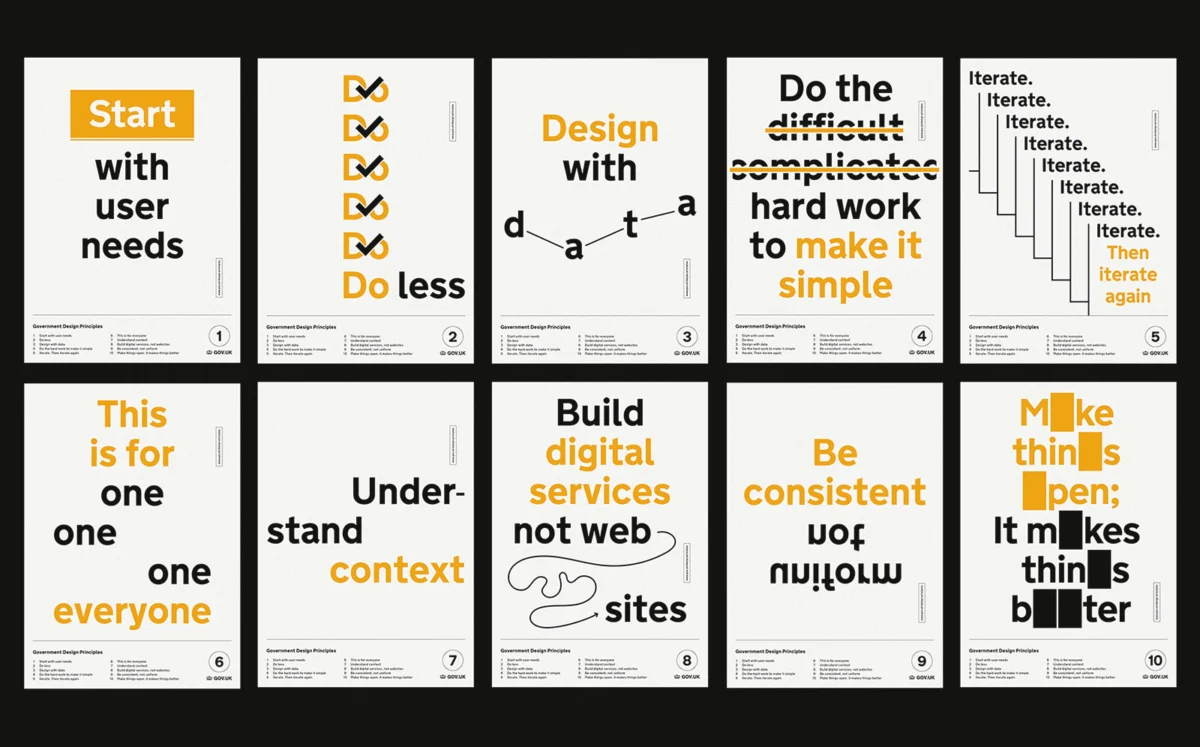
Modern governance should follow the "Design Principles" model established by organizations like GOV.UK. This involves a short set of clear, actionable principles that fit on a single page, emphasizing trust and common sense over hundreds of pages of restrictive documentation.
Official Responses and Industry Analysis
Industry analysts suggest that the organizations successfully navigating this transition are those that treat AI as a change management project. In recent statements, technology consultants have emphasized that the "soft skills" of leadership—empathy, communication, and strategic patience—are more critical to AI success than the technical specs of the LLM being used.
"We are seeing a repeat of the 2014 playbook," notes one senior digital strategist. "Management buys the shiny new tool, expects magic, and blames the staff when the magic doesn’t happen. The companies that win will be the ones that tell their staff: ‘We are giving you this tool to make your life easier, not just to make your output higher, and we will give you the time to fail while you learn it.’"
Broader Impact and Implications for the Future
The long-term implications of failing to adapt are stark. Organizations that continue to treat AI as a purely technological challenge face three primary risks:
- Talent Attrition: Top-tier talent will gravitate toward companies that offer modern, AI-integrated workflows that enhance rather than stifle their creative output.
- Sunk Cost Fallacy: Companies will continue to pour money into enterprise AI licenses that remain underutilized, leading to a eventual "AI winter" within the organization where further innovation is defunded due to perceived lack of ROI.
- Strategic Obsolescence: While a company is mired in bureaucracy and employee resistance, more agile competitors—often smaller startups with a "people-first" AI culture—will be able to outmaneuver them in the market.
To avoid the pitfalls of the past, the path forward requires a fundamental rebalancing. Technology is merely the enabler; the true transformation lies in the ability of an organization to motivate, train, and protect its human capital during a period of unprecedented change. As the lessons of 2014 show, those who ignore the human side of digital evolution are destined to repeat its most costly mistakes.

