
The digital landscape is currently undergoing its most significant architectural transformation since the commercialization of the Graphical User Interface (GUI) in the early 1980s. For over four decades, the primary contract between humans and computers has been defined by point-and-click interactions, a paradigm pioneered by the Xerox Star and later popularized by the Apple Macintosh. However, a new technological epoch is emerging, driven by Large Language Models (LLMs) and generative artificial intelligence, which seeks to replace traditional menus, forms, and buttons with a philosophy known as Intent-Driven Design. This shift moves the focus of user experience (UX) from designing visible interfaces to orchestrating transparent, goal-oriented outcomes.
The Historical Context: From Commands to Clicks to Intent
To understand the magnitude of this shift, one must observe the chronology of human-computer interaction (HCI). In the 1970s, the Command Line Interface (CLI) required users to learn specialized languages to communicate with machines. The 1984 release of the Macintosh democratized computing by introducing the GUI, which translated abstract commands into visual metaphors like folders, trash cans, and buttons. While this made technology accessible, it created a new form of "digital labor."

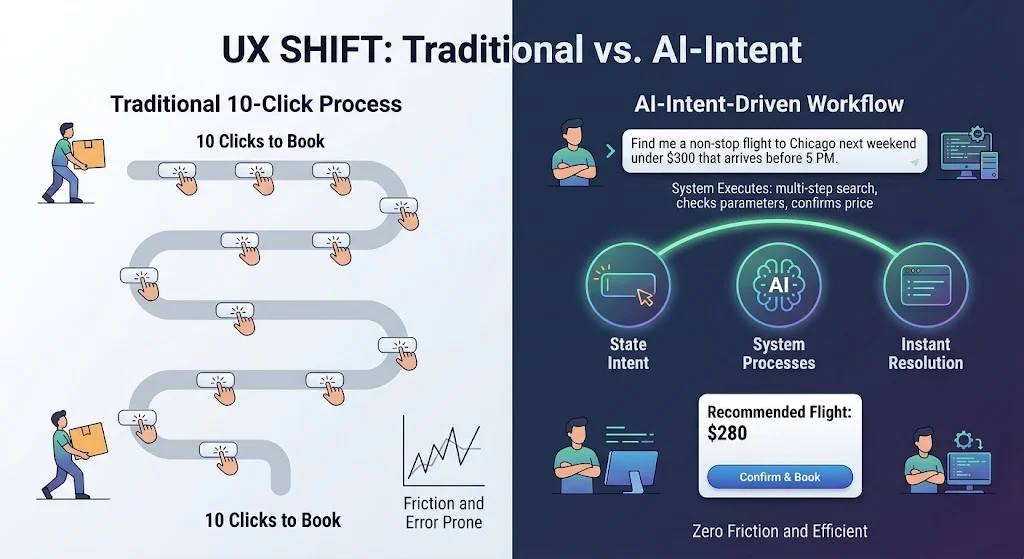
In the modern web environment, this labor has reached a breaking point. Users today are frequently trapped in what designers call "10-click processes." To perform a task as common as booking a flight, a user must navigate a labyrinth of date pickers, range sliders, multi-step forms, and cookie consent banners, often while managing dozens of browser tabs to cross-reference information. Data from industry analysts suggests that the average consumer spends more time managing the software’s interface than they do enjoying the service the software provides. Intent-Driven Design aims to collapse these mechanical steps into a single expression of human will.
The Mechanism of Intent-Driven Design
Intent-Driven Design flips the traditional interaction dynamic. In the legacy paradigm, the computer is a passive container of data, and the human is the orchestrator who must manually input every parameter. In the intent-driven model, the software acts as an active agent. Instead of a user clicking through a sales funnel, they express a high-level goal: "Find me a non-stop flight to Chicago next weekend under $300 that arrives before 5 PM."
The software then executes the multi-step search, filters the data, compares options, and presents a final resolution. This approach draws heavily from the principles of Don Norman, a pioneer in human-centered design, and Golden Krishna, whose seminal work, The Best Interface Is No Interface, argued that the ultimate goal of design should be to eliminate the friction of the screen entirely.
Market Leaders and Case Studies in Zero-Interface Innovation
Several platforms are already demonstrating the viability of this "no-interface" future. These examples represent a departure from traditional "directory-style" web services toward "synthesis-style" utilities.
1. Perplexity AI and the Decline of the Search Result Page
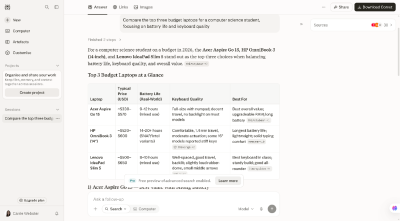
Traditional search engines like Google were built as indices. The user provides a keyword, and the engine provides "ten blue links," leaving the user to open multiple tabs and synthesize the answer themselves. Perplexity AI represents the intent-driven alternative. By capturing the intent behind a query, the platform synthesizes a comprehensive answer from multiple sources, citing them as it goes. This removes the need for the "open-tab-and-skim" workflow that has dominated the web for twenty years. Recent data indicates a growing preference for these "zero-click" answers, particularly among younger demographics who prioritize speed over manual verification.
2. Vercel v0 and the Automation of Development
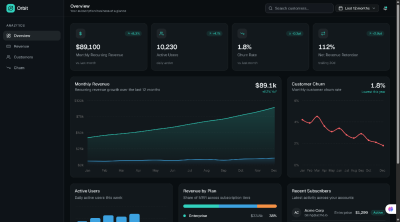
In the world of software engineering and design, the traditional workflow involved manually drawing components in tools like Figma or writing CSS code line by line. Vercel v0 utilizes generative UI to bypass these manual steps. A developer can describe a complex dashboard interface in natural language, and the system generates the functional code and layout dynamically. This shifts the designer’s role from "pixel-pusher" to "intent-validator."
3. Goblin.tools and Cognitive Accessibility
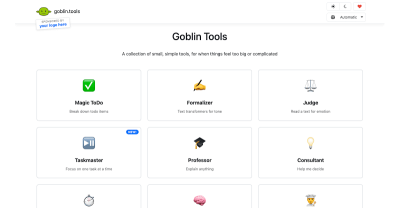
Perhaps the most human-centric application of intent-driven design is found in Goblin.tools, a suite of AI utilities designed for neurodivergent individuals. The platform’s "Magic To-Do" tool takes a high-level, often overwhelming goal—such as "Prepare for a job interview"—and automatically breaks it down into granular, manageable tasks. By removing the executive function burden of planning, the interface serves as a cognitive prosthetic rather than just a digital tool.
The Three Pillars of the New UX Paradigm
The transition to intent-driven systems is built upon three foundational technical pillars that differentiate it from traditional web design.
| Pillar | Traditional UX Approach | Intent-Driven UX Approach |
|---|---|---|
| User Input | Micro-actions (clicks, toggles, dropdowns) | High-level goals (natural language, context) |
| Interface State | Static layouts (fixed navigation and forms) | Generative UI (dynamic, on-the-fly rendering) |
| Task Execution | Manual execution by the human user | Autonomous execution by background AI agents |
1. High-Level Goals and Ambient Context
Modern systems no longer wait for a specific click to understand what a user needs. By leveraging "ambient design," software can interpret device state, location, and historical patterns to anticipate needs. Apple’s Human Interface Guidelines have recently expanded to include "Contextual & Ambient Design," suggesting that the most effective notifications or actions are those that occur without a direct prompt.
2. Generative UI
The concept of the "static website" is becoming obsolete. Through Generative UI, interfaces are rendered in real-time based on the specific intent of the user. If a user asks a financial app to "compare my spending this month to last July," the app should not just show a standard table; it should generate a custom visualization specifically tailored to that comparison, which disappears once the information is consumed.
3. Autonomous AI Agents
The most radical change is the shift from "prevention" to "reversibility." Traditional interfaces are cluttered with "Are you sure?" confirmation modals designed to prevent errors. Intent-driven design, following Jakob Nielsen’s usability heuristics, focuses on easy reversibility. Because AI agents perform actions on behalf of the user, the design prioritizes a prominent "Undo" button and transparent audit logs over intrusive warnings.
Industry Risks and Ethical Implications
Despite the efficiency gains, the move toward invisible interfaces is not without significant risk. Industry experts have identified two primary challenges: the "Illusion of Control" and the "Black Box Problem."
The Illusion of Control
As software becomes more autonomous, there is a risk of it becoming patronizing or invasive. The Stanford Human-Computer Interaction (HCI) Group has warned that automation must maintain clear boundaries. If a system makes a high-stakes decision—such as a financial transaction or a privacy setting change—without explicit confirmation, it erodes user trust. Designers are now tasked with determining the "threshold of friction": knowing exactly when to automate and when to force a manual interaction.
The Black Box Problem
In a traditional UI, a user can see why a task failed (e.g., they clicked the wrong checkbox). In an intent-driven system, the logic is often hidden within an LLM’s weights. To combat this, the Google PAIR (People + AI Research) Guidebook advocates for "transparent feedback loops." Systems must explicitly state their interpretation of a user’s intent—for example, "I am searching for non-stop flights because you mentioned a tight schedule"—allowing the user to correct the machine’s assumptions immediately.
The Evolution of the UX Design Career
The professional implications for the design industry are profound. For decades, a UX designer’s value was measured by their ability to create beautiful, intuitive visual components. In the era of intent-driven design, the focus is shifting toward "system orchestration."
Instead of designing static buttons, the next generation of designers will focus on mapping intent flows, defining the personality and constraints of AI agents, and ensuring that generative interfaces remain accessible and ethical. The Center for Humane Technology has emphasized that as interfaces disappear, the responsibility of the designer increases; they must ensure that the "invisible" choices the software makes are in the best interest of the user, rather than optimized for platform engagement metrics.
Conclusion: The Metric of Success is Disappearance
For the past twenty years, the success of a digital product has been measured by engagement: time spent in-app, click-through rates, and page views. These metrics incentivized designers to build more interface, more notifications, and more friction.
The philosophy of Intent-Driven Design suggests a reversal of these values. The ultimate test of a modern digital tool is no longer how visually captivating its buttons are, but how effectively it solves a problem and gets out of the user’s way. As we move toward a web of seamless, invisible completion, the industry is reaching a consensus: the best interface is not a better button, but no button at all. The future of the web is not more interaction—it is the quiet, efficient fulfillment of human intent.

