
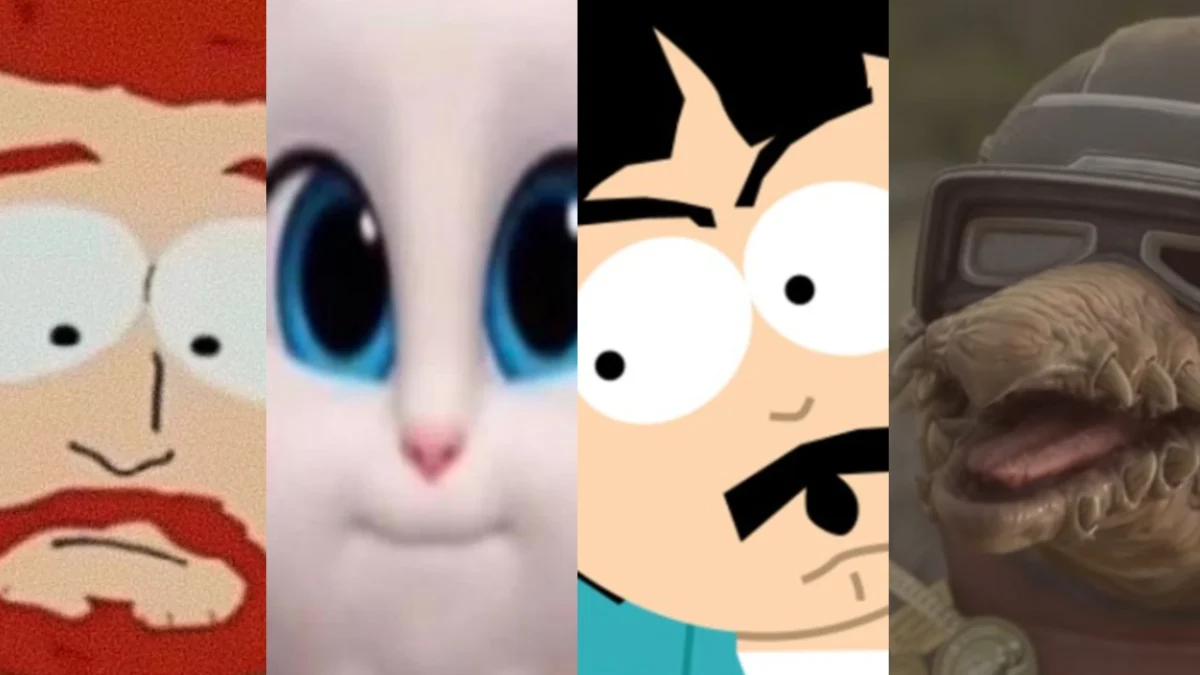
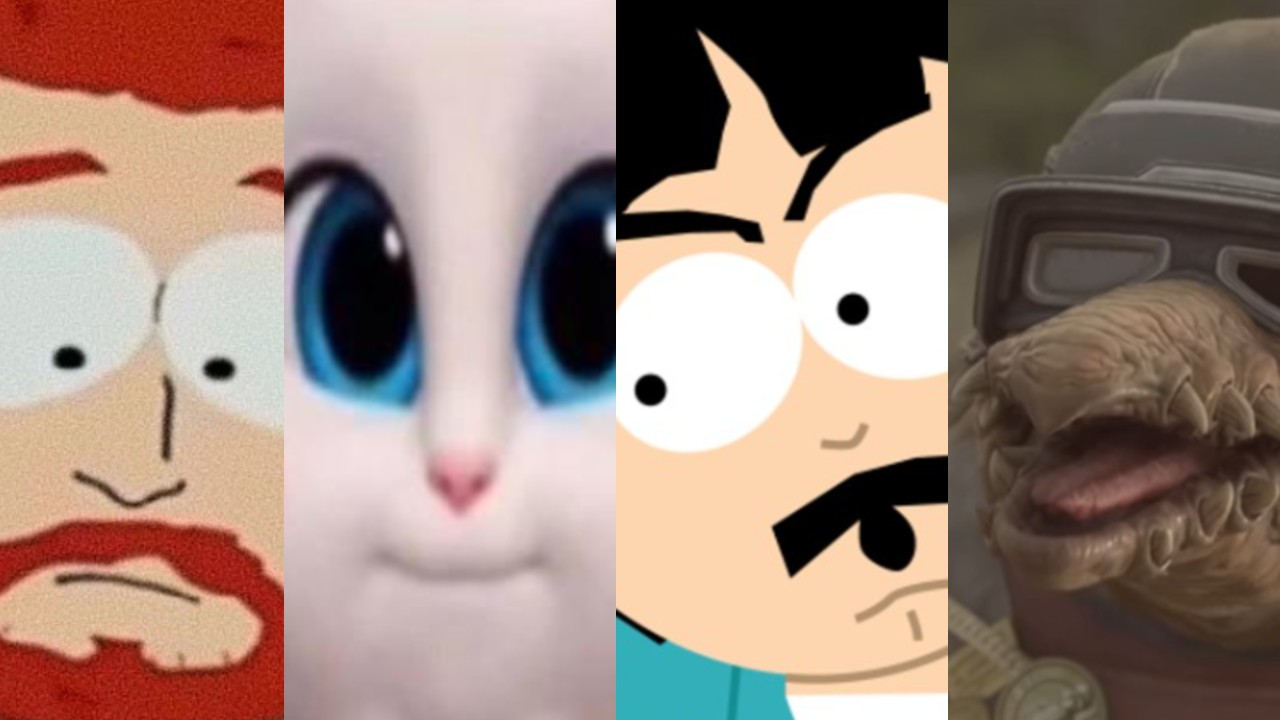
The digital landscape in the first week of October 2026 has been characterized by a unique confluence of legacy media resurgence, niche gaming fandom, and the continued evolution of absurdist humor. Data from major social media platforms, including TikTok, X (formerly Twitter), and Instagram Reels, indicate that five specific trends have dominated user engagement, collectively amassing hundreds of millions of views and reshaping the cultural zeitgeist for the autumn season. From the unexpected stardom of a Star Wars racing character to the dual-pronged revival of South Park iconography, the current meme cycle reflects a sophisticated interplay between nostalgia and modern remix culture.
The Star Wars: Galactic Racer Phenomenon and the Rise of Biddy Blas
The release of Star Wars: Galactic Racer has provided the gaming community with more than just high-speed entertainment; it has birthed a new cultural icon in the form of Biddy Blas. A member of the Crocin species, Biddy Blas has transcended his role as a secondary racing antagonist to become a symbol of high-energy confidence. The character’s popularity is rooted in his signature catchphrase, "Scrib doon," a phonetic rendering of the Crocin-accented English for "write it down."
Digital analysts note that the meme’s trajectory began in late September 2026 when early-access players began sharing clips of pre-race interactions. The vocal performance of the character, characterized by an enthusiastic and guttural delivery, struck a chord with users on TikTok. The "Scrib doon" phrase has since been adopted as a universal shorthand for acknowledging a superior performance or "taking notes" on an opponent’s failure.
Within the broader Star Wars fandom, Biddy Blas has been categorized as a "Glup Shitto"—a term originating in 2020 to describe obscure background characters that receive disproportionate fan adoration. According to engagement metrics from specialized fan forums, mentions of Biddy Blas have increased by 450% over the last seven days, surpassing even the main protagonists of the game in terms of social media mentions. The trend highlights a growing consumer preference for eccentric, well-voiced secondary characters over traditional lead figures in triple-A gaming titles.
South Park and the Dual Cycles of Confrontation and Nostalgia
The animated series South Park has maintained a significant presence in the meme economy for decades, but the week of October 2026 saw a rare double-peak in its relevance. Two distinct formats, focusing on Randy Marsh and Kyle Broflovski respectively, have dominated different segments of the short-form video market.
The "What’s Up Brah" Confrontation Trend
The first of these trends, "Randy Marsh vs.," utilizes a cutout of the character Randy Marsh in a combative stance from the 2011 episode "Broadway Bro Down." While the image first saw meme usage in 2012—famously depicted squaring off against the Batman villain Bane—its 2026 iteration has been adapted for the TikTok era. Users are now pairing the audio of Randy repeatedly saying "What’s up brah" with images of various powerful figures from pop culture and history.
The trend functions as a form of "powerscaling" satire, where the middle-aged, often inept Randy is positioned as a formidable threat to god-like entities such as Omni-Man or Minecraft’s Steve. Data suggests this format appeals to Gen Z and Gen Alpha audiences who enjoy the juxtaposition of mundane suburban frustration with epic cinematic stakes.
The Kyle Broflovski Nostalgia Cycle
Simultaneously, a more somber trend has emerged featuring an adult version of Kyle Broflovski from the South Park: Post Covid special. The image depicts Kyle looking longingly at a photograph of his childhood friends, usually paired with a screen recording of a Google search showing the "origin date" of a famous internet event.
This meme targets the "compressed nostalgia" of the digital age. By highlighting that events like the "TikTok Rizz Party" or the "Vexbolts mass unfollowing" occurred years ago, the meme induces a sense of "internet aging" among viewers. Sociologists studying digital trends suggest this reflects a broader societal anxiety regarding the speed of information consumption, where events from only 24 to 36 months ago are already treated as distant, "golden age" memories.
The Aesthetic of Relatability: Fat Talking Tom and Angela
The "Talking Tom and Friends" franchise, originally a series of mobile apps by Outfit7, has seen a resurgence on X through a series of edited images. These edits depict the primary characters, Tom and Angela, as significantly overweight. Unlike the high-octane or nostalgic memes of the week, the "Fat Talking Tom and Angela" trend is rooted in mundane relatability and self-deprecating humor.
The trend’s chronology can be traced to a viral post by user @trsakimf, who utilized an image of a heavier Angela to joke about the perpetual delay of a personal diet. The imagery has since evolved into a versatile tool for "reaction posting." Common themes include:
- The immediate regret after consuming fast food.
- The "couple goals" aesthetic, where users set the two characters as matching profile pictures to signify a shared state of laziness or indulgence.
- The use of AI-enhanced versions of these images to convey specific emotions, such as an "angry" version used when service workers forget condiments in a delivery order.
Market research indicates that legacy mobile IP often finds a second life in meme culture when its pristine, corporate aesthetic is subverted or made "ugly." By distorting the characters into more "human" and flawed versions of themselves, users find a vehicle for expressing truths about modern sedentary lifestyles that original marketing materials would never acknowledge.
Surrealism and Digital Collage: The "Tra La La SpongeBob" Enigma
Perhaps the most complex meme of the week is "Tra La La SpongeBob," a video that represents the pinnacle of "brainrot" or absurdist digital collage. The video features a distorted animation of SpongeBob SquarePants with an enlarged mouth, singing a repetitive "Tra la la" melody.
The technical composition of this meme is a testament to the layered nature of modern internet culture:
- Visual Source: The animation is derived from a 2020s YouTube video by Calobi Productions, originally depicting a fictional rap battle between SpongeBob and Lincoln Loud.
- Audio Source: The song is a remix of The Banana Splits theme song and the Mickey Mouse Clubhouse theme, a combination popularized by the "Ethan’s Clubhouse" internet subculture.
- Synthesis: Twitter user @osmisanidiot combined these elements in early October 2026, creating a "hypnotic" loop that defies traditional comedic logic.
The "Tra La La" meme has sparked a wave of "hardware memes," where users film the video playing on unconventional devices such as old BlackBerry phones, smart fridges, and oscilloscopes. The broader impact of this trend is the normalization of "sensory overload" content, where the humor is derived not from a punchline, but from the overwhelming and nonsensical nature of the audiovisual stimuli.
Chronology of the Week’s Viral Events
- September 28 – September 30: Star Wars: Galactic Racer enters wide release. Clips of Biddy Blas begin appearing on specialized gaming subreddits.
- October 1: The "Randy Marsh vs." trend hits a critical mass on TikTok, with the "What’s Up Brah" audio clip reaching the "Trending" category.
- October 2: @osmisanidiot posts the "Tra La La SpongeBob" video on X. Within six hours, the post exceeds 100,000 retweets.
- October 3: The Kyle Broflovski nostalgia meme begins appearing on Instagram Reels, specifically targeting late-millennial and early-Gen Z demographics.
- October 4 – October 5: "Fat Talking Tom and Angela" becomes the dominant reaction image format on X for weekend-related humor regarding overeating and relaxation.
Statistical Overview and Demographic Engagement
Data harvested from social listening tools indicates a clear demographic split in this week’s trends. The "Scrib doon" and "Tra La La" memes show the highest engagement among users aged 13–19, a group that prioritizes high-frequency, absurdist content. Conversely, the South Park-related memes have seen the most traction among the 20–34 age bracket, leveraging long-term familiarity with the show’s characters.
In terms of platform-specific performance:
- TikTok: Dominated by the Randy Marsh "What’s Up Brah" audio, with over 1.2 million unique videos created using the soundbite.
- X (Twitter): Dominated by Biddy Blas and Fat Talking Tom, where static images and short loops are the preferred currency of interaction.
- YouTube: Long-form "explainer" videos and 10-hour loops of "Tra La La SpongeBob" have accumulated an estimated 15 million combined views.
Broader Impact and Implications
The viral trends of October 2026 suggest that meme culture is moving toward a state of "infinite remixing." The ability of a decade-old South Park clip to compete with a brand-new Star Wars character and an AI-distorted mobile game icon demonstrates that the age of content is less important than its "editability."
For intellectual property holders like Disney (Star Wars), Paramount (South Park), and Outfit7 (Talking Tom), these trends represent a double-edged sword. While the memes provide massive "organic" marketing and keep the IPs relevant, the often-distorted or "gross-out" nature of the memes (such as the Fat Tom edits or the distorted SpongeBob) bypasses traditional brand safety guidelines.
As we move further into the final quarter of 2026, the dominance of these five memes underscores a digital environment where the audience, rather than the creator, dictates the narrative of a character. Whether it is "Scrib doon" or "What’s up brah," the message is clear: in the modern attention economy, the most successful content is that which can be broken down, rebuilt, and shouted back at the world in a new, distorted voice.

