

The seemingly humble origins of pickleball, a sport that has rapidly surged in popularity, offer a surprising wealth of strategic insights applicable to the dynamic world of blogging. From its grassroots beginnings to its current status as a global phenomenon, pickleball provides a compelling analogy for the journey of online content creation, highlighting lessons in growth, community building, and strategic execution. This analysis delves into the core principles of pickleball and draws direct parallels to the challenges and opportunities faced by bloggers, demonstrating how embracing the sport’s ethos can foster a more engaging and successful online presence.
Pickleball, a paddle sport that ingeniously blends elements of tennis, badminton, and table tennis, has experienced an exponential rise in participation. The sport, characterized by its accessible rules and relatively small court size, appeals to a broad demographic, transcending age and athletic ability. Its unique blend of social interaction and light physical activity has fostered vibrant communities, with dedicated courts and organized leagues proliferating across the globe. This widespread adoption is not merely a trend but a testament to the sport’s inherent appeal and its ability to foster connection and enjoyment.
For bloggers, the parallels are striking. The journey from a nascent idea to a thriving online platform often mirrors the incremental yet impactful growth of pickleball. The sport’s evolution from a backyard pastime to an international sensation serves as a powerful reminder that even the most ambitious endeavors begin with a single, deliberate action. This principle of starting small and cultivating growth is fundamental to building a sustainable and impactful blog.
From Backyard Game to Global Phenomenon: A Chronology of Growth
The genesis of pickleball can be traced back to the summer of 1965 on Bainbridge Island, Washington. Joel Pritchard, along with friends Barney McCallum and Bill Bell, are credited with inventing the game. Initially conceived as a way to entertain their children, the trio developed a rudimentary set of rules and utilized makeshift equipment, including a perforated plastic ball and wooden paddles. The game’s simplicity and engaging nature quickly attracted local interest.
By the 1970s, pickleball had gained a foothold beyond Bainbridge Island, with clubs and tournaments beginning to emerge. The establishment of the United States Pickleball Association (USPA) in 1984 marked a significant step in formalizing the sport and promoting its growth. The subsequent decades witnessed a steady increase in participation, driven by its low barrier to entry and its inherent social appeal.
The 21st century has seen an unprecedented surge in pickleball’s popularity. Factors contributing to this include increased media coverage, the development of professional leagues, and the accessibility of information and resources online, making it easier for new players to learn and engage with the sport. As of recent estimates, the sport boasts millions of active players in the United States alone, with a significant and growing international presence. This rapid expansion, from a handful of enthusiasts to a global community, offers a potent case study for bloggers aiming to scale their own online ventures.
The Power of Community: Rallying Your Audience
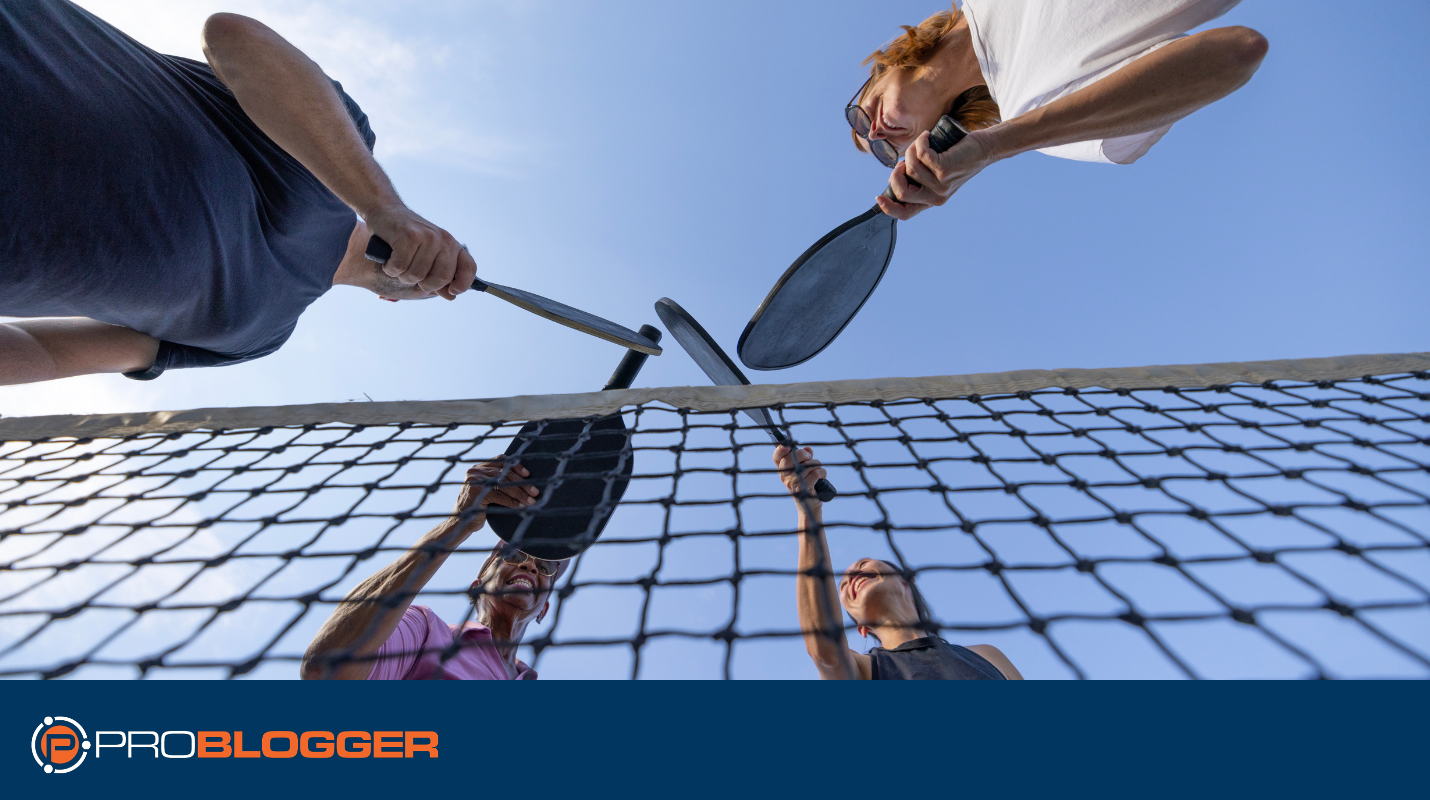
In pickleball, the dynamic of a rally—where players continuously hit the ball back and forth—is central to the game’s enjoyment and strategic depth. This sustained exchange fosters a sense of connection and shared experience between participants. For bloggers, this translates directly to the importance of building and nurturing a community around their content.
Actively engaging with readers, responding to comments, and participating in discussions on social media platforms are akin to keeping the rally going. When bloggers foster a dialogue, they transform passive readers into active participants. This engagement not only strengthens the reader’s connection to the blog but also provides valuable feedback and insights that can inform future content strategy. The longer and more robust the "rally" between a blogger and their audience, the more invested and loyal that community becomes. Data from industry reports consistently shows that blogs with high reader engagement rates experience longer visitor sessions and increased return traffic, underscoring the tangible benefits of community building.
The Strategic "Dink": Mastering the Art of Simplicity
A crucial element of pickleball strategy is the "dink," a soft, controlled shot played with the intention of placing the ball in a difficult-to-reach area of the opponent’s court, often forcing a weaker return. This technique emphasizes precision, strategy, and a nuanced understanding of the game’s flow over brute force.
For bloggers, the concept of "dinking" translates to the power of simplicity and clarity in content creation. In an era of information overload, the ability to distill complex ideas into easily digestible and engaging formats is paramount. Bloggers who can "dink" their message—presenting information in a clear, concise, and accessible manner—are more likely to capture and retain their audience’s attention. This involves avoiding jargon, employing clean design, and structuring content for optimal readability. The effectiveness of a simple, well-executed idea often surpasses that of overly complicated or dense prose. This principle aligns with user experience best practices, where ease of navigation and comprehension are key drivers of reader satisfaction.
Finding Your "Sweet Spot": Strategic Positioning and Engagement
The "kitchen," or non-volley zone, in pickleball is a critical area near the net where players are prohibited from volleying the ball. Mastering play around the kitchen requires strategic positioning and an understanding of the game’s boundaries. For bloggers, this concept of "sweet spot" relates to finding the optimal balance in their content and engagement strategy.
This "sweet spot" is the equilibrium between being too promotional and too distant, too informative and too superficial. It’s about finding that comfortable space where a blogger can engage with their audience authentically, providing value without overwhelming or alienating them. This involves understanding the audience’s needs and expectations and positioning content to meet them precisely. For example, a blogger might strategically intersperse in-depth articles with shorter, more conversational posts, or utilize calls to action that feel natural and non-intrusive. Achieving this balance ensures that engagement flows naturally, much like a well-executed shot in pickleball.
Learning from the "Whiffs": Embracing Iteration and Improvement
Even the most accomplished pickleball players occasionally miss a shot, a miscue often referred to as a "whiff." These moments, while potentially frustrating, are not failures but integral parts of the learning process. Similarly, not every blog post will achieve the desired impact, and this is a natural occurrence in the blogging landscape.
Each underperforming post represents an opportunity for analysis and refinement. Bloggers who embrace the "whiff" mentality approach their work with a growth mindset, dissecting what did not resonate with their audience. Was the topic misaligned? Was the execution lacking? Was the promotion insufficient? By analyzing these "missed shots," bloggers can identify areas for improvement, adjust their strategies, and prepare for their next "serve." This iterative process of creation, analysis, and adaptation is crucial for long-term success. Industry data indicates that blogs that consistently analyze their content performance and make data-driven adjustments see significant improvements in traffic and engagement over time.
Adaptability in a Dynamic Landscape
Pickleball players constantly evolve their strategies, learning new techniques and adapting to different opponents’ playing styles. This adaptability is a hallmark of successful players and is equally vital for bloggers navigating the ever-changing digital environment. The online world is in perpetual flux, with new SEO algorithms, emerging social media platforms, and evolving content consumption trends.
Bloggers must adopt a similar mindset of continuous learning and flexibility. Staying abreast of industry developments, experimenting with new content formats, and being willing to pivot strategies when necessary are essential for maintaining relevance and effectiveness. This might involve incorporating video content, exploring podcasting, or adapting to changes in search engine ranking factors. The ability to adapt is not just about survival; it’s about thriving in a competitive and dynamic marketplace.
Maintaining Focus: Keeping Your Eye on the Ball
In pickleball, a momentary lapse in concentration can lead to a lost point. Likewise, for bloggers, losing focus on the core purpose of their content or the needs of their audience can result in disengagement. This means consistently aligning content with overarching goals and staying attuned to audience feedback.
Maintaining focus involves a commitment to quality, consistency, and relevance. It requires a clear understanding of the blog’s mission and target audience, and a dedication to delivering value that directly addresses their interests and challenges. Regularly seeking feedback, whether through surveys, comments, or analytics, helps bloggers ensure they remain on track and their content continues to resonate. This unwavering focus is the bedrock upon which sustained audience connection is built.
The Serve: Setting the Tone for Success
A well-executed serve in pickleball can immediately put a player in an advantageous position, influencing the subsequent rally. In blogging, the introduction—the "serve"—plays a similarly critical role. A compelling introduction hooks the reader, sets the tone, and entices them to delve deeper into the content.
Bloggers must craft introductions that are engaging, informative, and promise value. This might involve posing a provocative question, sharing a compelling statistic, or weaving a relatable anecdote. The strength of this initial "serve" directly impacts the reader’s willingness to continue the "rally." Following a strong introduction, the body of the blog post must deliver on that promise, providing insightful information or solutions. Finally, a strong closing, perhaps with a clear call to action, reinforces the value delivered and encourages further engagement, much like a decisive final shot in a game.
Strategic Positioning: Standing Out in the Digital Arena
Effective positioning is paramount in pickleball, allowing players to control the court and create opportunities. For bloggers, strategic positioning of their brand and content within the digital landscape is equally crucial. This involves understanding one’s niche, identifying a unique value proposition, and targeting specific audience needs.
A blogger who positions themselves as an authority in a particular area, or who offers a fresh perspective on a common topic, is more likely to attract and retain a dedicated following. This strategic approach involves in-depth market research, understanding competitor landscapes, and clearly articulating what makes their blog distinct. In a crowded online space, strategic positioning acts as a beacon, guiding the target audience towards relevant and valuable content.
Embracing the Joy: The Foundation of Sustainable Blogging
Perhaps the most universally applicable lesson from pickleball is the importance of embracing fun. While competitive spirit is present, the core appeal of pickleball lies in its inherent enjoyment. This principle extends powerfully to blogging.
When bloggers are genuinely passionate about their topics and find joy in the creative process, that enthusiasm is palpable in their writing. This authentic passion is contagious and serves as a powerful magnet for readers. A blog that feels personal, engaging, and enjoyable is far more likely to build a loyal readership than one that feels like a chore. Injecting personality and a sense of playfulness into content can humanize the blogger, foster deeper connections, and ultimately make the blogging journey more rewarding and sustainable.
In conclusion, the sport of pickleball, with its accessible rules and dynamic gameplay, offers a rich tapestry of lessons for the blogging community. From the foundational principles of starting small and building momentum to the nuanced strategies of community engagement, content simplification, and adaptability, the parallels are clear and actionable. By internalizing these lessons, bloggers can not only enhance their content creation and audience engagement strategies but also infuse their work with a sense of purpose, joy, and enduring relevance. The digital landscape, much like a pickleball court, rewards those who are strategic, adaptable, and who never forget the fundamental pleasure of the game.

