
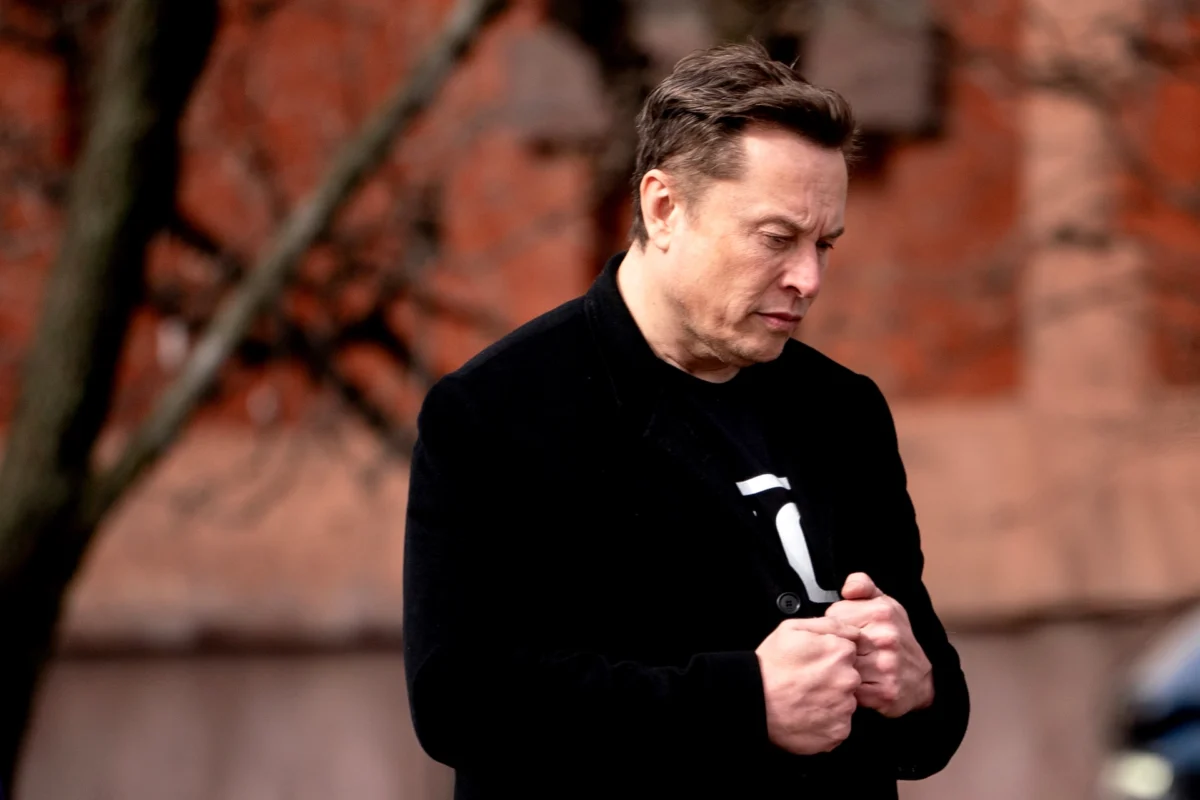
Elon Musk, the prolific entrepreneur behind SpaceX, Tesla, and X (formerly Twitter), announced an ambitious philanthropic endeavor on his social media platform: a commitment to distribute one share of his private space exploration company, SpaceX, to "every kid in America" by 2027. This pledge, if realized, would constitute a gift valued at more than $10 billion, based on the current secondary market share price of $146 for the combined spaceflight and artificial intelligence entity. The proposed donation represents approximately 1% of Musk’s estimated $1 trillion net worth, a figure that places him among the wealthiest individuals globally.
The precise methodology for executing such a monumental distribution remains undefined. Musk indicated in a subsequent post that his intention is to deliver these shares "directly to the public," further stating that this would be the "first of many" such share donations. This novel approach to large-scale giving immediately raises questions about logistics, regulatory compliance, and the practical implications for millions of minor recipients.
The Genesis of a Grand Gesture: A Response to Anthropic
Musk’s declaration did not emerge in a vacuum but rather followed a public exchange on X, initiated by a different technology company’s philanthropic announcement. Just hours before Musk’s pledge, Anthropic, a prominent artificial intelligence research company, revealed its plan to allocate 5% of its shares to a new "public benefit fund" following its anticipated initial public offering (IPO). Anthropic stated its fund would be utilized for "large donations to traditional nonprofits or direct distributions to specific populations."
On a Sunday afternoon, Musk directly engaged with Anthropic’s post on X, offering a contrasting perspective. He suggested that the company should instead consider giving "directly to the public." This interaction foreshadowed his own intentions, as he followed up four hours later with a definitive statement: "This is what I will be doing." The overnight announcement of his SpaceX share donation, therefore, appears to be a direct manifestation of this philosophy, positioning his approach as an alternative model to traditional philanthropic fund structures.
Scale and Scope: Understanding the Financial Commitment
The magnitude of Musk’s proposed gift is substantial. According to data from the Federal Interagency Forum on Child and Family Statistics, there are currently more than 70 million children under the age of 18 residing in the United States. Distributing one share of SpaceX to each of these individuals would necessitate the transfer of over 70 million shares. Given the approximate $146 per share valuation, the total value of this philanthropic act would exceed $10 billion.
Musk’s ownership stake in SpaceX is considerable, providing him with the capacity for such a large-scale donation. Public filings indicate that he holds around 849 million Class A common shares and more than 5.5 billion Class B supervoting shares. These Class B shares afford him significant control over the company’s direction, even if a portion of his Class A holdings were to be distributed. While the $146 share price is typically derived from secondary market transactions among private investors, it provides a benchmark for the company’s robust valuation, which has surged due to its achievements in reusable rocket technology, satellite internet (Starlink), and ambitious plans for lunar and Martian exploration.
Logistical and Regulatory Hurdles: The Path to "Direct Distribution"
The concept of giving shares "directly to the public," particularly to minors, presents a complex array of logistical and regulatory challenges. Unlike publicly traded stocks, shares in a private company like SpaceX are not readily liquid and typically require specialized mechanisms for transfer and ownership.
- Custodial Accounts: For minors to own stock, shares typically must be held in custodial accounts, such as Uniform Gifts to Minors Act (UGMA) or Uniform Transfers to Minors Act (UTMA) accounts. These accounts are managed by an adult custodian (usually a parent or legal guardian) until the child reaches the age of majority. Establishing and managing over 70 million such accounts would be an unprecedented administrative undertaking, requiring significant infrastructure and coordination.
- Identity Verification: A primary challenge would be accurately identifying and verifying the eligibility of every child in America. This would necessitate a robust system for collecting personal information, confirming age and residency, and linking children to their legal guardians, all while adhering to stringent privacy regulations.
- Regulatory Compliance: The Securities and Exchange Commission (SEC) and state securities regulators would likely scrutinize such a large-scale distribution. While SpaceX is a private company, a distribution to millions of individuals could trigger certain public reporting requirements or considerations, particularly if the shares become widely held. Tax implications for both the donor (Musk) and the recipients would also need careful navigation, involving the Internal Revenue Service (IRS) and state tax authorities. Gifting stock can have capital gains tax implications for the donor, and recipients might face tax considerations upon any future sale of the shares.
- The "Trump Accounts" Mechanism: Former President Donald Trump, whom Musk reportedly spent approximately $300 million to help elect, established bank accounts for children through the Treasury, known as "Trump Accounts." These accounts were designed to accept stock donations from wealthy donors. While this mechanism appears to align with Musk’s stated goal of direct distribution to children, its capacity to handle a gift of this scale and complexity would need thorough evaluation. The accounts’ infrastructure, legal framework, and administrative capabilities for managing shares of a private, illiquid company for 70 million beneficiaries would be a critical factor in their suitability. Furthermore, the political implications of utilizing a mechanism tied to a specific political figure for a universal philanthropic gesture could introduce additional layers of scrutiny and debate.
Musk’s Philanthropic Record: A Contrasting Approach
Musk’s philanthropic activities to date have primarily been channeled through his Musk Foundation. While the foundation has grown to become the fifth-largest private charitable foundation in the U.S., its operations and impact have drawn criticism. A recent review by The Economist highlighted concerns regarding the foundation’s opacity, alleged miserliness, and self-serving nature. The review indicated that a significant majority—nearly 60%—of the total funds disbursed by the Musk Foundation over the years have gone to entities with direct ties to Musk, including "The Foundation," another charity managed by his money manager, Jared Birchall.
This history contrasts sharply with the proposed direct distribution of SpaceX shares. Traditional philanthropic models, often exemplified by foundations like the Bill & Melinda Gates Foundation or the Chan Zuckerberg Initiative, typically involve structured grant-making to established non-profits, aiming for specific social impact areas like health, education, or scientific research. Musk’s "directly to the public" approach, if implemented, would represent a departure from these conventional methods, potentially signaling a new paradigm in large-scale giving that bypasses intermediary organizations. This shift could spark broader discussions within the philanthropic sector about efficiency, accountability, and the most effective ways to deploy wealth for public benefit.
Broader Implications and Potential Impact
The announcement carries significant implications across several domains:
- For SpaceX: While Musk’s supervoting shares would likely shield his control, distributing tens of millions of Class A shares could introduce new dynamics. It could create a broad, albeit illiquid, shareholder base of ordinary citizens, potentially influencing future decisions regarding an eventual IPO or secondary offerings. It also places a unique public spotlight on the valuation and future prospects of the private company.
- For Philanthropy: Musk’s pledge could catalyze a re-evaluation of philanthropic models. Should it succeed, it might inspire other wealthy individuals to consider direct distributions, challenging the traditional role of large foundations. However, if it encounters significant hurdles or fails to deliver tangible benefits to recipients, it could reinforce arguments for more structured and professionally managed charitable giving. The illiquid nature of private shares also means that while children would technically "own" a piece of SpaceX, they would not be able to easily sell it or derive immediate financial benefit, which could temper the perceived generosity of the gift.
- Public Perception and Trust: The success or failure of this initiative will undoubtedly shape public perception of Musk’s philanthropic intentions. While the idea of every child owning a piece of a futuristic space company is appealing, the practical realities and potential for administrative quagmire could lead to skepticism if not managed transparently and effectively. The promise itself, coming from a figure known for ambitious and sometimes unfulfilled projections, will be watched closely.
- Political and Economic Discourse: The mention of "Trump Accounts" injects a political dimension, potentially opening a bipartisan discussion on the role of government infrastructure in facilitating large-scale private philanthropy. Economically, the initiative could spark debate on wealth redistribution, the responsibilities of ultra-high-net-worth individuals, and the potential for innovative approaches to economic empowerment.
As 2027 approaches, the world will be watching to see how Elon Musk navigates the formidable challenges inherent in his unprecedented pledge. The endeavor, if successful, could redefine the landscape of modern philanthropy and establish a new benchmark for direct public giving. However, the path to delivering billions of dollars in private company shares to millions of minors is fraught with logistical, regulatory, and practical complexities that remain largely unaddressed, awaiting a detailed plan from the billionaire entrepreneur.

