
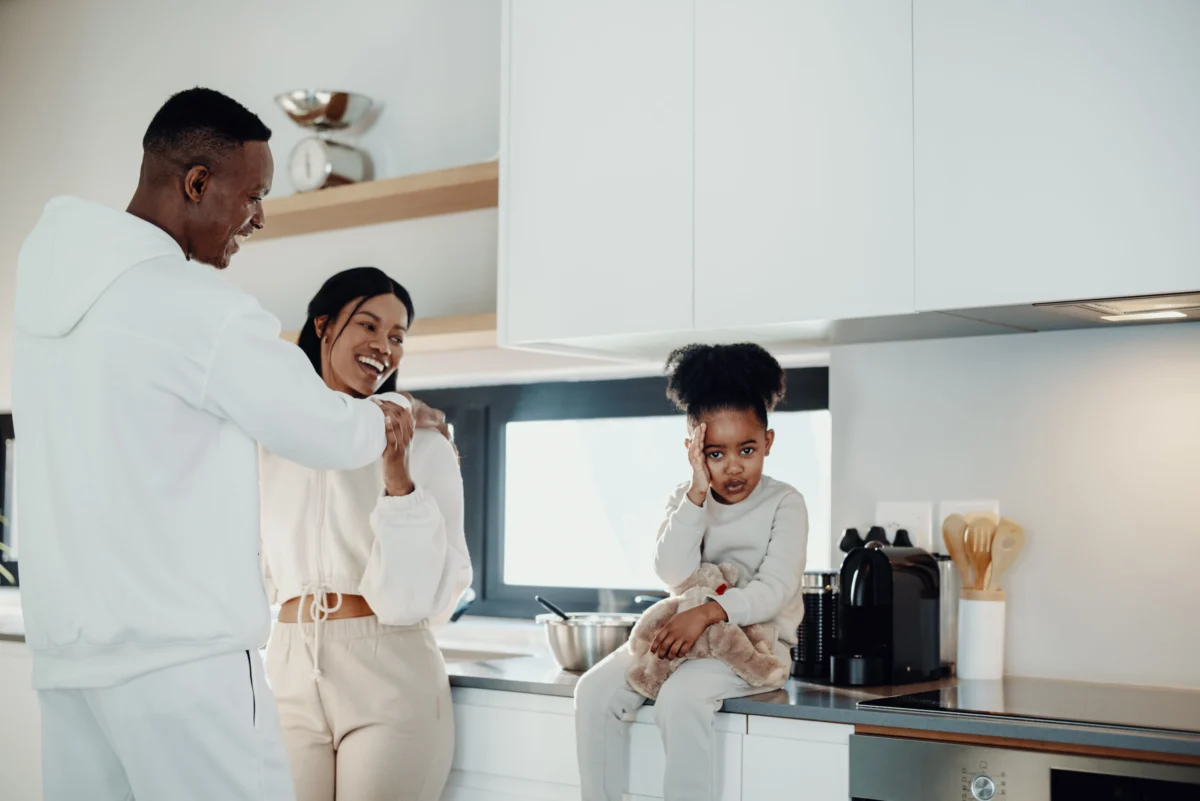
Children are exceptionally keen observers of their environments, particularly the dynamics within their own homes. Among the most influential aspects of this observation is the marital relationship between their parents, which serves as an unspoken, yet profoundly impactful, curriculum for their understanding of partnerships, commitment, and emotional regulation. This continuous learning process, often unconscious, shapes their expectations, behaviors, and future relationship patterns, extending far beyond the immediate family unit into broader societal implications.
The Unseen Classroom: Children as Relationship Observers
From the earliest stages of cognitive development, children absorb cues from adult interactions. While parents may believe their children are preoccupied with screens or play, subtle gestures, tones of voice, and unstated tensions are meticulously registered. Researchers in child development and family studies consistently highlight that children function as "relationship scientists," processing every interaction, disagreement, and moment of affection they witness between their caregivers. This observational learning is a fundamental aspect of social learning theory, where individuals learn by watching others and then imitating, modeling, or internalizing observed behaviors, attitudes, and emotional reactions.
The parental marriage, therefore, becomes a primary model for romantic relationships. It dictates whether children perceive marriage as a source of joy and partnership or as a burden laden with conflict and resentment. Behaviors such as a dismissive shrug, a silent eye roll, or a shared laugh at an inside joke all contribute to this experiential education. These seemingly minor interactions aggregate over time to form a comprehensive understanding of what a committed relationship entails, influencing their own emotional intelligence and relational competence.
Foundational Lessons: Core Marital Dynamics and Child Development
The lessons imparted by parental marital dynamics are multifaceted, touching upon critical aspects of human interaction and emotional well-being. These lessons are not explicitly taught but are implicitly absorbed, forming the bedrock of a child’s relational schema.
Navigating Conflict: Modeling Repair and Resilience
One of the most critical lessons children learn from their parents’ marriage is how to manage and recover from conflict. Early marital years often present challenges as partners adjust to cohabitation and shared responsibilities, sometimes leading to unproductive habits in disagreement. While parents might wish to shield their children from arguments, research suggests that a conflict-free marriage is neither realistic nor necessarily beneficial for a child’s learning. Instead, it is the manner in which conflict is handled and resolved that holds significant educational value.
When children witness parents engaging in constructive conflict resolution—such as discussing issues calmly, taking breaks to cool down, articulating feelings without aggression, and working towards mutual understanding—they learn invaluable skills. They observe that disagreements are a normal part of relationships and that resolution, rather than avoidance or escalation, is achievable. Conversely, exposure to destructive conflict, characterized by hostility, contempt, stonewalling, or defensiveness, has been linked to increased anxiety, aggression, and emotional dysregulation in children. Longitudinal studies by researchers like John Gottman have shown that the presence of "repair attempts" during conflict, where partners actively try to de-escalate tension and reconnect, is a strong predictor of marital stability and child well-being. This teaches children that a relationship can withstand and even strengthen through challenges, fostering resilience and a belief in the possibility of relational repair.
The Emotional Climate: Affection, Laughter, and Mutual Regard
Beyond conflict, the overall emotional tone and level of affection between parents profoundly impact a child’s understanding of love and companionship. A marriage characterized by mutual affection, shared humor, and visible enjoyment of each other’s company communicates that marriage is a source of joy and emotional fulfillment. Simple acts like hugs, playful banter, or a comforting touch convey a powerful message: "I like you, and I choose to be with you."
This display of positive regard is crucial for a child’s emotional security and attachment development. Children whose parents demonstrate warmth and affection tend to develop more secure attachment styles, which are associated with better social skills, higher self-esteem, and more stable relationships in adulthood. Conversely, a lack of affection or a pervasive sense of disinterest between parents can lead children to view marriage as a purely functional arrangement for managing a household, devoid of emotional intimacy or personal enjoyment. Such observations can influence their own capacity for intimacy and emotional expression in future relationships.
Partnership in Practice: The Marital Unit as a Team
The operational dynamics of a marriage, particularly how partners interact as a cohesive unit, teach children about collaboration, respect, and shared responsibility. Whether navigating differing opinions on finances, parenting styles, or daily routines, the approach parents take—be it a unified front or a fragmented struggle—provides a template for teamwork. When children observe parents treating each other as teammates, acknowledging differences while striving for common goals, they learn the value of partnership. They understand that a relationship is a collaborative endeavor requiring mutual support and compromise.
The language parents use about and to each other is particularly instructive. A tone of respect, even during disagreement, sets an expectation for courteous interaction. If parents speak of their spouse with contempt, indifference, or as a burden, children internalize this negative framing of marriage. This can lead them to perceive committed relationships as obligations rather than partnerships of choice. Research in family systems theory emphasizes that the quality of the co-parenting relationship, independent of marital status, significantly influences child adjustment. A strong, respectful co-parenting team, even if parents are temperamentally different, models effective collaboration.
The Art of Repair: Apology, Forgiveness, and Moving Forward
The ability to admit wrongdoing, apologize sincerely, and extend forgiveness is a cornerstone of healthy relationships, and children learn these skills directly from their parents’ marriage. When parents model genuine apologies and subsequent forgiveness, they teach children that mistakes are opportunities for growth and that relationships can be repaired and strengthened after conflict. This demonstrates a crucial aspect of resilience: the capacity to recover from relational setbacks.
Conversely, a household where grudges linger, apologies are rare, or forgiveness is withheld, teaches children that conflict can be terminal or that emotional wounds are permanent. This can lead to difficulties in their own social interactions, affecting their ability to mend friendships or resolve conflicts constructively. Children observe whether parents can move forward after disagreements, demonstrating that love and commitment can transcend individual errors. This learning is fundamental to developing empathy, accountability, and the capacity for reconciliation—skills essential for all human relationships.
Upholding Commitments: Trust and Reliability in Relationships
Children learn about the significance of promises and commitments by observing how their parents adhere to their marital vows and daily agreements. This extends beyond grand declarations to consistent actions: showing up for each other, following through on plans, and demonstrating reliability. The stability and predictability derived from parents keeping their word foster a sense of security in children. They learn that commitments are not merely "nice ideas" but fundamental pillars of trust and reliability in a relationship.
Inconsistency in parental behavior, where promises are frequently broken or commitments are treated lightly, can erode a child’s sense of security and trust. This can teach them that relationships are precarious and unreliable, potentially making them wary of commitment in their own future. The observed consistency or inconsistency in marital habits—whether leading towards deeper connection or gradual disconnection—provides a powerful, albeit silent, lesson on the durability and trustworthiness of long-term partnerships.
Embracing Imperfection: The Reality of Enduring Love
Perhaps one of the most vital lessons children learn is that perfection is not the goal in marriage. No relationship is without its struggles, disagreements, or challenging phases. When parents openly, yet appropriately, demonstrate that they "fight for their marriage" and consciously "choose each other every day," they teach children a profound truth: real love involves effort, resilience, and a commitment to work through difficulties. This dispels the myth of fairytale relationships and prepares children for the inevitable complexities of adult partnerships.
Children need to see their parents as human, capable of mistakes but dedicated to continuous growth and mutual support. This fosters a realistic understanding of marriage as a dynamic process of "fun, forgiveness, and figuring it out one day at a time." By witnessing a genuine, imperfect yet committed marriage, children gain a valuable inheritance: the understanding that enduring love is built not on flawlessness, but on perseverance, mutual effort, and the conscious decision to choose one another, even when it’s hard. This perspective equips them with the emotional fortitude to navigate their own future relationships with authenticity and resilience.
The Scientific Consensus: Data on Intergenerational Transmission
The profound impact of parental marital dynamics on children is well-documented across various fields of study, including psychology, sociology, and developmental science. Research methodologies range from longitudinal studies tracking individuals over decades to observational studies of family interactions and surveys on self-reported relationship quality.
Longitudinal Studies and Behavioral Outcomes
Longitudinal studies have consistently shown correlations between the quality of parental marriage and children’s later relationship outcomes. For instance, children who grow up in homes with high marital discord, particularly destructive conflict, are at an increased risk for developing their own relationship problems in adulthood, including higher rates of divorce, greater difficulty with intimacy, and poorer communication skills. Conversely, children from homes with stable, affectionate, and well-managed marital relationships tend to exhibit greater emotional intelligence, better conflict resolution skills, and more stable and satisfying romantic relationships in their own lives.
Data from the Pew Research Center and other sociological analyses frequently highlight intergenerational patterns in marital stability. While not deterministic, parental divorce, for example, is associated with an increased likelihood of divorce in offspring, though the quality of the marital relationship, rather than just its intactness, is often a more significant predictor of child well-being. Studies have identified specific mechanisms, such as parental modeling of coping strategies and emotional regulation, that mediate these intergenerational effects.
Psychological Frameworks: Attachment and Social Learning
From a psychological perspective, attachment theory provides a powerful framework for understanding how parental relationships shape children. The quality of the marital bond can influence the security of a child’s attachment to their parents, which in turn affects their internal working models of relationships. A secure attachment, often fostered by emotionally responsive and consistent parenting (which is typically easier in a stable, harmonious marital context), leads children to view relationships as safe and supportive. In contrast, insecure attachment styles (anxious-preoccupied, dismissive-avoidant, or fearful-avoidant) can develop in less stable or more conflict-ridden environments, leading to difficulties in forming healthy adult relationships.
Social learning theory, pioneered by Albert Bandura, further explains that children learn by observing and imitating the behaviors of significant others, particularly parents. This includes not only overt actions but also emotional responses, communication styles, and problem-solving approaches within the marital context. Children internalize these observed patterns, which then form the basis of their own behavioral repertoires and expectations for relationships. This "observational learning" means that parents are continuously, and often unwittingly, teaching their children about marriage through their daily interactions.
Broader Societal Implications and Future Generations
The cumulative effect of these individual learnings has significant societal implications. As each generation learns from the marital dynamics of the previous, these patterns are transmitted across time, influencing the overall health and stability of family structures, community well-being, and even economic productivity. A society composed of individuals with strong relational skills, fostered by positive early experiences, is likely to exhibit greater social cohesion, lower rates of domestic dysfunction, and enhanced mental health outcomes.
Conversely, a prevalence of dysfunctional marital models can contribute to cycles of relational distress, impacting mental health, increasing demands on social services, and potentially affecting children’s educational and economic prospects. The investment in fostering healthy marital dynamics, therefore, is not merely a private family matter but a public good, contributing to the resilience and flourishing of society as a whole. Addressing these dynamics through public health initiatives, educational programs, and accessible family counseling becomes critical for cultivating a healthier relational landscape for future generations.
Cultivating a Positive Marital Legacy: A Call to Conscious Parenting
Recognizing that children are constantly learning from their parents’ marriage underscores the profound responsibility and opportunity that parents possess. It calls for a conscious approach to marital interaction, not with the aim of achieving an impossible perfection, but with the intention of modeling healthy, resilient, and loving partnership. This involves several key practices:
- Mindful Conflict Resolution: Engaging in disagreements with respect, focusing on solutions, and prioritizing repair attempts.
- Visible Affection and Appreciation: Regularly expressing love, appreciation, and enjoyment for one’s spouse, creating a warm emotional climate.
- Teamwork and Mutual Support: Demonstrating a united front, sharing responsibilities, and openly supporting each other’s roles and efforts.
- Practicing Forgiveness and Accountability: Modeling the humility to apologize and the grace to forgive, demonstrating that relationships can heal and grow after setbacks.
- Upholding Commitments: Consistently demonstrating reliability, trust, and fidelity, both in significant vows and daily interactions.
- Embracing Reality: Acknowledging that marriage involves effort and challenges, and openly demonstrating resilience and dedication to the partnership.
Ultimately, the inheritance children receive from watching their parents’ marriage is not financial or material, but relational. It is a blueprint for how to love, how to fight, how to forgive, and how to commit. The question for every parent, then, is what kind of relational inheritance they wish to bestow upon their children—an inheritance that will profoundly shape not only their individual lives but also the fabric of future generations.

