
In the crowded digital landscape, many aspiring bloggers meticulously follow best practices. They craft well-structured content, optimize for search engines, and possess a firm grasp of their blogging platforms. Yet, despite these efforts, a significant number struggle to achieve meaningful success. The often-overlooked element that distinguishes a forgettable blog from one that resonates and creates a lasting impact is personality. This article delves into how ten prominent bloggers effectively integrate their unique identities into their platforms, transforming their content from mere information delivery into engaging experiences.
The Power of Personalization in the Digital Sphere
The internet has democratized content creation, leading to an explosion of blogs covering every conceivable topic. While technical proficiency and SEO optimization are crucial for discoverability, they are insufficient to foster reader loyalty and engagement. A blog’s personality—the distinct voice, style, and human element it conveys—is what transforms a reader from a transient visitor into a dedicated follower. This personalization is not merely about sharing anecdotes; it’s about weaving an authentic narrative that connects with the audience on an emotional level. Research consistently shows that consumers are more likely to engage with and trust brands and individuals they perceive as authentic. A study by Stackla found that 86% of consumers say authenticity is a key factor when deciding which brands they support. In the context of blogging, this translates to readers gravitating towards voices they find genuine and relatable.
Showcasing Personality: Strategies from Leading Bloggers
Examining successful bloggers reveals a diverse array of techniques for injecting personality. These methods, while varied, all aim to make the blogger and their content more approachable and memorable.
1. Visual Storytelling Through Exceptional Photography: Caz and Craig of YTravel
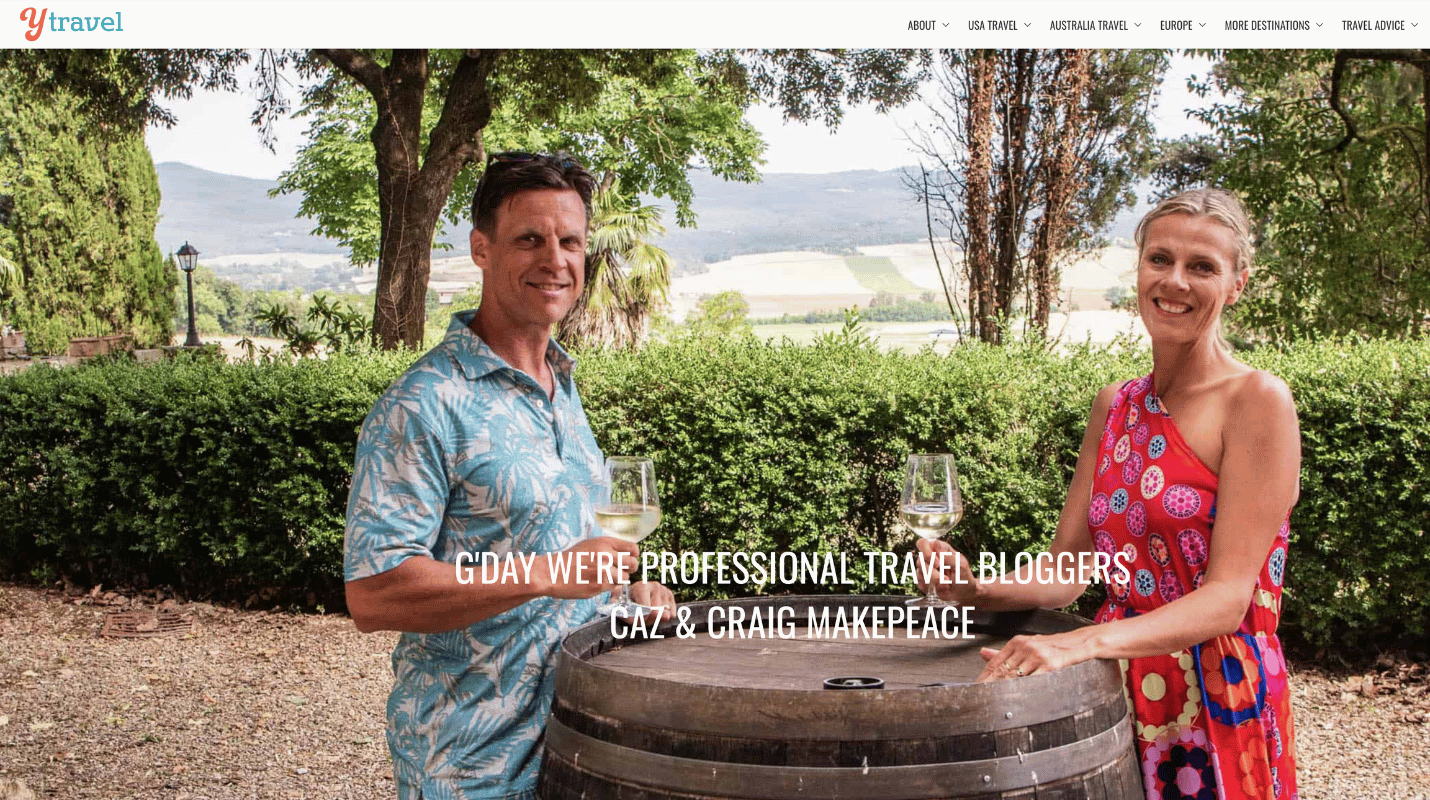
For blogs focused on topics like travel, food, or fashion, compelling visuals are paramount. Caz and Craig, the duo behind the popular travel blog YTravel, exemplify this principle. Their blog is replete with vibrant, authentic photographs that not only document their journeys but also capture the joy and emotion of their experiences. Whether it’s candid snapshots of their family navigating airports with children, as seen in their article "17 Tips for Flying With Kids to Keep You Calm and Happy," or more carefully composed images from their explorations, such as those in "Getting Settled in the USA + Where to Next," their photography immerses readers in their adventures. This visual approach transforms a travelogue into a shared experience, allowing readers to feel as though they are traveling alongside Caz and Craig. The strategic use of high-quality, personal imagery creates an immediate emotional connection, a powerful tool in building a loyal readership.
2. Injecting Distinctive Flair and Humor: Pat Flynn of Smart Passive Income
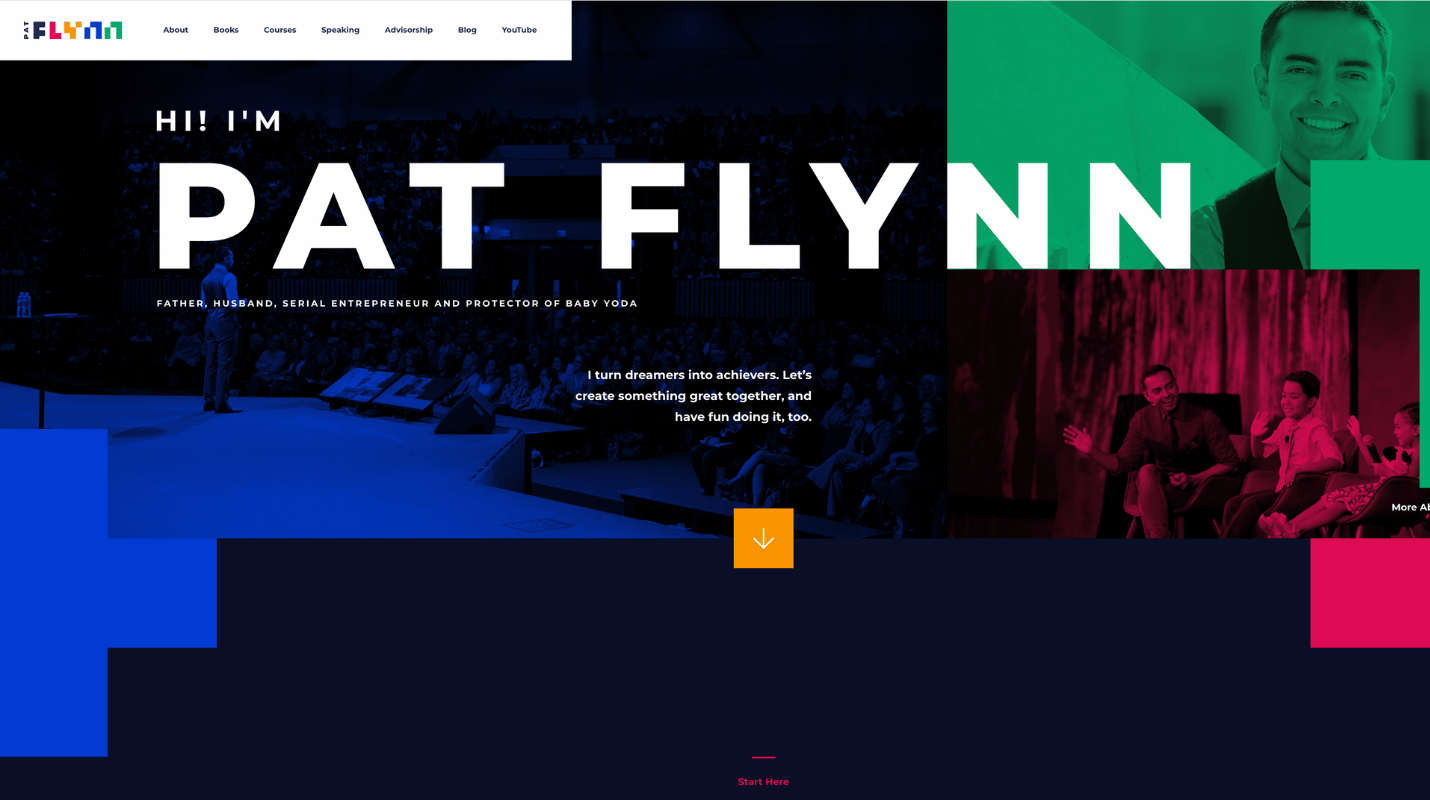
Pat Flynn, the entrepreneur behind Smart Passive Income, demonstrates how personality can be woven into the very fabric of a blog’s design and messaging. Upon visiting his site, visitors are immediately greeted with his name prominently displayed, accompanied by a concise yet evocative description of his identity: "father, husband, serial entrepreneur." This is further enhanced by a touch of quirky humor, with his self-proclaimed title as "protector of baby Yoda." This blend of professional identity and lighthearted self-description creates an approachable and relatable persona. It signals to potential readers that while the content is serious and valuable, the blogger is also a real person with interests and a sense of humor. This approach fosters a sense of camaraderie, making readers feel more comfortable and engaged with his business advice.
3. Cultivating a Strong, Identifiable Tone: Shannon Kelly White
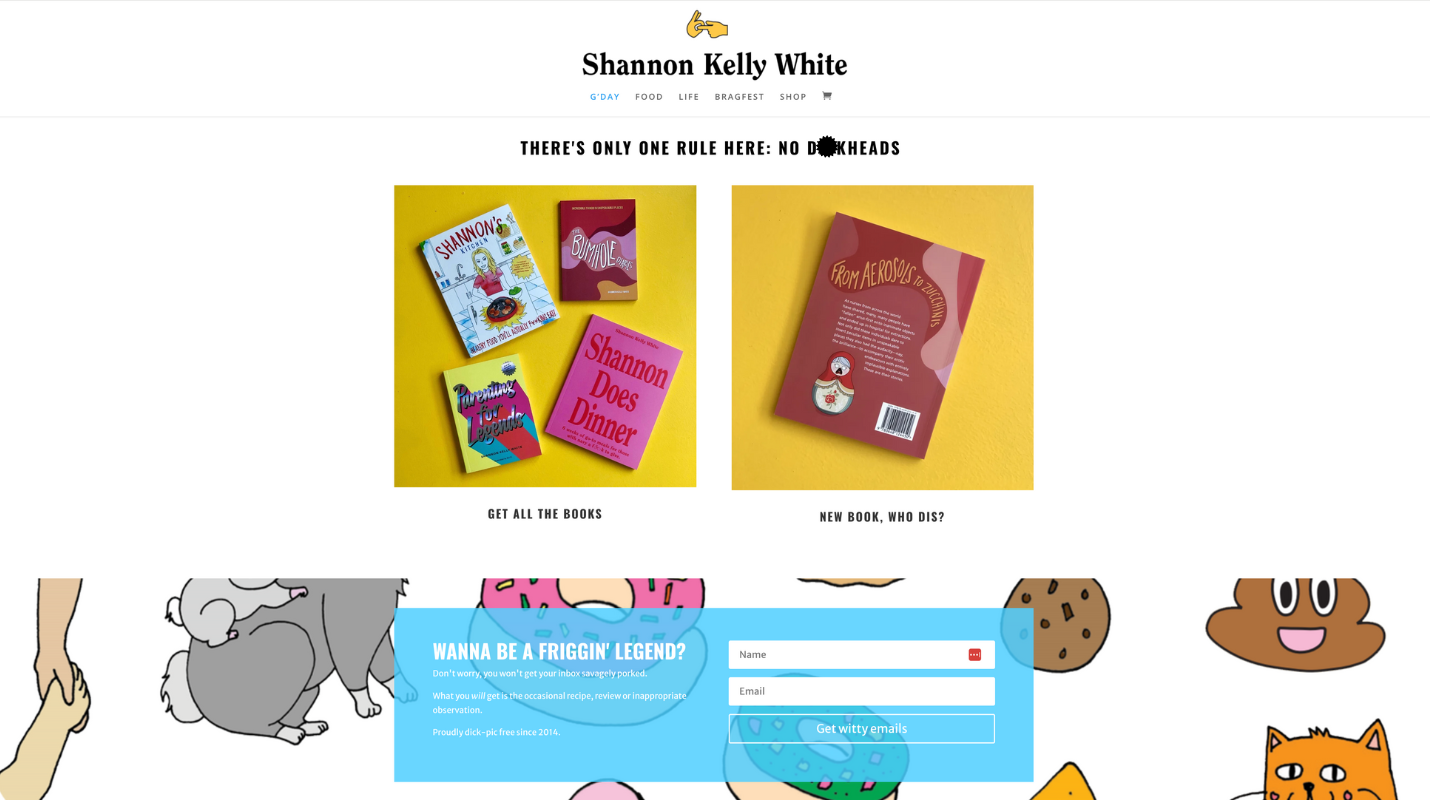
The development of a distinct editorial tone is a powerful method for establishing a unique voice. Shannon Kelly White’s blog, while containing potentially polarizing language, showcases how a strong and consistent tone can attract a dedicated audience. Her unapologetic use of profanity, evident even in her tagline and navigation menu, creates a raw and authentic voice that resonates deeply with a specific segment of readers. While this approach may alienate some, it strongly appeals to others who appreciate her candor and unvarnished perspective. This deliberate choice in tone serves as a filter, attracting readers who align with her style and values, thereby fostering a more engaged and committed community. The key takeaway is that consistency in tone, even if unconventional, can be a powerful differentiator.
4. Leveraging Custom Illustrations for Brand Identity: Ramsey of Blog Tyrant
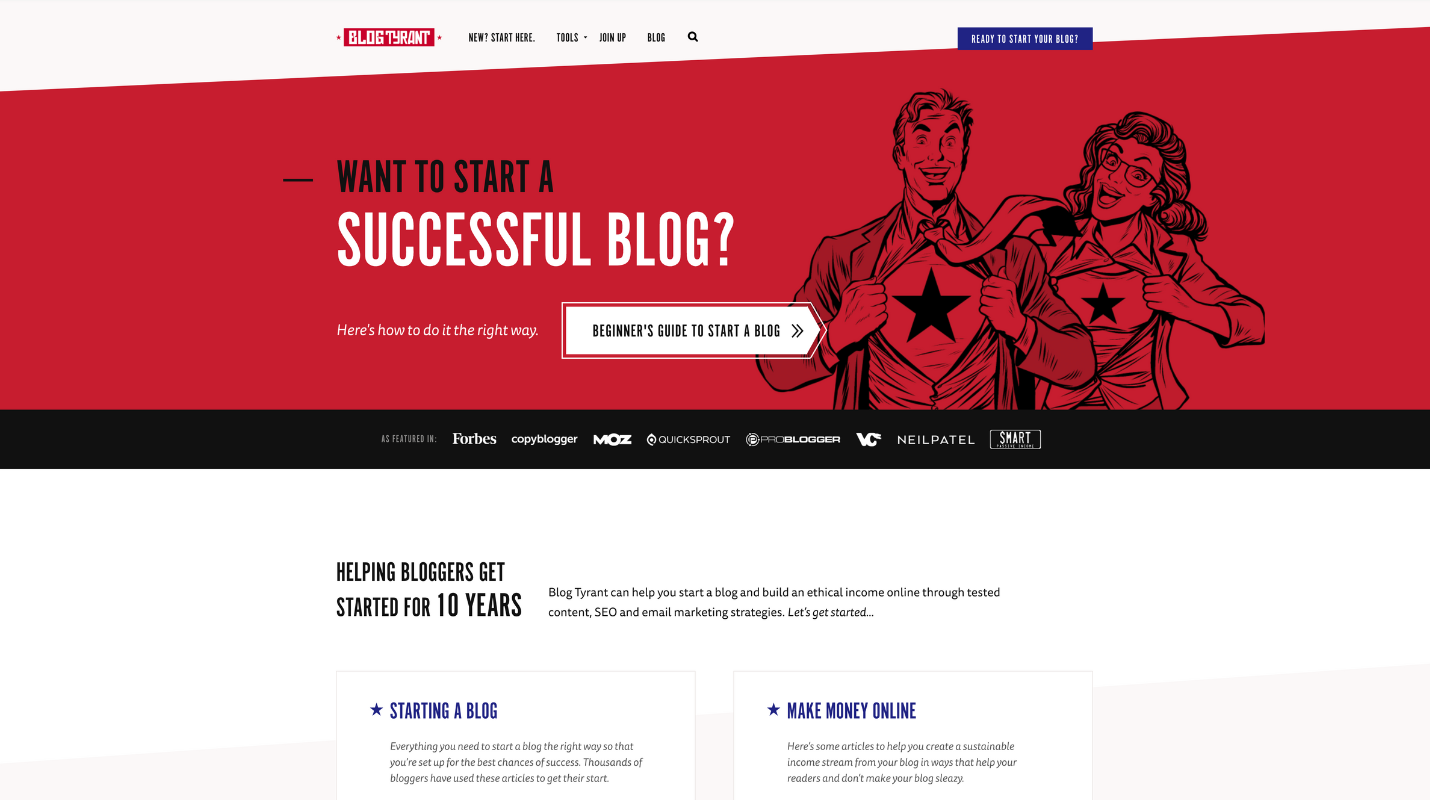
Visual branding extends beyond photography. Ramsey, the creator of Blog Tyrant, effectively uses custom illustrations to create a memorable and personalized brand identity. His iconic red-shirted blogging superhero avatar is a consistent visual element, appearing in the banner of his homepage and as featured images for many of his posts. This consistent use of a unique visual motif makes his brand instantly recognizable. The illustration not only adds a playful and engaging element to his content but also serves as a visual shorthand for his expertise and approach to blogging. This personalized graphic element contributes significantly to the blog’s overall personality, making it stand out in a visually competitive online space. Custom illustrations can provide a unique and cohesive visual identity that sets a blog apart from the generic.
5. The Power of a Compelling "About Page": Elsie and Emma of A Beautiful Mess
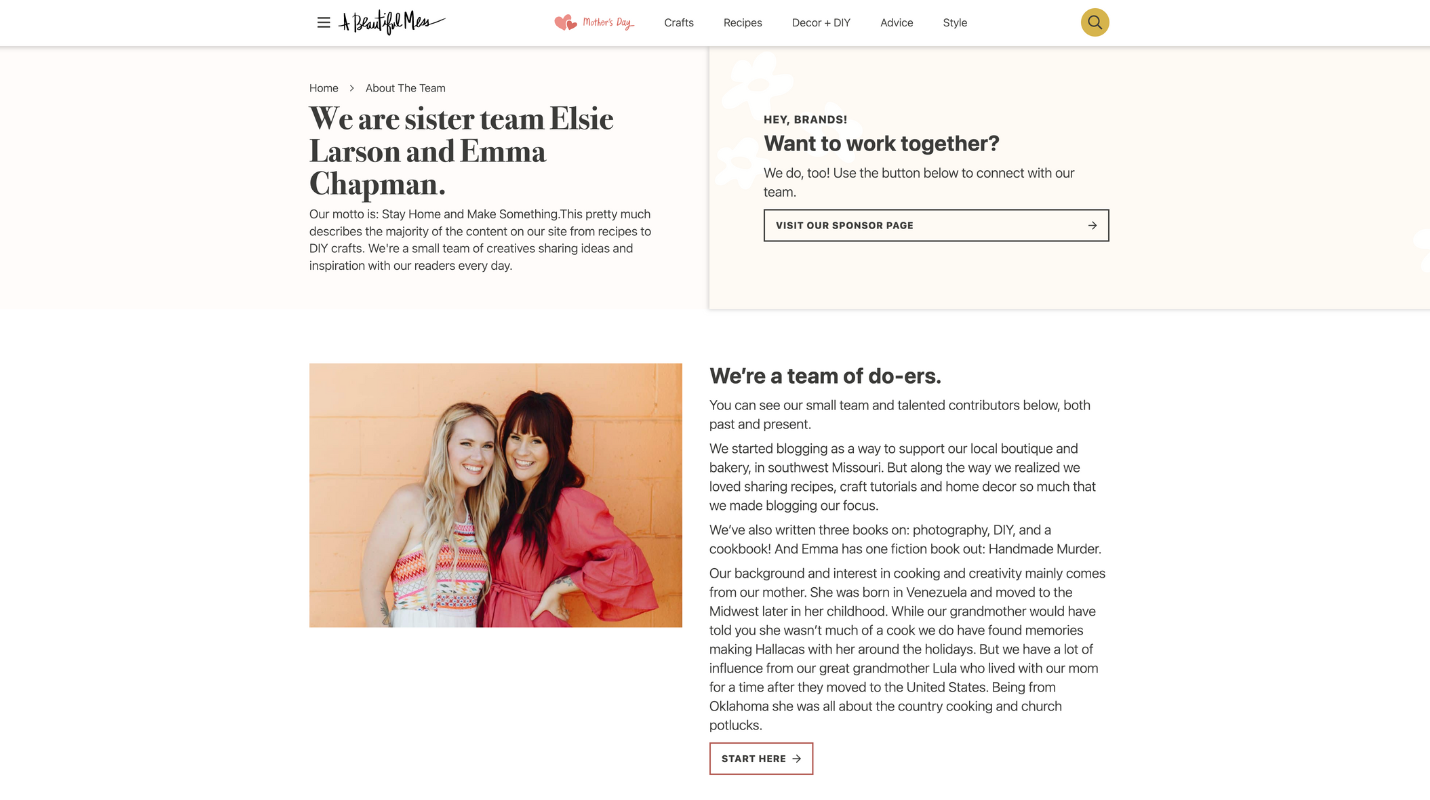
For new visitors, the "About" page often serves as the primary gateway to understanding the blogger behind the content. Elsie and Emma, the sisters behind the lifestyle blog A Beautiful Mess, excel in this regard. Their "About" page is a masterclass in conveying personality quickly and effectively. Featuring bright, bold photographs and a concise yet engaging introduction, they provide readers with an immediate glimpse into their lives and passions. This approach humanizes the blog, allowing readers to connect with the individuals who create the content. In an era where authenticity is highly valued, a well-crafted "About" page is an indispensable tool for building trust and rapport. It answers the fundamental question: "Who is the person behind these words?"
6. Maintaining Brand Consistency Across Platforms: Chris Ducker
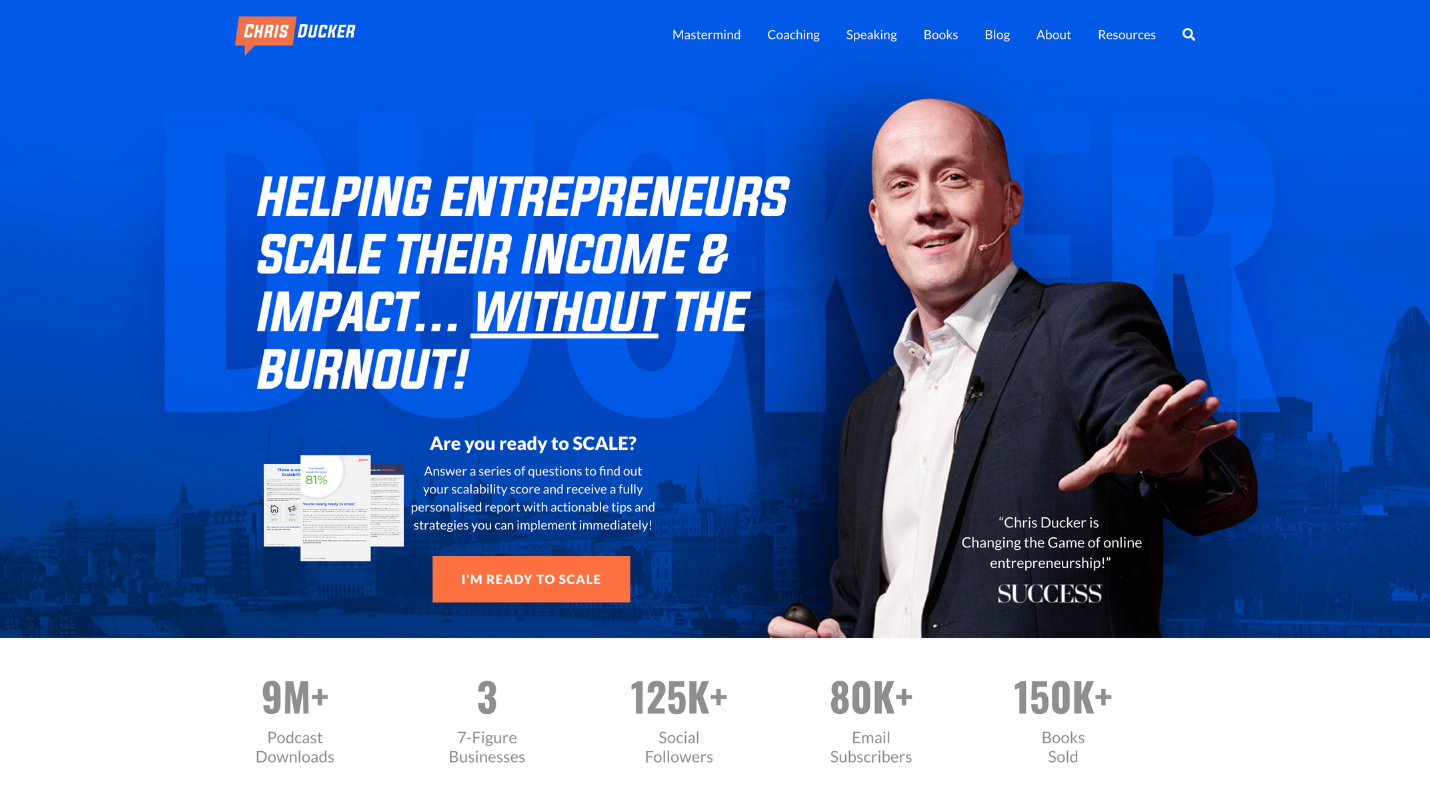
In today’s multi-platform digital environment, consistency in branding is crucial for recognition and trust. Chris Ducker, a prominent figure in the online business coaching space, masterfully achieves this. He utilizes the same distinctive, smiling headshots across his blog posts, his "About" page, and his social media profiles on platforms like Twitter, Facebook, and LinkedIn. This consistent visual representation creates a cohesive and recognizable brand identity across all touchpoints. When readers encounter his content on different platforms, they are met with a familiar and trustworthy face, reinforcing his personal brand. This strategic consistency not only aids in brand recall but also strengthens the perceived professionalism and reliability of his online presence.
7. Strategic Use of Color to Enhance Branding: Jadah Sellner
Color psychology plays a significant role in shaping perceptions and evoking emotions. Jadah Sellner, a content creator and strategist, leverages color to create a visually appealing and emotionally resonant brand. Her website features a harmonious and inviting color palette that is not only aesthetically pleasing but also intrinsically linked to her personal style, often reflected in the colors of her clothing. This deliberate integration of color creates a seamless and cohesive brand experience, evoking a sense of warmth and earthiness, akin to a sophisticated makeup palette. The strategic use of color can significantly contribute to a blog’s overall personality, making it more memorable and impactful. It demonstrates attention to detail and a commitment to creating a holistic brand experience.
8. Incorporating a Brand Statement within Content: James Schramko of SuperFastBusiness
Clarity regarding a blog’s purpose and target audience is essential for attracting the right readers. James Schramko, through his SuperFastBusiness blog, effectively utilizes a clear brand statement. The immediate visibility of his business coaching services and the specific audience they cater to on his homepage instantly communicates his value proposition. This directness ensures that potential clients understand precisely what he offers and for whom his content is intended. This practice of embedding a concise brand statement within the content or prominently on the website is vital for establishing focus and attracting a targeted audience, thereby enhancing engagement and conversion rates. It eliminates ambiguity and immediately signals relevance to the ideal reader.
9. Direct and Actionable Taglines and Calls to Action: Kelly Exeter
The ability to articulate a blog’s value proposition concisely is a hallmark of effective personal branding. Kelly Exeter exemplifies this with her direct taglines and clear calls to action. Her approach focuses on immediately informing ideal readers about the blog’s purpose and the benefits they can expect. A template like: "(Your name) is a (what you do) who helps (your ideal reader)… (do what you offer)" provides a clear framework. Furthermore, she advocates for immediate and straightforward calls to action, encouraging readers to engage directly rather than navigating complex opt-in processes. This no-nonsense approach, as demonstrated by her "FIND OUT HERE" button, respects the reader’s time and encourages immediate engagement, fostering a more active and responsive audience.
10. Defining and Engaging the Reader Through Self-Identification: Emily of Puttylike
Perhaps one of the most sophisticated methods of personalization is to help readers define themselves, thereby creating a strong sense of community and belonging. Emily, the force behind Puttylike, expertly employs this strategy. Her identification of herself and her audience as "Multipotentialites"—individuals with many interests and creative pursuits—resonates deeply with a specific demographic. The genius move lies in her use of a quiz, "Are You a Multipotentialite?", as a lead magnet on her homepage. This interactive tool not only captures leads but also actively engages visitors by prompting them to identify with her core concept. This approach transforms casual browsers into invested community members, fostering a highly engaged and loyal readership. By providing a framework for self-identification, Emily cultivates a powerful sense of shared identity.
The Broader Implications for Bloggers
The strategies employed by these ten bloggers highlight a critical shift in the blogging landscape. While technical execution remains important, the ability to cultivate an authentic personal brand and connect with audiences on an emotional level is increasingly becoming the differentiator for success. The data on consumer preference for authenticity, coupled with the sustained engagement seen on blogs with strong personalities, underscores the importance of this approach.
The implications are far-reaching. For businesses, this translates to a growing need for authentic storytelling and relatable brand voices. For individual bloggers, it means focusing not just on what they say, but how they say it, and who they are as individuals. The digital realm is no longer just a space for information exchange; it is a space for connection and community building. By embracing their unique personalities, bloggers can move beyond simply publishing content to creating experiences that resonate, endure, and foster genuine loyalty. As the digital world continues to evolve, the human element—the authentic voice, the individual story, the relatable personality—will remain the most potent tool in a blogger’s arsenal.

