
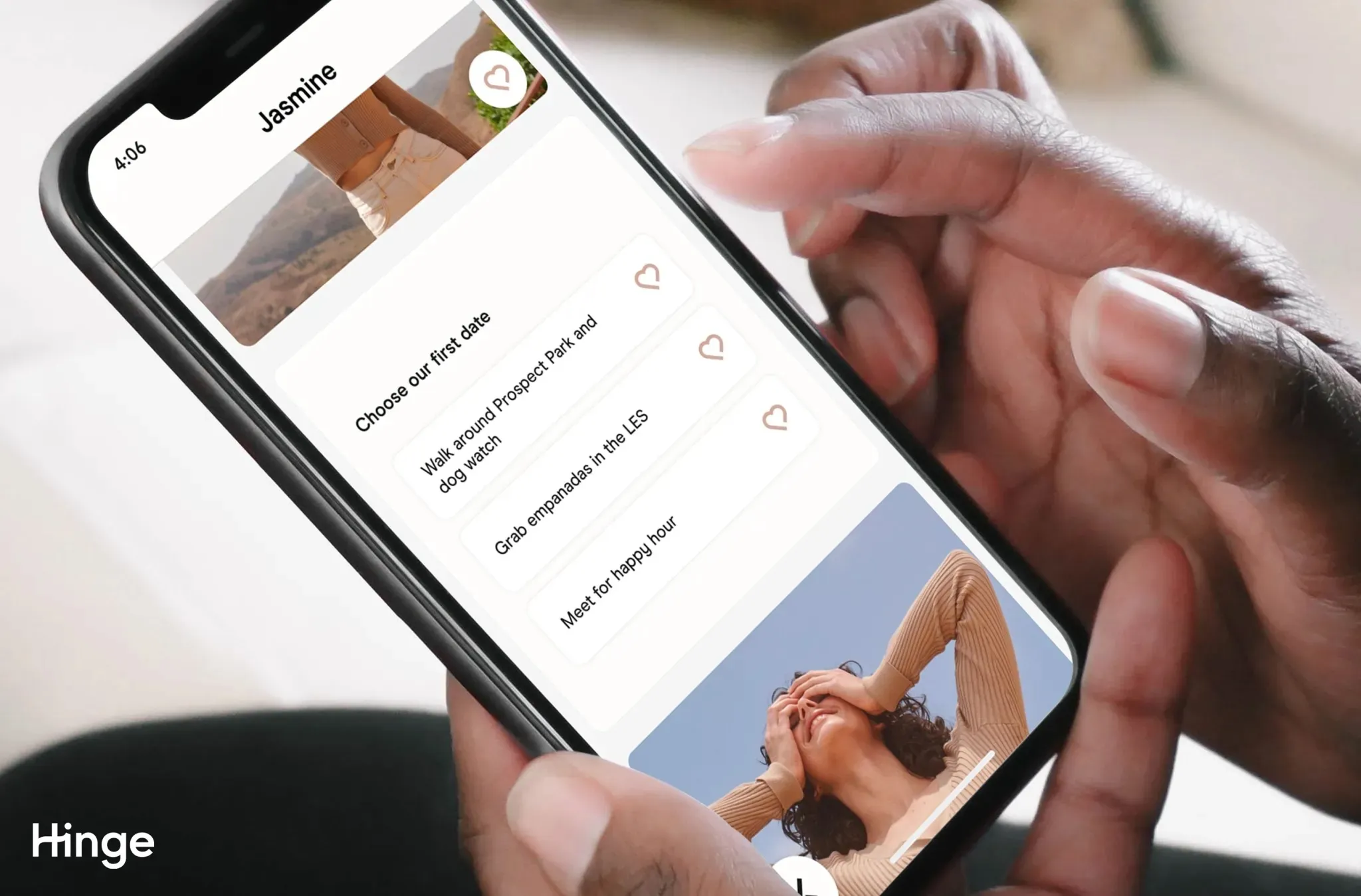
Hinge, the "designed to be deleted" dating application under the Match Group umbrella, is currently piloting a more accessible, lower-priced subscription plan, marking a significant strategic shift aimed at broadening its paying user base. This initiative emerges as Match Group, the global leader in dating apps, confronts persistent industry-wide challenges, including widespread subscription fatigue among consumers and a growing weariness with the traditional online dating experience. The move is particularly noteworthy given Hinge’s robust financial and user growth, positioning it as a key driver of innovation within Match Group’s diverse portfolio.
Navigating the Evolving Landscape of Dating App Monetization
The decision to introduce a cheaper tier reflects a nuanced understanding of the contemporary digital consumer. For years, premium dating app subscriptions have offered users enhanced features, promising greater visibility, more control, or expedited matching. However, the proliferation of subscription services across various sectors – from entertainment streaming to productivity tools – has led to "subscription fatigue," where consumers are increasingly selective about their recurring expenses. Simultaneously, the dating app industry itself faces "dating app fatigue," characterized by users feeling overwhelmed by endless swiping, superficial interactions, and a perceived lack of genuine connections. This confluence of factors has led many users to question the true value proposition of paying for premium dating features.
Match Group’s Chief Financial Officer, Steve Bailey, highlighted the rationale behind Hinge’s new offering during the company’s third-quarter 2026 earnings call. He stated, "It’s designed for women in particular, but also for price-sensitive users." This targeting is strategic; women often prioritize features that offer greater control over who can interact with them and enhanced safety parameters. Bailey further elaborated on Hinge’s unique position within the Match Group ecosystem, noting, "Remember that Hinge is one of the highest-priced products we have. The revenue per payer, for example, at Hinge is almost twice that of Tinder, around $30. It also has one of the lower payer penetrations. Its payer penetration is only slightly more than half that of Tinder." This data suggests that while Hinge successfully monetizes its existing paying users at a high rate, there remains a substantial segment of its active user base that has yet to convert to a paid subscription. The new, more affordable tier is designed precisely to bridge this gap, attracting users who perceive the current premium offerings as too costly but are open to paying for tangible benefits at a lower price point.
Hinge’s Strategic Evolution: A Timeline of Monetization Experiments
This isn’t Hinge’s first foray into refining its subscription model. In 2023, the company explored the opposite end of the pricing spectrum, testing a more expensive, ultra-premium tier. This earlier experiment, similar to Tinder Platinum, aimed to cater to users willing to pay significantly more for exclusive features designed to maximize their chances of finding a match. The current pivot towards a cheaper option demonstrates a responsive and adaptive strategy, indicating that while a segment of users may be willing to pay top dollar, a larger, underserved demographic exists at a more accessible price point. The introduction of additional filters and custom location boundaries in the new tier directly addresses user desires for more refined control over their dating experience, allowing them to better define their preferences and geographical search parameters. While the specific cost of this new subscription has not yet been disclosed, its very existence signals Match Group’s intent to democratize access to enhanced features, potentially increasing overall payer penetration.
Hinge’s Ascendance: A Beacon of Growth for Match Group
The timing of this strategic initiative is particularly insightful, as Hinge stands out as one of Match Group’s most successful applications. The third quarter of 2026 proved exceptionally strong for Hinge, contrasting sharply with the performance of its sibling app, Tinder. Hinge reported a remarkable 12% year-over-year growth in global monthly active users, underscoring its expanding reach and appeal. Direct revenue, generated from subscriptions and in-app purchases, surged by 19%, reaching an impressive $221 million. Furthermore, the app witnessed a substantial 23% increase in paying users, culminating in 2.3 million subscribers by the end of the quarter. This robust growth trajectory suggests that Hinge has successfully cultivated a strong brand identity and user loyalty, making it an ideal candidate for experimental monetization strategies designed to convert its active free users into paying subscribers.
In comparison, Tinder, Match Group’s flagship application, while still generating significantly higher direct revenue at $480 million for the quarter, experienced a slight 2% year-over-year decline. Its paid user base also saw a 4% decrease from the previous year, settling at 8.9 million subscribers. These figures highlight a broader trend within the dating app market: while established giants like Tinder grapple with saturation and evolving user expectations, apps like Hinge, with their focus on deeper connections and thoughtful matching, are capturing a growing segment of the market. The lower-priced Hinge subscription could amplify this momentum, allowing the app to capitalize on its organic growth by making premium features accessible to a broader swathe of its expanding user base without requiring a substantial upfront financial commitment.
Match Group’s Holistic Approach: Beyond Subscriptions to Engagement
Match Group recognizes that pricing adjustments alone are unlikely to resolve the overarching issue of user fatigue across its platforms. The company is actively pursuing a multi-faceted strategy to enhance user engagement and address the evolving expectations of modern daters. This strategy involves transforming its platforms to feel less like traditional, transactional dating apps and more like dynamic social spaces.
Recent initiatives spearheaded by Match Group underscore this shift. Tinder, for instance, has introduced "Group Hangouts," a feature designed to facilitate social interactions among groups of friends, moving beyond the conventional one-on-one matching paradigm. Similarly, "Events" offer users curated real-world opportunities to connect, providing a tangible bridge between online interactions and offline experiences. These efforts, which Match Group plans to intensify in the fourth quarter, aim to create more organic and less pressure-filled environments for meeting new people, aligning with a growing preference among younger generations for more casual, social discovery.
Looking ahead, Match Group is also investing heavily in technological advancements to improve the core dating experience. A significant initiative on the horizon is the implementation of "real-time adaptive recommendations," slated for testing in the fourth quarter. Announced during the company’s CEO Connection presentation in September, this feature for Tinder will leverage advanced algorithms to respond to user actions and preferences within seconds, rather than hours. The goal is to provide more relevant, personalized, and dynamic recommendations, thereby enhancing the efficiency and satisfaction of the matching process. This focus on hyper-personalization and instantaneous feedback seeks to combat the perception of endless swiping and algorithmically generated mismatches, aiming for a more intuitive and rewarding user journey.
Implications for the Broader Dating App Market
Hinge’s experiment with a cheaper subscription tier carries significant implications for the broader dating app industry. Firstly, it signals a potential shift in monetization strategies, suggesting that companies may need to diversify their pricing models to cater to a more economically diverse and price-sensitive user base. Competitors, including Bumble and smaller niche dating apps, will undoubtedly be watching closely to see if this strategy yields increased payer penetration and revenue growth for Hinge. If successful, it could trigger a wave of similar offerings across the industry, leading to more competitive pricing and a greater variety of subscription options for consumers.
Secondly, this move highlights the ongoing challenge of balancing user experience with profitability. While premium features are a key revenue driver, their perceived value must justify their cost. By offering a more affordable option, Match Group is essentially testing the elasticity of demand for enhanced dating features. The success of this tier will depend not only on its price point but also on the perceived utility and impact of the features it offers.
Finally, the combination of flexible pricing, social features, and advanced personalization underscores a maturing industry adapting to evolving consumer behaviors. Dating apps are no longer just about finding a romantic partner; they are increasingly becoming platforms for social discovery, community building, and even platonic connections. Match Group’s comprehensive strategy, encompassing both monetization adjustments and fundamental product innovation, reflects an understanding that long-term success hinges on providing genuine value, fostering meaningful connections, and continuously adapting to the dynamic needs of its global user base. The outcome of Hinge’s new subscription test will provide valuable insights into the future direction of monetization and engagement within the fiercely competitive world of online dating.

