
Instagram, the Meta-owned visual sharing behemoth, announced on a recent Monday a significant strategic pivot: it is testing a new video upload capability that will allow creators to share "Features" videos up to 90 minutes in length. This move marks a notable departure from the prevailing industry trend, which for years has seen nearly every social platform, from TikTok to LinkedIn, aggressively pursuing and optimizing for short-form, vertical video content. This shift by Instagram signals a potential re-evaluation of content strategy within the competitive creator economy, aiming to challenge YouTube’s established dominance in long-form video monetization.
The Enduring Appeal of Long-Form and YouTube’s Revenue Model
For years, the question of which social media platform offers the most lucrative opportunities for creators has had a clear answer: YouTube. While platforms like Instagram and TikTok excel at fostering engagement, viral trends, and brand partnerships, YouTube has consistently stood out for its direct monetization model, allowing creators to earn substantial income from their content. This is primarily due to its robust advertising infrastructure.
YouTube’s payment model is remarkably straightforward and transparent. Creators who are part of the YouTube Partner Program (YPP) are eligible to earn revenue from ads displayed on their videos. This includes pre-roll, mid-roll, post-roll, and display ads. The platform shares 55% of the ad revenue generated from a creator’s videos directly with the creator, retaining 45% for itself. This revenue-sharing model has proven incredibly powerful, allowing creators to build sustainable careers and generating significant wealth within the ecosystem. Last year, YouTube revealed that it had paid out over $100 billion to creators, artists, and media companies over the previous four years, a staggering figure that underscores the financial viability of its platform for content producers. This consistent, performance-based payment system has cemented YouTube’s reputation as the premier destination for creators seeking direct income from their video views.
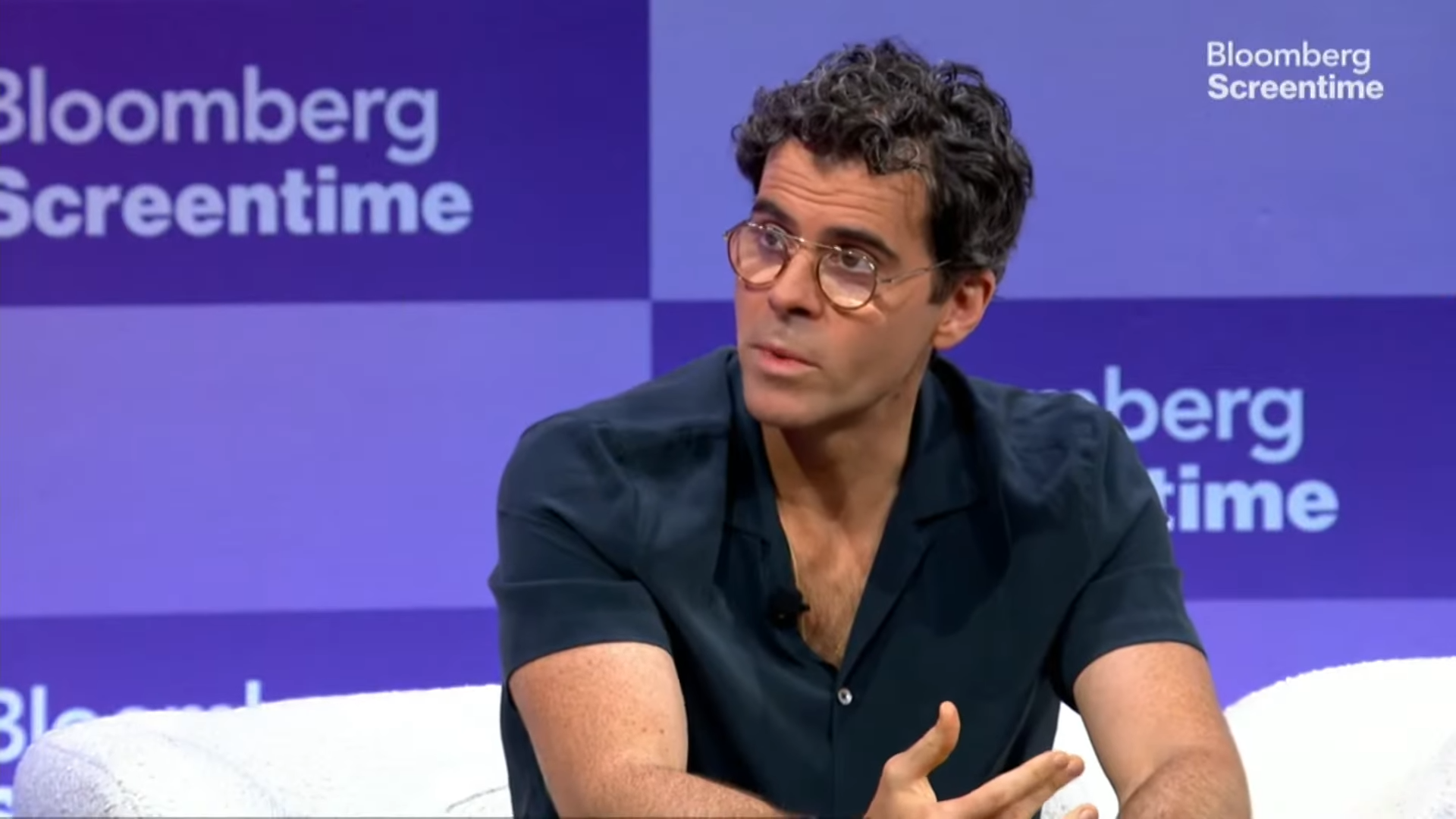
In contrast, other platforms like Instagram have historically struggled to replicate this direct, per-view monetization success for creators, particularly with short-form content. While Instagram offers some monetization tools, such as subscriptions, badges during Live videos, and direct tipping, it does not typically pay creators on a per-view basis from advertising revenue in the same way YouTube does. Instagram head Adam Mosseri openly acknowledged this disparity in an interview on the "Colin and Samir Show," a prominent podcast focused on the creator economy. "You can get paid by the platform directly, you can get paid by a fan, and you can get paid by a brand," Mosseri explained. "And right now, the way that it works on Instagram primarily is you primarily get paid by brands. Some people get paid by fans. We have still a small performance-based program, but… we spend more money than we make back by a long shot, and so it doesn’t really make sense to scale up because we’re just burning capital." This frank admission highlights the fundamental challenge Instagram has faced in establishing a direct, platform-driven revenue stream for its creators that is both scalable and profitable for Meta.
The inherent difficulty in monetizing short-form video content is a key factor. Shorter clips offer less "real estate" for ad placements, making it challenging to integrate multiple advertisements without disrupting the user experience or significantly impacting watch time. This has led many creators to view their Instagram and TikTok accounts primarily as promotional arms for their YouTube channels, driving traffic to where the real money is made.
Instagram’s Evolving Video Strategy: A Chronology of Pivots
Instagram’s journey with video content has been marked by several significant shifts and strategic adjustments, reflecting the platform’s continuous efforts to adapt to evolving user preferences and market trends.
Initially launched in 2010 as a photo-sharing app, Instagram gradually introduced video capabilities, starting with 15-second clips in 2013, which later expanded to 60 seconds. This initial foray into video was met with enthusiasm, but the content remained largely supplementary to its core photo-sharing experience.
The platform’s first major commitment to long-form video arrived in June 2018 with the launch of IGTV (Instagram TV). IGTV was envisioned as a dedicated hub for longer, vertical videos, allowing creators to upload content up to 10 minutes for regular accounts and up to 60 minutes for larger accounts. Instagram positioned IGTV as a mobile-first, immersive video experience, directly challenging YouTube’s dominance. However, IGTV faced numerous hurdles. Its separate app interface, poor discoverability within the main Instagram feed, and a lack of clear, direct monetization pathways for creators led to lukewarm adoption. Users found it cumbersome to switch between apps, and creators, without a reliable ad revenue share similar to YouTube’s, struggled to justify the effort required to produce long-form content exclusively for the platform. Despite efforts to integrate IGTV more closely into the main Instagram feed, the product never gained significant traction and was eventually deprecated in 2021, with all video content being consolidated into the broader Instagram Video format.
Following the rise of TikTok and the explosion of short-form, vertical video, Instagram pivoted aggressively to Reels in August 2020. Reels, directly mimicking TikTok’s format, offered short, entertaining video clips with music and effects, integrated seamlessly into the main Instagram feed and a dedicated tab. This move was incredibly successful in capturing user attention and combatting TikTok’s rapid growth. Reels quickly became a central part of the Instagram experience, driving engagement and time spent on the app. However, as Mosseri noted, monetizing Reels on a per-view basis has remained a challenge, largely due to the inherent difficulties of ad placement in such brief content formats.
Now, in a surprising turn, Instagram is once again embracing long-form content with its new "Features" videos. This current initiative, allowing videos up to 90 minutes, represents a strategic re-entry into a space it previously abandoned. This pivot suggests a recognition that while short-form content excels at discovery and quick engagement, long-form content fosters deeper connection, allows for more comprehensive storytelling, and critically, offers greater monetization potential through advertising. The timeline illustrates a platform in constant evolution, seeking to find the optimal balance between different content formats to maximize both user engagement and creator satisfaction.
The "Features" Rollout: Mechanics and Strategic Ambitions
The latest video update from Instagram is currently undergoing a controlled test, initially launched in Brazil and now expanding to a small cohort of users in the United States. The core of this initiative is the introduction of "Features" videos, allowing creators to upload content up to 90 minutes long. This move directly targets the type of content traditionally found on YouTube, such as tutorials, vlogs, documentaries, interviews, and episodic series.
A key technical innovation designed to facilitate the adoption of these longer videos is a feature called "Clips as Reels." This allows creators to easily generate short, engaging Reels from their longer "Features" content. These promotional Reels will then include a direct link, guiding viewers to the full-length video. This symbiotic relationship aims to leverage the discovery power of short-form content to drive viewership to long-form content, effectively bridging the gap between the two formats. Furthermore, Instagram is enabling viewers to save these longer videos for later viewing on the Instagram app for TV, signaling a broader ambition to move beyond mobile-only consumption and into living room entertainment.
Instagram is also enhancing other video functionalities, including improved discovery features for Live videos and a dedicated hub on a creator’s profile for episodic Reels. This hub will allow creators to organize connected Reels into series, akin to TikTok’s playlist feature, fostering a more structured and narrative-driven consumption experience.

Adam Mosseri himself addressed the shift in a video announcement, acknowledging his prior skepticism regarding long-form content on Instagram. "For a long time, I have been against doing long-form video on Instagram," Mosseri stated, explaining that shorter content like Reels typically drives more shares and direct messages among users. However, Instagram VP of Product Tessa Lyons championed the change, ultimately convincing Mosseri to revisit the strategy. "Reels is still going to be a core part of Instagram. But when you want to go deeper with the creators you love and the content that they’re creating, you should be able to do that on Instagram," Lyons articulated in the same announcement.
This statement encapsulates the strategic imperative behind the move: Instagram aims to become a comprehensive video destination, preventing users from migrating to YouTube for deeper dives into creator content. By offering both short-form (Reels) and long-form ("Features") content natively, Instagram hopes to increase time spent on the platform, strengthen creator-audience bonds, and ultimately, capture a larger share of the digital advertising market. The platform’s commitment is long-term, as Mosseri emphasized: "We’re going to try to support these different types of formats, both in the mobile app, but also on the TV app, which I think is… going to take some time to get right. But I’m actually very excited about it, and we’re very committed to it long term."
The Monetization Conundrum: Can Instagram Truly Compete with YouTube?
The ultimate success of Instagram’s renewed long-form video push hinges critically on its ability to offer a compelling and sustainable monetization model for creators. Without a robust revenue-sharing program, the platform risks repeating the fate of IGTV, where creators lacked sufficient incentive to invest in producing high-quality, longer content.
Meta, Instagram’s parent company, generates billions through advertising, making it a logical assumption that ads will eventually be integrated into these new long-form videos. The question, however, is whether Meta can implement an ad revenue share that is competitive with YouTube’s established 55% creator split. When pressed on the long-term monetization model, a Meta spokesperson offered a cautious, yet non-committal, response to TechCrunch: "It’s too early to share a long-term monetization model, but we’re exploring ways for creators to earn from brands, fans, and Instagram, including performance-based incentives. Over time, we think there will be compounding benefits for creators to tell new stories, reach new audiences, and find new partners, which should lead to many monetization opportunities."
This response, while not a definitive "no" to a YouTube-style ad share, is notably vague. It suggests that while Meta is aware of the need for creator compensation, it has not yet finalized a specific, direct revenue-sharing model for long-form video advertising. The emphasis on "brands, fans, and Instagram" indicates a multi-pronged approach, where direct ad revenue might be one component alongside existing tools like subscriptions and brand collaborations.
For Instagram to meaningfully compete with YouTube’s Partner Program, it would need to:
- Develop a robust ad placement and targeting system for long-form video: This involves sophisticated algorithms to ensure relevant ads are shown without overly disrupting the viewing experience.
- Offer a competitive revenue share: Creators are keenly aware of YouTube’s 55% split, and Instagram would likely need to match or closely approximate this to attract top-tier talent.
- Provide transparent analytics: Creators need clear data on ad impressions, revenue generated, and audience engagement to understand their earnings potential.
- Ensure a critical mass of advertisers: Advertisers need to be convinced of the reach and effectiveness of long-form video ads on Instagram.
The challenge is significant. YouTube has spent years perfecting its monetization engine, building trust with both creators and advertisers. Instagram would be starting from a position of needing to prove its value in this specific segment, especially after the IGTV experience. The success of this new video push will hinge not just on the content format itself, but on Meta’s willingness to invest heavily in a direct, scalable, and attractive revenue-sharing model for creators.
Broader Impact and Implications for the Creator Economy
Instagram’s re-entry into the long-form video arena carries significant implications for creators, the platforms themselves, and the broader digital media landscape.
For Creators:
- Diversification of Income: If Instagram successfully implements a competitive ad revenue share, it could offer creators another significant platform for direct monetization, reducing their reliance on a single platform (YouTube) or on brand deals.
- Streamlined Content Strategy: The "Clips as Reels" feature could allow creators to efficiently repurpose content, using short-form clips to promote longer videos, thereby maximizing their content’s reach across different formats within the same app.
- Platform Loyalty: Creators might find it more appealing to keep their audience entirely within the Instagram ecosystem if they can monetize both short and long-form content there, rather than splitting their audience across Instagram for short-form and YouTube for long-form.
- Potential for New Audiences: Instagram’s massive user base could introduce long-form content to audiences who might not actively seek it out on YouTube, expanding the reach for certain types of creators.
For Platforms:
- Intensified Competition: This move signals a direct challenge to YouTube’s long-form video dominance. Meta is clearly aiming to capture more "time spent" from users who currently switch to YouTube for longer content.
- Ecosystem Integration: Instagram’s strategy to integrate short and long-form video symbiotically reflects a broader trend among platforms to become all-encompassing content hubs, preventing user migration. TikTok has been experimenting with longer videos, and YouTube has heavily invested in Shorts.
- Advertising Revenue Wars: The success of this initiative could shift advertising dollars, particularly for brand-safe, longer-form content, from YouTube to Instagram.
For the Broader Creator Economy:
- Further Platform Fragmentation: While offering more options, it could also mean creators need to manage even more complex strategies across multiple platforms, each with its own nuances for content creation, audience engagement, and monetization.
- Evolution of Content Formats: The battle between short and long-form content will continue to evolve, with platforms trying to find the optimal mix that satisfies both creators and consumers.
- Increased Focus on Creator Welfare: The competitive landscape might force platforms to offer more attractive terms, better tools, and more support to creators, recognizing them as the lifeblood of their ecosystems.
Challenges and the Road Ahead
Despite the ambitious strategic shift, Instagram faces several significant challenges in its bid to become a dominant player in long-form video.
- User Habits: Instagram users have been conditioned for years to consume short, bite-sized content. Shifting this ingrained behavior towards longer videos will require a compelling user experience and strong content.
- Discoverability: While "Clips as Reels" helps, ensuring that high-quality long-form content is easily discoverable within a feed optimized for short-form and visual posts will be crucial. IGTV struggled precisely because of poor discoverability.
- Creator Trust: Creators, especially those who invested in IGTV only to see it deprecated, might approach this new initiative with a degree of skepticism. Instagram will need to demonstrate a long-term, unwavering commitment and a clear monetization path to win their trust.
- Ad Load and User Experience: Integrating ads into longer videos without alienating users is a delicate balance. Too many ads, or poorly placed ones, could drive users away.
- Technical Infrastructure: Scaling the infrastructure to handle vast amounts of high-quality long-form video, including streaming capabilities for TV apps, is a significant technical undertaking.
Instagram’s decision to re-embrace long-form video is a high-stakes gamble. It signifies a realization that while short-form content drives viral trends and rapid engagement, long-form content builds deeper community, fosters loyalty, and offers more sustainable monetization opportunities crucial for retaining top creators. Whether Instagram can successfully leverage its massive user base and Meta’s advertising prowess to carve out a significant share of the long-form video market and truly challenge YouTube’s reign remains to be seen. The coming years will reveal if this strategic pivot marks a new era for Instagram, or another challenging chapter in its evolving video journey.

