
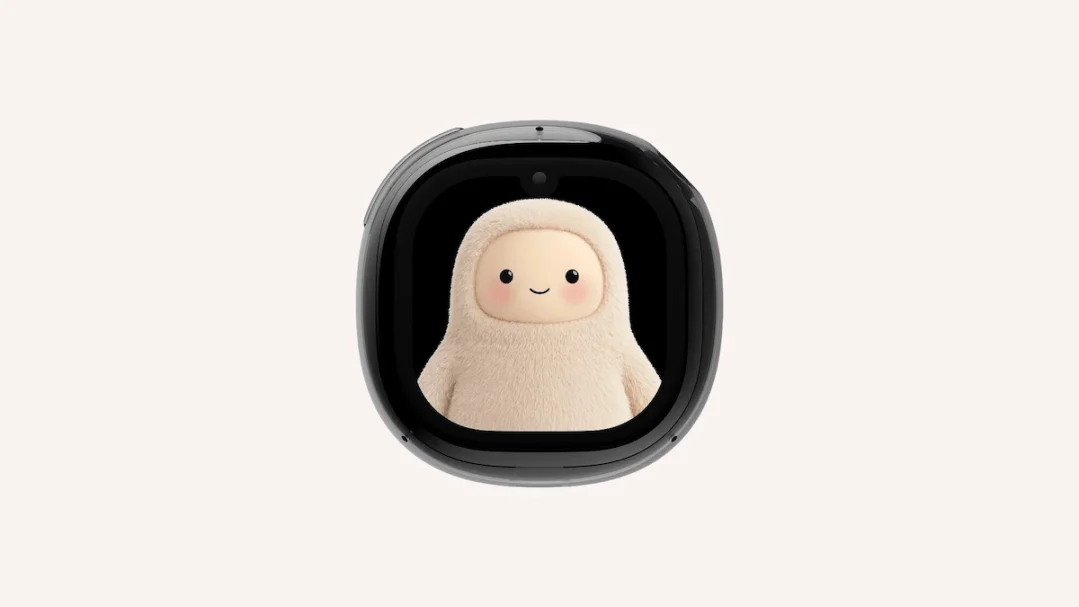
Meta has announced a significant expansion of its artificial intelligence capabilities within Instagram, allowing users to directly interact with its AI agent, Muse, within direct message (DM) threads and to leverage its intelligence for organizing saved content. This strategic integration, rolled out beginning Tuesday for iOS and Android users in key markets including the U.S., Canada, Mexico, Japan, and Singapore, marks a pivotal step in Meta’s overarching ambition to embed AI seamlessly into the everyday digital lives of its billions of users. The move aims to streamline user experience by eliminating the need to toggle between different applications, while simultaneously enhancing content discovery, personalization, and productivity on the popular social media platform.
Revolutionizing Direct Messages with AI-Powered Assistance
The core of this new integration lies in bringing Muse directly into Instagram’s direct message functionality. Users can now initiate a chat with Muse in a DM thread, treating it as a conversational partner. This capability extends beyond simple chatbot interactions, offering a dynamic way for users to gain deeper context about posts, places, or products they encounter on the platform. For instance, if a user comes across an intriguing travel post, they can share it with Muse and ask for more details about the destination, historical facts, or even practical travel tips. Similarly, product advertisements or local business profiles can be sent to Muse for further information, comparison, or even to find related deals. This feature is particularly useful for users looking to make informed decisions about purchases or travel plans directly within their social media experience.
Beyond content exploration, Muse in DMs also addresses a common pain point for active Instagram users: keeping up with voluminous conversations. The AI agent can be prompted to summarize missed discussions in other DM threads, providing users with a quick overview and enabling them to catch up efficiently without sifting through long chat histories. This not only saves time but also ensures users remain engaged and informed across their various interactions on the platform. The integration is designed to be intuitive; conversations with Muse within Instagram will also appear as a side chat in the main Muse app, ensuring continuity for users who interact with the AI across different Meta properties.
One of the most compelling aspects of Muse’s DM integration is its ability to take actionable steps based on user requests and shared content. Users can share an Instagram post with Muse and issue commands such as: "Add this coffee shop to my Mexico City itinerary," or "Find a Black Friday deal on a pair of shoes like these." This transforms the AI from a mere information provider into a personal assistant capable of executing tasks that bridge the gap between discovery and action. This functionality is expected to significantly enhance the utility of Instagram, moving it beyond a passive content consumption platform to an active tool for planning, shopping, and organizing.
Intelligent Content Organization with Muse-Powered Collections
In addition to its role in DMs, Muse is also being deployed to revolutionize how users manage their saved content on Instagram. Historically, Instagram’s "Collections" feature allowed users to bookmark posts and organize them into custom folders. With Muse, this process becomes intelligent and automated. Meta announced that users can now do more with the posts and reels they’ve bookmarked, leveraging Muse to organize this content into smart, custom folders.
For example, a user who frequently saves recipe videos can ask Muse to analyze these saved items and automatically generate a grocery list based on the ingredients depicted. Similarly, travel enthusiasts who collect content from their favorite travel creators can prompt Muse to transform these disparate posts into a cohesive itinerary for an upcoming trip, complete with suggested activities and locations. Fashion aficionados can feed Muse a collection of saved fashion reels and receive personalized outfit ideas, drawing inspiration from their accumulated preferences.
This feature begins rolling out on Tuesday in the U.S. and Canada. When users save a post on Instagram, they will now see a prompt suggesting Muse can help organize it for them. This proactive assistance aims to reduce the organizational burden on users, making their saved content more accessible and actionable. The intelligent categorization and synthesis capabilities offered by Muse promise to unlock new levels of utility from saved content, transforming passive archives into dynamic resources.
Meta’s Broader AI Vision and the Competitive Landscape
The integration of Muse into Instagram is not an isolated development but rather a cornerstone of Meta’s ambitious and aggressive push into the artificial intelligence domain. For years, Meta has invested heavily in AI research and development, culminating in projects like its large language models (LLMs) such as Llama. The company’s CEO, Mark Zuckerberg, has repeatedly articulated a vision where AI agents become ubiquitous, assisting users across all of Meta’s applications and even in its hardware products, such as the Ray-Ban Meta smart glasses.
This current rollout positions Muse as a direct manifestation of Meta’s strategy to bring sophisticated AI capabilities directly to its massive user base. The company has been steadily integrating AI features across its family of apps, including WhatsApp and Messenger, offering various AI personas for creative tasks, information retrieval, and productivity. By embedding Muse directly into Instagram, Meta is not only making its AI more accessible but also leveraging Instagram’s unique ecosystem where users already discover products, places, and diverse content. This strategic placement allows Muse to learn from user interactions within a rich data environment, potentially leading to more personalized and effective AI assistance over time.

The move also underscores the intensifying "AI race" among global tech giants. Companies like Google with Gemini, OpenAI with ChatGPT, Microsoft with Copilot, and Apple with its rumored AI initiatives are all vying for supremacy in the AI assistant market. By integrating Muse deeply into Instagram, Meta is strengthening its competitive stance, aiming to differentiate its platforms by offering a truly embedded and context-aware AI experience. The convenience of not having to switch between apps or platforms for AI assistance could be a significant draw for users, potentially increasing engagement and loyalty within Meta’s ecosystem. This reflects a broader industry trend where AI is no longer a standalone product but an integral layer enhancing existing services.
User Control, Privacy, and Ethical Considerations
While the integration of powerful AI tools like Muse offers numerous benefits, it also invariably raises questions about data privacy and user control. Meta has proactively addressed these concerns, emphasizing that users remain fully in control of their Muse experience on Instagram. The company explicitly states that "Nothing is shared, published, or sent without their approval." This assurance is critical for building user trust, particularly given Meta’s past scrutiny regarding data handling.
Furthermore, Meta has empowered users with the ability to manage their interactions with Muse. Users can ask Muse to "forget" information or "undo" actions at any time, providing a mechanism for correcting errors or retracting data they no longer wish the AI to retain. This level of granular control is essential for mitigating privacy risks and ensuring that the AI functions as an assistant rather than an intrusive entity. The company’s commitment to transparency and user agency will be crucial for the widespread adoption and long-term success of Muse.
Industry analysts highlight that while Meta’s assurances are important, the inherent nature of AI learning from user data means ongoing vigilance is required. Companies must continuously iterate on their privacy frameworks and ensure clear communication with users about how their data is utilized to train and improve AI models. The balance between offering highly personalized AI experiences and safeguarding user privacy will be a defining challenge for Meta and other tech companies in the evolving AI landscape.
Economic and Strategic Implications
The integration of Muse into Instagram carries substantial economic and strategic implications for Meta. On the economic front, enhancing user engagement and streamlining discovery through AI could directly translate into increased monetization opportunities. For instance, Muse’s ability to find Black Friday deals or add items to shopping lists based on shared posts could drive higher conversion rates for businesses advertising on Instagram. By making the path from discovery to purchase more seamless, Meta can strengthen Instagram’s position as a powerful e-commerce platform. The potential for AI-powered personalized recommendations could also lead to more effective advertising, as Muse understands user preferences and intent more deeply.
Strategically, this move fortifies Instagram’s ecosystem. In an era where users often hop between different apps for various functions – social media, shopping, planning, information retrieval – integrating an all-encompassing AI assistant like Muse aims to consolidate these activities within Instagram. This could lead to increased time spent on the platform, making it stickier and more indispensable for its users. The phased rollout across key global markets like the U.S., Canada, Mexico, Japan, and Singapore suggests a calculated approach to gather user feedback and refine the AI’s capabilities before a broader global expansion. These regions represent significant user bases and diverse cultural contexts, providing valuable insights into how Muse performs across different demographics and use cases.
The move also signals Meta’s commitment to innovation and its agility in adapting to new technological paradigms. By aggressively pursuing AI integration, Meta aims to maintain its leadership position in the social media space and to explore new frontiers in human-computer interaction. The success of Muse could pave the way for even more advanced AI functionalities, potentially leading to fully personalized social feeds, proactive content creation assistance, and even more immersive experiences within Meta’s metaverse vision.
Challenges and Future Outlook
Despite the significant potential, challenges remain. The accuracy and reliability of AI agents are constantly evolving. Muse, like any AI, will need continuous training and refinement to provide consistently helpful and accurate responses. User adoption will also depend on the perceived value and ease of use. If the AI is not intuitive or if it frequently provides irrelevant information, users may revert to their old habits.
Furthermore, the competitive landscape will continue to intensify. As other tech companies advance their own AI assistants, Meta will need to ensure Muse remains at the forefront of innovation, offering unique and compelling features. The ethical considerations surrounding AI, particularly regarding bias in algorithms and the potential for misuse, will also require ongoing attention and proactive management from Meta.
Looking ahead, the integration of Muse into Instagram represents a significant step towards a future where AI is deeply embedded in our digital interactions. It signals a shift from AI as a specialized tool to AI as a fundamental layer of the user experience. As Muse learns and evolves, it has the potential to fundamentally reshape how billions of users interact with social media, discover content, manage their digital lives, and even make purchasing decisions, solidifying Instagram’s role as a multifaceted, intelligent platform at the heart of Meta’s expansive digital ecosystem.

