
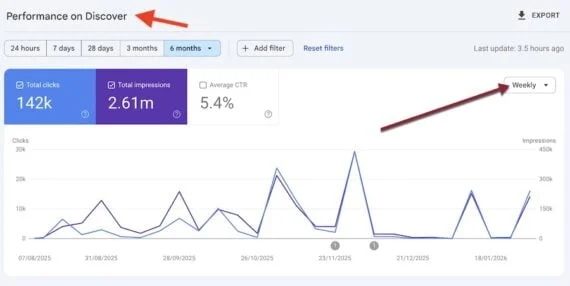
Google has recently implemented a substantial core update to its Discover platform, initially rolled out in the United States and slated for a global release. This update, accompanied by revised content guidelines, signals a strategic shift in how Google surfaces engaging content to users and emphasizes a renewed focus on content quality, user experience, and topical authority. For publishers who have come to rely on Discover as a significant traffic driver, understanding these changes is paramount to maintaining and potentially increasing their visibility.
The evolution of Google Discover has positioned it as a potent source of organic traffic for many online publications. Unlike traditional search results, Discover presents content tailored to individual user interests, proactively surfacing articles, videos, and other media directly within the Google app and on compatible Android devices. This proactive delivery mechanism has made it an attractive channel for publishers aiming to reach a broad and engaged audience. However, its algorithmic nature means that changes in Google’s evaluation criteria can have a profound impact on traffic levels.
A History of Guidance and Evolution
Google’s commitment to guiding publishers on how to succeed with Discover is not new. The company has maintained "Get on Discover" guidelines on its Search Central blog since 2019. These guidelines have historically detailed the platform’s content quality requirements and offered strategies for traffic recovery, providing a framework for publishers to optimize their content for the Discover feed. The recent revision of these guidelines, coinciding with the core update, underscores Google’s ongoing efforts to refine the Discover experience.
Key Changes in Publisher Requirements
While many foundational principles for appearing on Discover remain consistent, two specific areas have been newly emphasized and integrated into the updated guidelines: the stringent avoidance of clickbait and the overarching importance of page experience.
1. The Mandate Against Clickbait
The updated guidelines place a pronounced emphasis on eliminating clickbait. Previous iterations of Google’s guidance had already cautioned against "misleading or exaggerated details in preview content." However, this recommendation has been elevated to a more prominent position, indicating its heightened significance in the context of the core update.
Google defines clickbait as content that prevents potential readers from accurately understanding what the content is about and manipulates them into clicking a link. This definition extends to tactics that prey on a user’s curiosity without delivering on the promise of the headline or preview. The guidelines explicitly warn publishers against employing "sensationalism tactics… by catering to morbid curiosity, titillation, or outrage." This suggests that Discover will actively penalize content that relies on shock value or deceptive framing to drive engagement, aiming instead to surface content that is genuinely informative and meets user expectations.

Background Context: The ongoing battle against misinformation and low-quality content has been a persistent theme in Google’s search and content surfacing strategies. Clickbait tactics, by their very nature, undermine user trust and can lead to a frustrating experience. By tightening these guidelines, Google aims to foster a more reliable and satisfying environment for Discover users, where the content they encounter is relevant and accurately represented.
2. Prioritizing Page Experience
The introduction of "Provide a great page experience" as a new requirement aligns with Google’s broader search algorithm philosophy, which consistently rewards websites that offer strong user engagement and a seamless interaction. While the concept of user experience has always been implicitly valued, its explicit inclusion as a key criterion for Discover is a significant development.
Google gathers page experience metrics from its vast user base through the Chrome browser. These metrics are typically retained and analyzed for high-traffic pages. For websites with limited traffic, it’s important to note that Core Web Vitals data may not be readily available in Google Search Console. This implies that a certain threshold of engagement is necessary for these metrics to be comprehensively tracked and evaluated by Google.
Implications for Publishers: Websites experiencing substantial declines in Discover traffic, particularly those reporting 50% or more losses, are strongly advised to conduct a thorough audit of their user experience. This audit should encompass several critical areas:
- Core Web Vitals: Publishers must ensure their sites meet Google’s standards for Core Web Vitals, which include metrics like Largest Contentful Paint (LCP) for loading performance, First Input Delay (FID) for interactivity, and Cumulative Layout Shift (CLS) for visual stability. Poor performance in these areas can directly hinder a site’s Discover visibility.
- Mobile-Friendliness: With a significant portion of Discover users accessing content via mobile devices, a responsive and mobile-friendly design is non-negotiable. This includes ensuring that content is easily readable and navigable on smaller screens without excessive zooming or horizontal scrolling.
- HTTPS Security: Secure browsing is a fundamental expectation for users online. Websites that do not utilize HTTPS are at a disadvantage, as security is a critical component of a trustworthy online experience.
- Absence of Intrusive Interstitials: Pop-ups and other intrusive elements that disrupt the user experience, particularly on mobile devices, can negatively impact page experience scores and, consequently, Discover eligibility.
Broader Implications of the Core Update
Beyond the explicit guideline changes, the announcement of the Discover core update also sheds light on other crucial factors influencing content visibility.
The Ascendancy of Topical Authority
While the revised "Get on Discover" guidelines do not explicitly mention "topic authority," Google’s official announcement of the Discover core update directly addresses this concept. Google stated, "Since many sites demonstrate deep knowledge across a wide range of subjects, our systems are designed to identify expertise on a topic-by-topic basis." This statement strongly suggests that the update is designed to elevate niche, authoritative websites that demonstrate deep expertise within specific subject areas.
Analysis: This focus on topical expertise implies a strategic move by Google to prioritize depth and specialization over broad, superficial coverage. Publishers who consistently produce high-quality, in-depth content on specific topics are likely to see increased visibility. This could lead to a scenario where highly specialized blogs and publications gain prominence within Discover, potentially at the expense of more generalist content creators. For e-commerce sites, this could mean that those with specialized product knowledge or deep industry insights will fare better.
Personalization and Localization
The announcement also indicated that Discover will increasingly feature more local and personalized content. This means that Google’s algorithms will be working harder to understand individual user locations and preferences, surfacing content that is relevant to their immediate surroundings and personal interests.
Impact on E-commerce Publishers
For most e-commerce blogs, the impact of this core update might be relatively modest, especially for those with limited Discover traffic. However, the emphasis on topical authority and page experience suggests that even smaller sites can benefit from strategic optimization.
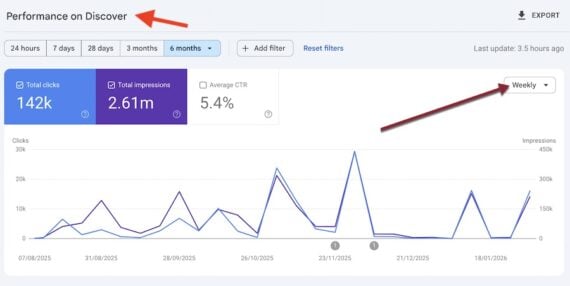
Recommendation for Publishers: It is crucial for all publishers to remain vigilant and monitor their performance in the Discover section of Google Search Console. Switching to "weekly" statistics in Search Console provides a more current overview of traffic trends and the impact of these algorithm changes. By actively analyzing this data, publishers can identify what content is resonating with users and adapt their strategies accordingly.
Timeline of Events and Future Outlook
The rollout of the core update and the revised guidelines represent a significant juncture for Google Discover. The initial US launch suggests a phased approach to global implementation, allowing Google to gather data and refine its processes before a wider release.
- 2019: Google first publishes "Get on Discover" guidelines, outlining content quality requirements.
- Recent Weeks: Google implements a core update to Discover, initially in the U.S.
- Concurrent with Update: Google revises its "Get on Discover" guidelines, introducing new emphasis on clickbait avoidance and page experience.
- Global Rollout: Expected to follow the initial U.S. implementation.
The future of Discover appears to be one of increasing sophistication in content curation, driven by a commitment to user satisfaction. By focusing on genuine expertise, seamless user experiences, and relevant, personalized content, Google aims to solidify Discover’s position as a valuable and trustworthy source of information and entertainment for its users. Publishers who adapt to these evolving criteria, prioritizing quality and user-centric design, are best positioned to thrive in this dynamic environment. The emphasis on topical authority suggests a move towards a more specialized and in-depth content ecosystem within Discover, rewarding those who can demonstrate genuine mastery of their chosen subjects.

