
The burgeoning digital landscape has created a fertile ground for remote work, and within this evolving industry, a distinct niche is captivating individuals with a talent for spoken word: audiobook narration and voice-over artistry. For those possessing a naturally clear, resonant voice, a penchant for public speaking, or a desire to channel their creative energies into a flexible, artistic pursuit, the world of voice acting presents a compelling avenue for income and fulfillment. This article delves into the intricacies of this growing field, exploring what it entails, the skills required, the necessary equipment, and the diverse platforms available for securing freelance work.
The Art and Business of Voice Over
Voice-over work, often broadly defined as any spoken narration or dialogue delivered off-camera or off-stage, encompasses a vast array of applications. While the popular imagination might first conjure images of animated characters in beloved cartoons or the dramatic pronouncements in blockbuster films, the reality of voice acting extends far beyond these archetypes. Professionals in this field lend their voices to radio advertisements, television productions, filmmaking, video games, corporate training modules, e-learning courses, and, increasingly, the narration of audiobooks and e-books.
The core of voice-over artistry lies in a sophisticated blend of speaking proficiency, adept oral reading, and nuanced performance. It requires the ability to interpret scripts, convey emotion, maintain consistent characterization (if applicable), and deliver content with clarity and engaging pacing. For audiobook narrators specifically, this translates to bringing written stories to life, embodying characters, and guiding listeners through narratives with a captivating vocal performance. The demand for high-quality audio content has surged, driven by the widespread adoption of digital platforms and the increasing preference for consuming information and entertainment through audio formats.
Cultivating the Narrator’s Craft
Embarking on a career as an audiobook narrator, particularly for those new to the field, necessitates a foundational understanding and development of the craft. Many seasoned professionals attribute their success to dedicated training, which can include formal acting classes, specialized voice lessons, and personalized coaching. These avenues provide aspiring narrators with essential techniques in vocal projection, articulation, breath control, emotional expression, and script analysis.
Beyond formal instruction, practical experience and keen observation play pivotal roles. Aspiring narrators are encouraged to immerse themselves in the world of professional audiobooks. By actively listening to a diverse range of narrators, one can gain invaluable insights into effective tone, strategic pacing, and the subtle art of inflection. Understanding how different narrators approach various genres, character voices, and narrative styles can significantly inform one’s own developing technique. Audiobook narration is, in essence, a unique performance art form, and its mastery is cultivated through consistent practice, critical self-assessment, and the solicitation of constructive feedback.
Essential Tools for the Aspiring Voice Artist
To translate vocal talent into professional audio output, a dedicated investment in appropriate equipment and a suitable recording environment is crucial. While beginners might initially explore renting studio time for demo recordings, building a home-based setup is a common and often more cost-effective long-term strategy.
At a minimum, aspiring voice actors will require:
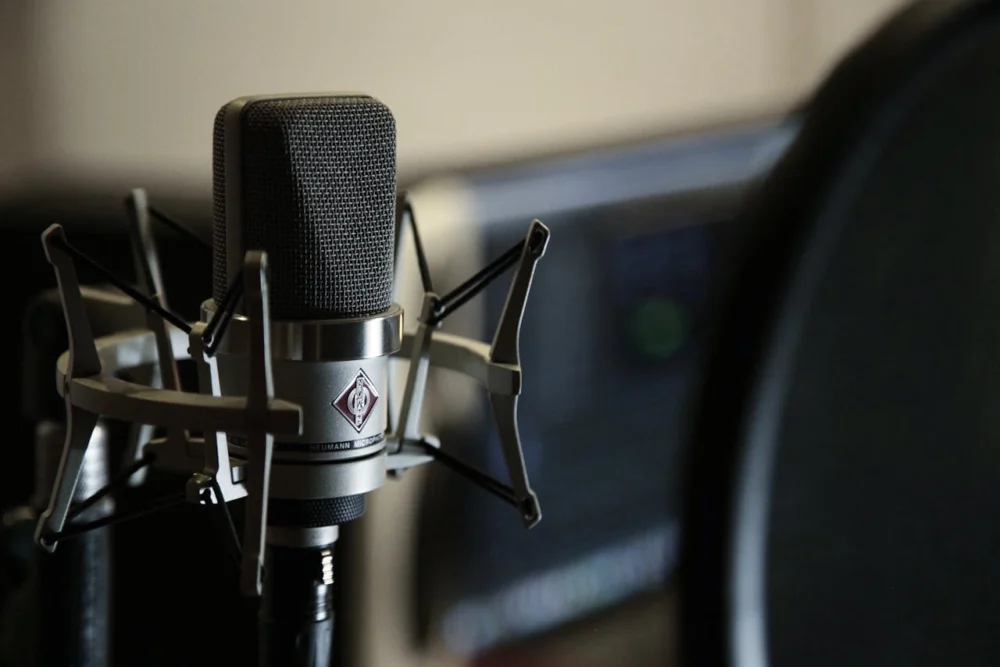
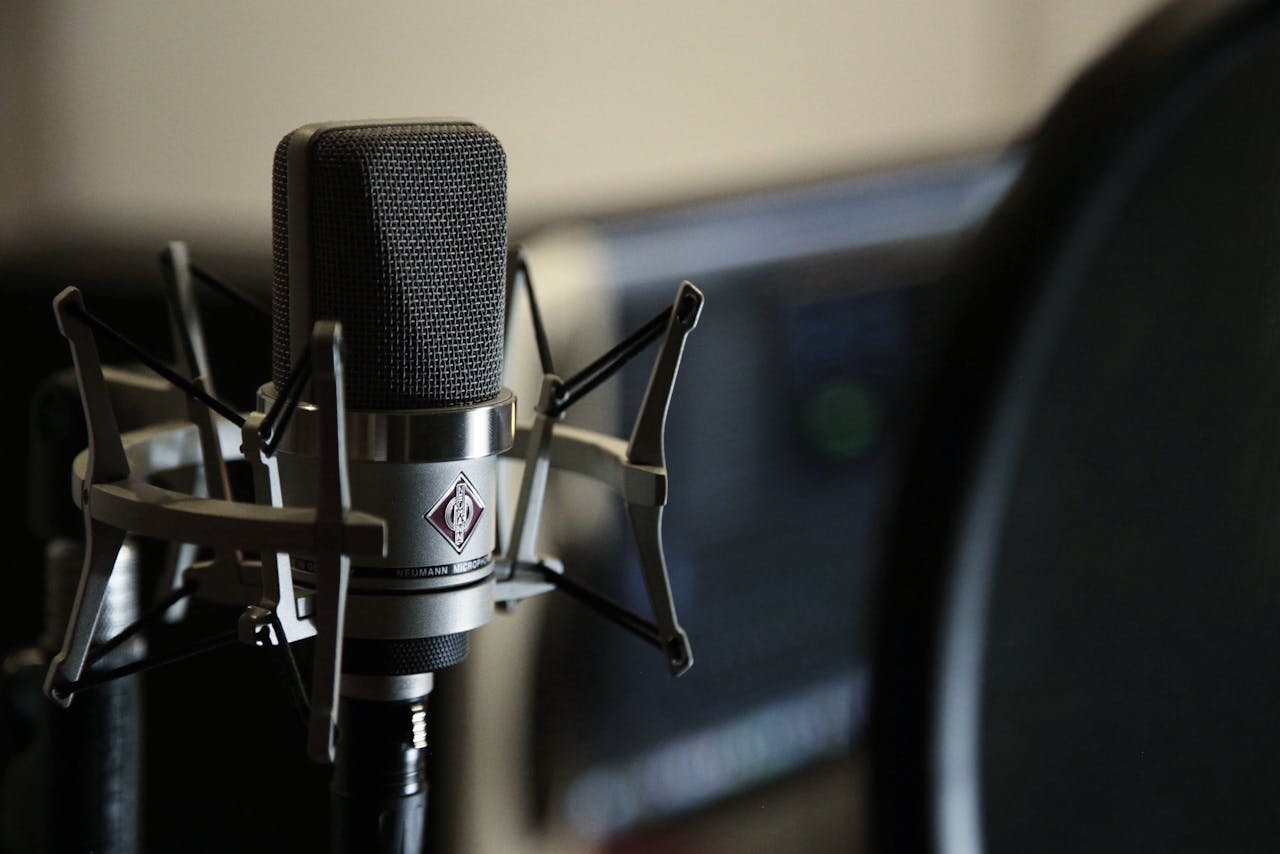
- A Quality Microphone: The cornerstone of any audio recording setup. Condenser microphones are often favored for their sensitivity and detailed sound reproduction, while dynamic microphones can be more robust and less susceptible to background noise.
- An Audio Interface: This device acts as a bridge between the microphone and the computer, converting the analog signal from the microphone into a digital format that the computer can process.
- Headphones: Closed-back studio headphones are essential for monitoring audio during recording, allowing the narrator to hear exactly what is being captured without sound bleeding into the microphone.
- Recording Software (DAW – Digital Audio Workstation): Software such as Audacity (free), Adobe Audition, Reaper, or Logic Pro allows for the recording, editing, and mixing of audio.
- A Pop Filter or Windscreen: These accessories are vital for minimizing plosive sounds (like ‘p’ and ‘b’) and sibilance, which can create unpleasant popping noises in recordings.
Crucially, the recording environment itself plays a significant role in audio quality. Recording in untreated rooms, especially with less sophisticated equipment, can result in unwanted echoes, reverberation, and ambient noise. This poor sound quality can lead to rejected submissions on professional platforms, hindering career progression. Therefore, creating a quiet, acoustically treated space, even a makeshift one using blankets or acoustic foam, is a worthwhile endeavor.
Navigating the Freelance Marketplace
The digital realm offers a multitude of platforms where voice-over artists can connect with clients and secure freelance opportunities. While general freelance marketplaces like Fiverr, Upwork, and Guru provide a starting point, they often feature competitive rates, particularly for newcomers. However, they can serve as valuable testing grounds for gaining experience and building a portfolio.
For those specifically targeting audiobook narration, several specialized platforms are noteworthy:
ACX.com: A Gateway for Aspiring Narrators
ACX (Audiobook Creation Exchange) stands as a prominent platform, particularly for individuals new to audiobook narration. It acts as a bridge between authors, publishers, and narrators. Professionals can establish profiles, upload vocal samples, and actively audition for book projects. ACX offers two primary compensation models:
- Royalty Share: In this model, narrators earn a percentage of the audiobook’s sales revenue. While this can be appealing for new narrators seeking to build a catalog without upfront investment, income is directly tied to the book’s commercial success.
- Per Finished Hour (PFH): This model provides a fixed rate for each hour of completed, mastered audio. Rates for non-union work typically range from $100 to $300 PFH, reflecting the extensive post-production effort involved.
ACX also equips users with marketing tools and project management features, facilitating the tracking of projects and payments.
Voices.com: A Professional-Level Hub
Voices.com is a more established, professional-tier platform catering to a wide range of voice-over needs, including commercials, corporate narration, and training videos, alongside audiobook projects. Accessing premium job listings often requires a paid subscription, and a polished portfolio of high-quality audio demonstrations is essential. The platform is highly competitive, underscoring the importance of honing one’s skills and producing a strong demo reel.
Bunny Studio: For Experienced Professionals
Bunny Studio is recognized for its competitive compensation but also for its stringent entry requirements. Prospective freelancers must pass an assessment to demonstrate their technical proficiency and audio quality standards. While not ideal for absolute beginners, it represents a valuable target for experienced narrators seeking well-remunerated work once they have established a solid track record.
Understanding Voice-Over Compensation
The earning potential in voice-over work is as varied as the projects themselves, influenced by factors such as experience level, the nature of the project, and the platform through which clients are sourced. On general freelance sites, initial rates for shorter scripts or commercial reads might range from $20 to $50.
For audiobook narration, the Per Finished Hour (PFH) model is standard for non-union work, with rates typically falling between $100 and $300 PFH. It is critical to understand that "finished hour" refers to the final, edited, and mastered audio content. The actual time invested in recording, editing, and mastering a single finished hour of audio can range significantly, often between three to six hours, sometimes more, depending on the complexity and the narrator’s efficiency.
Professional voice actors may also become members of SAG-AFTRA (the Screen Actors Guild‐American Federation of Television and Radio Artists), the labor union representing performers. Union membership often leads to higher, more standardized rates and access to exclusive projects.
As mentioned, royalty-share arrangements, prevalent on platforms like ACX, offer an alternative income stream. While some narrators avoid these due to the inherent uncertainty, others utilize them as a strategic stepping stone to build their portfolio and gain valuable experience, especially when starting out.
Strategies for Launching a Voice-Over Career
Building a successful freelance voice-over career is a journey that requires dedication, strategic planning, and continuous improvement. The foundational step involves acquiring the necessary skills through online tutorials, cost-effective courses, and readily available YouTube content that caters to beginners.
Key strategies for launching and sustaining a voice-over career include:
- Develop a Professional Demo Reel: This is your auditory business card. Create distinct demos showcasing your range, including different genres, character voices, and narration styles. High-quality audio is non-negotiable.
- Build a Strong Online Presence: Establish professional profiles on relevant platforms and consider creating a personal website to showcase your work, testimonials, and contact information.
- Network Actively: Engage with other voice actors, authors, and industry professionals online and at relevant events. Building relationships can lead to referrals and collaborative opportunities.
- Master Your Technical Skills: Beyond vocal performance, proficiency in audio editing, mastering, and understanding file formats is essential for delivering professional-quality audio.
- Seek Consistent Work and Feedback: Actively audition for projects, and when possible, solicit feedback on your auditions and completed work. Continuous learning and adaptation are crucial.
- Treat it Like a Business: Manage your time effectively, maintain clear communication with clients, invoice promptly, and set realistic financial goals.
While the path to a lucrative voice-over career can be challenging, many individuals have successfully transitioned from novice to established professional, building substantial side incomes or even full-time careers in this dynamic field.
Exploring Introductory Training Opportunities
For individuals curious about the potential of voice-over work and whether it aligns with their aspirations, introductory training programs can provide a valuable overview. Courses such as "Get Paid To Do Voice-Overs," often offered as free mini-courses, aim to demystify the industry. These programs are designed for those who:
- Possess a naturally pleasing voice and enjoy speaking.
- Have prior experience with public speaking or voice training.
- Are seeking an artistic, flexible work-from-home opportunity.
- Are interested in the specific realm of audiobook narration.
Such introductory courses offer a foundational understanding of the voice-over landscape, helping individuals ascertain their interest and suitability for pursuing this career path more seriously. They serve as an accessible entry point for exploration and informed decision-making.
The world of voice-over work, particularly audiobook narration, offers a compelling blend of artistic expression and flexible remote employment. By cultivating the necessary skills, investing in appropriate equipment, and strategically navigating the available platforms, individuals with a passion for spoken word can unlock a rewarding and potentially lucrative career.
Photo by Amin Asbaghipour: https://www.pexels.com/photo/close-up-photo-of-microphone-3710191/

