
Fetch, a mobile application designed to reward consumers for their everyday purchases, is gaining traction as a straightforward method for individuals to earn points redeemable for gift cards. The app allows users to scan physical and digital receipts from a wide array of retailers, converting these often-discarded pieces of paper into tangible rewards. This approach taps into a growing consumer desire for cost savings and passive income opportunities, particularly for activities already integrated into daily life.
The Fetch Phenomenon: Turning Receipts into Rewards
The core functionality of Fetch is its simplicity: users download the free application, create an account, and then photograph their shopping receipts. For each valid receipt submitted, users accumulate points. These points can then be redeemed for gift cards to popular retailers such as Amazon, Walmart, and Target, among many others. The app supports both in-store and online purchases, aiming to integrate seamlessly into existing shopping habits without requiring users to alter their purchasing decisions or preferred retailers.
The premise behind Fetch is rooted in the data retailers collect from consumer transactions. By partnering with brands and retailers, Fetch acts as an intermediary, providing value to consumers in exchange for their purchasing data. This data can then be aggregated and anonymized, offering valuable insights into consumer behavior, purchasing trends, and product popularity to participating brands. In return for this access, Fetch incentivizes consumers with a direct reward mechanism.
A Seamless Integration into Consumer Habits
Fetch’s appeal lies in its low barrier to entry. The app is available on both the iOS App Store and the Google Play Store, and the sign-up process is designed to be quick and user-friendly, often taking less than five minutes. Users are encouraged to use referral codes from existing users upon initial sign-up, which can provide an immediate point bonus, further incentivizing network growth.
The earning mechanism is primarily driven by receipt scanning. Users can upload up to 35 receipts within a seven-day period. It is crucial for users to be aware of the 14-day window for submitting physical receipts from the date of purchase; beyond this period, the receipts become ineligible for processing. This time sensitivity encourages prompt engagement with the app after shopping excursions.

Beyond standard receipt scanning, Fetch offers an "Special Offers" section. This feature functions similarly to digital coupons, highlighting specific brands and products that, when purchased, yield a significantly higher number of points. These targeted promotions allow users to accelerate their point accumulation, as noted by users who have successfully redeemed rewards more quickly by leveraging these offers.
Expanding Earning Potential with E-Receipts
For those who frequently shop online, Fetch offers an "eReceipts" feature. This functionality allows users to connect their email accounts, Amazon accounts, or even retailer-specific accounts like Walmart. Once linked, Fetch automatically scans for eligible digital receipts and awards points accordingly. This eliminates the need for manual scanning or printing, providing a truly passive earning experience for online shoppers. The integration of eReceipts marks a significant step in adapting to the evolving landscape of e-commerce and digital record-keeping.
Referral Program: Amplifying User Benefits
Fetch incorporates a referral program that rewards existing users for introducing new members to the platform. By sharing a unique referral code or link, users can earn bonus points when a new member successfully signs up and begins using the app. The app even provides pre-written messages that can be easily shared via text, email, or social media platforms, simplifying the referral process. This strategy is common among reward apps, aiming to leverage word-of-mouth marketing and build a larger user base through existing member engagement.
Redeeming Rewards: A Tangible Return on Everyday Spending
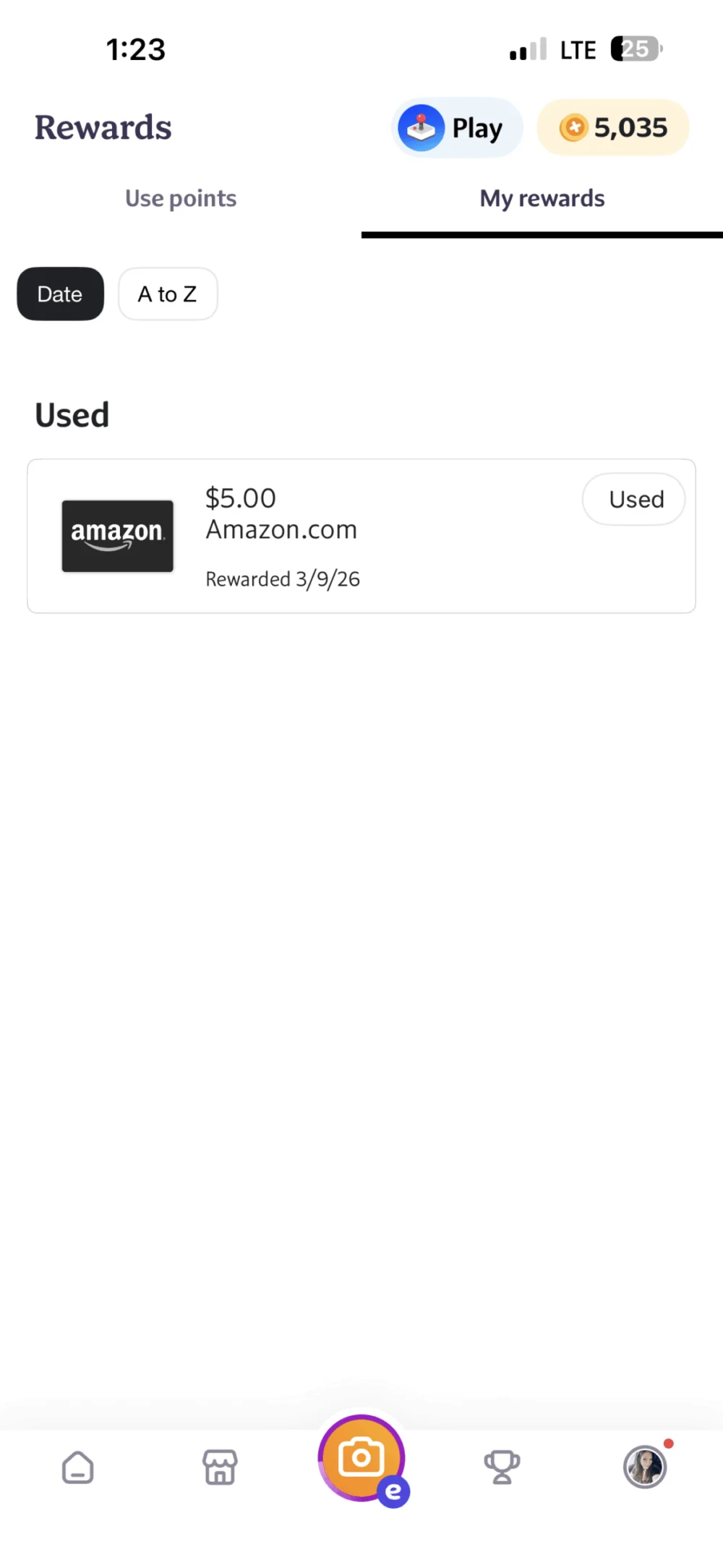
The culmination of the Fetch experience is the redemption of earned points. The "Rewards" tab within the app showcases a variety of gift card options. A minimum of 3,000 points is typically required to redeem most rewards, though the speed at which users can reach this threshold is often cited as surprisingly rapid, especially with consistent receipt submission and utilization of special offers.
The redemption process involves selecting a desired gift card, choosing the dollar amount, and confirming the transaction. Fetch states that reward processing can take up to 72 hours. User testimonials, including a documented instance, indicate that rewards are often delivered within this timeframe, with a redeemed Amazon gift card code becoming available within three business days. This reliable and efficient redemption process contributes to user satisfaction and reinforces the app’s credibility.
The Value Proposition: Is Fetch Worth It?
Fetch’s value proposition is clear: it offers a no-cost method for consumers to derive value from purchases they would have made anyway. For individuals who already retain their shopping receipts, the app presents an opportunity to convert these into tangible rewards with minimal effort. The ability to earn points on virtually any shopping receipt, from groceries and gas to clothing and home improvement, makes it a broadly applicable tool.

However, it’s important to note the types of receipts that are not accepted. These typically include return receipts, utility bills, medical expenses, prescription slips, event tickets, airline tickets, ATM receipts, and basic takeout slips lacking itemized details. The exclusion of these specific transaction types aligns with Fetch’s focus on retail and consumer goods purchases.
The implications of apps like Fetch extend beyond individual savings. For businesses, these platforms offer a unique avenue for targeted marketing and customer engagement. By understanding the purchasing habits of Fetch users, brands can tailor promotions and product development strategies. Furthermore, the aggregated data can provide macroeconomic insights into consumer spending patterns, contributing to market research and trend analysis.
As consumer awareness of data privacy and the value of personal information grows, apps that offer transparent and direct rewards for data sharing are likely to see continued popularity. Fetch’s model, which prioritizes user-friendliness and tangible benefits, positions it as a significant player in the growing digital rewards landscape. The app’s continued success hinges on its ability to maintain a broad network of participating retailers, offer competitive reward values, and ensure a seamless user experience.
The long-term impact of such reward programs on consumer behavior remains an area of interest. While Fetch encourages users to continue their existing shopping habits, the availability of rewards might subtly influence purchasing decisions, potentially leading consumers to favor brands or retailers featured in special offers. This creates a symbiotic relationship where consumers save money, and brands gain valuable market insights and direct consumer engagement.
The ease with which Fetch integrates into daily life, combined with the tangible benefits of gift cards, suggests that the app is more than just a fleeting trend. It represents a strategic approach to loyalty programs, leveraging technology to bridge the gap between everyday consumer activity and valuable rewards, ultimately enhancing the shopping experience for millions of users.

