
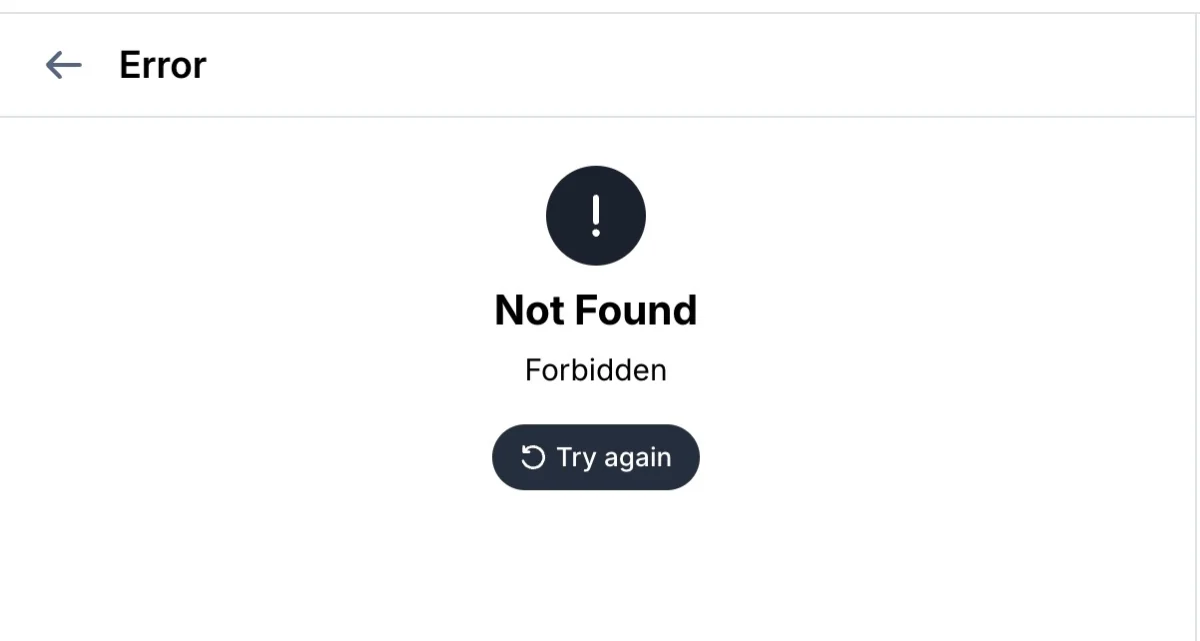
The burgeoning decentralized social network, Bluesky, found itself in the throes of significant service disruptions throughout Thursday, April 16, 2026, with its website and mobile applications experiencing intermittent outages and severely degraded performance. The platform’s Chief Operating Officer, Rose Wang, officially attributed these widespread issues to a concerted denial-of-service (DDoS) attack, marking a critical test of resilience for the platform often touted as a decentralized alternative to traditional social media giants.
Chronology of the Disruption
The initial signs of trouble for Bluesky’s infrastructure emerged in the early hours of Thursday morning. According to official reports detailed on Bluesky’s dedicated status page, the service interruptions commenced around 2:42 AM Eastern Time (ET). Users attempting to access the platform from various global locations quickly encountered difficulties, ranging from agonizingly slow loading times to outright error messages preventing access to core functionalities.
As the morning progressed, the severity of the outage became more apparent. Bluesky’s protocol engineer, Bryan Newbold, acknowledged the profound impact, posting a succinct but telling message around 3:46 AM ET, stating, "oof, our services are getting pretty hard tonight." This internal recognition underscored the significant pressure the platform’s infrastructure was enduring.

Throughout the day, the user experience remained inconsistent and frustrating. Attempts to navigate the platform were frequently met with technical roadblocks. For instance, users trying to switch to popular algorithmic or curated feeds within the app, such as the widely used "Discover" feed or the official "Bluesky Team’s feed," encountered a specific error message: "This feed is currently receiving high traffic and is temporarily unavailable. Please try again later. Message from server: Rate Limit Exceeded." This message clearly indicated that the platform’s servers were overwhelmed by an influx of requests, exceeding their capacity to process legitimate user traffic.
Beyond feed access, even fundamental interactions like visiting a user’s profile often resulted in generic error messages, necessitating repeated refresh attempts. While some users reported that their own personal feeds might occasionally load, the overall functionality and accessibility of the Bluesky network remained severely compromised, severely limiting engagement and communication for its growing user base.
Understanding Denial-of-Service Attacks
A denial-of-service (DDoS) attack is a malicious attempt to disrupt the normal traffic of a targeted server, service, or network by overwhelming the target or its surrounding infrastructure with a flood of internet traffic. In a distributed denial-of-service attack, the incoming traffic flooding the victim originates from many different sources, making it incredibly difficult to block by simply filtering a single source. These attacks typically involve a botnet – a network of compromised computer systems controlled by an attacker – which are then used to send an enormous volume of requests to the target, consuming its bandwidth and resources, rendering it inaccessible to legitimate users.
The motivations behind DDoS attacks can vary widely. They can be employed for political activism (hacktivism), competitive disruption, extortion, or simply as acts of vandalism or to test system vulnerabilities. For a social network like Bluesky, which is actively positioning itself as a challenger in the social media landscape, a DDoS attack could potentially stem from various sources, including rival entities, individuals with malicious intent, or even state-sponsored actors seeking to destabilize emerging communication channels. The sustained nature of the attack on Bluesky suggests a deliberate and coordinated effort, rather than a fleeting anomaly.

Bluesky: A New Frontier in Decentralized Social Media
Bluesky holds a unique position in the evolving digital landscape. Conceived initially within Twitter (now X) and spun out as an independent company, it carries the imprimatur of Twitter co-founder Jack Dorsey, who championed its vision for a decentralized future of social networking. Bluesky operates on the AT Protocol (Authenticated Transfer Protocol), an open-source framework designed to allow for interoperable and federated social applications. The core idea is to give users more control over their data, their algorithms, and their overall online experience, moving away from the centralized "walled gardens" of platforms like X, Facebook, or Instagram.
Since its public launch and the removal of its invite-only system, Bluesky has seen a significant surge in user adoption, attracting millions of users seeking alternatives to the increasingly tumultuous environment of established platforms. Its appeal lies in its promise of greater transparency, user autonomy, and resistance to single-point-of-failure censorship or control. This incident, however, highlights that even decentralized systems, particularly their primary access points like the main Bluesky app and website, remain vulnerable to conventional cyber threats.
Technical Resilience and Decentralization in Crisis
The "Rate Limit Exceeded" error messages observed during the outage are a direct symptom of the DDoS attack overwhelming Bluesky’s server capacity. Rate limiting is a common defense mechanism designed to prevent abuse by restricting the number of requests a user or IP address can make to a server within a given timeframe. When a DDoS attack floods the system with an astronomical number of requests, these limits are quickly breached, and legitimate users are effectively locked out.

A crucial aspect of Bluesky’s architecture, and one that offers a glimmer of resilience during this crisis, is its underlying AT Protocol. The article notes that "other communities running their own infrastructure on the underlying protocol that powers the decentralized social network appear to be functioning for the time being." This distinction is vital. While the main Bluesky application and website – which likely operate from a centralized cluster of servers to provide a unified user experience – bore the brunt of the attack, the broader AT Protocol ecosystem potentially offers a degree of distributed robustness. If individual "federated" instances or communities running on the AT Protocol maintain their own infrastructure, they might be less susceptible to a single attack targeting Bluesky’s core services. This scenario underscores both the promise and the current practical limitations of decentralization: while the protocol itself may be distributed, the most popular access points can still be centralized targets.
Official Responses and Industry Standards
In the wake of the extensive service interruption, Bluesky’s official communication strategy has primarily revolved around directing users to its status page and its dedicated status account (@status.bsky.app) for real-time updates. This approach is standard practice for tech companies during outages, providing a centralized source of information and reducing the spread of misinformation. However, the company has refrained from offering specific details regarding the origin or nature of the attack beyond COO Rose Wang’s initial attribution, nor has it provided an estimated time for a complete resolution.
Industry best practices dictate that clear, consistent, and timely communication is paramount during such incidents. While withholding sensitive technical details is often necessary to avoid aiding attackers, providing general updates on mitigation efforts and progress helps manage user expectations and maintain trust. The lack of a definitive ETA reflects the complex and often unpredictable nature of defending against and recovering from sophisticated DDoS campaigns.
Broader Impact and Implications for the Decentralized Web

The prolonged outage on Bluesky carries significant implications, not only for the platform itself but also for the broader narrative surrounding decentralized social networks.
-
User Frustration and Trust: For users who have migrated to Bluesky seeking a more stable and reliable alternative to centralized platforms, this incident is undoubtedly frustrating. Extended downtime can erode user trust and loyalty, potentially leading some to reconsider their platform choices or explore other emerging decentralized options. Maintaining a consistent user experience is critical for any platform, especially one striving to build momentum in a competitive space.
-
Platform Credibility and Security: A high-profile DDoS attack challenges Bluesky’s credibility as a robust and secure platform. While no online service is entirely immune to cyberattacks, the ability to withstand and quickly recover from such incidents is a key indicator of operational maturity and security preparedness. This event will likely prompt an internal review and strengthening of Bluesky’s defensive measures against future attacks.
-
The Decentralization Paradox: This incident highlights a paradox inherent in many "decentralized" projects. While the underlying AT Protocol is designed to be distributed, the primary user-facing application and infrastructure managed by the Bluesky company itself often serve as a crucial, more centralized gateway. This central point of access becomes an attractive target for attackers, demonstrating that "decentralized" does not automatically equate to "DDoS-proof." The resilience of the broader protocol, where individual communities can host their own data, is a theoretical advantage that may not fully mitigate the impact on the main Bluesky experience if its core infrastructure is compromised.
-
Growing Threat Landscape for Social Media: The attack on Bluesky also underscores the escalating and pervasive threat landscape faced by all social media platforms, regardless of their architectural philosophy. Cyberattacks, including DDoS, have become a common tool for various actors aiming to disrupt, censor, or extort online services. As Bluesky continues to grow and gain prominence, it inevitably becomes a more visible target. This incident serves as a stark reminder that robust cybersecurity infrastructure and proactive threat intelligence are non-negotiable for any platform aiming to provide reliable service in the digital age.

-
Future Outlook and Strategic Adjustments: In the aftermath of this attack, Bluesky will likely invest heavily in fortifying its defenses, potentially implementing more sophisticated DDoS mitigation services, enhancing its network architecture, and improving its incident response protocols. The experience may also accelerate the development and promotion of truly federated instances built on the AT Protocol, encouraging more users and communities to host their own data and services, thereby distributing the attack surface and enhancing overall resilience. This pivot could ultimately strengthen the decentralized vision of the platform, even if born out of a challenging incident.
As Bluesky navigates this significant operational challenge, the tech community and its growing user base will be closely watching its recovery and the long-term implications for its mission to redefine social networking through decentralization. The incident serves as a crucial case study in the ongoing battle for digital resilience in an increasingly hostile online environment.

