
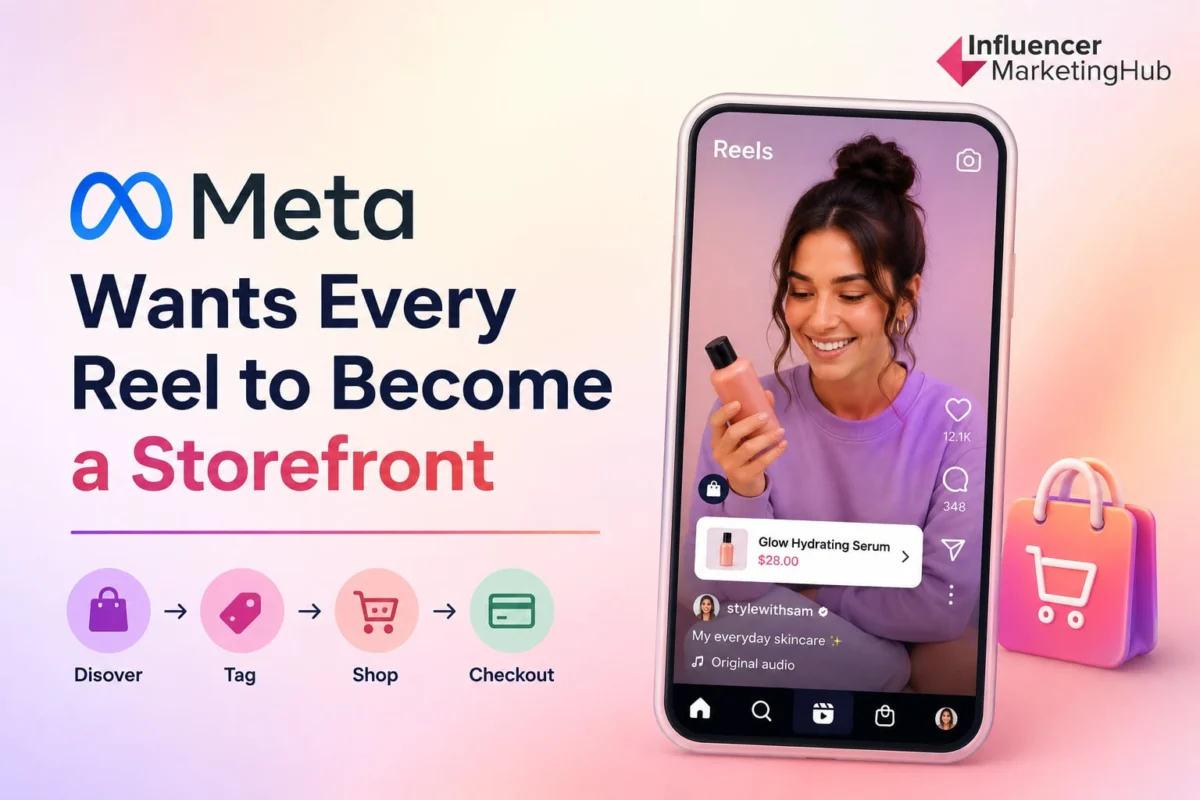
"The era of link in bio is finally over." This definitive declaration from Nicola Mendelsohn, Meta’s Head of Global Business Group, at Shoptalk earlier this year, heralded a transformative shift in the landscape of social commerce. Her statement, while audacious, precisely encapsulates Meta’s strategic direction as the company aggressively moves to integrate discovery, content, and purchasing into a seamless, unified experience across its vast platforms.
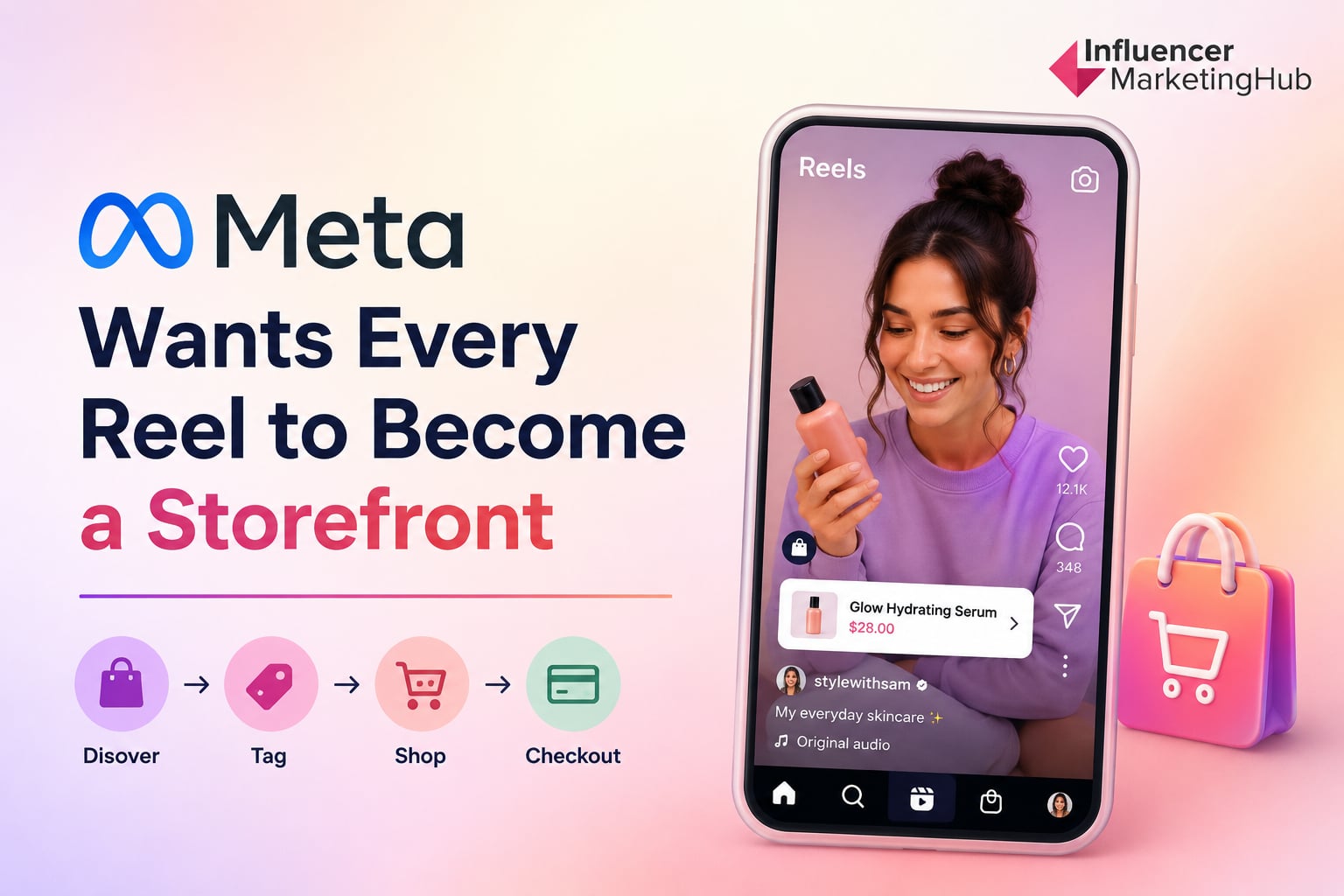
The culmination of this strategic pivot was unveiled at Cannes Lions 2026, where Meta announced a comprehensive suite of shopping updates designed to dismantle existing barriers in the consumer buying journey on Facebook and Instagram. At the core of these announcements is a game-changing feature: eligible creators in 22 countries can now directly embed affiliate links or tag products from a business’s catalog within Instagram Reels and Feed posts. This innovation promises to dramatically streamline the path from product discovery to conversion, offering substantial benefits for consumers, creators, and brands alike. For consumers, it means fewer clicks and a more intuitive shopping experience; for brands and creators, it signifies a more direct and measurable route from recommendation to revenue.
The Evolution of Social Commerce: Addressing Friction Points
For years, the phrase "link in bio" served as both a beacon and a bottleneck in the burgeoning world of influencer marketing. Creators, despite their immense power to influence purchasing decisions—with studies showing that as much as 27% of all beauty shoppers, for instance, rely on influencers for beauty and luxury product recommendations—were often constrained by a convoluted conversion funnel. A typical journey involved a viewer discovering a product in an Instagram Reel, navigating to the creator’s profile, clicking a generic "link in bio," sifting through multiple external links, landing on an external website, and only then commencing the checkout process. Each additional click represented a potential point of abandonment, a moment where consumer interest could wane, and the impulse to purchase could dissipate.
Meta’s latest updates are meticulously engineered to eliminate this friction. By allowing direct product tagging and affiliate link integration, the company aims to embed shopping intrinsically within the content experience. This move is not merely an incremental improvement; it represents a fundamental re-architecture of how social media users interact with commercial content. It acknowledges the growing expectation among digital-native consumers for instantaneous gratification and seamless transitions between content consumption and transactional activities. This strategic shift also positions Meta more competitively against platforms like TikTok, which has been making significant inroads into social commerce with its own integrated shopping features, and even e-commerce giants like Amazon, by fostering a complete shopping ecosystem within its apps. The global social commerce market is projected to reach trillions of dollars in the coming years, and Meta is clearly positioning itself to capture a significant share of this expanding pie.
Instagram Reels: Transforming Content into Conversion Hubs
The ability for creators to tag up to 30 products directly within a single Instagram Reel or Feed post is a particularly potent development. This granular level of integration empowers creators to craft richer, more immersive shopping experiences. Imagine a beauty influencer demonstrating a multi-step makeup tutorial where each product used is directly taggable, allowing viewers to purchase individual items or the entire collection with minimal effort. Or a fashion creator showcasing an outfit roundup, with every garment and accessory linked for immediate acquisition. "Get ready with me" (GRWM) content, product reviews, and unboxing videos are now transformed from mere showcases into dynamic storefronts.
When purchases are completed via these affiliate links, creators earn commissions, establishing a more robust and sustainable monetization model for the creator economy. For brands, the benefit is equally profound: a clearer, more measurable path from influencer content to direct sales outcomes. The days of attributing influencer marketing solely to "top-of-funnel" awareness are waning; now, brands can directly link specific campaigns and creator content to tangible revenue generation. This direct integration removes the need for audiences to leave the platform and search elsewhere, keeping them within the Meta ecosystem where discovery and transaction coalesce. The implications for return on investment (ROI) tracking and campaign optimization are substantial, offering brands unprecedented insights into the effectiveness of their creator partnerships.
A Holistic Commerce Strategy: Beyond Product Links
The Instagram Reels update, while significant, is merely one facet of Meta’s expansive commerce strategy. The company’s announcements at Cannes Lions 2026 paint a picture of a deeply integrated commerce ecosystem, touching various aspects of advertising, live shopping, and payment infrastructure.
Live Video Ads and Enhanced Live Shopping Tools: Meta announced the global expansion of Live Video Ads on Facebook and their introduction to Instagram. These ads provide businesses with powerful new avenues to promote their livestream shopping sessions and reach larger, more engaged audiences. Complementing this, Facebook is significantly enhancing its Live Shopping Tools, allowing viewers to browse products, compare prices, and complete purchases directly within a livestream without ever having to navigate away. This creates a highly interactive and engaging shopping environment, mimicking the success seen in markets like Asia where livestream commerce has boomed.
Expanded Affiliate Partnerships: To further empower creators and brands globally, Meta is expanding its affiliate partnerships with major e-commerce platforms, including Flipkart in India, Mercado Libre in Latin America, and Lazada across Southeast Asia. This strategic move provides creators in these high-growth markets with more opportunities to earn commissions from product recommendations, simultaneously opening new sales channels for brands operating on these platforms. It underscores Meta’s commitment to building a truly global commerce network.
Simplified Checkout with Virtual Cards: Addressing long-standing concerns about security and convenience in online transactions, Meta is introducing new virtual cards developed in collaboration with Mastercard and Visa. These virtual cards aim to simplify the checkout process by allowing shoppers to complete purchases without sharing their actual card details directly with merchants. This enhances security, builds consumer trust, and further reduces friction at the critical point of sale, contributing to higher conversion rates.
AI-Powered Sales Campaigns: The Engine Room of Commerce: Perhaps the most profound, albeit less visible, transformation is happening behind the scenes. Starting this summer, Meta will begin leveraging product catalog data as a foundational input across all its Sales campaigns. This marks a significant departure from previous advertising models. Instead of advertisers manually selecting various ad formats and targeting parameters, they will now simply provide their product catalog alongside creative assets. Meta’s sophisticated AI will then dynamically assemble the most relevant and personalized shopping experience for each individual user. This AI-driven optimization promises to dramatically improve ad effectiveness, ensuring that the right products are presented to the right audiences at the opportune moment, thereby maximizing conversion potential and streamlining campaign management for brands. This signifies a move towards truly intelligent, adaptive advertising that learns and optimizes in real-time.
Collectively, these updates transcend mere feature additions. They represent Meta’s deliberate construction of an end-to-end commerce ecosystem, seamlessly connecting product discovery, creator recommendations, targeted advertising, robust product catalogs, and secure checkout processes. It’s a vision where the act of browsing content and the act of purchasing are no longer distinct activities but rather integrated facets of a single, fluid digital experience.
Implications for Brands and Marketers: Navigating the New Frontier
For brands and marketers, the implications of Meta’s integrated commerce strategy are far-reaching, extending beyond the immediate benefits of a new creator monetization feature.

From Awareness to Direct Sales: The most significant shift is the evolution of social commerce towards a model where content, creators, and transactions are inextricably linked. This fundamentally alters the role of influencer marketing. No longer solely a top-of-funnel awareness channel, creator content can now be directly tied to measurable sales outcomes. Brands must recalibrate their strategies, viewing creators not just as brand ambassadors but as direct sales partners. This necessitates a shift in campaign objectives, budgeting, and performance metrics, moving towards conversion-focused KPIs.
The Primacy of Product Data: With product tagging, affiliate commissions, and especially AI-powered recommendations becoming central to Meta’s commerce infrastructure, the quality and accuracy of a brand’s product catalog data are paramount. Outdated, incomplete, or inaccurate product information will directly hinder a brand’s ability to leverage these new tools effectively. Brands must invest in robust product information management (PIM) systems and ensure their catalogs are meticulously maintained, as good data will be as critical as compelling creative assets.
Deepening Creator Partnerships: The new capabilities demand a deeper level of collaboration and trust between brands and creators. Creators are now entrusted with direct sales channels, making their authenticity and alignment with brand values even more crucial. Brands will need to provide creators with comprehensive product information, clear guidelines, and competitive commission structures to foster truly effective partnerships that drive conversions. This also opens opportunities for performance-based compensation models, aligning incentives more closely.
Enhanced Data and Analytics: The direct linking of content to sales will provide brands with unprecedented access to granular data on creator performance and campaign effectiveness. Marketers can now track which specific Reels, posts, or livestreams are driving the most conversions, enabling more informed decision-making and continuous optimization of their social commerce strategies. This data will be invaluable for understanding consumer behavior, product appeal, and the true ROI of influencer collaborations.
Competitive Landscape Reshaping: Meta’s aggressive push into integrated commerce will undoubtedly intensify competition across the digital retail landscape. Other social platforms will be compelled to innovate rapidly, and traditional e-commerce players may face increased pressure to integrate social elements into their own offerings. Brands must monitor these developments closely and adapt their strategies to thrive in an increasingly fragmented yet interconnected digital marketplace. Industry observers anticipate a significant acceleration in social commerce adoption, driven by Meta’s scale and reach.
The Future of the Creator Economy: For creators, these updates represent a significant step towards more sustainable and diversified income streams. The ability to earn commissions directly from content monetizes their influence more effectively, potentially reducing reliance on brand sponsorships alone. This could foster a more professionalized and financially viable creator economy, attracting new talent and solidifying the position of established influencers.
Conclusion: A Seamless Future for Digital Retail
Meta’s announcements at Cannes Lions 2026, spearheaded by Nicola Mendelsohn’s vision, signal a pivotal moment in the evolution of digital commerce. By dismantling the "link in bio" barrier and weaving a rich tapestry of integrated shopping features across its platforms, Meta is not just enhancing existing tools; it is fundamentally reshaping the journey from discovery to purchase. The strategic convergence of content, creators, advertising, and transactions into a unified ecosystem represents a bold bet on the future of retail. For brands, creators, and consumers alike, this means a future where every piece of content is a potential point of purchase, and the lines between entertainment and commerce continue to blur, ushering in an era of truly seamless social shopping experiences.

