

The question of whether blogging can evolve from a personal pastime into a sustainable income source has long been a subject of intense debate and speculation within the digital landscape. While some proponents paint a picture of rapid financial success, others dismiss it as an unrealistic aspiration. A closer examination of the reality, however, reveals a nuanced truth: making money from blogging is indeed achievable, but it is a path that requires significant dedication, strategic effort, and a realistic understanding of the process.
The blogging ecosystem is characterized by a spectrum of narratives. On one end, there are claims of individuals amassing fortunes quickly through blogging, often coinciding with the launch of their own products or services. These narratives, while enticing, are frequently viewed as marketing strategies designed to promote specific offerings. Conversely, a counter-narrative suggests that generating substantial income from blogging is largely impossible, with those claiming full-time success often being labeled as disingenuous or perpetuating a cycle of selling online monetization advice. The reality, however, resides firmly between these two extremes.
For seasoned bloggers, the journey from a few dollars a day to a full-time income and even to establishing a business that employs others is a tangible possibility. This evolution, however, is not instantaneous. It is a gradual progression built on consistent effort, creative content generation, and a keen understanding of blogging’s intricacies. The success stories span a diverse array of niches, from fashion and food to travel and technology, demonstrating that a blog’s subject matter is not an insurmountable barrier to monetization.
The Tangible Reality of Blog Monetization
The assertion that blogging can be a lucrative venture is substantiated by the experiences of numerous individuals who have successfully transformed their online platforms into significant income streams. For instance, a blogger who has been active for nearly a decade reports consistent year-over-year income growth, evolving from a modest daily earning to a full-time income and subsequently to a business employing staff. This blogger’s journey began in the early 2000s, a period when blogging was nascent, offering a strategic advantage. However, this is not an isolated phenomenon. Many other bloggers, some with shorter tenures in the field, have also achieved financial independence through their online endeavors.
These financial achievements range from supplemental income, enough to cover daily expenses like a cup of coffee, to providing a substantial part-time income that complements other professional roles or supports family commitments. For a significant portion, blogging has become a primary, full-time occupation. The diversity of these outcomes underscores that blogging’s potential extends beyond a niche few.
Diverse Monetization Strategies Across Niches
A critical insight into successful blogging is the absence of a single, universal monetization formula. The strategies employed by bloggers vary widely, reflecting the unique nature of their content, audience, and industry. This was evident at a prominent blogging event in Melbourne, where a lineup of Australian bloggers showcased their diverse approaches to generating income. These individuals, operating within part-time to full-time blogging capacities, represented a broad spectrum of niches.

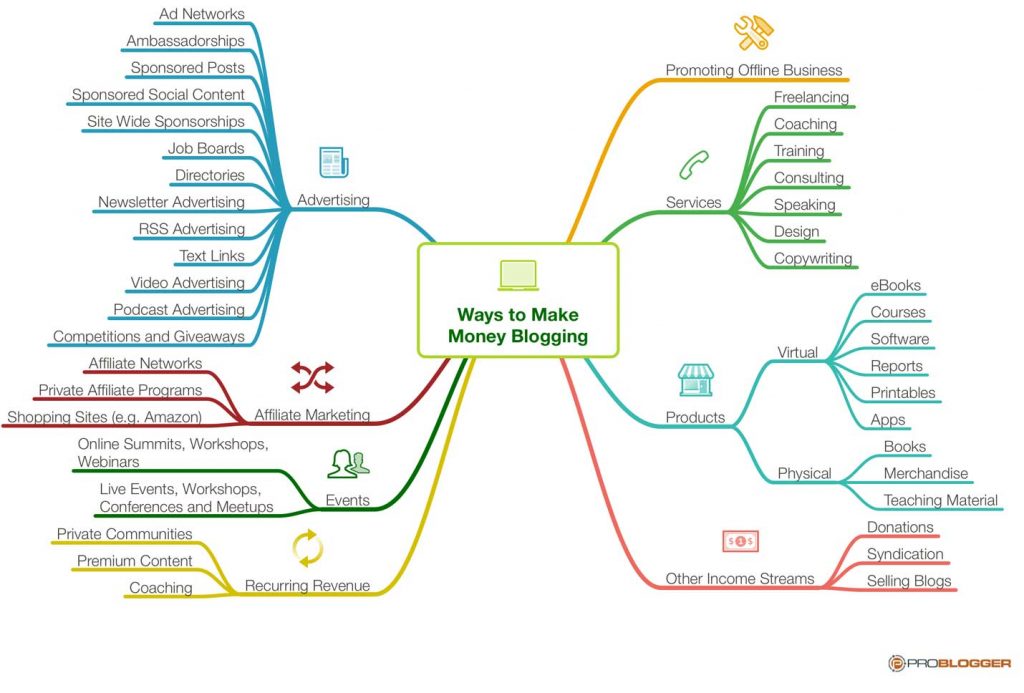
Their monetization methods included traditional advertising sales, the establishment of membership-based communities, the sale of digital products such as e-books, affiliate marketing, promoting offline businesses, and leveraging their platform for speaking engagements and book deals. Many successfully integrated multiple revenue streams, creating a diversified income portfolio. This array of strategies is not confined to Australia; similar models are being replicated by bloggers globally. The visual representation of these monetization avenues, often depicted in "money maps," illustrates the multifaceted nature of blog revenue generation. A comprehensive webinar exploring these monetization techniques further highlights the breadth of possibilities.
The Absence of a "Get Rich Quick" Formula
The allure of guaranteed success has led to the proliferation of products and services claiming to offer foolproof formulas for online income generation. However, based on extensive experience within the blogging community, such formulas are largely illusory. Each successful full-time blogger has navigated a unique path, often driven by intuition and serendipitous discoveries. While common threads exist in their journeys, individual approaches are shaped by personal style, audience engagement, and niche-specific monetization dynamics. The most effective strategy involves learning from the successes and failures of others while remaining adaptable and willing to forge a personalized path.
The Broad Applicability of Monetization Across Niches
A persistent critique leveled against the blogging industry is that only those who write about making money online are truly profitable. This assertion is demonstrably false. The aforementioned Australian bloggers, for example, operate within diverse, everyday niches, and none focus on teaching others how to monetize their blogs. Furthermore, a prominent blogger in the photography niche reported that their photography blog is significantly more profitable—estimated to be ten times so—than their blog focused on blogging advice.
Interviews with full-time bloggers in fields such as health and wellness, simple living, and woodworking further reinforce this point. These individuals achieve substantial income without engaging in the "make money online" education sector, underscoring that profitable blogging opportunities exist across a vast array of subject matters.
The Statistical Reality: A Minority Earn a Full-Time Living
Despite the potential, statistical data consistently indicates that a minority of bloggers achieve a full-time income from their endeavors. Surveys conducted among blogging communities, such as those of ProBlogger readers, reveal that a significant percentage of those attempting to monetize their blogs earn minimal amounts. In a survey of 1,500 ProBlogger readers, a substantial portion reported earning less than $3.50 per day, with a notable segment earning nothing at all.
These statistics are particularly relevant when considering that ProBlogger readers often represent individuals who are relatively new to blogging, with roughly half having been active for less than two years. This suggests that the initial years of blogging are often characterized by low earnings as bloggers establish their presence and audience.
However, the same survey also highlighted a subset of bloggers achieving significant financial success. Approximately 4% of respondents were earning over $10,000 per month, placing them in a six-figure annual income bracket. An additional 9% were earning over $1,000 per month, which represents at least a part-time income level. Anecdotal evidence from blogging conferences suggests a gradual increase in the number of full-time bloggers, with more individuals now earning a supplementary income equivalent to several days of work per week. Nevertheless, the overarching trend remains that most bloggers do not generate a full-time living.
The Crucial Factor of Time: Building for Longevity
Analysis of income data from successful bloggers consistently reveals a strong correlation between longevity and profitability. A significant majority of top-earning bloggers have been actively blogging for four years or more, with almost all others having a tenure of three to four years. This aligns with personal experiences, where substantial income was not realized until approximately two years after monetization began, and reaching the top income bracket took closer to four years.
This data underscores that blogging for profit is not a rapid endeavor. It is a long-term investment requiring time to cultivate an audience, establish a brand, and build trust and a reputable presence. Even with several years of consistent blogging, there is no inherent guarantee of substantial income, but the probability increases significantly with sustained effort.
The Indispensable Element of Hard Work
Beyond longevity, a defining characteristic of most full-time bloggers is their proactive and action-oriented approach. The concept of blogging as a purely "passive income stream" is often misleading. The reality for successful bloggers is a commitment to sustained effort. Over a decade of blogging, one individual reports working harder than on any previous endeavor. While often enjoyable and energizing, this work involves daily content creation, staying abreast of industry trends and community developments, managing the business aspects, developing products for sale, and actively nurturing audience growth.
The foundational pillars for building a profitable blog encompass several key areas: creating exceptional content, attracting and retaining readers, fostering audience engagement, and implementing effective monetization strategies. The creation of original, interesting, and helpful content that resonates with readers is paramount. However, this quality does not materialize spontaneously; it demands considerable effort.
A crucial, often overlooked, factor is the act of starting. Many aspiring bloggers harbor ambitions but fail to take the initial step. The process of starting a blog, though seemingly straightforward, is the critical first hurdle that many fail to clear. The encouragement to commence this journey without delay is a recurring theme for those seeking to leverage blogging for income.
Conclusion: A Realistic Path to Profitability
In conclusion, the assertion that blogging can be a source of income is valid. An increasing number of individuals are achieving part-time to full-time earnings from their blogs, although they remain a minority within the broader blogging population. Those who achieve financial success typically hail from diverse niches. A common denominator among them is their sustained commitment to blogging over an extended period. The journey to profitability is characterized by consistent effort, strategic adaptation, and a realistic understanding of the time and work involved. The digital landscape offers significant opportunities for those willing to invest the necessary dedication and foresight.

