
The Genesis of the PB&J Bites Advertisement
On January 29, 2025, Adam Rose, a content creator known for his high-energy reactions and lifestyle content, published a video in direct partnership with Instagram. The video followed a familiar "reaction-and-recreation" format: Rose viewed a clip of another chef preparing "PB&J bites"—a recipe involving mashed strawberries, peanut butter, and bread—and subsequently attempted the recipe himself. The video was designed to showcase the "Remix" or "Dual" features of the Instagram interface, emphasizing the platform’s role as a hub for collaborative and culinary creativity.
Within its first year, the original post garnered over 418,000 likes. However, the true reach of the content was driven by Meta’s advertising algorithm. Because the video was "sponsored," it was served repeatedly to millions of users who did not follow Rose, appearing in Reels feeds and between Stories. This saturation, while effective for brand impressions, laid the groundwork for a counter-cultural reaction.
The "Soy Face" and the Anatomy of the Meme
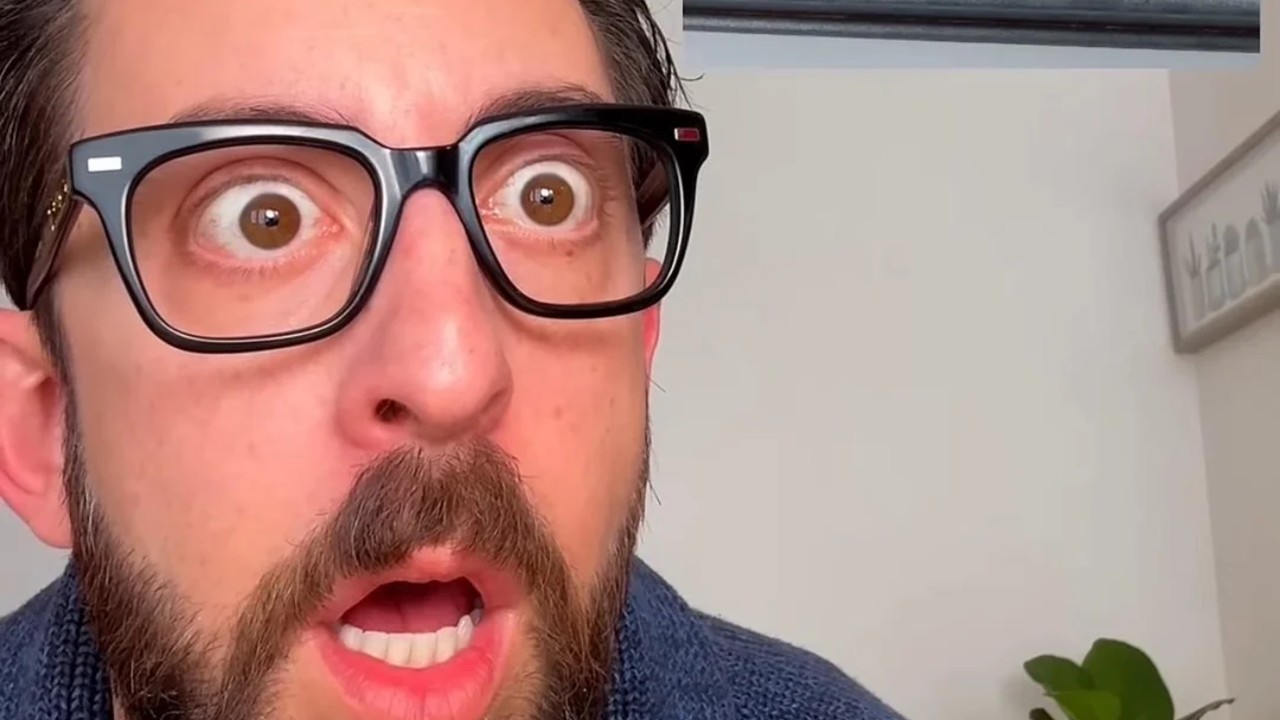
The central element of the advertisement’s transition into a meme was a specific frame featuring Rose’s facial expression. During the reaction phase of the video, Rose is seen with his mouth wide open, eyes enlarged, and a look of exaggerated astonishment. In internet parlance, this expression is categorized as the "Soy Face" or "Soylent Face."
The "Soy Face" is a digital archetype associated with the "Soyjak" meme—a variation of the Wojak character that typically depicts a man expressing over-the-top excitement about consumer products or mundane experiences. To many internet users, Rose’s expression in the ad became the quintessential real-life embodiment of this caricature. The perceived dissonance between the intensity of the reaction and the simplicity of the subject matter—a basic peanut butter sandwich variant—became a point of ridicule and fascination for digital communities.
Chronology of the Backlash and Viral Resurgence
The trajectory of the Adam Rose PB&J Bites ad from a commercial asset to a social media pariah followed a distinct timeline across multiple platforms:
Phase I: The Reddit Inception (Mid-2025)
By June 2025, the initial novelty of the advertisement had worn off for frequent Instagram users. On June 12, 2025, a user on the subreddit r/doodoofard shared a screenshot of Rose’s face with the caption, "it’s not that interesting buddy." This post served as a catalyst for users to vent their frustrations regarding the ad’s frequency. Shortly thereafter, on June 13, another Redditor created a stylized "Soyjak" illustration based on Rose’s likeness, effectively cementing his place in the "Jak" pantheon of memes.
Phase II: Community Consolidation (July 2025)
The sentiment moved to dedicated "anti-ad" communities. In July 2025, the r/CommercialsIHate subreddit became a hub for discourse. Users described the advertisement as "driving them up a wall," citing the high frequency of the "sponsored" tag and the perceived inauthenticity of the high-energy reaction. This period marked the transition of the image from a specific critique of Rose to a broader critique of Instagram’s advertising ecosystem.
Phase III: The X (Twitter) Explosion (February 2026)
After a period of relative dormancy, the image saw a massive resurgence on X (formerly Twitter) in February 2026. On February 8, 2026, a post by user @EEEpikal compared Rose’s expression to the "second coming of Christ," noting the absurdity of such a reaction for a food recipe. This post achieved viral status, garnering over 59,000 likes and 1.5 million views within a fortnight.
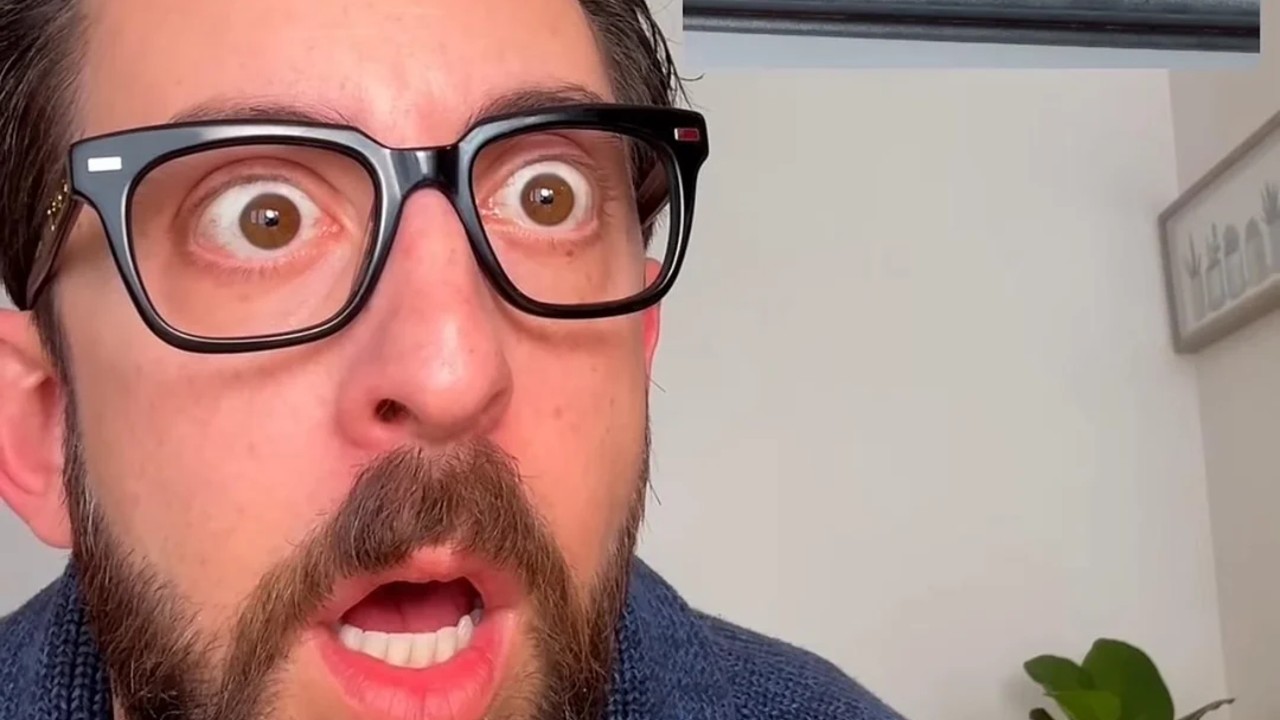
The momentum continued as the image was converted into a high-frame-rate GIF by user @ghostympa, depicting Rose screaming. This transformation allowed the meme to be used as a "face raider" or a high-intensity reaction tool, further distancing the visual from its original culinary context.
Cultural Analysis and Aesthetic Comparisons
The viral nature of the Adam Rose "Soy Face" triggered a deeper analysis of modern visual aesthetics. On February 11, 2026, a widely shared post compared the visual style of the ad to "90% of western adult animation," specifically citing the influence of Matt Groening (creator of The Simpsons and Futurama). This critique suggested that the exaggerated, wide-mouthed facial expressions prevalent in contemporary influencer content mirror the "CalArts style" or the hyper-expressive character designs of modern cartoons.
Furthermore, the meme became a tool for social commentary on the "creator economy." Analysts noted that the backlash was not necessarily directed at Rose as an individual, but rather at the "performative enthusiasm" required by platform algorithms to maintain engagement. The "PB&J Bites" ad became a symbol of the perceived hollowness of sponsored content, where the emotional output of the creator is seen as disproportionate to the value of the product being promoted.
Marketing Implications and Brand Sentiment
From a marketing perspective, the Adam Rose PB&J Bites ad serves as a cautionary tale regarding "over-frequency." While the initial partnership was successful in terms of reach, the subsequent transformation of the asset into a "Soyjak" meme indicates a breakdown in brand sentiment.
- Algorithmic Fatigue: When a single creative asset is served too frequently to a non-target audience, the audience’s reaction often shifts from curiosity to hostility.
- The "Uncanny Valley" of Influencer Ads: There is a fine line between high-energy engagement and what users perceive as "cringe." When a creator’s reaction feels scripted or exaggerated for the sake of an ad, it can trigger a defensive mockery from the viewer.
- Meme Appropriation: Brands often struggle when their assets are "stolen" by meme culture to be used as symbols of annoyance. In this case, Rose’s face became a shorthand for "unwanted advertising," which arguably devalues the original marketing goal.
Data and Search Interest Trends
Search interest for "Adam Rose PB&J" and "Instagram Soy Face" saw distinct peaks corresponding with the viral timeline. The first minor peak occurred in June 2025 during the Reddit discovery phase, while a massive, sustained spike was recorded in February 2026 following the X resurgence. Data suggests that the meme has a high "stickiness" factor, as it continues to be used in "non-believers vs. believers" templates and other comparative meme formats.
The evolution of the image into various "variants"—including "Perfectly Curved Face" edits and Simba-stampede comparisons—indicates that the digital community has fully decoupled the image from the actual product (peanut butter and jelly bites). It now exists as a permanent fixture of the "reaction image" repository.
Conclusion: The Legacy of a Reaction
The Adam Rose PB&J Bites Instagram Ad illustrates the unpredictable lifecycle of digital content in the 2020s. What was intended as a 30-second culinary tutorial became a multi-year cultural touchstone. For Adam Rose, the ad provided immense visibility, though perhaps not in the form originally intended. For Instagram, it demonstrated the power—and the potential pitfalls—of their advertising reach.
Ultimately, the "Adam Rose Soy Face" remains a potent example of how the internet processes commercial intrusion: through humor, deconstruction, and the relentless creation of new, often satirical, meanings. As long as social media platforms continue to prioritize high-energy creator content in their advertising algorithms, the tension between performative marketing and authentic user reception will continue to produce such viral anomalies.
