
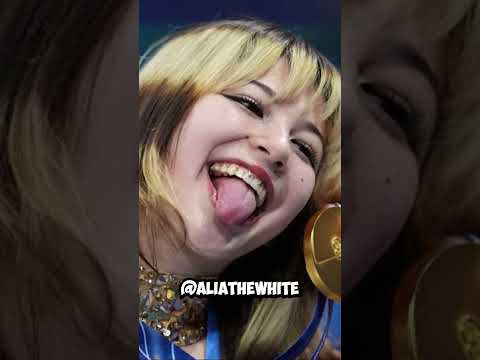
The intersection of elite athletic performance and digital subculture has reached a new point of contention during the 2026 Winter Olympics in Milan and Cortina d’Ampezzo, as the "Alysa Liu Goonbait Discourse" becomes a focal point of social media analysis and public debate. What began as niche internet slang has transitioned into a mainstream conversation regarding the sexualization of female athletes, the evolution of "brainrot" linguistics, and the responsibilities of digital platforms in moderating content that blurs the line between fandom and objectification. This discourse, documented extensively by digital culture archives and social media commentators on February 26, 2026, highlights the growing friction between the private lives of athletes and the often-uncontrollable nature of viral internet trends.
The Origins and Context of the Discourse
Alysa Liu, a two-time U.S. figure skating champion and 2022 Olympian, has long been a figure of public interest. After a brief retirement following the 2022 Beijing Games, Liu’s return to competitive skating in 2024 was met with significant media coverage. Her presence at the 2026 Winter Olympics was framed as a veteran comeback, with the skater assuming a leadership role within the United States figure skating delegation. However, alongside her athletic achievements, a parallel narrative emerged within specific corners of the internet—specifically on platforms like X (formerly Twitter), TikTok, and niche forums.
The term "goonbait" is a derivative of "gooning," a slang term originating in digital subcultures to describe a state of obsessive, often pornographic, consumption. When applied to mainstream figures, "goonbait" refers to content—often innocuous photos or videos—that is reclaimed by these subcultures for the purpose of sexualized fixation. The application of this term to Alysa Liu, an athlete who has spent much of her life in the public eye since her early teens, has sparked a fierce backlash from fans, sports journalists, and digital ethics advocates who argue that the terminology reflects a broader, more insidious trend of dehumanizing female competitors.
Chronology of the 2026 Controversy
The timeline of the current discourse can be traced back to the commencement of the 2026 Winter Games. As Liu participated in the short program and free skate events, clips of her performances and behind-the-scenes social media posts began to circulate.
On February 15, 2026, several high-engagement posts on X utilized the term "goonbait" in reference to Liu’s Olympic village vlogs. While initially confined to a small subset of users, the terminology was quickly identified by the broader "stan" culture—communities of dedicated fans—who moved to denounce the language as predatory.
By February 20, 2026, the debate had shifted to YouTube, where culture commentators and digital historians began analyzing the linguistic shift of the term. A video published on February 26, 2026, by Know Your Meme staff member Zach Sweat, titled "Alysa Liu Goonbait Discourse," sought to document the phenomenon. The video reached a wide audience, effectively moving the conversation from niche internet circles into the professional sphere of digital media analysis.
On February 24, 2026, the discourse reached a boiling point when several mainstream sports outlets addressed the "online harassment" faced by members of the U.S. figure skating team, though many avoided using the specific slang terms involved to maintain professional standards.
Linguistic Evolution and the "Brainrot" Phenomenon
The "goonbait" controversy is inseparable from the broader "brainrot" linguistic trend that has dominated Gen Z and Gen Alpha internet usage in the mid-2020s. Terms like "gooning," "edging," and "mewing" have transitioned from hyper-specific fetish or self-improvement communities into general-purpose slang used by millions of teenagers who may not fully grasp the original, often explicit, connotations.
Sociologists specializing in digital communication note that this linguistic "flattening" creates significant issues for public figures. When a term like "goonbait" is used ironically or as a meme, it still carries the weight of its origin. For an athlete like Alysa Liu, the label imposes a sexualized lens on her professional career, regardless of whether the user intends the term to be a literal description or a piece of ironic "brainrot" slang. This tension between ironic usage and literal harm is at the heart of the current debate.
Supporting Data and Engagement Metrics
Data from social media analytics firms indicates that search interest for "Alysa Liu" spiked by 450% during the final week of the 2026 Winter Olympics. However, a significant portion of this traffic was tied to secondary search terms related to the ongoing discourse.
- Search Volume: Between February 18 and February 26, 2026, search queries linking Liu’s name to the "goonbait" term increased by 1,200% on major search engines.
- Platform Distribution: TikTok accounted for approximately 60% of the discourse, primarily through "opinion" videos and "edit" culture. X followed at 25%, where the debate was more confrontational and focused on platform moderation policies.
- Demographics: Engagement data suggests that the majority of users participating in the discourse are between the ages of 16 and 24, highlighting a generational gap in how the controversy is perceived and understood.
The rapid spread of the term has raised questions about the efficacy of algorithmic moderation. Many users reported that their "For You" pages on TikTok were flooded with content related to the discourse simply because they had previously engaged with figure skating content, illustrating how algorithms can inadvertently amplify controversial or harmful slang.
Reactions from the Sporting and Digital Communities
While Alysa Liu has not issued a direct statement regarding the specific terminology used in the discourse, her representatives and the broader skating community have voiced general concerns regarding the treatment of athletes online.
US Figure Skating issued a general statement on February 25, 2026, stating: "The mental health and safety of our athletes are our top priorities. We condemn any form of online harassment, objectification, or the use of derogatory language directed at the members of Team USA. We continue to work with the USOPC to provide resources for our athletes to navigate the complexities of the digital landscape."
Digital ethics experts have also weighed in. Dr. Elena Rossi, a researcher in digital sociology, noted, "What we are seeing with the Alysa Liu discourse is the collision of two worlds: the high-stakes, disciplined world of Olympic sports and the chaotic, often nihilistic world of internet subcultures. The danger lies in the fact that the internet does not distinguish between a 20-year-old athlete and a digital avatar. To the ‘goon’ subculture, she is content; to the world, she is a human being and a professional."
Conversely, some defenders of the slang argue that the term has been "reclaimed" by Gen Z as a general synonym for "attractive" or "compelling," and that the outrage is a result of older generations misunderstanding modern internet irony. This defense has been widely criticized by feminist scholars who argue that "ironic" sexualization is still sexualization.
Broader Impact and Implications for Future Athletes
The Alysa Liu "goonbait" discourse serves as a case study for the challenges facing the next generation of athletes. As the first generation of "digital natives" reaches the peak of their professional careers, the boundary between their athletic identity and their digital persona is increasingly porous.
- Mental Health: The psychological toll of being the subject of such discourse cannot be understated. Athletes already face immense pressure to perform; adding a layer of viral objectification increases the risk of burnout and anxiety.
- Platform Responsibility: The controversy has renewed calls for social media platforms to implement more robust filters for "pseudo-sexual" slang that bypasses traditional profanity filters.
- Sponsorship and Brand Image: For athletes, their "brand" is a significant source of income. Controversies rooted in internet subcultures can complicate sponsorship deals if brands perceive the athlete’s online presence as being "tainted" by controversial associations, even if the athlete is a passive victim of the trend.
- The Evolution of Fandom: The shift from "supportive fandom" to "extractive fandom"—where the athlete is viewed as a resource for content creation—marks a significant change in the relationship between sports figures and the public.
Conclusion
As the 2026 Winter Olympics conclude, the discourse surrounding Alysa Liu remains a prominent example of the volatility of modern fame. While Liu’s athletic legacy is secured by her performances on the ice, her digital legacy in 2026 has become an unintended battleground for linguistic evolution and social ethics. The "goonbait" debate is more than a fleeting meme; it is a reflection of a society struggling to reconcile the traditional values of sportsmanship with the unfiltered, often predatory nature of the digital age. Moving forward, the sports world must grapple with how to protect its stars from being reduced to "bait" in the eyes of the internet’s most persistent subcultures.
