

In an era defined by instant gratification and pervasive consumerism, parents face an unprecedented challenge in fostering gratitude and contentment in their children. The daily arrival of e-commerce packages, coupled with relentless advertising, creates an environment where happiness often appears just one purchase away. This societal backdrop underscores the critical importance of equipping children with the emotional intelligence to appreciate what they have and to derive joy from experiences rather than material possessions. The essence of raising grateful children lies in teaching them to distinguish between needs and wants, to practice delayed gratification, and to embrace the inherent satisfaction of generosity.
The Psychological Imperative of Contentment
Teaching children contentment is not merely about instilling good manners; it is about cultivating a fundamental emotional regulation skill. Contentment empowers individuals to recognize desires without allowing them to dictate immediate actions. This crucial internal "pause" enables children to manage disappointment, wait patiently, and resist the impulsive pursuit of every fleeting want. Without this developed capacity, children are prone to a reactive mindset where "I want it, therefore I need it" becomes the default. Early instruction in contentment provides a robust emotional toolkit that serves children throughout their lives, from navigating social challenges on the playground to managing stress and expectations in adulthood.
Research consistently highlights the long-term benefits of emotional regulation. Studies in developmental psychology indicate that children who demonstrate higher levels of self-control and contentment are more likely to achieve academic success, maintain healthier relationships, and exhibit greater overall well-being. The ability to delay gratification, a cornerstone of contentment, has been linked to superior cognitive function and resilience in the face of adversity. This foundational skill helps children understand that true satisfaction often comes from earned achievements, meaningful connections, and the intrinsic value of simple pleasures, rather than the transient excitement of a new acquisition.
Navigating the Culture of Materialism: Experiences Over Possessions
Modern society is saturated with messages that equate happiness with acquisition. Children are particularly susceptible to these influences, making it challenging for parents to steer them towards a different value system. However, extensive research consistently demonstrates that experiences, not possessions, yield longer-lasting joy and contribute more significantly to personal fulfillment.
A seminal study published in the Journal of Personality and Social Psychology provided compelling evidence that experiential purchases tend to produce more enduring happiness than material purchases. The study found that experiences are less susceptible to the "comparison trap" that often diminishes the pleasure derived from material goods. When a child receives a new toy or article of clothing, the joy can quickly fade upon encountering a peer with a "better" or newer version. In contrast, an experience – a family hike, a trip to a museum, or a special shared meal – is inherently unique and less prone to direct comparison. The memories forged during experiences contribute to a person’s identity and social connections in ways that material possessions rarely can.
Furthermore, the anticipation of an experience often brings more pleasure than the anticipation of a material good. Psychologists refer to this as "pre-consumption utility." The planning, excitement, and shared discussion leading up to an experience amplify its positive impact. This contrasts with material purchases, where the peak of enjoyment often occurs at the moment of acquisition, followed by a rapid decline as the novelty wears off.
The pervasive influence of advertising, particularly on digital platforms, plays a significant role in shaping children’s desires. Children today are exposed to an unprecedented volume of marketing, often disguised as content. This constant exposure normalizes a culture of desire and obsolescence, making it difficult for children to differentiate between genuine needs and cleverly manufactured wants. Parents, therefore, serve as crucial counter-narrators, modeling contentment and emphasizing the value of shared moments and personal growth over consumerist pursuits. When children observe their parents expressing excitement about a family outing or articulating gratitude for shared time, they begin to internalize these values, recognizing that genuine contentment stems from relationships and experiences.
Practical Frameworks for Cultivating Gratitude
1. Prioritizing Experiential Gifts:
A tangible shift in gifting practices can significantly impact a child’s understanding of value. Instead of automatically defaulting to toys for birthdays and holidays, parents can consciously choose to "wrap up" experiences. This might involve presenting movie tickets in a specially decorated box, offering "coupons" for dedicated one-on-one time with a parent (e.g., "Mom-and-Me Baking Session" or "Dad-and-Me Park Adventure"), or writing a personalized note promising an outdoor excursion like a geocaching treasure hunt or a camping trip. This strategy subtly yet powerfully teaches children to value shared moments, anticipation, and relational connection over immediate material gratification. It reframes the concept of a "gift" from an object to an opportunity for joy, learning, and bonding, reinforcing the notion that relationships are paramount.
2. Fostering Reflective Gratitude Practices:
Integrating gratitude into daily routines can deepen a child’s appreciation for their current circumstances. One effective method involves a shared gratitude journal or conversation. A dedicated notebook passed between parent and child, where prompts like "What are you grateful for today?" are answered, encourages regular reflection. Children can be guided to articulate not just what they are grateful for, but why. For instance, instead of merely stating, "I’m grateful for my bed," a child might write, "I’m grateful for my cozy bed because it’s where I feel safe and get good rest after playing all day." This practice moves beyond superficial acknowledgement to a deeper understanding of the comfort, security, and joy derived from everyday aspects of life. Over time, this cultivates a habit of mindful appreciation, shifting focus from what is lacking to what is abundant.
Distinguishing Needs from Wants: A Foundation for Financial Literacy and Patience
A cornerstone of contentment is the ability to differentiate between what one genuinely needs for survival, health, and well-being, and what one merely desires. This distinction is particularly challenging in a consumer-driven society where marketing blurs these lines. Teaching children this difference is not only vital for fostering contentment but also for laying the groundwork for sound financial literacy and responsible decision-making.
The concept of delayed gratification is central to this teaching. The famous Stanford marshmallow experiment, conducted by Walter Mischel in the late 1960s and early 1970s, provided compelling evidence of the long-term benefits of this skill. Children who were able to resist the immediate temptation of one marshmallow in exchange for two later demonstrated significantly better life outcomes, including higher SAT scores, lower obesity rates, and greater success in various life metrics as adults. These findings underscore that the ability to wait for a greater reward is a powerful predictor of future success and resilience. It cultivates patience, self-control, and the understanding that valuable outcomes often require effort and time.
1. The "Need or Want" Shopping Game:
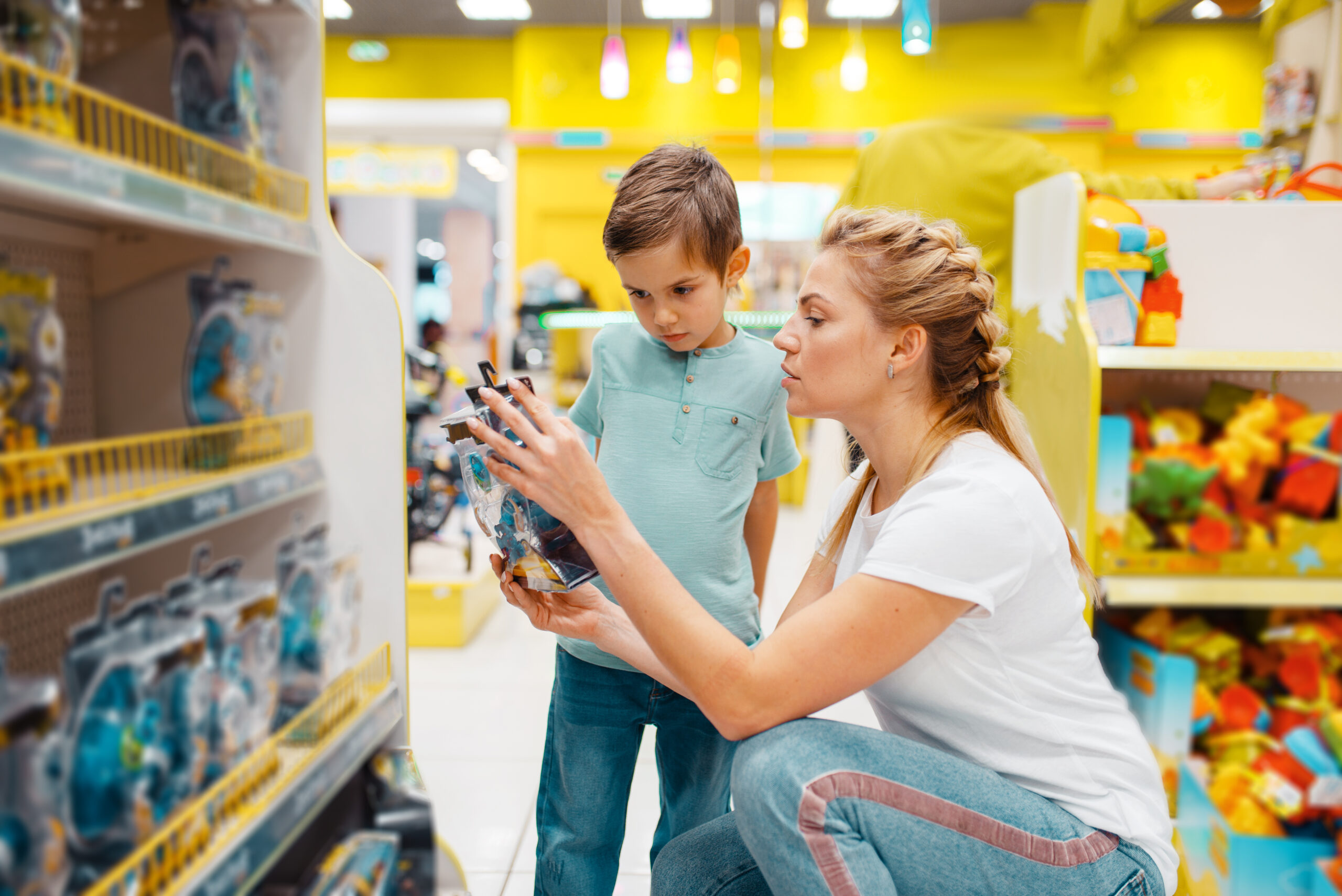
Before entering a store, parents can establish a clear rule: every item requested must be categorized as either a "need" or a "want." Needs are defined as essentials for health, safety, and comfort (e.g., food, clothing for weather, medicine). Wants are considered non-essential extras (e.g., a new toy, a specific brand of cereal, a trendy gadget). Instead of an immediate "no" to a request, parents can prompt the child to categorize the item first. This encourages critical thinking and empowers children to analyze their own desires. Over time, this practice helps children internalize the distinction and make more deliberate choices.
2. The 3-Day Rule:
For items categorized as wants, implementing a "3-Day Rule" can be highly effective. When a child expresses a desire for a non-essential item, it is written down together, and an agreement is made to revisit the request after three days. This simple delay serves multiple purposes: it builds patience, demonstrates the fleeting nature of many impulsive desires, and provides an opportunity for the child to genuinely assess if the item is still truly wanted. If, after three days, the desire persists, it opens a conversation about how to acquire the item responsibly, such as saving up or waiting for a special occasion. This process transforms impulsive wanting into a lesson in thoughtful planning and delayed gratification.
3. The Earn and Save System:
Connecting desires to effort and responsibility is another powerful teaching tool. By establishing an age-appropriate chore system, children can earn money for tasks around the house. This earned money can then be allocated into "spend," "save," and "give" categories. This system directly links effort to reward, teaching children the value of money and the labor required to acquire desired items. It reinforces delayed gratification by requiring them to save for larger wants, thereby fostering a deeper appreciation for their purchases. This system also introduces rudimentary financial planning and the concept of budgeting from a young age.
The Altruistic Imperative: Teaching the Joy of Giving
Beyond self-regulation and appreciation for what one has, the cultivation of gratitude is incomplete without the component of generosity. The act of giving, often perceived as a selfless act, has profound benefits for the giver, reinforcing contentment and fostering a deeper sense of connection and purpose.
Research from the University of Oregon, examining the neural mechanisms of charitable giving, found that voluntary participation in giving activities activates reward centers in the brain, similar to those associated with receiving gifts or other pleasurable stimuli. This indicates that giving is not just altruistic but intrinsically rewarding. Further studies, including those highlighted by the Greater Good Science Center at UC Berkeley, confirm that generous behavior lights up the same reward pathways in our brains as personal gain. This neurological feedback loop suggests that kindness is, indeed, its own reward, creating a positive reinforcement cycle for prosocial behavior. When children experience this inherent satisfaction, giving becomes a natural and joyful part of their identity.
1. The Monthly Donation Box:
Transforming decluttering into a purposeful act of giving can be highly effective. Once a month, parents and children can collaboratively fill a "donation box" with items no longer needed but still in good condition. Crucially, children should be encouraged to choose items they still like but no longer frequently use. This requires a small sacrifice, making the act of giving more meaningful. A simple explanation, such as, "Remember how excited you were when you got this? Let’s give another child that same happy feeling," helps children connect their actions to the positive impact on others. This regular practice normalizes giving and fosters empathy.
2. Care Bags and Service Projects:
Extending generosity beyond material possessions into acts of service further deepens a child’s understanding of compassion and community. Keeping pre-packed "care bags" in the car, containing essentials like snacks, socks, and toiletries, allows for spontaneous acts of kindness towards those in need. Furthermore, engaging in age-appropriate service projects, such as visiting residents at a nursing home, participating in community clean-ups, or helping a neighbor with yard work, provides children with direct experience of their positive impact. Witnessing the tangible benefits of their generosity helps children understand that their actions can make a real difference in the lives of others, fostering a sense of social responsibility and connection. These experiences move beyond theoretical discussions of kindness to embodied practice, solidifying altruism as an integral part of their character.
Broader Impact and Societal Implications
The collective effort to raise grateful and content children has far-reaching societal implications. A generation equipped with strong emotional regulation, an appreciation for experiences over possessions, and a propensity for generosity is better positioned to address complex global challenges. Such individuals are likely to exhibit greater resilience in the face of economic fluctuations, less susceptible to the pressures of consumer debt, and more inclined to engage in community building and social justice initiatives.
From an economic perspective, fostering contentment could lead to a more sustainable consumption model, reducing the environmental impact associated with overconsumption and planned obsolescence. Psychologically, a society where individuals find satisfaction in deeper connections and purpose rather than superficial acquisitions is likely to experience lower rates of anxiety, depression, and comparison-driven unhappiness. Educationally, emphasizing these values supports the development of well-rounded individuals capable of critical thinking and empathetic engagement.
The task of raising grateful children in today’s world is an ongoing journey that requires intentionality, consistency, and modeling from parents and caregivers. It is about shaping hearts and minds to find joy in simple moments, to appreciate the intrinsic value of relationships, and to understand that true contentment does not stem from accumulating more, but from wisely managing desires, giving generously, and loving the people in our lives well. This foundational work in childhood contributes to the development of resilient, compassionate, and fulfilled individuals who are better prepared to thrive and contribute positively to their communities and the world at large.
