
This week’s e-commerce landscape has seen a surge of innovative product and service launches aimed at empowering merchants. From sophisticated AI-driven solutions for combating fraud and streamlining reverse logistics to advancements in fulfillment, AI assistants, AI store builders, chargeback management, checkout optimization, agentic commerce, and automated marketing, the industry is rapidly evolving. These new offerings underscore a growing trend towards leveraging advanced technologies to enhance operational efficiency, customer experience, and profitability for online retailers.
The constant battle against e-commerce fraud, particularly concerning product returns, has led to new strategic partnerships. ReturnPro, a specialized provider of returns management and reverse logistics solutions, has joined forces with Clarity, an innovative item intelligence platform. This collaboration introduces a powerful AI-driven fraud detection system designed to scrutinize returned items at the point of return. The technology is engineered to identify counterfeit goods, items that have been tampered with or altered, and other fraudulent return attempts. Furthermore, it can flag instances where essential accessories are missing, a common tactic in return fraud.
Clarity’s AI technology represents a significant leap forward in product verification. By integrating X-ray intelligence with advanced computer vision capabilities, the platform can "see" inside returned products. This allows for a precise comparison of the returned item against its original manufacturer’s profile. The system can detect sophisticated counterfeits, identify instances where components have been swapped, or discern if a product has been manipulated to appear as if it were returned in its original condition. This capability is crucial for merchants who incur substantial losses due to fraudulent returns, which can include the cost of the product, restocking fees, and potential damage to brand reputation. The increasing volume of e-commerce returns, estimated to reach hundreds of billions of dollars annually, makes robust fraud detection an imperative.
In a parallel move to bolster security and customer trust at the checkout, Bolt, a financial technology platform known for its one-click checkout experience, has announced a strategic partnership with Socure. This collaboration aims to supercharge Bolt’s identity verification capabilities, setting a new standard for network-scale e-commerce identity management. By integrating Socure’s sophisticated RiskOS platform, Bolt is enhancing its checkout process with a robust e-commerce identity layer. This layer is powered by predictive risk signals and intelligent compliance decisioning, enabling real-time verification of legitimate customers at the precise moment of purchase.

Socure’s Identity Graph technology plays a pivotal role in this integration. It facilitates low-friction authentication for trusted consumers, ensuring a seamless checkout experience for legitimate shoppers. Simultaneously, it provides adaptive protections against fraudulent activities and generates valuable cross-merchant trust signals. In an era where synthetic identities and bot fraud are on the rise, such advanced identity verification is critical for preventing account takeovers, reducing fraudulent transactions, and maintaining a secure online shopping environment. The global e-commerce market, projected to exceed $7 trillion in the coming years, faces increasing pressure to balance frictionless transactions with stringent security measures.
The generative AI revolution continues to reshape the e-commerce landscape, offering merchants new ways to enhance content creation and customer engagement. Knowband, an e-commerce development company, has launched two new AI-powered plugins for the PrestaShop platform. The first, the PrestaShop AI Chatbot module, is designed to provide real-time answers to customer inquiries regarding products and orders. This chatbot supports multiple languages and currencies, leveraging vector search technology to accurately understand the intent behind customer queries, thereby improving customer service efficiency and satisfaction.
Complementing the chatbot, Knowband’s PrestaShop LLMs Txt Generator module addresses the growing importance of discoverability in the age of AI. This plugin assists store owners in automatically generating llms.txt files for their product catalogs. These files are crucial for enabling generative AI platforms to discover and reference products more effectively, potentially boosting organic visibility and driving traffic from AI-powered search engines and content aggregators. The ability to optimize product discoverability for AI is becoming increasingly vital as AI plays a larger role in consumer decision-making.
Expanding Fulfillment Capabilities and North American Reach
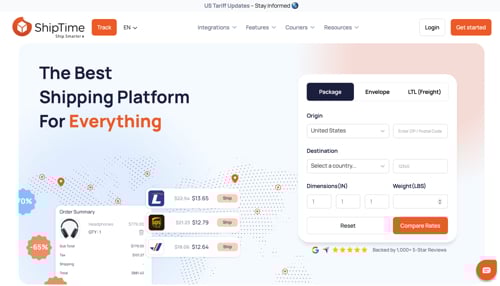
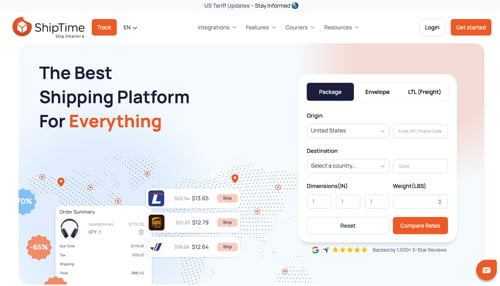
The complexities of modern supply chains have spurred significant consolidation and expansion efforts within the fulfillment sector. ShipTime, a prominent logistics technology platform based in Canada, has made a strategic move by acquiring an ownership stake in Warehowz. Warehowz operates as an on-demand warehousing and fulfillment marketplace, boasting an extensive network of approximately 2,500 warehouses strategically located across North America.

This acquisition is poised to significantly enhance ShipTime’s service offerings. By integrating Warehowz into its existing ecosystem, ShipTime aims to provide its merchant clients with unprecedented levels of control, visibility, and adaptability throughout their supply chains. This expanded capability is particularly valuable for businesses experiencing rapid growth or those operating in volatile market conditions, where flexible and responsive fulfillment solutions are essential. The North American e-commerce market alone is a multi-trillion dollar industry, and efficient fulfillment is a cornerstone of its success.
AI Assistants and Agentic Commerce Take Center Stage
The integration of artificial intelligence into everyday online operations is accelerating, with new tools emerging to assist both content creators and operational managers. WordPress.com has introduced an official connector for Claude, a sophisticated AI assistant developed by Anthropic. Once configured, this integration allows Claude to leverage a website’s specific data to provide accurate and contextually relevant answers, moving beyond generic information or estimations. According to WordPress.com, the Claude plugin can analyze reader engagement patterns, identify content that requires updates or refreshing, and pinpoint opportunities for site improvement, thereby enhancing content strategy and user experience.
Meanwhile, Cside, a company specializing in website security and compliance, has launched its AI Agent Detection toolkit. This innovative solution is designed to identify and manage traffic from both traditional and AI-powered headless browsers. The toolkit allows website owners to govern the interactions of AI agents, defining what actions they can perform and when human validation is necessary. Cside asserts that this technology enables merchants to harness the potential of agentic commerce. This includes utilizing AI agents for dynamic pricing strategies, facilitating cross-selling opportunities, and implementing additional verification measures to enhance security and personalize customer interactions. The concept of agentic commerce, where AI agents act on behalf of users or businesses, represents a nascent but rapidly developing frontier in online transactions.
Combatting Chargebacks and Enhancing Checkout Experiences
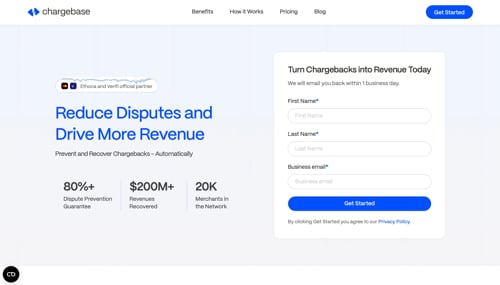
The persistent challenge of chargebacks continues to be a major concern for e-commerce merchants, impacting revenue and operational costs. Chargebase has launched a dedicated chargeback prevention platform designed to address this issue for e-commerce and SaaS businesses. The platform automates the critical alert-resolution process. It intelligently matches incoming chargeback alerts with corresponding orders and manages the backend communication with transaction dispute platforms like Verifi and Ethoca.
By providing merchants with real-time alerts when a customer initiates a dispute with their bank, Chargebase enables prompt action, such as issuing a refund, thereby preventing a costly chargeback from being finalized. The platform operates on a performance-based model, charging merchants only when it successfully helps avoid or resolve a dispute, aligning its incentives with the merchant’s financial success. The cost of chargebacks to merchants globally is estimated to be in the tens of billions of dollars annually, making solutions like Chargebase highly valuable.
Loop, a post-purchase platform catering to Shopify sellers, has significantly expanded its European returns capabilities through an integration with Sendcloud, a prominent European shipping platform. The launch of Ship by Loop 2.0 introduces an upgraded integrated return shipping service. This enhancement provides Loop merchants with access to an expanded network of carriers across Europe, all accessible directly within Loop’s returns portal. This streamlined process eliminates the need for merchants to navigate multiple platforms for international returns.
The upgrade also introduces convenient features such as QR code returns and the option for InPost locker drop-offs, making the returns process more user-friendly for European consumers. This development is particularly timely as cross-border e-commerce within Europe continues to grow, with consumers increasingly expecting seamless return experiences regardless of their location.
Streamlining Data Synchronization and AI-Powered Store Building
Efficient data management is crucial for any growing e-commerce business. SDLC Corp, an entity within the open-source developer Odoo, has released an SDLC Connector designed to facilitate real-time data synchronization between Shopify and the Odoo ERP system. This integration is aimed at businesses that utilize both platforms, ensuring that critical data points such as products, customer information, orders, inventory levels, payments, and collections are kept consistent and up-to-date across both systems.
The connector offers a comprehensive suite of features, including real-time bidirectional inventory updates, automated imports with validation protocols, webhook and scheduled auto-sync modes for flexibility, multi-store support for diverse retail operations, and customizable field mapping within the Odoo dashboard. Token-based authentication further enhances security. Such seamless data integration is vital for maintaining operational efficiency, preventing stockouts or overselling, and providing accurate reporting for strategic decision-making.
The advent of AI-native commerce platforms is rapidly changing how online stores are created and managed. Genstore has launched its groundbreaking e-commerce platform, which leverages autonomous AI agents to build and operate online stores. The platform deploys coordinated teams of AI agents that collaborate to execute complex business tasks autonomously. Specific AI agents are responsible for design (layout, branding, motion), product listing generation (descriptions, imagery), launch readiness (SEO, compliance), and analytics (identifying conversion drivers). This approach promises to dramatically reduce the time and resources required to launch and maintain an e-commerce presence, democratizing online retail for a wider range of entrepreneurs.
Prolisto, a company specializing in e-commerce automation, has introduced Prolisto Lite, a free AI-powered web application designed to simplify and expedite the creation of eBay listings. By analyzing uploaded product images, Prolisto Lite can automatically generate an eBay title, a detailed search-engine-friendly description, and appropriate item specifics. This tool is particularly beneficial for sellers looking to optimize their listings for discoverability and efficiency on the eBay platform, a significant marketplace for both new and used goods.
EcomHint has launched an AI-powered conversion rate optimization (CRO) tool specifically for Shopify and WooCommerce merchants. This tool assists merchants in identifying conversion bottlenecks throughout the entire customer journey and provides actionable, step-by-step guidance for improvement. EcomHint’s methodology combines AI-driven visual analysis, technical website audits, and Google Lighthouse performance metrics. It scrutinizes key areas of an online store, including home and product pages, cart and checkout processes, and overall page speed. The recommendations provided by EcomHint are informed by an analysis of over 700 online stores, offering data-backed insights for optimizing the customer experience and driving sales.

Optimizing Delivery and Expanding Service Offerings
Veho, a parcel delivery platform for e-commerce businesses, has introduced FlexSave, a new delivery option designed to help online brands manage shipping costs while still providing a reliable customer experience. FlexSave allows shippers to achieve cost savings by offering slightly broader delivery windows instead of strict day-certain delivery dates. Despite the extended windows, Veho assures that its customers continue to benefit from proactive delivery updates, live support, and photo delivery confirmations, ensuring transparency and customer satisfaction. This option presents a valuable compromise for brands seeking to control delivery expenses without sacrificing essential customer service elements.
The continuous stream of product and service releases this week highlights a dynamic and rapidly evolving e-commerce ecosystem. Merchants are now equipped with a more sophisticated arsenal of tools to tackle complex challenges, from mitigating fraud and optimizing supply chains to enhancing customer engagement through AI. As these technologies mature and become more accessible, they are poised to further democratize e-commerce, enabling businesses of all sizes to compete more effectively in the global digital marketplace. The focus on AI, in particular, signals a paradigm shift towards more intelligent, automated, and personalized online retail experiences.
