
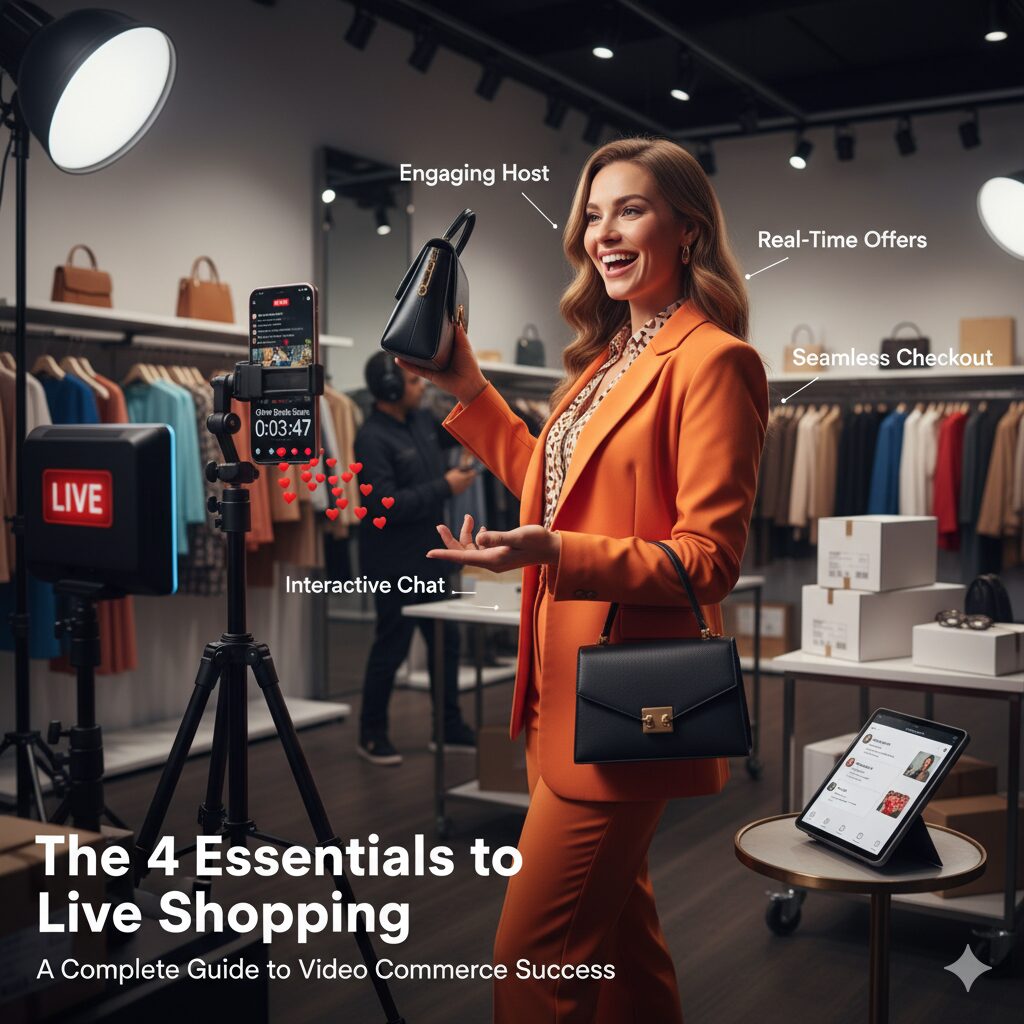
The landscape of digital commerce has undergone a profound transformation, moving beyond static product listings and one-way advertising to embrace dynamic, interactive experiences that foster genuine connections between brands and consumers. At the forefront of this evolution is Live Shopping, a burgeoning retail phenomenon that is redefining how products are discovered, showcased, and sold across digital platforms. This modern approach, also known as livestream shopping or video commerce, represents a sophisticated blend of traditional home shopping networks, contemporary social media engagement, and advanced e-commerce functionality, all delivered within a brand-controlled environment.
The Dawn of Video Commerce: A New Era for Retail
Live Shopping fundamentally operates as a live-streamed event where products are presented, demonstrated, and made available for purchase in real-time. These events can take place on popular social media platforms such as Facebook, Instagram, or TikTok, be hosted on influencer profiles, or integrated directly into a brand’s own website. The defining characteristic is its high degree of interactivity, allowing viewers to engage directly with hosts, ask questions about products, and complete purchases instantaneously. This immediacy and direct interaction bridge a crucial gap that traditional online shopping often leaves open: the personal touch and experiential aspect of in-store retail. Consumers can see products in use, gain immediate clarity on their queries, and participate in a shared, often urgent, shopping experience, all of which contribute significantly to building trust and driving conversion rates.
The genesis of Live Shopping can be traced back to the early 2010s in China, where platforms like Taobao Live pioneered the format, leveraging the country’s extensive mobile penetration and vibrant influencer culture. Chinese consumers quickly embraced the immersive and entertaining nature of live commerce, driving its market size to unprecedented levels. This success provided a blueprint for global expansion, as Western markets began to recognize the format’s potential, particularly as social media platforms matured and consumer expectations shifted dramatically over the past decade.
The Rise of the Savvy Consumer: Demanding Authenticity
The dramatic shifts in digital marketing and social media engagement over the last ten years have rendered traditional, polished brand campaigns and static advertisements less effective. Today’s consumers are more discerning, better informed, and increasingly resistant to conventional advertising tactics. They no longer wish to be passively "talked at" by brands; instead, they demand involvement, authenticity, and transparency. This paradigm shift has compelled brands to evolve their social commerce strategies from merely displaying products in feeds to actively cultivating real, human interactions around them.
Consumers now prioritize value, trust individuals more than corporate logos, prefer genuine conversations over scripted commercials, and seek authentic experiences rather than overt sales messages. This fundamental change in consumer behavior has reshaped how brands must present themselves online, moving away from aspirational, often artificial, portrayals towards relatable, honest engagement. Live Shopping perfectly aligns with these modern expectations, integrating real-time video, direct interaction, and instant purchasing into a seamless experience. It transcends scripted promotions by facilitating genuine engagement, where products are demonstrated authentically, questions are answered live, and trust is forged in the moment of interaction.
However, launching a successful Live Shopping event demands more than simply initiating a live broadcast. It necessitates the careful creation of an engaging, conversion-driven experience that skillfully blends entertainment, information, and immediacy. When executed effectively, Live Shopping evolves beyond a mere sales channel; it transforms into a dynamic platform where brands can showcase their offerings, connect deeply with their audience in real-time, and cultivate enduring customer relationships. Success in this domain hinges on mastering four core essentials, which together enable brands to elevate video commerce into a scalable growth engine.
Building Bridges, Not Just Brands: The Strategic Imperatives of Live Shopping
Essential 1: Captivating the Audience – The Art of Pre-Event Promotion
The most meticulously planned Live Shopping event will fail to yield results if it lacks an audience. Attracting viewers is the critical initial step, requiring a robust and multi-faceted promotional strategy.
- Multi-Channel Amplification: Strategies for Broad Reach. Success in Live Shopping begins long before the broadcast goes live. Strategic pre-event promotion is paramount for building anticipation and ensuring the target audience knows precisely when and where to tune in. Brands must leverage all available digital touchpoints. This includes comprehensive announcements across all social media channels—Facebook, Instagram, TikTok, YouTube, and X (formerly Twitter)—utilizing engaging visuals such as short video teasers, countdown timers, and compelling calls to action. Email marketing remains a powerful tool, with dedicated newsletters sent to subscriber lists highlighting featured products, exclusive offers, and the schedule of the event. Website banners, prominent pop-ups, and dedicated landing pages can effectively drive traffic from a brand’s owned digital properties. The goal is to create a sense of occasion and urgency, encouraging sign-ups or calendar reminders.
- Leveraging Influencer Networks: Credibility and Expanded Reach. Partnering with relevant influencers is an increasingly effective strategy to amplify the message and tap into their established, engaged audiences. Influencers can promote the event to their followers, often hosting segments or appearing as guests during the live show, thereby lending credibility and expanding reach beyond a brand’s organic network. Their authentic endorsement can significantly boost viewer turnout. For instance, a beauty brand might collaborate with a makeup artist to demonstrate products, or a home goods retailer might feature an interior design influencer showcasing decor items.
- The Role of Education: Guides and Playbooks. For brands new to the Live Shopping arena, drawing inspiration and guidance from established players is invaluable. Many platforms and industry bodies offer playbooks, guides, and crash courses designed to help craft effective promotional campaigns and master the intricacies of video commerce. These resources often provide insights into best practices for content creation, audience engagement, and conversion optimization, ensuring that the investment in Live Shopping yields maximum returns.
Essential 2: Compelling Content and Irresistible Value – Why They Stay and Buy
Once viewers have been attracted, the next challenge is to provide them with compelling reasons to remain engaged and, ultimately, to make a purchase. This involves meticulous strategic planning, the creation of captivating content, and the deployment of irresistible offers throughout the Live Shopping broadcast.
- Dynamic Product Storytelling: Show, Don’t Just Tell. Live Shopping thrives on demonstrating value through dynamic product showcases. Products should be the undisputed stars of the show, presented in ways that static images or pre-recorded videos cannot replicate. This could involve hosts trying on apparel in different sizes, demonstrating the functionality of a gadget in real-time, performing unboxings, or showcasing the versatility of a product through various use cases. High-quality visuals, clear demonstrations of features and benefits, and an emphasis on how the product solves a customer’s problem or enhances their life are crucial. The content should be informative, entertaining, and visually appealing, allowing viewers to truly visualize themselves owning and using the product.
- The Power of Scarcity and Exclusivity: Driving Immediate Action. One of the most potent drivers of immediate conversions during a Live Shopping event is the introduction of exclusive offers or "live deals only." These can include flash sales with limited-time discounts, bundles of complementary products at a special price, early access to new arrivals, or gifts with purchase available only to live viewers. Creating a sense of urgency and scarcity encourages impulse purchases and rewards those who tune in. Analysts note that these time-sensitive incentives capitalize on the inherent "fear of missing out" (FOMO), a powerful psychological trigger in e-commerce.
- Authenticity in Hosting: Expertise and Relatability. The host’s personality and expertise can significantly influence the success of a Live Shopping event. Brands should select passionate, knowledgeable individuals who can genuinely connect with the audience. This could be a relevant influencer whose demographic aligns with the brand’s target market, a charismatic in-house employee with deep product knowledge, or even a brand founder. Often, having two hosts can create a more dynamic and conversational flow, but a single, confident host is often more than sufficient. Authentic storytelling around the brand’s mission and product journey fosters a more personal and trustworthy experience. Industry experts consistently emphasize that relatability and genuine enthusiasm resonate more with viewers than polished, overly scripted presentations.
- Lean Teams, Big Impact: Dispelling Production Myths. A common misconception is that Live Shopping requires a full production crew and seasoned television hosts. In reality, many highly successful Live Shopping events are executed by small, agile teams, sometimes even a single host and a moderator. The primary requirements are profound product knowledge, confidence in front of the camera, and the ability to engage authentically with viewers in real-time. An in-house employee, well-versed in the products and brand narrative, frequently performs as well as, if not better than, a professional presenter, largely due to their perceived authenticity and trustworthiness. As operations scale, additional roles such as a chat moderator, producer, or co-host can be introduced to enhance flow and engagement. However, starting simple is not only acceptable but often advantageous, as Live Shopping rewards authenticity and continuous improvement through iterative testing and learning from each event.
Essential 3: Sustaining Engagement – The Interactive Core of Live Shopping
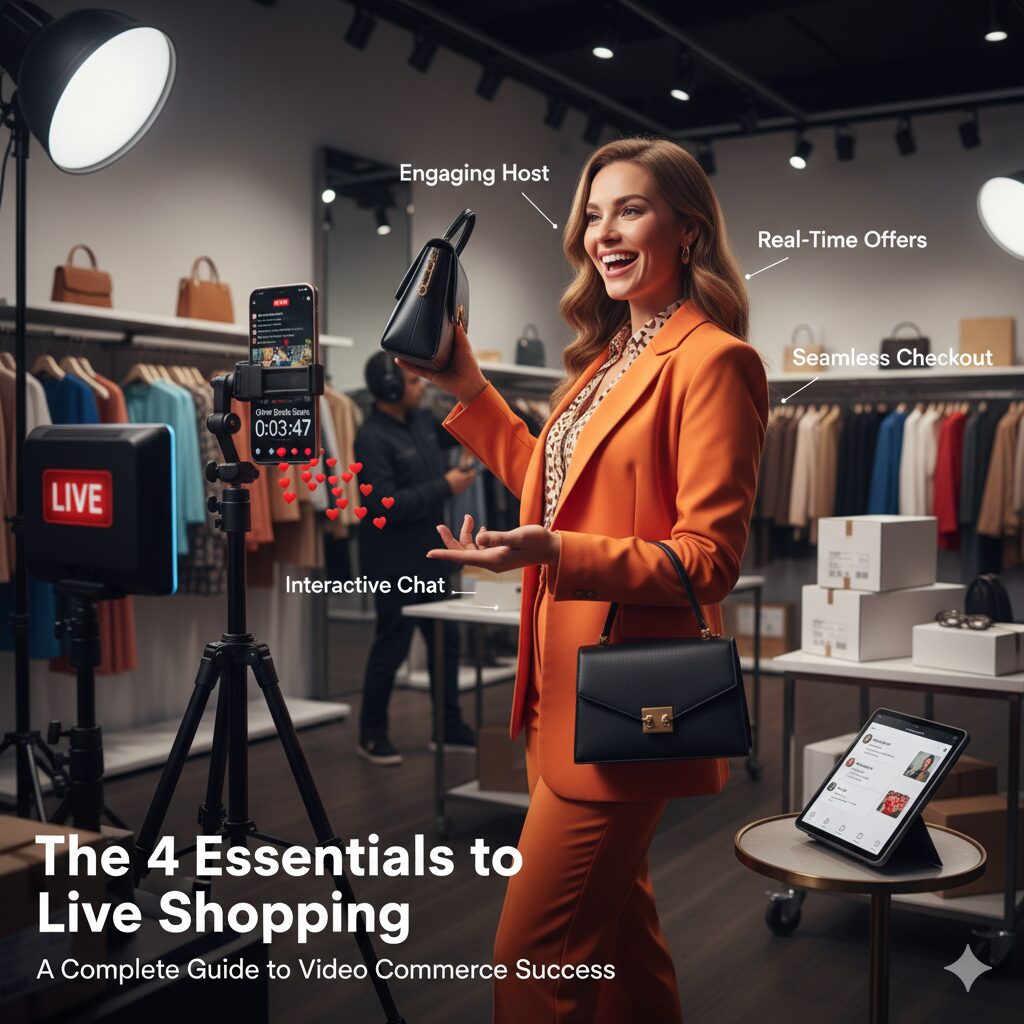
Engagement is the pulsating heart of a successful Live Shopping show. Keeping viewers captivated ensures they remain tuned in longer, absorb more information, and are consequently more inclined to make a purchase.
- Real-time Dialogue: Q&A and Community Building. The interactive nature of Live Shopping stands as its greatest asset. Brands must actively encourage viewers to post comments and ask questions throughout the live broadcast. A dedicated chat moderator is indispensable for managing the influx of questions, ensuring that each one is addressed promptly—either verbally by the host or directly within the chat by the moderator. This direct, immediate interaction is crucial for building trust, clarifying product details, and overcoming potential purchasing hurdles in real-time. It transforms a broadcast into a two-way conversation, making viewers feel heard and valued, thus fostering a sense of community around the brand.
- Interactive Elements: Polls, Quizzes, and Behind-the-Scenes. Incorporating interactive elements like polls and quizzes directly involves the audience, making them active participants rather than passive observers. Brands can ask for opinions on featured products, preferences for future offerings, or even gauge interest in new content ideas. This not only boosts engagement but also provides valuable market research data. Offering exclusive behind-the-scenes content or sneak peeks into product development or company culture creates a sense of intimacy and makes the Live Shopping event feel special and exclusive. Such glimpses reveal the brand’s personality, humanize its operations, and are highly effective in cultivating a loyal following.
- The Frictionless Path to Purchase: Technical Solutions for Conversion. A seamless purchasing experience is paramount for maximizing conversion rates. While native live streaming options on platforms like Facebook, Instagram, and TikTok Shop offer reach, they often present significant friction in the purchasing journey. These platforms typically lack fully integrated e-commerce functionalities, forcing customers to navigate away from the live show or requiring brands to manually track orders from comments—a labor-intensive process that can lead to lost sales and heavy post-show workload.
Conversely, utilizing a dedicated Live Shopping platform is critical. Such platforms are specifically designed for frictionless purchasing, allowing customers to add items to their cart and complete transactions instantly without ever leaving the live stream. This minimizes operational burden for brands and significantly enhances the customer experience, directly correlating with higher conversion rates and increased average order values. For example, brands like Kattnakken have demonstrated the power of such streamlined processes, reporting a 265% increase in basket size with Live Shopping, underscoring the vital role of integrated, seamless purchasing pathways.
Essential 4: Maximizing Longevity – Beyond the Live Moment
A Live Shopping event should not be viewed as a transient, one-time affair. The rich, dynamic content generated in real-time possesses immense value that extends far beyond its initial broadcast. Strategically maximizing its longevity is a smart approach for sustained reach, customer loyalty, and long-term revenue generation.
- Content Repurposing: Extending Reach and Value. The recorded version of a Live Shopping event is a valuable digital asset that should be fully exploited. This content can be repurposed in numerous creative ways:
- Short-form video clips: Extracting engaging snippets for use on TikTok, Instagram Reels, and YouTube Shorts. These can highlight key product demonstrations, Q&A segments, or host personalities.
- Product tutorials and guides: Longer segments demonstrating product usage can be edited into standalone tutorials, hosted on product pages, or embedded in blog posts.
- Behind-the-scenes footage: Edited clips offering a glimpse into the brand’s operations or event preparation can be used for promotional content.
- Social media ads: High-performing segments can be used as compelling video advertisements across various platforms, retargeting engaged viewers or reaching new audiences.
- Blog posts and FAQs: Transcripts or summaries of Q&A sessions can form the basis of informative blog posts or enrich product FAQ sections on the website.
- Email marketing: Short video highlights or links to the full replay can be included in post-event email campaigns to those who missed the live show.
- Data-Driven Optimization: Learning from Every Broadcast. Learning from each Live Shopping event is paramount for continuous improvement and ongoing success. Post-show analysis is crucial for identifying areas of strength and opportunities for growth. Brands must meticulously track key performance indicators (KPIs) such as average order value (AOV), top-selling products, peak viewership times, engagement rates (comments, reactions, shares), conversion rates, and audience drop-off points. This data-driven approach allows brands to refine their content strategy, optimize promotional efforts, fine-tune hosting techniques, and improve the overall customer journey for future Live Shopping endeavors. Iterative testing and analysis are vital for scaling video commerce effectively.
- Cultivating Loyalty: The Long-Term Relationship Dividend. Live Shopping is not solely about achieving immediate sales targets; it is also a profoundly powerful instrument for cultivating deep customer loyalty. By consistently delivering engaging, informative, and highly interactive content, brands can foster a vibrant community around their products and values. This consistent engagement leads to increased repeat purchases, a higher customer lifetime value (CLV), and invaluable word-of-mouth marketing, transforming viewers into brand advocates.
The Unstoppable Momentum: Market Growth and Future Projections
Live Shopping is not merely a passing trend; it is already delivering significant commercial impact, and market forecasts universally point towards sustained, aggressive growth. While market sizing methodologies may vary (e.g., gross merchandise value versus platform/software revenues), the overarching trajectory is undeniable: Live Shopping is rapidly transitioning from a "nice-to-try" experiment to a foundational component of modern commerce strategies.
In the United States, livestream e-commerce sales were projected to grow by nearly 50% in 2025, reaching an estimated $14.64 billion. This impressive growth is complemented by a forecasted 21.5% year-over-year increase in buyers, indicating a broader adoption of the format beyond early adopters. This suggests a growing consumer comfort and preference for live video commerce across diverse demographics.
Globally, the momentum of Live Shopping is intrinsically linked to the broader ascent of social commerce. Deloitte projected that social commerce would surpass $1 trillion globally as early as 2023, underscoring the rapid shift in shopping behavior towards social and video-led digital environments. This macro trend provides a fertile ground for Live Shopping to flourish and expand.
Further forecasts for the next phase of growth paint an even more compelling picture, with many industry outlooks predicting a steep upward curve. One prominent industry report anticipates that live commerce outside of China will expand dramatically from roughly $60–70 billion in 2023 to an astonishing $2 trillion by 2030. These figures, while ambitious, reflect a profound confidence in the format’s ability to capture significant market share across various categories, including fashion, beauty, electronics, and home goods.
Collectively, these robust indicators strongly suggest that Live Shopping will continue its ascendance across numerous product categories and geographic markets. For brands, the emerging opportunity is dual-layered: not only the potential for short-term performance gains through direct sales but also the strategic imperative of building robust capabilities in a format that is increasingly shaping how consumers discover products, cultivate trust, and ultimately make purchasing decisions. Embracing Live Shopping now positions brands to future-proof their commerce strategies and forge deeper, more authentic connections with their customer base.
Conclusion: Integrating Live Shopping into the Modern Commerce Ecosystem
Live Shopping has firmly established itself as more than an experimental channel; it is a proven, powerful method for seamlessly integrating storytelling, direct interaction, and commerce into a singular, highly effective experience. However, achieving success in this dynamic arena extends far beyond the simple act of going live. It necessitates a meticulously planned approach encompassing thoughtful pre-event promotion, the creation of genuinely engaging content, fostering real-time interaction, ensuring a frictionless purchasing journey, and intelligently repurposing the valuable content created during the broadcast.
When these core essentials are strategically integrated and executed, Live Shopping transcends its role as a mere sales tactic. It evolves into a scalable video commerce strategy capable of driving significantly higher audience engagement, cultivating stronger, more meaningful customer relationships, and generating substantial long-term value across all digital channels. It allows brands to tell their story, demonstrate their products, and build a community in a way that resonates deeply with modern consumers’ desires for authenticity and interaction.
Whether a business is just beginning its journey into Live Shopping, aiming to stay abreast of future commerce trends, or seeking to refine an existing approach, a steadfast focus on these core principles will be instrumental. This commitment will enable brands to consistently create Live Shopping experiences that not only captivate audiences but also inspire them to watch, engage, and shop repeatedly, solidifying the brand’s presence in the evolving digital marketplace.
