
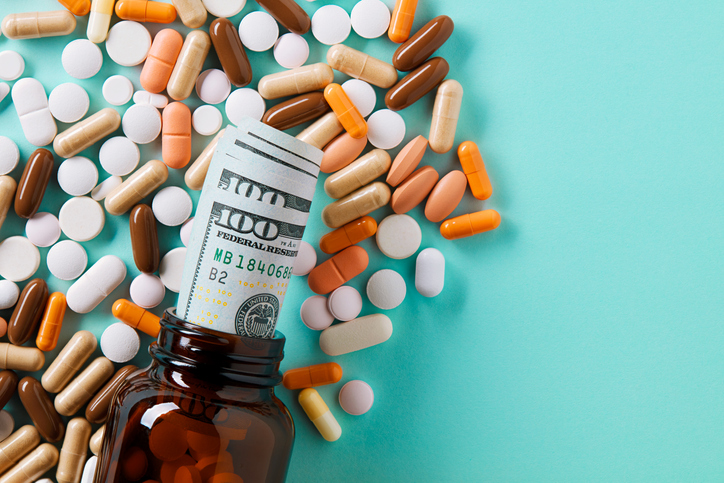
The healthcare technology landscape shifted significantly this Tuesday as GoodRx, the Santa Monica-based prescription savings platform, officially announced the launch of GoodRx Employer Direct. This new initiative is designed specifically to address one of the most pressing financial challenges facing modern American corporations: the skyrocketing cost of brand-name medications, particularly the highly sought-after GLP-1 agonists used for weight loss and diabetes management. By providing a streamlined mechanism for employers to directly subsidize manufacturer-sponsored pricing, GoodRx is positioning itself as a pivotal intermediary in a pharmaceutical supply chain that is increasingly moving toward direct-to-consumer and direct-to-employer models.
As prescription drug spending continues to outpace general inflation, GoodRx Employer Direct offers a novel architecture for benefits administration. The program allows employers to identify specific high-cost brand medications—such as Novo Nordisk’s Wegovy or Eli Lilly’s Zepbound—and apply direct subsidies to the manufacturer’s cash price. Crucially, this system operates independently of the traditional insurance benefit structure. When an employee visits a pharmacy, the subsidized amount is automatically applied at the point of sale, eliminating the need for complex reimbursement forms or the administrative hurdles often associated with traditional pharmacy benefit managers (PBMs).
The Evolution of the Prescription Savings Marketplace
The launch of GoodRx Employer Direct marks a strategic pivot for a company that built its reputation as a consumer-facing tool. Founded in 2011, GoodRx initially gained traction by providing transparency in a notoriously opaque market, allowing uninsured or underinsured individuals to compare drug prices across various pharmacies. Over the last decade, the company has expanded its ecosystem to include telehealth services and gold-tier subscription programs. However, the move into the employer-direct space represents an entry into a much larger and more lucrative market: the self-insured employer sector, which provides health coverage for approximately 160 million Americans.
The timing of this launch is not coincidental. It arrives at a moment when the pharmaceutical industry is undergoing a structural transformation. Leading manufacturers are increasingly bypassing traditional distribution channels to engage directly with patients. For instance, Eli Lilly recently launched LillyDirect, a digital pharmacy and home delivery service, while Novo Nordisk continues to expand its NovoCare patient support programs. GoodRx Employer Direct leverages this trend by acting as the connective tissue between these manufacturer-led initiatives and the corporate entities that ultimately pay for the coverage.
Laura Jensen, Chief Commercial Officer and President of Pharma Solutions at GoodRx, emphasized the strategic logic behind the new offering in a recent interview. She noted that the platform aims to capture manufacturer-sponsored cash prices—which were previously targeted solely at individual patients—and allow employers to layer their own contributions on top of those savings. By creating specific "business rules," employers can tailor their spending to ensure that life-saving or high-impact therapies remain affordable for their workforce without necessarily overhauling their entire insurance plan.
Strategic Implementation: The Hy-Vee Pilot and Results
The efficacy of the GoodRx Employer Direct model was tested through a pilot program launched at the beginning of 2024 with Hy-Vee, a prominent Midwestern grocery chain with over 280 locations and tens of thousands of employees. Hy-Vee, like many large employers, faced a dilemma: how to provide access to high-cost, high-demand medications while maintaining a sustainable health plan.
Angie Nelson, Vice President at Hy-Vee, highlighted the practical advantages of the platform, stating that it provides the flexibility to support access to high-impact medications while keeping the overall plan structure intact. The pilot demonstrated that by utilizing the GoodRx interface, employees were able to see immediate, tangible savings at the pharmacy counter, which in turn improved medication adherence and employee satisfaction. This "plug-and-play" approach allows companies to address specific gaps in their coverage—such as the "weight loss drug gap"—without the long-term commitment and actuarial complexity of modifying a standard health insurance policy.
Addressing the GLP-1 Affordability Crisis
The primary driver behind the demand for GoodRx Employer Direct is undoubtedly the rise of GLP-1 medications. Drugs like Wegovy, Ozempic, and Mounjaro have revolutionized the treatment of obesity and type 2 diabetes, but their price tags—often exceeding $1,000 per month—have put immense strain on employer budgets. A 2023 survey by the Kaiser Family Foundation (KFF) found that while a majority of large employers cover GLP-1s for diabetes, coverage for weight loss remains inconsistent due to cost concerns.
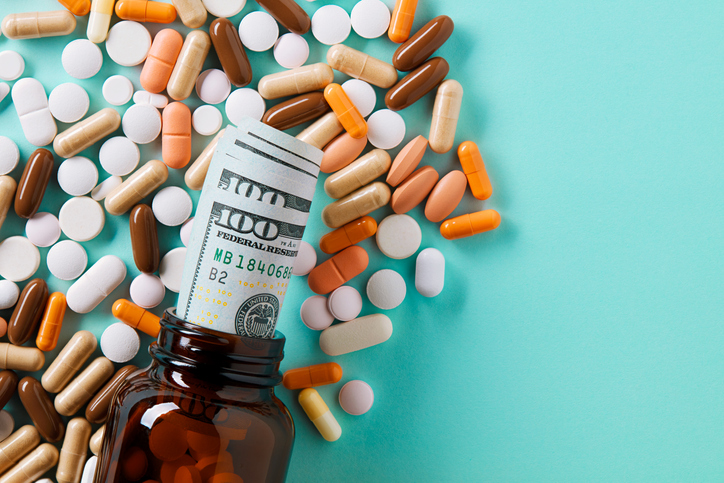
By using GoodRx Employer Direct, a company can choose to subsidize a portion of the GLP-1 cost that is not covered by their primary insurance. This allows the employer to cap their financial exposure while still providing a valuable benefit to employees who might otherwise be priced out of the treatment. This targeted subsidy model is particularly attractive to CFOs who are looking for ways to mitigate the 10% to 15% increase in healthcare costs projected for many large firms in the coming fiscal year.
Integration with Telemedicine and Holistic Care
Beyond simple price subsidies, GoodRx is integrating its employer offering with its existing clinical infrastructure. Employers participating in the program can opt into tailored versions of GoodRx’s condition-specific telemedicine programs. One notable example is "GoodRx for Weight Loss," a comprehensive program that provides employees with access to clinical consultations, FDA-approved therapies, and pharmacy fulfillment services.
This holistic approach addresses a common criticism of "cash-pay" or "coupon-based" healthcare: the lack of clinical oversight. By bundling the financial subsidy with a telemedicine component, GoodRx ensures that employees are not just getting a cheaper drug, but are also receiving the necessary medical guidance to use the medication safely and effectively. This integration is vital for medications like GLP-1s, which require ongoing monitoring and lifestyle adjustments to achieve optimal health outcomes.
Market Context and Competitive Landscape
GoodRx is not the only player attempting to disrupt the traditional pharmacy benefit model. The company faces stiff competition from high-profile entrants like the Mark Cuban Cost Plus Drug Company and Amazon Pharmacy.
Mark Cuban’s venture has gained significant traction by offering "cost-plus" pricing—charging a flat 15% markup over the wholesale cost of generic drugs. While highly effective for generics, Cost Plus has had a more limited impact on the brand-name market where manufacturers maintain strict control over pricing. Amazon Pharmacy, meanwhile, has leveraged its Prime membership base and logistical prowess to offer deep discounts and home delivery.
GoodRx’s competitive advantage lies in its vast physical network. With partnerships across more than 70,000 pharmacies nationwide—including major chains like CVS, Walgreens, and Walmart—GoodRx offers a level of geographic accessibility that digital-only pharmacies struggle to match. The Employer Direct program doubles down on this advantage by making the employer the primary advocate for the platform, ensuring a steady stream of users who are incentivized to use the GoodRx interface.
Analysis of Implications for the Healthcare Industry
The introduction of GoodRx Employer Direct signals several broader shifts in the American healthcare economy:
- Disintermediation of PBMs: Traditional Pharmacy Benefit Managers have come under fire from lawmakers and the public for their role in rising drug costs and their opaque rebate structures. By allowing employers to bypass PBMs for certain high-cost drugs, GoodRx is contributing to a trend of "unbundling" pharmacy benefits.
- Increased Price Transparency: As more employers move toward direct-subsidy models, the "real" price of medications becomes more visible. This transparency puts pressure on manufacturers to justify their list prices and on insurers to offer more competitive coverage options.
- The Rise of Targeted Benefits: We are moving away from a "one-size-fits-all" health plan. GoodRx Employer Direct allows for a "surgical" approach to benefits, where an employer can be generous with one class of drugs (like weight loss medications) while remaining conservative with others.
- Patient-Centric Cost Sharing: Ultimately, the goal of these programs is to reduce the "out-of-pocket" burden on the patient. As high-deductible health plans (HDHPs) have become the norm, many patients find themselves paying the full list price for drugs until their deductible is met. GoodRx Employer Direct provides a bridge, ensuring that patients can afford their maintenance medications throughout the year.
Looking Ahead: The Future of GoodRx and Employer Healthcare
As GoodRx rolls out this program to a wider array of corporate clients, the company will be closely monitoring adoption rates and patient outcomes. The success of the program will likely depend on how effectively GoodRx can convince benefits managers that this direct-subsidy model is more cost-effective than traditional insurance riders.
In the words of Laura Jensen, the ultimate goal is to help patients "shoulder the burden" of their overall healthcare costs. If GoodRx Employer Direct can successfully scale, it may serve as a blueprint for a more modular, transparent, and employee-centric approach to pharmaceutical benefits in the United States. In an era where the cost of innovation often outpaces the ability to pay, such platforms represent a necessary evolution in the quest for accessible and affordable healthcare.
