
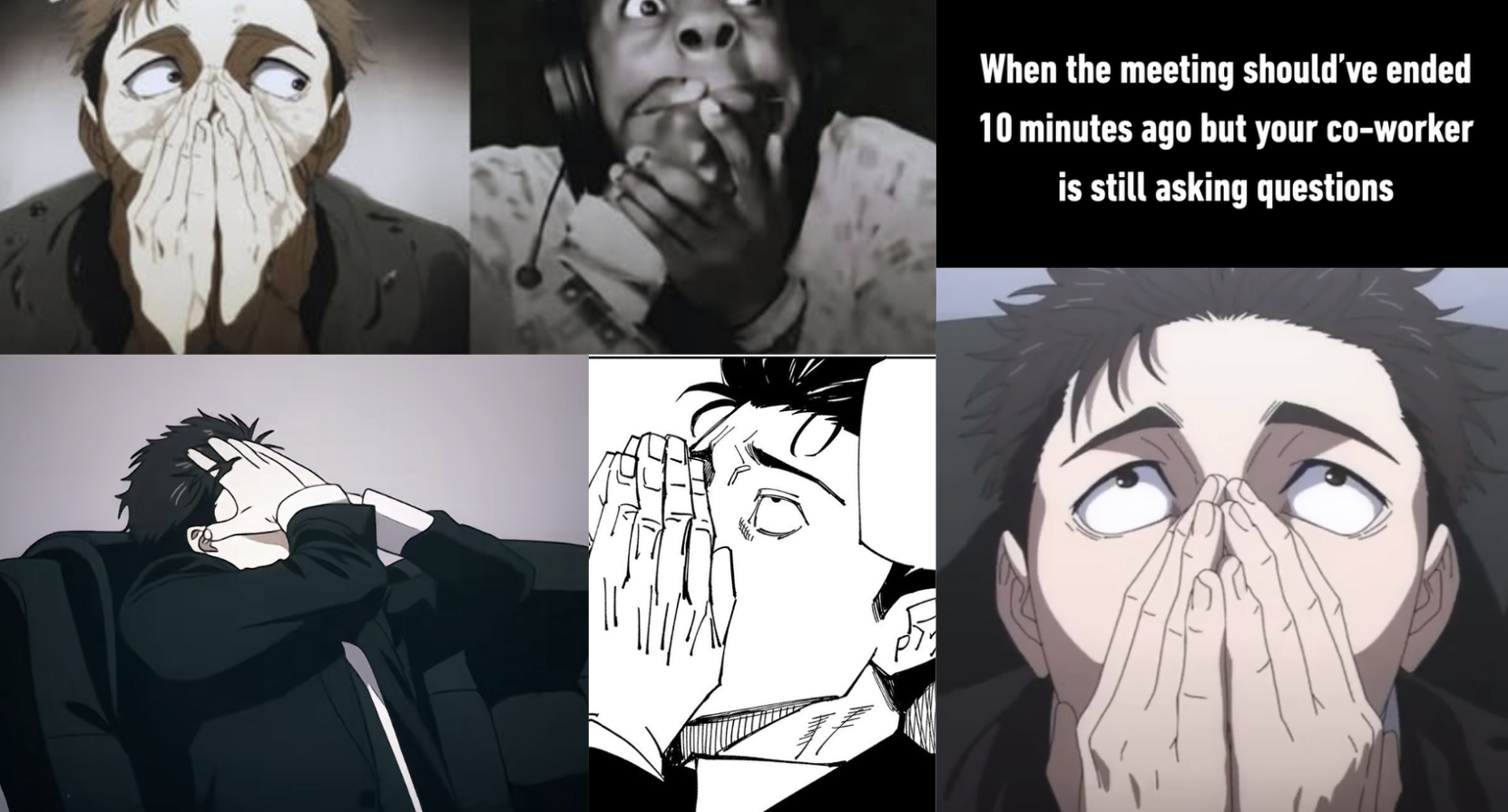
The digital landscape of early 2026 has been significantly defined by the rapid ascent of the Higuruma Stressed Out meme, a visual phenomenon rooted in the third season of the critically acclaimed anime series Jujutsu Kaisen. Featuring the character Hiromi Higuruma, a defense attorney turned sorcerer, the clip depicts a moment of profound psychological exhaustion and professional burnout. Since its debut on February 26, 2026, the sequence has transcended its fictional origins to become a universal shorthand for workplace fatigue, academic pressure, and the general anxieties of modern life. The meme’s proliferation across X (formerly Twitter), TikTok, and Instagram highlights a growing trend in internet culture where high-fidelity animation is repurposed to articulate complex human emotions that words often fail to capture.
Narrative Origins and Character Context
To understand the resonance of the Higuruma Stressed Out meme, one must examine the narrative weight of the character Hiromi Higuruma within the Jujutsu Kaisen mythos. Introduced during the "Culling Game" arc, Higuruma is portrayed not as a traditional warrior, but as a disillusioned legal professional. His backstory involves the grueling reality of the Japanese judicial system, where he struggled to maintain his idealism in the face of a 99% conviction rate.
The specific clip used in the meme is derived from Season 3, Episode 8, titled “Tokyo No. 1 Colony, Part 2.” The scene is a flashback sequence that illustrates the cumulative toll of Higuruma’s legal career. In the animation, Higuruma is seen at a desk buried under an insurmountable pile of paperwork. The visual storytelling focuses on his physical reaction to the stress: he looks visibly drained, his eyes reflecting a deep-seated weariness, before he eventually brings his hands to his head and face in a gesture of total surrender. This moment of vulnerability, rendered with the fluid and expressive animation style characteristic of Studio MAPPA, provided the perfect raw material for digital iteration.
Chronology of Viral Dissemination
The transition from a televised broadcast to a global meme occurred with remarkable speed. On the evening of February 26, 2026, within hours of the episode’s premiere on Japanese television and subsequent streaming on international platforms, social media users began isolating the clip.
The initial spark is often attributed to X user @satoshokoism, who shared the clip with the hashtag #NEEDTHAT. This post served as a catalyst, garnering 165,500 views and 12,000 likes within the first week. However, the meme reached a critical mass when it was amplified by high-traffic accounts. User @Go_Jover quoted the video, a post that eventually reached a staggering 8.8 million views and 43,000 likes.
As the clip circulated, it began to be categorized by the community. User @manganimist famously predicted the clip’s longevity, stating it was "about to go triple platinum as a reaction gif," a post that earned 2.3 million views. By February 27, the meme had migrated to other platforms. The official 9GAG Instagram account repurposed the clip into a Reel, contextualizing it with a caption about unproductive workplace meetings. This single post garnered over 147,400 likes in seven days, signaling the meme’s move from the anime subculture into the mainstream consciousness.
Analytical Breakdown of Visual Appeal
The "Stressed Out Higuruma" meme succeeds where others fail due to what users have described as its "human accuracy." In an era where much of digital humor is surreal or absurdist, the Higuruma clip is grounded in a recognizable physical reality.
1. The Realism of Body Language
The animation captures the subtle physiological signs of a breakdown: the slight trembling, the heavy sigh, and the specific way the character shields his face from his environment. Observers on social media, such as user @bigguccicraigy, noted that the scene felt more "humanly accurate" than almost any other depiction of stress in the medium. This realism allows users to project their own experiences onto the character, making it a highly effective "relatability" tool.
2. Professionalism vs. Collapse
The character’s attire—a formal suit and tie—contrasts sharply with his emotional state. This juxtaposition resonates with the global workforce, particularly those in "white-collar" or "knowledge work" roles who must maintain a veneer of professional decorum while experiencing internal turmoil. Higuruma becomes a mascot for the "quiet quitting" and burnout discourse that has dominated social economic discussions in the mid-2020s.
3. Comparison to Legacy Memes
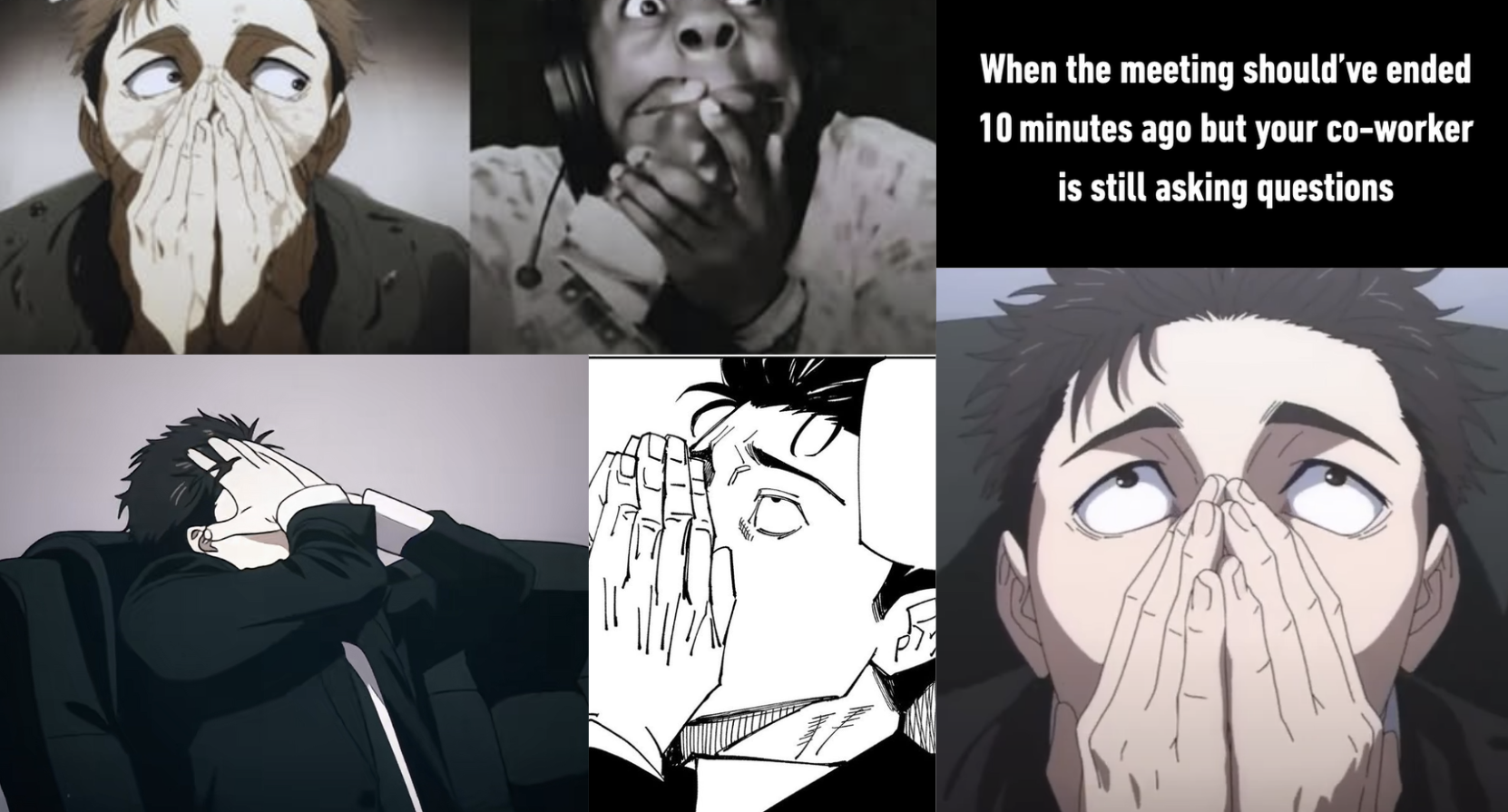
Digital historians have compared the Higuruma clip to the "Akira Slide," a famous animation sequence from the 1988 film Akira that has been homaged in dozens of other works. While the Akira Slide represents a peak of action and coolness, the Higuruma Stress sequence represents a peak of emotional transparency. Some users have suggested it is the "modern-day equivalent" of such iconic animation tropes, serving as a template for how animators can depict internal collapse.
Social Media Metrics and Engagement Data
The data surrounding the meme’s first week provides a clear picture of its impact. On X, the primary hub for the meme’s birth, the top five most-shared versions of the GIF and video clip accumulated a combined total of over 15 million views.
The engagement patterns show a high "quote-tweet" ratio, which indicates that the content is being used as a tool for communication rather than just being passively consumed. Users are not just "liking" the video; they are adding their own context—ranging from "me at 4:00 PM on a Friday" to "when the consequences of my own actions finally arrive."
On TikTok, the "Higuruma Stressed" tag saw a surge in "photo mode" posts, where users layered the GIF over screenshots of their own mounting to-do lists or emails. This cross-platform utility is a hallmark of a "Tier 1" meme, capable of adapting to various formats and audience demographics.
Institutional and Cultural Implications
The viral success of the Higuruma meme has broader implications for the anime industry and the way media is consumed. For Studio MAPPA, the creators of the Jujutsu Kaisen anime, such viral moments serve as free, high-impact marketing. The meme keeps the series in the public eye between major plot points and draws in non-anime fans who may be curious about the source of the relatable "lawyer GIF."
Furthermore, the meme reflects a shift in how the global audience views Japanese animation. No longer seen as merely "cartoons for children," scenes like Higuruma’s breakdown are being recognized for their sophisticated exploration of adult themes such as systemic failure and mental health. The fact that a character’s professional burnout became the most talked-about part of an action-heavy episode speaks to a changing viewer appetite—one that prizes emotional resonance as much as spectacular fight choreography.
Future Outlook and Legacy
As the Jujutsu Kaisen Season 3 continues to air throughout 2026, the Higuruma Stressed Out meme is expected to maintain its relevance. Its utility as a "reaction GIF" gives it a longer shelf life than memes based on specific jokes or puns. Like the "This is Fine" dog or the "Confused Nick Young" image, Higuruma’s face-palm has the potential to become a permanent fixture of the digital lexicon.
In the coming months, it is likely that the meme will evolve into various "exploitable" formats. Fan artists have already begun redrawing other characters from different franchises in Higuruma’s stressed-out pose, further cementing the scene’s status as a cultural template.
Ultimately, the Higuruma Stressed Out phenomenon is more than just a fleeting internet trend. It is a digital artifact that captures the zeitgeist of 2026—a year defined by the continued struggle to balance professional demands with personal well-being. Through a few seconds of expertly crafted animation, Hiromi Higuruma has given a face to the invisible weight of the modern world, proving that even in the fantastical world of sorcerers and curses, the most relatable monster is often a desk full of work.
