
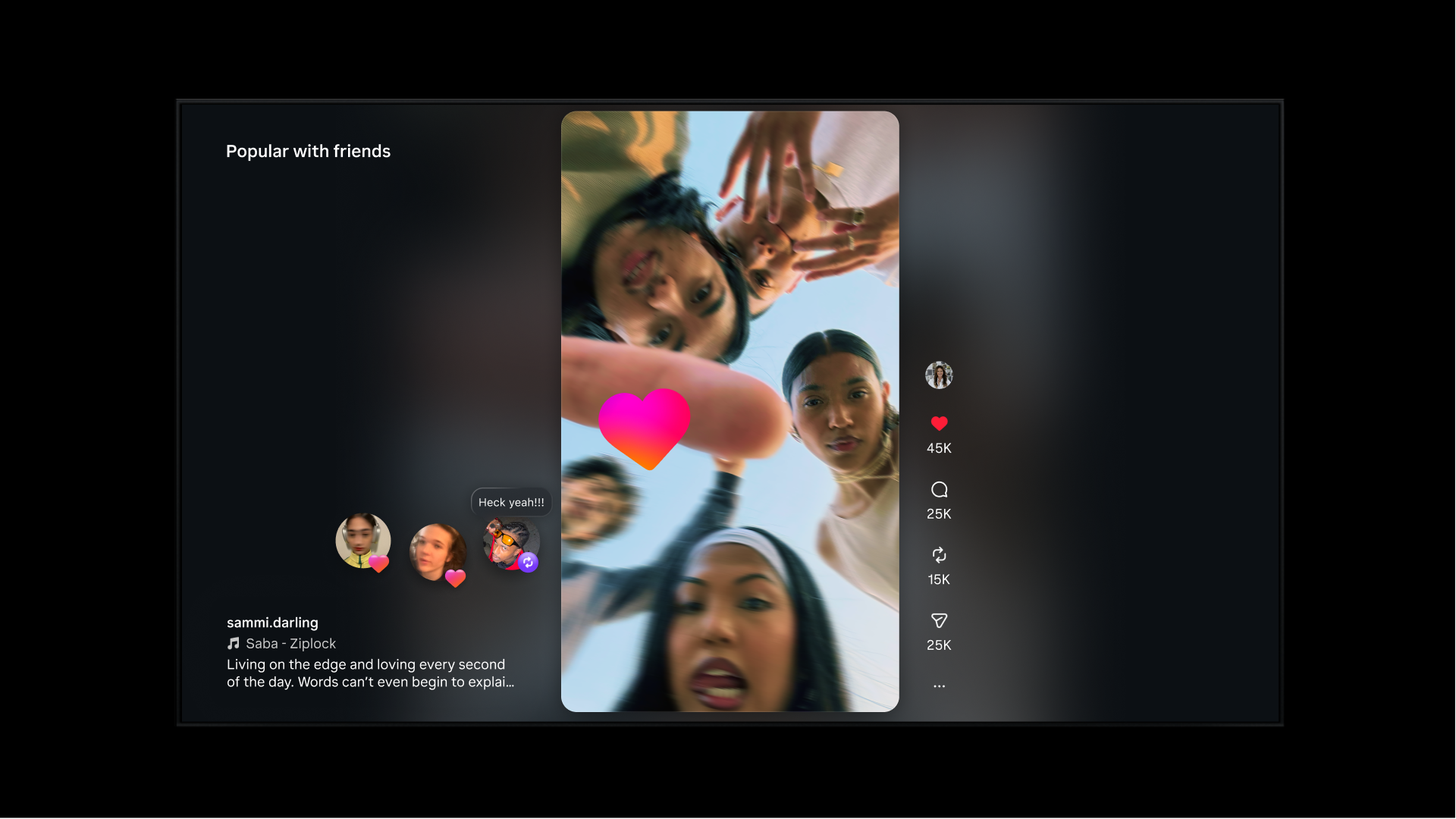
Instagram has officially broadened the reach of its dedicated TV application, extending the "Instagram for TV" experience to Google TV devices across the United States. This significant expansion, announced on February 24, 2026, at 11:13 AM PST, arrives merely two months after the app’s initial debut on Amazon Fire TV in December 2025. The move marks a clear strategic pivot for the Meta-owned social media giant, aiming to capture a larger share of the burgeoning living room entertainment market and directly challenge established players like YouTube and TikTok in the realm of large-screen content consumption.
A Strategic Expansion into the Living Room
The primary impetus behind the "Instagram for TV" app’s creation was to liberate Reels, Instagram’s popular short-form video format, from the confines of mobile screens. With its initial launch on Amazon Fire TV, Instagram signaled its intent to offer users a more relaxed, "lean-back" viewing experience akin to traditional television consumption. The subsequent rollout to Google TV devices amplifies this strategy, tapping into a vast ecosystem of smart TVs and streaming dongles that utilize Google’s platform. This latest update also introduces a crucial new feature: users can now browse posts from their main Instagram feeds directly on their televisions, transcending the initial focus purely on Reels. This integration transforms the TV app from a mere Reels viewer into a more comprehensive Instagram experience, making it a more compelling offering for users accustomed to consuming diverse content on the platform.
The decision to target Google TV devices specifically underscores the platform’s considerable market penetration and the strategic importance of aligning with key smart TV operating systems. Google TV, a successor to Android TV, powers a wide array of smart televisions from manufacturers like Sony, TCL, and Hisense, as well as standalone streaming devices such as the Chromecast with Google TV. By extending its app to this ecosystem, Instagram dramatically increases its potential audience reach, moving beyond the traditionally mobile-centric user base to engage individuals within their home entertainment environments. This broader accessibility is pivotal in Instagram’s ambition to evolve from a mobile-first application to a ubiquitous content platform.
The Evolution of Instagram Reels: A Journey to the Big Screen
The journey of Instagram Reels to the television screen is deeply rooted in the broader evolution of digital content consumption and the intense competition within the social media landscape. Reels was first launched globally in August 2020, primarily as Instagram’s direct response to the meteoric rise of TikTok, which had revolutionized short-form video with its addictive, algorithm-driven feed. Instagram recognized the immense appeal of bite-sized, engaging video content and quickly integrated Reels into its platform, leveraging its existing user base and creator community.
Since its inception, Reels has grown exponentially, becoming a cornerstone of Instagram’s content strategy. Meta, Instagram’s parent company, has consistently highlighted Reels as a key growth driver, with significant investments in its development, monetization, and discoverability. The success of Reels on mobile devices, however, also revealed a potential bottleneck: the limitations of the small screen for extended viewing sessions. As user habits shifted, with many increasingly connecting their mobile devices to larger screens or utilizing smart TV apps for digital content, the idea of bringing social video to the living room gained traction.
The "lean-back" viewing experience offered by televisions stands in stark contrast to the "lean-forward," active scrolling typically associated with mobile social media. Instagram’s move aims to cater to this more passive, communal consumption mode, allowing users to enjoy content without constantly holding or interacting with a phone. This acknowledges a fundamental shift in how people integrate digital media into their daily lives, moving seamlessly between personal mobile consumption and shared household viewing.
Chronology of Instagram’s TV Ambitions
- August 2020: Instagram officially launches Reels globally, positioning it as a competitor to TikTok’s short-form video dominance.
- November 2021: Rival platform TikTok expands its own TV application to a wider range of devices across the U.S. and Canada, demonstrating the viability and demand for social video on larger screens.
- May 2025: Nielsen reports indicate YouTube’s overwhelming dominance in TV viewing, surpassing traditional streaming giants like Disney+ and Netflix in terms of hours watched on television screens. This data likely solidified Instagram’s strategic imperative to expand its presence in the TV ecosystem.
- December 16, 2025: Instagram for TV app makes its debut on Amazon Fire TV devices, marking Instagram’s official entry into the dedicated smart TV application space.
- February 24, 2026: Instagram for TV app expands its availability to Google TV devices in the U.S., significantly broadening its reach and competitive footprint in the living room entertainment sector.
Navigating the Competitive Landscape: YouTube and TikTok as Precedents
Instagram’s push into the TV space is a direct challenge to the established order, particularly YouTube, which has long held a commanding lead in digital video consumption on television screens. According to Nielsen data from May 2025, YouTube consistently outperforms other streaming services in terms of total viewing hours on TV, cementing its status as a household staple. YouTube’s extensive library of user-generated content, professional productions, and the growing popularity of YouTube Shorts (its own short-form video format) make it a formidable competitor. YouTube has had dedicated smart TV applications for years, seamlessly integrating into the home entertainment setup and providing a precedent for extended, lean-back viewing.
Moreover, Instagram is not the first social media platform to venture into the TV domain. TikTok, Instagram’s primary rival in the short-form video arena, launched its own TV app in November 2021, expanding its availability across the U.S. and Canada on various smart TV platforms. TikTok’s TV app offers a curated feed of popular videos optimized for larger screens, demonstrating the feasibility and user appetite for such an experience. This move by TikTok likely provided Instagram with crucial market validation and spurred its own development in this area.
The competition for screen time in the living room is fierce, with every major content provider vying for user attention. For Instagram, entering this space is not just about expanding reach but also about future-proofing its platform. As digital consumption habits continue to evolve, platforms that can seamlessly integrate across multiple devices, from mobile to desktop to TV, are more likely to retain and grow their user base. This strategic expansion is therefore less about an isolated feature and more about Instagram’s long-term vision to become a truly cross-platform content powerhouse.
Enhanced User Experience: Features Designed for the Home Theater
The "Instagram for TV" app has been meticulously designed to translate the engaging mobile experience to a larger screen while adapting to the unique characteristics of TV viewing.
Personalized Content Discovery: At the heart of the app’s appeal is its sophisticated personalization engine. Leveraging Instagram’s robust recommendation algorithms, the TV app curates a feed of Reels based on the user’s viewing history, interactions, and preferred creators on their mobile Instagram app. This ensures that the content presented on the big screen is highly relevant and engaging, mirroring the individualized experience users expect from their mobile feeds. This deep integration with existing user data is a significant advantage, allowing for a seamless transition between devices without a loss in content relevance.

Streamlined Navigation and Auto-Play: To facilitate a true "lean-back" experience, Reels are organized into intuitive "channels" and "categories" based on topics such as comedy, music, lifestyle, news, and more. This categorical organization makes content discovery more akin to channel surfing on traditional television, allowing users to easily browse and select genres that appeal to them. A key feature enhancing this passive viewing experience is auto-play: Reels play automatically one after another, eliminating the need for continuous manual scrolling or interaction. This continuous stream of content aims to keep viewers engaged for longer periods, much like a curated playlist or a broadcast channel.
Interactive Engagement: Despite being on a television, users retain core interactive functionalities. The Instagram for TV app allows viewers to "like" Reels, view comments from other users, and even "reshare" content. While the specific interaction method may vary (e.g., using a TV remote, a companion mobile app as a remote, or voice commands), the presence of these features ensures that the social aspect of Instagram is not lost. This interactivity is crucial for creators, as it allows them to gauge audience reception and maintain a connection with their viewers even on the big screen.
Flexible Account Management: Recognizing that televisions are often shared devices within a household, the app offers flexible account management options. Users can pair the TV app with their existing Instagram mobile app and add up to five different accounts within a single home profile. This allows multiple family members or housemates to access their personalized feeds without needing to log in and out repeatedly. Alternatively, users have the option to create a completely new Instagram account specifically for TV viewing. This feature might appeal to those who wish to maintain a distinct viewing profile for their home entertainment, separate from their personal mobile social media activity, or for shared family accounts.
Broader Implications and Strategic Analysis
The expansion of Instagram for TV to Google TV carries significant implications across various stakeholders in the digital ecosystem.
For Meta and Instagram: This move is a powerful lever for increasing overall user engagement and time spent on Instagram. By offering a lean-back, TV-optimized experience, Instagram can capture viewing hours that might otherwise go to competitors or traditional television. This expanded reach also unlocks substantial new advertising opportunities. TV screens, with their larger format and potentially longer viewing sessions, present an ideal canvas for high-impact video advertisements and branded content, potentially leading to increased revenue for Meta. Furthermore, integrating Instagram into the home entertainment system strengthens the platform’s stickiness, making it a more integral part of users’ daily lives and deepening its data insights across multiple devices.
For Content Creators: This development presents a valuable opportunity for Instagram creators to reach a broader and potentially new audience. Content that performs well on mobile Reels may find even greater traction on a larger screen, especially if it’s visually engaging and optimized for a less interactive viewing style. Creators might begin to adapt their content strategies, perhaps focusing on higher production quality, broader appeal, or different pacing to suit the TV format. This expansion could also open up new avenues for monetization for creators, as Meta explores ways to share advertising revenue generated from TV viewing.
For Smart TV Platforms (Google TV and Amazon Fire TV): For both Google TV and Amazon Fire TV, integrating a popular app like Instagram adds significant value to their respective platforms. It enhances their content offerings, making them more attractive to consumers and potentially driving hardware sales or increased platform usage. Such collaborations deepen the integration between leading app developers and smart TV ecosystems, fostering a richer, more diverse content environment for users.
Industry Outlook: More broadly, Instagram’s strategic entry into the TV space signifies the ongoing blurring of lines between social media, streaming services, and traditional broadcast television. As technology advances and user expectations evolve, content platforms are increasingly expected to be ubiquitous, available on any screen, at any time. This trend points towards a future where the distinction between "social" and "entertainment" content continues to diminish, with platforms like Instagram positioning themselves as comprehensive media hubs.
Industry Reactions and Expert Commentary (Inferred)
While official statements are often guarded, industry sentiment suggests this is a critical and anticipated move. A hypothetical Meta spokesperson might emphasize the company’s commitment to "meeting users where they are" and "innovating to provide the best possible viewing experiences across all devices." They would likely highlight the "seamless integration of personalized content" and the "new opportunities for creators and advertisers" that this expansion brings.
From the perspective of Google TV, a representative might express enthusiasm for "enriching our content library with a vibrant and popular platform like Instagram," noting that it "provides our users with even greater choice and access to the content they love." Such statements would underscore the collaborative spirit and the mutual benefits of integrating leading applications onto their platform.
Tech analysts are likely to view this as a strategically sound, albeit challenging, move. "This is a necessary step for Instagram to maintain its competitive edge in the highly contested short-form video market," noted a hypothetical senior analyst at a prominent tech research firm. "YouTube has a significant head start, and TikTok has shown the viability of the model. Instagram needs to stake its claim in the living room if it wants to sustain its growth trajectory and diversify its advertising revenue streams beyond mobile." The analyst might also caution that success will hinge on seamless user experience and the ability to differentiate from existing offerings.
The Road Ahead: What’s Next for Social Video on TV?
The expansion to Google TV is likely just one step in Instagram’s broader strategy for large-screen content. Future developments could include deeper integrations with smart home devices, enhanced interactive features leveraging TV remote capabilities, or even the introduction of live streaming capabilities optimized for the television experience. Regional expansion beyond the U.S. is also a highly probable next step, bringing the Instagram for TV app to a global audience.
As consumers continue to gravitate towards personalized, on-demand content across all their devices, the battle for the living room screen will only intensify. Instagram’s move to embrace the television as a legitimate viewing platform for its dynamic content signals a clear commitment to evolving with its users and solidifying its position as a central player in the global digital media landscape.
