
The Kitchen and Bath Industry Show (KBIS) 2026, held annually as a cornerstone event for home design and innovation, once again served as a vibrant showcase for the latest advancements in smart home technology. Drawing thousands of industry professionals, designers, and tech enthusiasts, KBIS provides a crucial platform for manufacturers to unveil their most groundbreaking products. This year’s event, like its predecessors, highlighted a significant leap forward in the integration of artificial intelligence, enhanced connectivity, and user-centric design within the kitchen and bath sectors. The show, often likened to CES but with a dedicated focus on residential spaces, saw major players such as Samsung and LG alongside a multitude of other exhibitors vying for attention with their cutting-edge offerings. Amidst the bustling exhibition halls, a select group of products stood out for their exceptional innovation, seamless integration, and potential to redefine the modern home experience.
Revolutionizing the Culinary Hub: Smart Kitchen Innovations
The kitchen continues to be a focal point for smart home technology, with manufacturers increasingly focusing on appliances that offer not only convenience but also enhanced functionality and efficiency. This year’s KBIS saw a particular emphasis on intelligent cooking systems and connected appliances that aim to simplify meal preparation and management.
Fotile Smart Hood JQG7515: The Intelligent Air Purification System
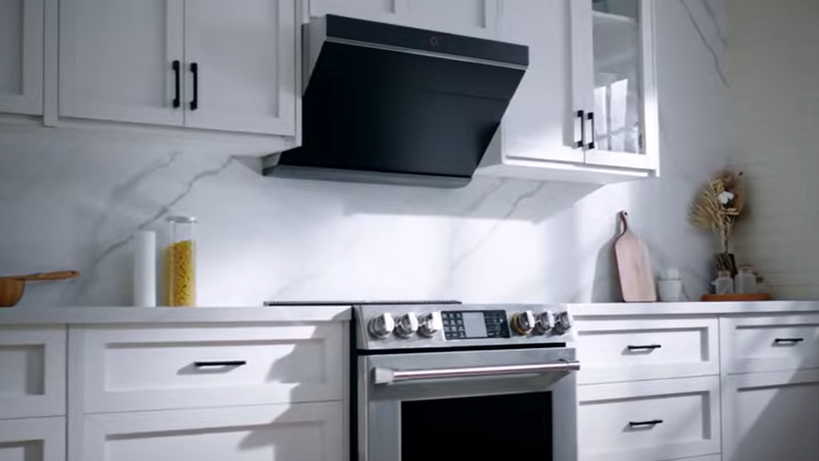
Fotile’s 5th generation Smart Hood JQG7515 emerged as a standout in the smart kitchen category, representing a significant evolution in range hood technology. More than just an appliance for ventilation, this model integrates advanced connectivity and user interface features. Equipped with Wi-Fi capabilities, the hood seamlessly connects to home networks, allowing for remote control and monitoring. Its compatibility with Amazon Alexa further enhances its smart home integration, enabling voice commands for operation.
A key innovation is the highly responsive gesture activation system, which allows users to control the hood’s functions – such as opening, closing, and adjusting fan speed – with simple hand movements. This contactless operation is particularly valuable in a kitchen environment where hands are often occupied or soiled. The design itself is noted for being both aesthetically pleasing and technologically advanced, aiming to be a statement piece in modern kitchens.
The most impressive feature, however, is Fotile’s proprietary SynCook technology. This intelligent system establishes a direct link between the range hood and compatible cooktops or oven ranges. Upon detecting the initiation of cooking on a connected hob, the SynCook system automatically activates the range hood’s extraction system. This proactive approach ensures immediate ventilation, efficiently capturing smoke, steam, and cooking odors at their source, thereby maintaining a cleaner and more comfortable kitchen environment without requiring manual intervention. This level of automation signifies a significant step towards truly integrated smart kitchen ecosystems, where appliances communicate and act in concert to enhance the user experience.
GE Profile 27.9 Cu. Ft. Smart 4-Door French-Door Refrigerator with Kitchen Assistant
GE Profile’s expansive 27.9 cubic foot smart refrigerator with its integrated Kitchen Assistant represents a comprehensive approach to managing household food inventory and grocery shopping. This appliance is designed to address common consumer pain points, such as food waste and the hassle of maintaining shopping lists.
The refrigerator features a built-in barcode scanner on its exterior. When users place new items inside, they can scan the product’s barcode. This action logs the item into a companion mobile application, effectively creating a digital inventory of the refrigerator’s contents. The system can track expiration dates, alert users when items are running low, and automatically add them to a digital shopping list.

Beyond inventory management, the Kitchen Assistant leverages artificial intelligence (AI) to offer personalized recipe suggestions based on the ingredients currently available within the refrigerator. This feature aims to inspire culinary creativity and help users utilize existing food items before they expire. Furthermore, GE Profile has partnered with Instacart, a leading grocery delivery service. Should a user run out of a particular item that is logged in their inventory, the system can facilitate a rapid replacement order, with the potential for delivery within as little as 30 minutes. This integrated service streamlines the grocery replenishment process, positioning the refrigerator as a central hub for food management. The implications of such integrated systems extend beyond mere convenience; they have the potential to significantly reduce food waste, a critical environmental concern, by empowering consumers with better visibility and control over their food supply.
LG Signature Slide-In Range: AI-Powered Culinary Precision
LG’s latest addition to its prestigious Signature line of high-end appliances, the Slide-In Range, incorporates artificial intelligence to elevate the cooking experience. This range is designed for the discerning home cook who values both sophisticated design and cutting-edge technology.
The appliance connects to LG’s comprehensive ThinQ service, a platform that enables smart functionality, remote control, and seamless integration with other LG smart devices. Navigation and control are managed through a large, 6.8-inch LCD touchscreen display, offering an intuitive user interface.
A standout feature is the integrated internal camera coupled with an AI gourmet function. The camera provides a live feed of the cooking process, accessible via a mobile device, allowing users to monitor their dishes without needing to be in the kitchen. The AI gourmet feature analyzes the cooking process in real-time. By recognizing the type of food being prepared and monitoring its progress, the AI can make automatic adjustments to cooking time and temperature, ensuring optimal results for every meal. This intelligent oversight minimizes the risk of overcooking or undercooking, contributing to consistently perfect culinary outcomes. The application of AI in such a direct cooking capacity underscores a growing trend towards appliances that actively participate in and enhance the cooking process, moving beyond passive execution to intelligent assistance.
Enhancing Home Security and Access: Smart Locks and Entry Systems
The smart home security sector continues to evolve, with manufacturers focusing on enhanced convenience, robust security features, and broader compatibility with emerging smart home standards.
Kwikset Halo Select Plus: Advanced Matter-Enabled Smart Lock
The Kwikset Halo Select Plus smart lock represents a significant stride in home access technology, boasting a blend of advanced features and broad compatibility. While its exterior design appears streamlined, its internal capabilities are extensive, setting it apart in a competitive market.
A key development is its robust support for multiple authentication methods. The lock accommodates NFC (Near Field Communication) technology and Apple Home Keys, allowing users to unlock their doors simply by tapping their iPhone or Apple Watch. This eliminates the need to pull out a phone or fumble with apps, offering a swift and convenient entry experience.

In terms of connectivity, the Halo Select Plus offers flexibility by supporting both the Matter protocol and traditional Wi-Fi. Matter, an emerging industry standard for smart home devices, aims to simplify device interoperability and setup across different brands and ecosystems. Users can also opt to use the dedicated Kwikset app for control and management. Furthermore, the lock integrates with major smart home ecosystems, including Amazon Alexa, Apple Home, and Google Home, ensuring compatibility with most existing smart home setups.
Additional features enhance its practicality and security. A bright LED backlit touchscreen facilitates easy code entry, even in low-light conditions. Internal sensors are incorporated to detect if a door has been left ajar, providing an alert to the user, thereby adding an extra layer of security and peace of mind. The multi-faceted approach to access and security, combined with broad protocol support, positions the Kwikset Halo Select Plus as a versatile and forward-thinking solution for modern home security.
Intelligent Appliances for Everyday Living
Beyond the kitchen, smart technology is making its way into other essential home appliances, promising greater efficiency and convenience in daily routines.
KitchenAid 30-Inch Smart Electric Double Wall Oven with Intelligent Cooking
KitchenAid’s 30-inch Smart Electric Double Wall Oven, featuring "Intelligent Cooking" capabilities, has garnered attention for its sophisticated integration of smart technology into a traditionally less digitized appliance. This oven is designed to offer unparalleled control and assistance in the culinary process.
As a fully connected oven, it can be operated through multiple interfaces: voice commands, a dedicated mobile application, or the oven’s clear and user-friendly front display. This versatility allows users to manage their cooking remotely or with ease from the kitchen itself.
The most remarkable feature is its integrated internal camera. This camera provides a live video feed of the oven’s interior, which is streamed directly to the user’s smartphone. This allows for constant monitoring of dishes like lasagnas or baked goods, ensuring they are progressing as intended without the need to open the oven door and disrupt the cooking temperature.
The "Intelligent Cooking" aspect extends this functionality further. The camera is capable of identifying the type of food being cooked. Based on this recognition, the oven can actively monitor the cooking progress and automatically adjust cooking times and temperatures as needed. This AI-driven oversight aims to eliminate guesswork and ensure consistently perfect results, marking a significant advancement in oven technology. The development signifies a move towards appliances that not only perform tasks but actively learn and adapt to user needs and cooking scenarios.

Whirlpool Top Load Washer with New Industry-First Delicates Basket
Whirlpool presented a range of smart home innovations at KBIS 2026, with its Top Load Washer standing out for its practical integration of smart features and a thoughtfully designed auxiliary component.
The washer supports the Matter protocol, a significant advantage for consumers looking to build a cohesive smart home ecosystem. Matter’s interoperability ensures that the Whirlpool washer can easily connect and communicate with other Matter-certified devices within the home network, often without requiring additional hubs or complex setup procedures. Voice control is also integrated, allowing users to manage laundry cycles remotely or conveniently through voice commands.
Beyond its smart capabilities, Whirlpool introduced an innovative, removable "delicates basket." This internal basket is designed to provide gentle care for delicate garments, preventing them from tangling or being damaged during the wash cycle. This feature addresses a common laundry challenge, allowing users to wash delicates alongside regular loads without the need for separate cycles or specialized bags, thereby saving time and energy. The basket can be easily removed when not in use, freeing up the full capacity of the washing machine for larger loads. This dual focus on smart connectivity and practical design enhancements highlights Whirlpool’s commitment to addressing real-world consumer needs in home appliances.
Broader Implications and Industry Trends
The technologies showcased at KBIS 2026 underscore several key trends shaping the future of residential design and technology:
- Ubiquitous AI Integration: Artificial intelligence is no longer confined to niche applications. From refrigerators that suggest recipes to ovens that monitor cooking progress, AI is becoming an integral part of appliance functionality, aiming to provide more personalized and efficient user experiences.
- Enhanced Connectivity and Interoperability: The growing adoption of standards like Matter signifies a push towards a more connected and seamless smart home. Consumers increasingly expect their devices to work together harmoniously, regardless of brand.
- User-Centric Design: Manufacturers are focusing on solving tangible consumer problems, such as food waste, laundry care, and home security, through intelligent design and technology. The emphasis is shifting from simply adding features to creating solutions that genuinely improve daily life.
- Data-Driven Personalization: Appliances are increasingly collecting and analyzing data to offer personalized services, from customized cooking settings to tailored grocery lists, promising a more intuitive and responsive home environment.
The continued evolution of smart home technology, as exemplified by the innovations at KBIS 2026, suggests a future where homes are not only more convenient and efficient but also more intuitive and responsive to the needs of their occupants. The integration of advanced AI, robust connectivity, and thoughtful design principles points towards a new era of intelligent living.
