
March 2026 presents a fertile ground for businesses to leverage content marketing strategies, capitalizing on seasonal shifts, cultural observances, and significant national milestones. The core principle of content marketing remains constant: to attract, engage, and ultimately retain customers by providing value. This approach operates on the concept of reciprocity; by offering useful and engaging content, businesses can foster goodwill and encourage customer loyalty, which often translates into increased sales. This article explores five distinct content marketing opportunities businesses can embrace in March 2026 to enhance their brand presence and connect with their target audiences.
Embracing the Spirit of Spring Renewal
As the Northern Hemisphere transitions into spring in March, a palpable shift occurs in consumer mindset. Days lengthen, temperatures gradually rise, and a collective inclination towards renewal and rejuvenation takes hold. This seasonal psychological shift often translates into a desire for tangible improvements in daily life, whether through decluttering, redecorating, or revitalizing personal habits. For businesses, this presents a prime opportunity to align content with this consumer sentiment, offering practical solutions and inspirational guidance.
The concept of "spring cleaning" extends beyond mere tidiness; it represents a broader impulse towards organization, refreshing living spaces, and updating wardrobes or routines that may have become stagnant during the winter months. Content that addresses these needs can be highly effective. For instance, a home goods retailer might produce a series of articles or videos detailing how to optimize kitchen functionality or create a more serene bedroom sanctuary. Similarly, a fashion brand could offer tips on curating a transitional spring wardrobe, focusing on versatile pieces and emerging trends. Fitness brands can tap into this by providing actionable plans for re-establishing workout routines or introducing new exercise regimens.

The effectiveness of such content lies in its ability to help potential customers achieve a meaningful goal. When a business provides genuine value that aids in completing a project or learning a new skill, it builds a foundation of trust. This trust is a crucial, albeit often intangible, asset that can significantly influence purchasing decisions in the long term. Data from the Content Marketing Institute consistently shows that consumers are more likely to purchase from brands they trust, with a significant percentage reporting that they have bought a product or service after reading a brand’s content. By demonstrating expertise and offering practical assistance, businesses can foster this vital customer relationship.
Celebrating National Peanut Butter Lover’s Day with Culinary Creativity
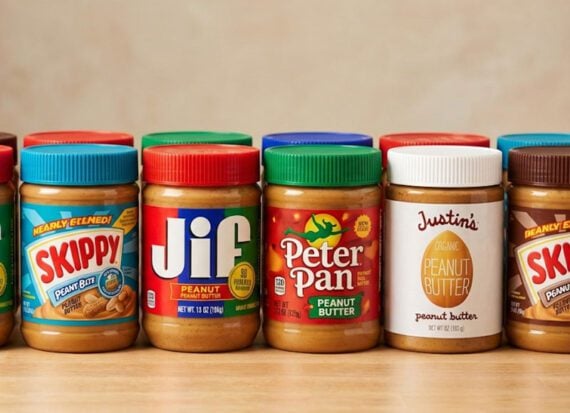
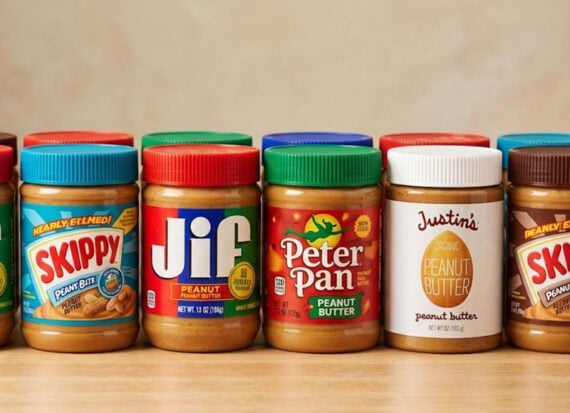
March 1, 2026, marks National Peanut Butter Lover’s Day in the United States, a pseudo-holiday that has gained traction since its emergence in the 1990s. This day provides a unique and universally appealing theme for content marketing, particularly for businesses operating within the food, kitchenware, and health and wellness sectors. The broad appeal of peanut butter allows for diverse content angles, from simple recipes to explorations of its nutritional benefits.
Food-related content has a proven track record of performing exceptionally well across various digital platforms, including search engines, social media, and increasingly, AI-driven content discovery tools. For merchants selling kitchenware, specialty foods, or fitness-related products like protein powders and supplements, National Peanut Butter Lover’s Day offers a direct avenue for engagement. Content ideas could include:

- Recipe Development: Sharing creative and accessible recipes featuring peanut butter, ranging from classic sandwiches and cookies to more adventurous savory dishes or smoothie variations. For example, a kitchenware store could feature recipes that highlight the use of specific tools, like blenders for smoothies or food processors for homemade peanut butter.
- Nutritional Spotlights: Discussing the health benefits of peanut butter, its protein content, and its role in a balanced diet. This could be particularly relevant for fitness brands, positioning peanut butter as a healthy snack or post-workout fuel.
- Product Pairings: Suggesting complementary products that pair well with peanut butter, such as artisanal bread, jams, or even coffee for a breakfast-themed promotion.
- Historical and Cultural Context: Exploring the history of peanut butter, its origins, and its cultural significance, offering an educational and engaging narrative.
Beyond these direct applications, businesses in seemingly unrelated sectors can also find creative ways to participate. A retailer specializing in science and math kits, for instance, could develop content that connects peanut butter to scientific principles. This might include experiments demonstrating the viscosity of peanut butter, the physics of spreading it on toast, or even the chemical composition that contributes to its unique flavor profile. This approach, exemplified by titles like "The Science Behind the Perfect Peanut Butter Sandwich" or "Calculating the Optimal Peanut Butter-to-Jelly Ratio," can attract a curious audience and subtly introduce them to the store’s offerings. The overarching goal is to generate timely, interesting content that resonates with the spirit of the day, thereby drawing attention to the business.
"Live Long and Prosper Day": Harnessing the Appeal of Science Fiction
March 26, 2026, is designated as "Live Long and Prosper Day," a commemoration inspired by Leonard Nimoy’s iconic portrayal of Mr. Spock and the Vulcan philosophy in the Star Trek franchise. This observance transcends its science fiction origins, having become a cultural shorthand for optimism, technological advancement, and a hopeful vision of humanity’s future. Science fiction, as a genre, continues to exert a profound influence on popular culture, shaping perceptions of innovation, design, and societal progress. This pervasive influence creates a fertile ground for e-commerce content marketers to frame their products within a futuristic or speculative design aesthetic, even without direct licensing of Star Trek intellectual property.
The opportunity lies in highlighting everyday products that possess qualities reminiscent of science fiction – minimalist design, advanced functionality, or an overall sense of futuristic integration. This theme can be applied across a wide range of product categories. Electronics, with their ever-evolving capabilities, naturally align with a sci-fi narrative. Home office gear can be presented as tools for optimized productivity in a future-ready workspace. Apparel can emphasize sleek, functional designs. Books can explore themes of space exploration, artificial intelligence, or utopian/dystopian societies. Hobby supplies can be framed as tools for engaging with the scientific or technological frontiers. Even general gift items can be curated to reflect a sense of wonder and forward-thinking.
The current era, characterized by rapid advancements in artificial intelligence and other transformative technologies, inherently lends a science-fiction feel to many aspects of modern life. Businesses can capitalize on this by creating content that explores how their products contribute to a more efficient, connected, or imaginative future. Examples of content could include:
- "The Future of [Product Category]": Articles or videos speculating on the evolution of a specific product category, showcasing how current offerings represent steps towards that future.
- "Design Inspired by Tomorrow": Highlighting products with sleek, minimalist, or innovative designs that evoke a sense of advanced technology.
- "Tools for the Modern Explorer": Positioning products as essential gear for individuals navigating a rapidly changing world, much like explorers charting new territories.
- "The Logic of [Product Feature]": Drawing parallels between the logical, analytical nature of Mr. Spock and the intelligent design or functionality of a product.
By framing products through a science-fiction lens, businesses can tap into a rich vein of cultural fascination and present their offerings in a novel and engaging way, fostering a sense of aspiration and connection with consumers who are intrigued by the possibilities of the future.
"Make Up Your Own Holiday Day": Empowering Creative Brand Storytelling
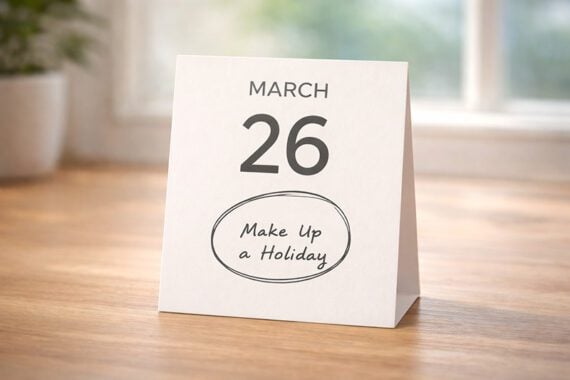
March 26 also marks "Make Up Your Own Holiday Day," a playful and unconventional observance that invites individuals and businesses alike to invent their own celebratory occasions. This date offers a unique permission slip for e-commerce marketers to blend entertainment with promotional activities, stepping outside the confines of traditional holidays. Unlike established observances, this DIY holiday concept allows for extreme customization, enabling businesses to center their celebrations around specific product categories, unique use cases, or cherished customer habits.

This flexible framework opens up a world of creative possibilities for businesses across various sectors. For instance, an online liquor store could introduce "Toast Your Partner Day," encouraging customers to select a bottle to celebrate their significant other. A coffee merchant might establish "The Perfect Morning Brew Day," featuring curated coffee blends and brewing equipment. An office supply retailer could launch "Desk De-Clutter Day," offering organizational tools and tips for a more productive workspace. Similarly, a game shop could champion "Family Game Night Extravaganza," promoting board games and party accessories.
The key to success with "Make Up Your Own Holiday Day" lies in the integration of products into the narrative. Each invented holiday should naturally lead consumers to consider relevant merchandise. For example, "Toast Your Partner Day" could feature gift sets or recommendations for celebratory beverages. "The Perfect Morning Brew Day" could highlight specific coffee beans, grinders, or aesthetically pleasing mugs. This approach transforms a lighthearted, invented holiday into a strategic opportunity to drive sales while fostering a sense of fun and engagement with the brand. The inherent creativity of this day allows businesses to tell their story in a way that is authentic to their brand identity and resonates with their specific customer base, encouraging participation and, ultimately, conversions.
America at 250: Celebrating Heritage and Craftsmanship
In 2026, the United States will commemorate its 250th anniversary. This significant national milestone provides a powerful backdrop for U.S.-based merchants to engage in product-centered storytelling that emphasizes heritage, domestic craftsmanship, and the enduring value of American-made goods. The theme of "America 250" offers a compelling narrative arc that can be woven throughout content marketing efforts, extending from spring through the summer months.
One primary angle for this commemoration is to highlight products that are manufactured in the United States or are rooted in long-standing domestic artisanal traditions. These products possess an inherent connection to themes of durability, legacy, and continuity, allowing businesses to engage with patriotic sentiment without resorting to overt or potentially divisive political messaging. Instead, the focus can be on the quality, skill, and history embedded within each item.
Content developed around this theme can educate consumers about the origins of their purchases, the intricate processes involved in their creation, and the contemporary relevance of these traditions. This can manifest in various forms of storytelling, such as:
- "Crafted in the USA: A Legacy of Quality": Articles or video series profiling American manufacturers, highlighting their history, their commitment to quality, and the unique skills of their workforce.
- "The Art of American [Product Type]": Exploring the historical evolution and contemporary artistry of specific product categories made in the U.S., such as leather goods, woodworking, or textiles.
- "Generations of Skill: Preserving American Craftsmanship": Featuring businesses that have passed down techniques and knowledge through multiple generations, emphasizing the enduring value of traditional methods.
- "From Our Soil to Your Home": For businesses sourcing raw materials domestically, content can trace the journey from the farm or natural resource to the finished product, underscoring local provenance.
These narratives can be presented as a continuing "America 250" series, gradually building a rich library of heritage-focused content that is intrinsically tied to the merchandise. This approach not only celebrates national identity but also taps into a growing consumer demand for transparency, authenticity, and ethically produced goods. By focusing on the stories behind American-made products, businesses can cultivate a deeper connection with their customers, reinforcing brand loyalty and driving sales through a shared appreciation for craftsmanship and heritage. The 250th anniversary offers a unique and timely opportunity to tell these compelling stories and celebrate the enduring spirit of American enterprise.
