
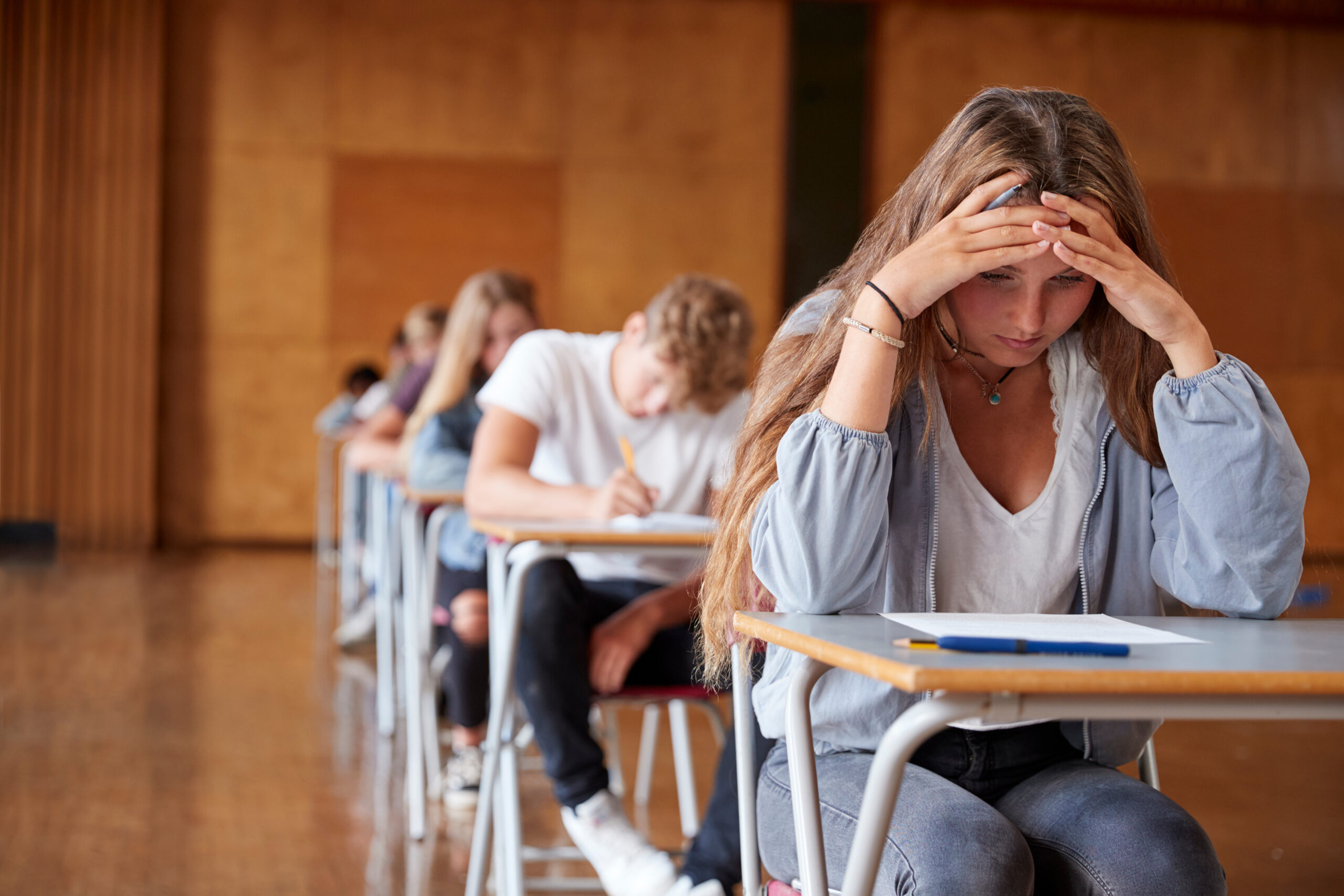
The landscape of adolescent mental health has become increasingly complex, with school-related anxiety emerging as a significant concern for parents, educators, and mental health professionals alike. The seemingly innocuous question, "How was school today?" can often be met with exasperation or withdrawal, signaling a deeper struggle beneath the surface. While such reactions might be dismissed as typical teenage angst, they often belie a profound sense of stress that can manifest in various forms, profoundly impacting a young person’s academic performance, social development, and overall well-being. Understanding the nuances of this anxiety is the critical first step toward effective intervention and support.
The Escalating Challenge of Adolescent Anxiety
Teenage years are inherently a period of significant transition, marked by rapid physical, emotional, and cognitive changes. However, contemporary adolescents face unprecedented pressures that contribute to heightened anxiety levels. Data from the Centers for Disease Control and Prevention (CDC) indicates a concerning trend, with mental health challenges among adolescents, including anxiety and depression, on the rise. A 2023 report from the CDC revealed that more than one in three high school students experienced persistent feelings of sadness or hopelessness in 2021, a 40% increase since 2009. While not all sadness translates to anxiety, the two often co-occur, with anxiety frequently underpinning feelings of overwhelm and distress. School, a central pillar of a teen’s daily life, is a primary crucible where these pressures converge.
The Pew Research Center highlighted in a 2025 report that 68% of teens feel significant pressure to achieve good grades, underscoring the pervasive academic burden. This academic stress is often compounded by social pressures, the omnipresent influence of social media, and the burgeoning expectations surrounding extracurricular involvement and future career paths. The COVID-19 pandemic further exacerbated these issues, disrupting routines, increasing isolation, and introducing new anxieties related to health, safety, and an uncertain future. This confluence of factors creates a fertile ground for anxiety to take root and flourish in the school environment.
Identifying the Manifestations of School-Related Anxiety
Recognizing school-related anxiety in teenagers can be challenging, as its symptoms often mimic typical adolescent behaviors or can be misinterpreted as defiance or disinterest. However, a keen observer can detect changes across behavioral, emotional, and physical domains.
Behavioral Indicators:
- Withdrawal: Retreating from social activities, family interactions, or previously enjoyed hobbies.
- Avoidance: Procrastination on schoolwork, feigning illness to miss school, or avoiding specific classes or social situations.
- Irritability or Aggression: Increased arguments, short temper, or snapping at family members.
- Changes in Routine: Altered sleep patterns (insomnia or excessive sleeping), changes in eating habits (loss of appetite or overeating).
- Restlessness: Fidgeting, difficulty sitting still, or an inability to relax.
Emotional Indicators:
- Excessive Worry: Persistent and uncontrollable worrying about school performance, social interactions, or future events.
- Fear and Panic: Episodes of intense fear, rapid heartbeat, shortness of breath, or dizziness, especially before school or specific events.
- Sadness or Hopelessness: Feelings of dejection, loss of interest in activities, or a pessimistic outlook.
- Self-Criticism: Harsh judgment of oneself, perfectionistic tendencies, or fear of failure.
- Emotional Volatility: Frequent mood swings, disproportionate reactions to minor stressors.
Physical Indicators:
- Somatic Complaints: Frequent headaches, stomachaches, nausea, or muscle tension without a clear medical cause.
- Fatigue: Persistent tiredness despite adequate sleep.
- Changes in Appetite: Significant weight gain or loss.
- Increased Illness: A weakened immune system leading to more frequent colds or infections.
Teens may also explicitly state feeling "stressed" or "overwhelmed." However, anxiety can often mask itself as defiance, laziness, or a general lack of motivation. Early recognition of these signs is paramount for parents and caregivers to effectively guide their children toward appropriate coping mechanisms and, if necessary, professional support.
Categorizing School-Related Anxiety: A Deeper Dive
Teen school anxiety is not a monolithic experience; it manifests in distinct categories, each requiring tailored understanding and support strategies. The three primary types are academic stress, social anxiety, and performance anxiety.
1. Academic School Stress: The Pressure to Excel
Academic school stress stems from the immense pressure teens feel to perform well in their studies, secure good grades, and gain admission to competitive colleges. This pressure can originate from internal perfectionistic tendencies, high parental expectations, the competitive peer environment, or the broader academic culture that often prioritizes outcomes over learning.
Background and Context: The modern educational system, particularly in developed nations, places a heavy emphasis on standardized testing, grade point averages, and extracurricular achievements as gateways to future success. This creates an environment where students often feel their entire future hinges on their academic record. The rise of social media also plays a role, as teens are constantly exposed to perceived successes of their peers, fostering a culture of comparison and inadequacy. The American Psychological Association’s (APA) annual "Stress in America" survey consistently highlights education and academic pressure as top stressors for teenagers.
Supporting Teens with Academic Stress:
- Emphasize Effort Over Outcomes: Shift the focus from the grade received to the learning process and the effort expended. Instead of asking, "Did you get an A?" try, "I noticed you spent a lot of time studying for that test; you really put in the work." This fosters a growth mindset, where challenges are seen as opportunities for learning rather than threats to self-worth.
- Reality-Check Fears: Help teens evaluate their anxieties rationally. When a teen expresses fear of failing, ask, "What’s the worst that could realistically happen?" and then brainstorm potential solutions or alternative pathways. This technique, often employed in cognitive behavioral therapy (CBT), helps dismantle catastrophic thinking. For instance, if the fear is failing a test, discuss options like retaking it, talking to the teacher, or focusing on future assignments.
- Cultivate a Relaxed Mindset: Encourage self-compassion and mindfulness. Remind them, "You know more than you think. Start with what you know and build from there." Simple grounding techniques like deep breathing before a test can help calm racing thoughts.
- Practical Coping Skills:
- Break Down Tasks: Large assignments can feel insurmountable. Help your teen break them into smaller, manageable steps. This reduces overwhelm and provides a sense of accomplishment with each completed mini-task. Using a planner or digital tools can facilitate this.
- Model Resilience: Share your own experiences with setbacks and how you overcame them. Demonstrate that making mistakes is a normal part of life and learning. This teaches them perseverance and adaptability.
- Prioritization and Time Management: Teach effective time management strategies, such as the Eisenhower Matrix (urgent/important) or the Pomodoro Technique. Help them distinguish between truly important tasks and those that can wait, reducing feelings of being constantly behind.
- Healthy Habits: Ensure adequate sleep, nutrition, and physical activity, all of which are foundational for managing stress and enhancing cognitive function.
2. Social Anxiety School Stress: The Fear of Judgment
Social anxiety in the school context manifests as an intense fear of being judged, rejected, or embarrassed by peers or teachers. This can lead to avoidance of social interactions, obsessive worrying about what others think, or compulsive phone-checking to monitor social status. For socially anxious teens, the daily effort to appear "normal" or "okay" at school can be emotionally exhausting, leaving them drained and vulnerable.
Background and Context: Adolescence is a crucial period for identity formation and peer group integration. The desire for acceptance is profound. Social media platforms, while offering connection, also present a constant stage for comparison, judgment, and the fear of missing out (FOMO). Research consistently links passive social media scrolling and online comparison to increased anxiety and decreased self-esteem in teens. Cyberbullying, a pervasive issue, further amplifies social anxieties.
Supporting Teens with Social Stress:
- Start with Empathy and Validation: Acknowledge and validate their feelings without minimizing them. Phrases like, "It sounds like that conversation really upset you. That’s completely understandable," convey acceptance. Avoid dismissive statements like, "You won’t even remember this in a few years," which can invalidate their current distress.
- Offer Choices and Empowerment: Empower your teen by giving them agency in how to respond to social challenges. Ask, "Do you want to talk about it now, or would you prefer some space first?" or "What do you think could make things better next time?" This helps them develop problem-solving skills and a sense of control.
- Build Social Confidence Gradually:
- Encourage Low-Stakes Social Risks: Suggest small, manageable steps to engage socially, such as joining a club related to an interest, initiating a study group, or inviting one friend for an activity after school. These provide opportunities for positive social experiences without overwhelming pressure.
- Manage Online Spaces: Help your teen critically evaluate their social media use. Discuss which accounts make them feel worse about themselves and encourage "curating" their feed by unfollowing or muting content that negatively impacts their self-esteem. Encourage digital detox periods.
- Develop Social Skills: Role-play conversations, discuss non-verbal cues, and practice initiating and maintaining conversations in a safe, supportive environment.
3. Performance Anxiety School Stress: The Spotlight Effect
Performance anxiety occurs when the fear of being judged or failing in a specific task takes over, whether it’s giving a presentation, competing in a sporting event, performing in a play, or even participating in a classroom discussion. Signs can include wanting to quit activities they once loved, obsessive practicing, or experiencing physical symptoms like panic attacks, nausea, or trembling before an anticipated event.
Background and Context: Modern society often celebrates achievement and public recognition, creating an environment where performing well under scrutiny is highly valued. From academic competitions to sports championships and artistic showcases, teens are frequently placed in situations where their abilities are openly evaluated. This pressure, combined with a developing sense of self and identity, can make public performance a source of intense apprehension.
Supporting Teens with Performance Pressure:
- Balance Encouragement with Reality: Offer realistic encouragement rather than generic "You’ll do great!" statements, which can inadvertently add pressure for perfection. Try, "You’ve put in the work; you’re ready. If something unexpected happens, you’ll handle it." This acknowledges their preparation while also normalizing potential challenges and reinforcing their capacity for resilience.
- Normalize Nerves: Explain that even seasoned professionals experience pre-performance jitters. This helps teens understand that anxiety is a normal physiological response, not a sign of weakness or impending failure. Share anecdotes or examples of famous individuals who admit to experiencing nerves.
- Effective Coping Skills:
- Visualization: Guide your teen through mental rehearsal of successful performance. Encourage them to vividly imagine the entire event, from preparation to execution, including overcoming small obstacles, and ending with a positive outcome. This builds mental confidence and reduces the novelty of the situation.
- Strategic Practice: Emphasize deliberate practice over excessive, burnout-inducing practice. Help them identify areas for improvement and focus practice on those specific skills. Ensure practice includes realistic simulations of the performance environment to reduce surprise on the actual day.
- Breathing Techniques: Teach calming breathing exercises, such as diaphragmatic breathing (belly breathing) or the 4-7-8 method (inhale for 4, hold for 7, exhale for 8). These techniques activate the parasympathetic nervous system, promoting relaxation and reducing physical symptoms of anxiety.
- Mindfulness and Grounding: Encourage mindfulness practices to bring attention to the present moment, reducing rumination about past failures or future worries. Grounding techniques, like focusing on sensory details (what they see, hear, feel), can help them stay anchored during moments of panic.
The Broader Societal Context and Implications
The rise in teen school anxiety is not an isolated phenomenon but rather a symptom of broader societal trends. Increased academic competition, the omnipresence of social media, the lingering effects of the pandemic, and sometimes, a lack of adequate mental health resources in schools all contribute to this crisis. Untreated anxiety in adolescence can have significant long-term implications, including a higher risk of developing other mental health disorders, academic underachievement, social isolation, and difficulties in future professional and personal relationships. It can also lead to chronic physical health issues due to sustained stress.
The Role of Schools and Educators: Schools are on the front lines of this challenge. Many institutions are now implementing mental health curricula, providing access to school counselors, and fostering supportive classroom environments. However, resources are often stretched thin. Comprehensive approaches involve:
- Mental Health Literacy: Educating students, teachers, and parents about mental health conditions, reducing stigma, and promoting help-seeking behaviors.
- Early Intervention Programs: Identifying students at risk and providing timely support.
- Flexible Academic Structures: Re-evaluating grading policies, homework loads, and assessment methods to reduce undue pressure.
- Professional Development for Staff: Equipping teachers with skills to recognize signs of anxiety and implement supportive classroom strategies.
When to Seek Professional Help
While parental support and coping strategies are invaluable, there are instances when professional intervention becomes necessary. It is crucial for parents to recognize these red flags and not hesitate to seek expert assistance.
Indicators for Professional Help:
- Interference with Daily Functioning: If anxiety significantly impairs a teen’s ability to attend school, complete assignments, maintain friendships, or engage in daily activities.
- Persistent Physical Symptoms: Chronic headaches, stomachaches, or other physical complaints that have no medical explanation and are unresponsive to home remedies.
- Thoughts of Self-Harm or Suicide: Any mention or indication of self-harm, suicidal ideation, or hopelessness warrants immediate professional evaluation.
- Lack of Improvement: If parental support and implemented coping strategies do not lead to a noticeable improvement in anxiety levels over a reasonable period (e.g., several weeks).
- Panic Attacks: Frequent or severe panic attacks that are debilitating.
- Substance Abuse: Using drugs or alcohol as a coping mechanism for anxiety.
- Extreme Withdrawal or Isolation: A complete retreat from social interaction and activities.
Professional help can include therapy (such as Cognitive Behavioral Therapy or Dialectical Behavior Therapy), medication, or a combination of both. School psychologists, clinical psychologists, psychiatrists, and licensed therapists are equipped to diagnose and treat anxiety disorders, providing teens with specialized tools and strategies to manage their mental health effectively. Reducing the stigma associated with mental health care is vital, encouraging teens and families to view seeking help as a sign of strength, not weakness.
Conclusion
Addressing teen school anxiety requires a multi-faceted approach involving parents, educators, and the wider community. By understanding the different manifestations of anxiety, employing targeted support strategies, and recognizing when professional intervention is needed, adults can play a pivotal role in equipping teenagers with the resilience and coping skills necessary to navigate the complexities of adolescence and build a foundation for lifelong mental well-being. The goal is not to eliminate stress entirely, which is an unrealistic and even undesirable aim, but rather to teach teens how to manage it effectively, transforming challenges into opportunities for growth and fostering a sense of mastery over their emotional lives.
