
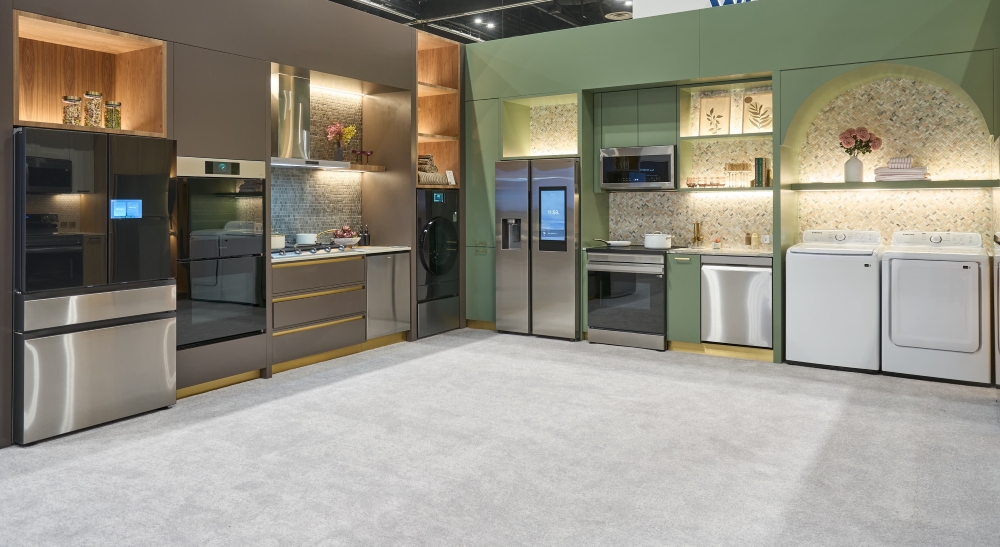
The Kitchen & Bath Industry Show (KBIS) 2026, held this week in Orlando, Florida, served as the grand stage for Samsung to articulate its forward-thinking vision for the modern kitchen. The global technology leader showcased an expansive and sophisticated ecosystem of connected, Artificial Intelligence (AI)-powered appliances, prominently featuring an updated lineup of its Bespoke AI offerings alongside the highly premium, built-in solutions from its luxury brand, Dacor. This unveiling signals a significant push towards integrating advanced technology not only for enhanced functionality but also for a seamless aesthetic that caters to the evolving demands of discerning homeowners seeking both unparalleled convenience and refined luxury.
KBIS 2026: A Nexus of Innovation in Home Design
KBIS, widely recognized as North America’s largest trade show dedicated to the kitchen and bath industry, provides a crucial platform for manufacturers, designers, architects, and specifiers to explore the latest trends, technologies, and product innovations. Held annually, the event draws tens of thousands of attendees eager to witness firsthand the future of home design and functionality. For 2026, the show underscored a growing emphasis on smart home integration, sustainability, and personalized user experiences, themes that Samsung’s presentations directly addressed. The exhibition halls buzzed with activity as companies demonstrated how technology is reshaping living spaces, making them more intuitive, efficient, and aesthetically pleasing. Samsung’s presence at KBIS 2026 was particularly impactful, demonstrating a cohesive strategy that spans from everyday appliance intelligence to ultra-luxury integrated systems.
Dacor Redefines Premium Kitchen Experiences with a Focus on Wine Culture and Disappearing Designs
Central to Samsung’s display at KBIS 2026 was the Dacor brand’s commitment to what it terms "Premium Wine Culture." This initiative showcases a suite of sophisticated wine preservation and dispensing solutions designed to elevate the home entertaining experience. The centerpiece of this collection is the 24-inch Undercounter Wine Cellar, offering precise temperature and humidity control to safeguard fine vintages. Complementing this is the Wine Column, a more capacious unit for serious collectors, and the innovative Built-in Wine Dispenser.
The Dacor Built-in Wine Dispenser represents a significant advancement in home beverage service. Capable of housing up to four standard wine bottles, this appliance features dual-zone temperature control, ensuring that both red and white wines are maintained at their optimal serving temperatures simultaneously. This granular control is crucial for preserving the nuanced flavors and aromas of different varietals. The dispensing mechanism is designed for effortless precision; a simple tap allows users to pour the exact quantity of wine desired, minimizing waste and enhancing the serving experience. This level of sophistication transforms the kitchen from a mere preparation area into a refined entertainment hub.
Furthermore, Dacor is aggressively pushing the "hidden kitchen" concept, a design philosophy that prioritizes a minimalist and integrated aesthetic. This approach sees major kitchen appliances seamlessly concealed within custom cabinetry or furniture, often behind curved panels or retractable doors. This strategy aims to achieve a clean, uncluttered look where appliances become virtually invisible when not in use. The range of Dacor appliances designed for this concept includes refrigerators, induction cooktops, and the award-winning 24-inch Dishwasher. This integration demonstrates that homeowners no longer need to compromise between high performance and a visually cohesive, aesthetically pleasing kitchen environment. Every Dacor appliance showcased is fully compatible with Samsung’s SmartThings platform, enabling comprehensive remote control and monitoring via a smartphone or tablet.
Samsung’s Bespoke AI Family Hub Refrigerator: The Intelligent Core of the Modern Kitchen
Samsung’s Bespoke AI Refrigerator Family Hub emerged as a significant focal point, embodying the company’s dedication to infusing everyday appliances with advanced intelligence. The latest iteration boasts an enhanced AI Vision system, utilizing sophisticated internal cameras to meticulously identify the contents within the refrigerator. Currently, the system demonstrates an impressive capability to recognize 37 distinct types of fresh produce and 50 categories of processed food items. Samsung has indicated a commitment to continuously expanding this recognition database through ongoing software updates, aiming to cover an even broader spectrum of grocery items.
The intelligence extends beyond mere identification. The Family Hub acts as a personalized kitchen assistant. Users can engage in natural language conversations with Bixby, Samsung’s AI voice assistant, to generate recipe suggestions based on the ingredients currently available in the refrigerator. This feature not only helps reduce food waste by utilizing existing ingredients but also simplifies meal planning for busy households. For instance, a user could ask Bixby, "What can I make with chicken breast and broccoli?" and receive tailored recipe ideas, complete with instructions accessible directly on the refrigerator’s display. This interactive capability transforms the refrigerator from a passive storage unit into an active participant in the culinary process.
Expanding the Bespoke AI Ecosystem: A Unified Smart Home Experience
Samsung’s vision extends far beyond the refrigerator, encompassing a comprehensive suite of Bespoke AI appliances designed to work harmoniously within a connected ecosystem. The company is showcasing its Bespoke AI dishwashers, ovens, and laundry machines, all integrated with the SmartThings platform. This unified connectivity allows for seamless control and management of multiple appliances from a single interface, offering unparalleled convenience.
The SmartThings platform facilitates a range of functionalities, including remote preheating of ovens, scheduling of dishwasher cycles, and monitoring laundry progress. A critical component of this integrated experience is Samsung’s Home Appliance Remote Management (HRM) service. This service provides proactive monitoring of appliance performance, enabling early diagnosis of potential issues. In the event of a problem, HRM can facilitate remote troubleshooting and support, often resolving issues without the need for an in-person service call. This commitment to post-purchase support and proactive maintenance is designed to ensure long-term customer satisfaction and the continued optimal performance of these advanced appliances.
Analysis: The Strategic Imperative of AI and Luxury Integration
Samsung’s aggressive push at KBIS 2026 into AI-powered kitchens and high-end luxury appliances reflects several strategic imperatives within the consumer electronics and home appliance markets.
1. The Rise of the "Smart Kitchen" as a Hub: The kitchen is increasingly evolving from a functional space to the central hub of the connected home. Samsung’s approach, with integrated AI, voice control, and seamless connectivity through SmartThings, positions its appliances as essential components of this evolving smart home ecosystem. The ability for appliances to communicate with each other and with users through intelligent interfaces offers a tangible glimpse into the future of domestic life. The data generated by AI Vision in refrigerators, for instance, could eventually inform grocery shopping lists, optimize energy consumption, and even personalize nutritional guidance.
2. Catering to the Affluent and Design-Conscious Consumer: The inclusion of Dacor’s premium built-in appliances, particularly its sophisticated wine solutions and "hidden kitchen" designs, signals a direct appeal to the high-net-worth market. This segment of consumers increasingly prioritizes both cutting-edge technology and bespoke design that aligns with their sophisticated aesthetic sensibilities. The ability to integrate high-performance appliances seamlessly into custom cabinetry, creating an uncluttered and luxurious environment, is a key selling point. Dacor’s focus on specialized luxury categories like wine preservation further differentiates it in a competitive market.
3. Competitive Landscape and Market Differentiation: The home appliance market is intensely competitive, with major players all vying for market share. Samsung’s strategy of combining advanced AI capabilities across its mainstream Bespoke line with ultra-premium offerings from Dacor allows it to address a broader spectrum of consumer needs and preferences. This dual approach helps Samsung differentiate itself from competitors who may focus on either mass-market smart appliances or niche luxury segments. By offering a cohesive, end-to-end solution, Samsung aims to become the go-to brand for consumers seeking intelligent, stylish, and integrated kitchen experiences at various price points.
4. The Long-Term Vision of Predictive and Proactive Home Management: The Home Appliance Remote Management (HRM) service, coupled with AI diagnostics, points towards a future of predictive and proactive home management. Instead of reacting to appliance failures, consumers can expect a system that anticipates issues and addresses them before they become significant problems. This shift from reactive repair to proactive maintenance not only enhances user convenience but also builds brand loyalty and trust. As appliances become more complex and interconnected, robust remote support becomes increasingly critical.
5. Data and Ecosystem Lock-in: The SmartThings platform is the linchpin of Samsung’s connected strategy. By encouraging consumers to integrate a wide range of Samsung and compatible third-party devices into this ecosystem, Samsung aims to create a sticky environment. The data collected through these connected appliances can be leveraged for further product development, personalized user experiences, and potentially new service offerings. The more integrated a user’s home becomes with SmartThings, the more challenging it becomes to switch to a competing ecosystem.
Implications for the Industry and Consumers:
The trends showcased by Samsung at KBIS 2026 have significant implications for both the appliance industry and consumers. For the industry, it signifies a continued acceleration in the integration of AI and IoT technologies. Manufacturers will be pressured to develop more sophisticated AI algorithms, enhance connectivity features, and invest in robust cybersecurity measures for their connected devices. The distinction between "smart" and "non-smart" appliances will likely blur further, with AI becoming a standard feature.
For consumers, this means kitchens that are more intuitive, efficient, and personalized than ever before. The promise of reduced food waste, simplified meal planning, and enhanced entertainment capabilities through sophisticated beverage systems offers tangible benefits. However, it also raises important questions about data privacy and security, which will need to be addressed by manufacturers to build consumer confidence. The increasing complexity of these appliances will also necessitate a greater focus on user-friendly interfaces and accessible support channels.
In conclusion, Samsung’s presence at KBIS 2026 was a definitive statement of intent. By merging the intelligent capabilities of its Bespoke AI lineup with the refined luxury of Dacor’s built-in appliances, the company is not just showcasing new products; it is presenting a comprehensive vision for the future of the kitchen. This vision prioritizes seamless integration, intelligent automation, and sophisticated design, aiming to elevate the domestic experience to new heights of convenience and luxury. As the industry continues to embrace digital transformation, Samsung appears poised to lead the charge in shaping how we interact with our homes.
