
Historical Context and Character Origin
To understand the 2026 resurgence of Seemore Skinless, one must look back to the landscape of 1990s "edutainment." My Amazing Human Body was developed by DK Multimedia, a division of the British publishing house Dorling Kindersley, known for its visually rich reference books. Released during the height of the home computing boom, the game was designed to teach children aged six to ten about anatomy, health, and the biological functions of the human body. Seemore Skinless served as the player’s guide—a friendly, wisecracking skeleton who demystified complex medical concepts through interactive minigames and narrated lessons.
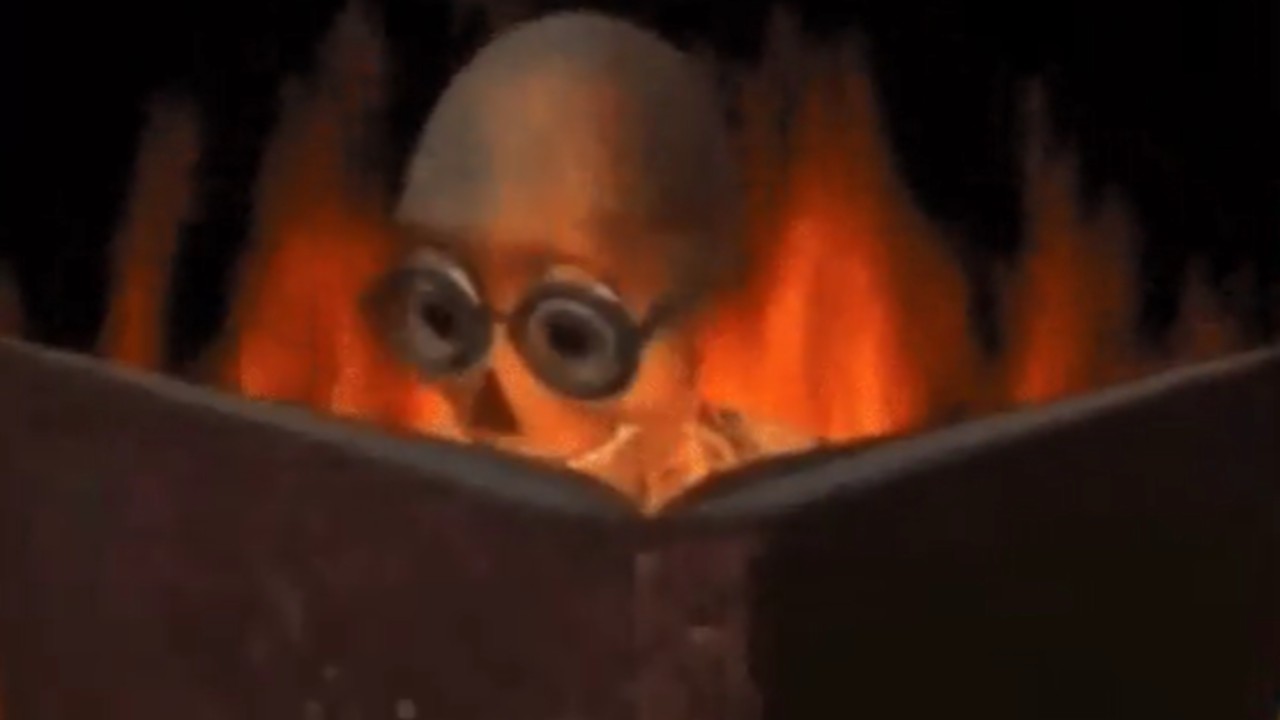
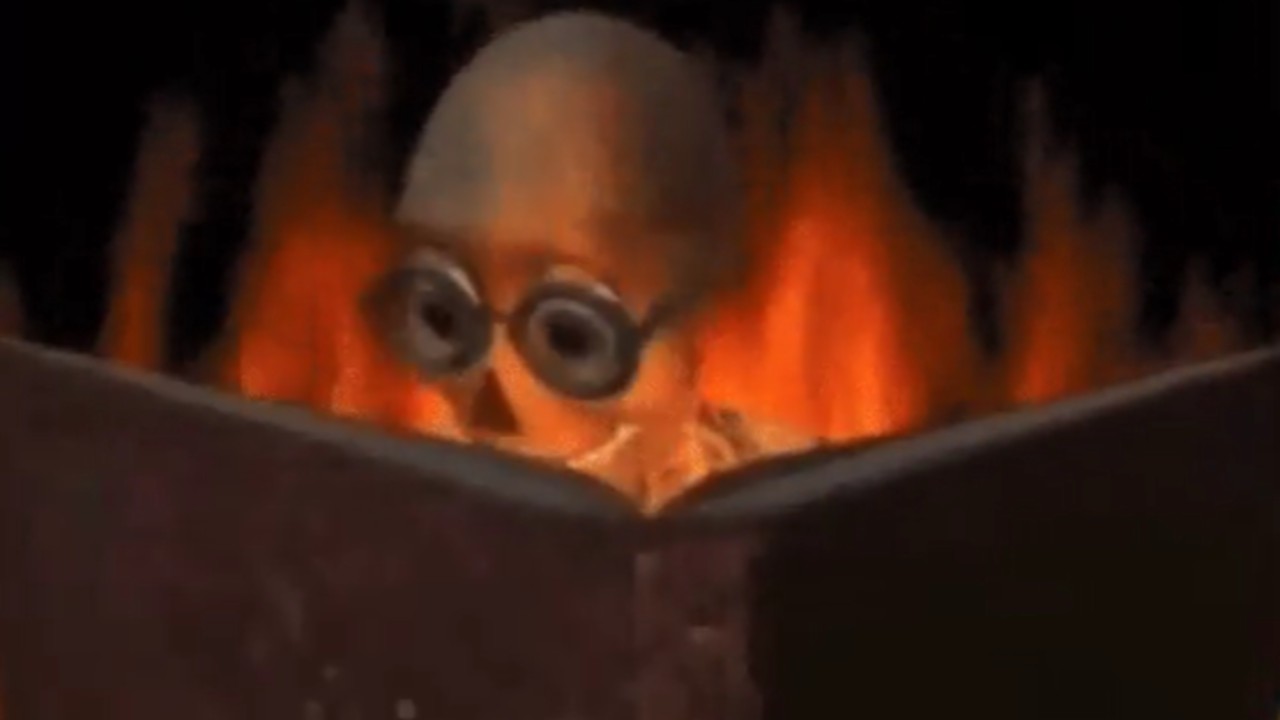
The specific animation used in the meme—Seemore reading a book that triggers elemental reactions—was originally a minor transition or "idle" animation within the game’s software. At the time of its release in 1997, the sequence was intended to be a lighthearted, "spooky" visual gag consistent with the character’s skeletal nature. However, when viewed through the lens of modern internet aesthetics, the high-contrast lighting and the character’s exaggerated reactions have taken on a new life, fitting perfectly into the "analog horror" and "ironic nostalgia" niches that define current digital trends.
Chronology of the 2026 Viral Surge
The transition of Seemore Skinless from a forgotten piece of 90s software to a ubiquitous social media icon began in mid-February 2026. The timeline of this digital ascent is marked by several key milestones in engagement and transformative use.
On February 14, 2024, the primary catalyst for the meme’s revival occurred when X (formerly Twitter) user @DolliestRose uploaded the GIF with a caption referencing "yume sona" and "original character (OC) lore." The post described the feeling of reading a friend’s fictional character backstory only to realize the character is fundamentally evil. This specific application—using the skeleton’s escalating alarm to mirror a reader’s realization—struck a chord with the creative communities on social media. The post quickly amassed over 21,000 likes and 3,000 reposts, introducing the character to a demographic largely born after the game’s initial release.
Following this initial spark, the GIF entered a period of rapid dissemination. By March 2, 2026, the meme moved beyond niche creative circles into the general "meme-sphere." User @starscythe shared the GIF with the caption, "this gif is frying my brain," a post that garnered 137,000 likes in less than 48 hours. This surge indicated that the visual appeal of the GIF—its jittery 90s frame rate and vibrant colors—was as much a draw as the comedic potential of the captions.
On March 3 and 4, the meme was further solidified through "community-specific" applications. It was used by fans of the manga series Kagurabachi to describe the intensity of the plot, and by members of the Roblox gaming community to describe the experience of finding high-quality but punishingly difficult user-generated content. By this point, "Skeleton Reading Book" had become a standardized template for any situation involving a "pleasant start" leading to a "chaotic realization."
Deep-Web Mythology and the "Bizarro" Connection
A secondary layer of the meme’s popularity involves a disturbing piece of internet ephemera linked to the character. On March 4, 2026, as the GIF reached peak saturation, X user @awes0meshapes highlighted a YouTube video published in March 2025 by the creator Alpha Beta Gamer. The video showcased a "bizarro" or modified version of My Amazing Human Body.
According to the report, this version of the game featured atypical horror elements, including jump-scares and distorted audio. Most notably, the video reportedly included a jarring transition to actual medical footage of an open-heart surgery (later clarified by some users as a knee surgery in different versions of the mod). This association with "lost media" or "cursed" software added a layer of "creepypasta" intrigue to the Seemore Skinless character. The contrast between the wholesome educational intent of the 1997 original and the graphic nature of the 2025 YouTube "horror edit" created a narrative tension that fueled further discussion and search interest.
Analytical Framework: Why Seemore Skinless?
The success of the Seemore Skinless meme can be attributed to several psychological and aesthetic factors that govern modern internet culture.
First is the concept of "Digital Skeletons." Skeletons have long been a staple of internet humor (often referred to as "skeltals"). They are visually distinct, inherently "spooky" yet often portrayed as goofy, and serve as a blank slate for human emotion because they lack skin and identifying features. Seemore’s green glasses add a layer of "intellectualism" that makes the subsequent fire and lightning backgrounds even more comedically jarring.
Second is the "Nostalgia Cycle." There is a documented trend of media from approximately 30 years prior resurfacing as "vintage" or "retro." In 2026, the children who played My Amazing Human Body in 1997 are in their mid-to-late 30s, occupying positions of cultural influence, while younger generations (Gen Z and Gen Alpha) find the "crude" 3D rendering styles of the late 90s to be aesthetically fascinating or "uncanny."
Third is the "Escalation Template." The meme follows a structural lineage similar to the "Mr. Incredible Becoming Uncanny" or the "Galaxy Brain" memes. It provides a three-stage visual progression (Reading -> Fire -> Lightning) that perfectly maps onto the storytelling structure of a joke: setup, escalation, and punchline.
Technical and Sociological Implications
The Seemore Skinless phenomenon also highlights the shifting nature of copyright and "abandonware" in the digital age. As 90s software becomes increasingly difficult to run on modern operating systems, its assets are often extracted and repurposed by internet users. This "digital scavenging" allows characters like Seemore to be divorced from their original educational context and rebranded as symbols of modern anxiety or humor.
From a sociological perspective, the use of the GIF to describe "reading the lore" or "discovering the truth" reflects a broader cultural obsession with "deep dives." In an era of misinformation and complex digital footprints, the image of a skeleton frantically flipping through a book as the world burns around him serves as an apt metaphor for the modern internet user attempting to parse information in a high-stress environment.
Conclusion and Future Outlook
As of the second quarter of 2026, Skeleton Reading Book or Seemore Skinless Reading remains a high-utility asset in the digital lexicon. While many memes enjoy a brief "flash-in-the-pan" existence, the Seemore Skinless GIF has shown signs of longevity due to its versatility and the underlying mystery of its "horror" variants.
The trajectory of this meme suggests a continuing trend where "safe" childhood artifacts are recontextualized into "edgy" or "chaotic" modern symbols. For the creators at DK Multimedia—many of whom have long since moved on from the defunct software division—the sudden global fame of a character designed for anatomical education serves as a testament to the unpredictable nature of digital legacy. Seemore Skinless may have started as a tool to teach children about their ribcages, but in 2026, he has become the definitive face of the internet’s collective realization that sometimes, the more you read, the more the world catches fire.
