

The e-commerce sector is experiencing a rapid acceleration of innovation, with a significant wave of new services and platform enhancements rolling out to empower merchants across the globe. This latest installment of e-commerce service updates highlights advancements in website building, B2B and B2C commerce platforms, shipping logistics, buy-now-pay-later solutions, checkout integrations, and the emerging field of agentic commerce. These developments signal a strategic shift towards greater efficiency, enhanced customer experiences, and the leveraging of artificial intelligence to drive growth and streamline operations for businesses of all sizes.
Key Innovations Shaping the E-commerce Ecosystem
The past few months have seen a flurry of product launches and significant updates from established players and innovative startups alike, each aiming to address specific pain points and unlock new opportunities for online retailers. From comprehensive platform overhauls to specialized tools for specific functions like shipping and payments, the focus is increasingly on creating integrated, intelligent, and adaptable e-commerce solutions.
Platform Innovations: Building for Scale and Conversion
Cartpanda Unveils a Comprehensive Performance Commerce Platform
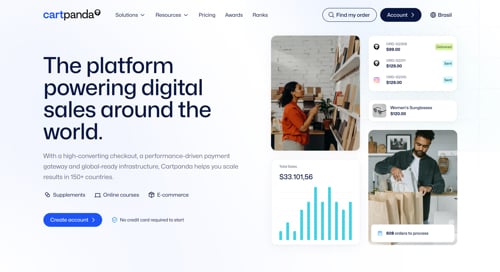
Cartpanda has announced the launch of its all-in-one performance commerce platform, designed to cater to creators, brands, and affiliate-driven businesses operating at scale. This new platform aims to unify transactions, payment processing, and operational management into a single, cohesive system. A key differentiator for Cartpanda is its curated marketplace, which is designed to foster strategic partnerships between operators and affiliates, thereby creating a more interconnected and efficient ecosystem for performance marketing. This move is particularly significant for businesses that rely heavily on affiliate marketing and influencer collaborations, providing them with a centralized hub to manage these complex relationships and their associated transactions. The platform’s emphasis on scale, stability, and conversion suggests a direct response to the growing demand for robust solutions that can handle high volumes and optimize revenue generation.
Runner AI Launches a Self-Optimizing E-commerce Engine

In a significant leap forward for e-commerce optimization, Runner AI has introduced its groundbreaking self-optimizing e-commerce engine. This innovative solution is engineered to autonomously test, learn, and refine conversion rates, offering merchants a powerful tool to continuously improve their online storefronts. The engine uniquely combines conversational storefront generation with a sophisticated self-optimizing backend. This backend conducts perpetual A/B testing on various elements, including website layouts, marketing copy, and user flow sequences. According to Runner AI, store owners can now test virtually any feature – from customer reviews and pop-ups to upsell offers and content variations – simply by issuing natural language commands. This capability promises to democratize advanced optimization techniques, making them accessible to a broader range of merchants without requiring extensive technical expertise. The implications are substantial, as businesses can now dynamically adapt their online presence to maximize engagement and sales with unprecedented speed and agility.
Moglix Launches Cognilix: An AI-Powered Operating System for B2B Commerce
Moglix, a prominent India-based seller of industrial tools and equipment, has launched Cognilix, an AI-driven operating system specifically designed for B2B procurement and sales. This advanced platform is poised to revolutionize how businesses engage in wholesale transactions. Cognilix empowers enterprises to automate their buying processes through intelligent AI workflows. These workflows encompass a wide range of critical functions, including managing digital catalogs, facilitating request-for-quote (RFQ) comparisons, streamlining supplier onboarding, ensuring compliance, orchestrating competitive e-auctions, and providing accurate inventory forecasting based on historical usage and lead times. Furthermore, Cognilix extends its capabilities to B2B selling, enabling businesses to establish digital storefronts and participate in marketplaces. These storefronts are integrated with comprehensive order management, payment processing, logistics, and real-time inventory visibility, offering a holistic solution for B2B commerce. The introduction of Cognilix signifies a major step towards intelligent automation in the B2B sector, addressing the unique complexities and scale of industrial procurement.
Shipping and Logistics: Enhancing the Post-Purchase Experience
FedEx Enhances Post-Purchase Tools with AI Capabilities
FedEx is stepping up its commitment to the post-purchase experience with the introduction of advanced tracking and returns capabilities, branded as Tracking+ and Returns+. These new tools are designed to be seamlessly embedded into merchants’ owned digital channels, providing a more integrated and intelligent customer journey. A core component of this enhancement is the integration of AI-powered features. These include automated responses to frequently asked questions regarding deliveries and returns, providing valuable performance insights across tracking and returns data, and sophisticated pattern and anomaly detection within this data. Furthermore, FedEx will leverage AI to automate adjustments to returns policies and experiences, guided by merchant-defined rules and workflows. This collaborative effort with parcelLab aims to transform the often-challenging post-purchase phase into a seamless and proactive customer service interaction, reducing friction and enhancing brand loyalty. The ability to proactively address customer queries and identify potential issues before they escalate is a significant advantage in today’s competitive market.
USPS Launches "Delivered Duty Paid" for International Shipments
The U.S. Postal Service (USPS) has introduced a new international service named USPS Delivered Duty Paid (DDP). This service aims to simplify cross-border e-commerce by enabling senders to prepay all import duties, taxes, and fees at the point of shipment, in strict accordance with the destination country’s regulations. This proactive approach eliminates surprise charges for recipients and reduces the likelihood of customs delays. Senders can opt for USPS DDP when dispatching goods via various international mail services, including Priority Mail Express International, Priority Mail International, and First-Class Package International Service. The flexibility extends to how senders can purchase this service: at retail service counters, online through Click-N-Ship, via USPS APIs, or through the postal service’s global shipping software. The launch of USPS DDP is a strategic move to boost international trade for U.S. businesses, particularly small and medium-sized enterprises (SMEs) that may find navigating complex international customs procedures daunting. By offering a streamlined and predictable customs clearance process, USPS is making international shipping more accessible and attractive.
Checkout and Payment Innovations: Streamlining Transactions and Offering Flexibility
BigCommerce Expands Stripe Integration for Optimized Checkout Experiences
BigCommerce, under its parent company Commerce, has significantly expanded its integration with Stripe, a move designed to transform the checkout process into a revenue-generating engine for its merchants. This enhanced integration grants BigCommerce merchants access to Stripe’s Optimized Checkout Suite. This suite includes a comprehensive array of local and alternative payment methods, such as buy-now-pay-later (BNPL) options, digital wallets like Link, and various regional payment preferences. Beyond payment methods, the integration also provides merchants with direct access to Stripe’s robust fraud prevention tools, a critical component for safeguarding transactions and customer trust. Merchants can easily upgrade their existing Stripe integration directly from their BigCommerce dashboard, ensuring a smooth transition to the more advanced features. This partnership underscores the growing importance of offering diverse and secure payment options at checkout, directly impacting conversion rates and customer satisfaction.
Klarna Backs Google’s Universal Commerce Protocol for Agentic Commerce
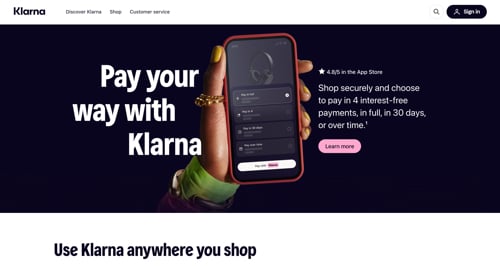
Klarna, a leading buy-now-pay-later (BNPL) service provider, has announced its support for Google’s Universal Commerce Protocol (UCP). This open standard is designed to facilitate seamless interaction between AI agents and commerce systems throughout the entire shopping lifecycle, paving the way for the widespread adoption of "agentic commerce." UCP enables consumers to engage in shopping through AI-powered conversations while providing a standardized framework for AI agents, merchant systems, and payment providers to communicate effectively across multiple AI platforms. This initiative builds upon Klarna’s recent endorsement of Google’s Agent Payments Protocol, signaling a strong commitment to the future of AI-driven commerce. The potential implications are vast: imagine AI assistants seamlessly managing your shopping lists, comparing prices, processing payments, and arranging deliveries – all orchestrated through standardized protocols like UCP. Klarna’s involvement is a clear indication that BNPL providers are actively integrating into the evolving AI landscape, aiming to remain at the forefront of payment innovation.
Bolt Selects Affirm as its Default BNPL Provider
Bolt, a financial technology platform known for its one-click checkout solution, has partnered with Affirm, a prominent player in the buy-now-pay-later space, naming Affirm as its default BNPL provider. This strategic alliance is set to roll out to select merchants starting this month. Bolt will integrate Affirm’s BNPL options directly into its one-click checkout experience, making it available to both logged-in and guest shoppers. Crucially, this integration requires no additional setup work from merchants, simplifying the process of offering flexible payment options. This move by Bolt is a clear indication of the increasing consumer demand for flexible payment solutions and the strategic importance of BNPL in driving conversions and increasing average order values. By defaulting to Affirm, Bolt is signaling its confidence in Affirm’s ability to enhance the checkout experience and drive sales for its merchant partners.
ThriveCart Introduces ThrivePay Installments: A Card-Linked Alternative to BNPL
ThriveCart, a no-code sales and payments platform, has launched ThrivePay Installments, offering a novel approach to installment payments that functions as a card-linked alternative to traditional BNPL services. This innovative solution combines pre-authorized credit card limits with the ability to spread payments over three, six, or twelve months. A significant benefit for merchants is that they receive the full payment upfront, mitigating the risks associated with installment plans. This model offers consumers a familiar payment mechanism – their credit card – while providing the flexibility of deferred payments, and it shields merchants from the complexities of managing installment schedules. ThriveCart’s offering appears to address a desire for simpler, more integrated payment solutions that offer consumer choice without increasing merchant risk.
Website Building and Optimization: Empowering Creators and Automating Growth
PressMeGPT Launches a Revolutionary WordPress AI Website Builder and Theme Generator
PressMeGPT, a provider of AI-powered tools for WordPress users, has unveiled its AI WordPress Theme Generator & Website Builder. This new offering enables users to create custom themes and entire websites by simply providing natural language descriptions. The platform boasts a suite of powerful features, including the generation of multiple theme variations, a mobile-first output ensuring responsive design, integration with Unsplash for stock photography, compatibility with Gutenberg block editor and the full site editor, support for Google Fonts, and integration with Fontawesome and Lucide React for icons. The one-click export and installation functionality further simplifies the website creation process. This tool is a game-changer for WordPress users, significantly lowering the barrier to entry for creating professional-looking and highly functional websites, particularly for those with limited design or coding experience.
Agentic Commerce and AI Integration: The Future of Customer Interaction
Klarna Backs Google’s Universal Commerce Protocol for Agentic Commerce
As previously mentioned, Klarna’s endorsement of Google’s Universal Commerce Protocol (UCP) is a pivotal development in the burgeoning field of agentic commerce. This protocol establishes a common language for AI agents and e-commerce systems to interact, enabling more natural and intuitive shopping experiences through conversational AI. The ability for AI agents to understand user intent, query product information, compare options, and even facilitate payments and returns across different platforms represents a significant paradigm shift. This move by Klarna positions them as an early adopter and key player in shaping the future of AI-driven commerce, where interactions are personalized, proactive, and seamlessly integrated into daily life.
Mastercard Launches Agent Suite to Prepare Enterprises for Agentic AI

Mastercard is proactively addressing the integration of agentic AI into enterprise operations with the upcoming launch of its Agent Suite, scheduled for Q2 2026. This comprehensive service will combine technical support with customizable AI agents, leveraging Mastercard’s extensive payments expertise, robust technology platforms, and a global network of over 4,000 advisors. The Mastercard Agent Suite will empower merchants to configure AI agents with specific rules for inventory management, pricing margins, promotional strategies, and brand voice. These agents will provide conversational guidance at critical junctures throughout the customer journey, across various channels. This initiative demonstrates Mastercard’s commitment to equipping businesses with the tools necessary to harness the power of AI, anticipating a future where AI plays an integral role in customer service, sales, and operational efficiency.
Klaviyo Introduces a ChatGPT App for Enhanced Marketing Insights
Klaviyo, a leading customer data platform, has launched an app that integrates directly with ChatGPT, allowing marketers to leverage their Klaviyo data within a conversational AI environment. This new app empowers ChatGPT users to query campaign and flow performance in plain language, receive real-time Klaviyo data presented as interactive cards and tables, delve into deep-dive analytics for specific campaigns or flows, and receive AI-generated insights and recommended next steps. Klaviyo has also indicated that users will soon be able to execute campaigns directly from within ChatGPT. This integration represents a significant step in making complex marketing data more accessible and actionable, enabling marketers to gain insights and make strategic decisions more efficiently by bridging the gap between data analytics and generative AI.
B2B and B2C Platform Enhancements: Catering to Diverse Business Needs
Cartpanda Unveils All-in-One Commerce Platform
As detailed earlier, Cartpanda’s launch of its performance commerce platform signifies a strategic move to consolidate essential e-commerce functions for businesses focused on creators, brands, and affiliate marketing. The platform’s integrated approach to transactions, payments, and operations, coupled with its curated marketplace for affiliate partnerships, aims to simplify management and enhance collaboration within this specific segment of the e-commerce industry.
Moglix Launches Cognilix: An AI-Led Operating System for B2B Commerce
Moglix’s Cognilix platform, as previously discussed, is a comprehensive AI operating system designed to streamline and automate B2B procurement and sales processes. Its ability to manage digital catalogs, RFQs, supplier onboarding, compliance, and e-auctions, alongside its B2B selling capabilities, makes it a powerful tool for businesses operating in the industrial and wholesale sectors.

Marketing and Lifecycle Management: Deepening Customer Relationships
Acoustic Lifecycle Marketing Integrates with Leading E-commerce Platforms
Acoustic, a prominent lifecycle marketing platform, has announced native integrations with Shopify, WooCommerce, and BigCommerce. These integrations enable real-time, enterprise-scale ingestion of critical data, including product catalogs, customer profiles, order events, and behavioral signals. This continuous flow of information provides e-commerce and retail marketers with an up-to-the-minute view of every customer interaction. The ability to identify the precise moment intent emerges and to act on these signals through Acoustic’s platform allows for highly targeted and timely marketing interventions, fostering deeper customer engagement and loyalty. This development is crucial for businesses looking to move beyond basic marketing automation and implement sophisticated, data-driven lifecycle marketing strategies.
Broader Industry Trends and Implications
The rapid pace of innovation in the e-commerce technology sector underscores several key trends:
- The Ascendancy of AI: Artificial intelligence is no longer a nascent technology but a core component of new e-commerce solutions. From optimizing conversion rates and personalizing customer interactions to automating complex business processes, AI is becoming indispensable. The introduction of agentic commerce, facilitated by protocols like Google’s UCP, signals a future where AI agents will play a more active role in commerce, acting on behalf of consumers and businesses.
- The Unification of Platforms: There is a clear movement towards all-in-one solutions that integrate multiple functions, from website building and payment processing to shipping and marketing. This reduces the need for disparate systems and offers merchants a more cohesive and efficient operational framework.
- Enhanced Payment Flexibility: The continued evolution of payment options, including the growing prominence of buy-now-pay-later (BNPL) services and their alternatives, reflects a consumer demand for greater financial flexibility. Merchants are increasingly adopting these options to reduce cart abandonment and boost sales.
- Data-Driven Optimization: The emphasis on real-time data ingestion and AI-powered analytics highlights the critical role of data in modern e-commerce. Businesses that can effectively collect, analyze, and act upon customer data will gain a significant competitive advantage.
- Streamlined Logistics and Global Reach: Innovations in shipping and customs clearance, such as USPS Delivered Duty Paid, are making it easier and more predictable for businesses to operate on a global scale, expanding their market reach and customer base.
These developments collectively point towards a future where e-commerce is more intelligent, integrated, and personalized. Merchants who embrace these new tools and strategies will be well-positioned to navigate the evolving digital marketplace and achieve sustainable growth. The continuous introduction of such services underscores the dynamic nature of the e-commerce industry, where innovation is not only expected but essential for success.
