
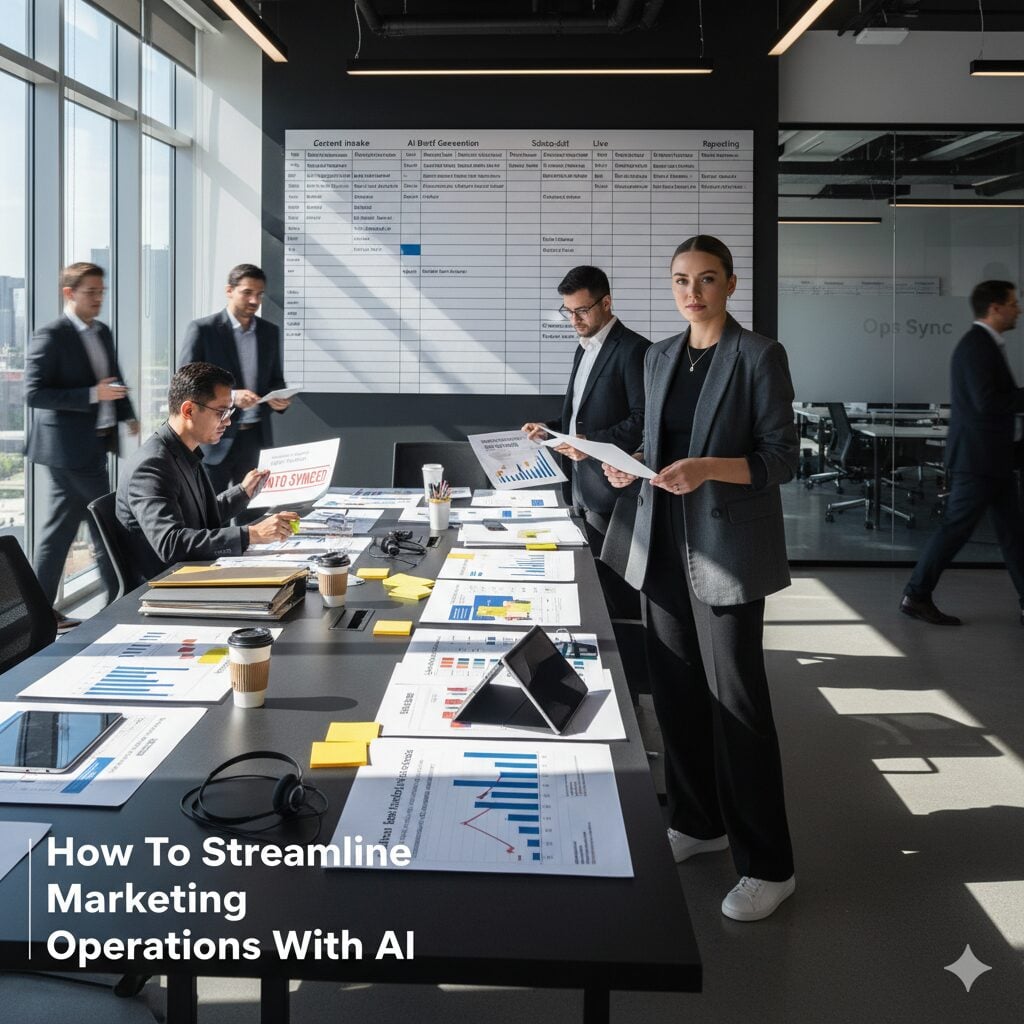
Marketing today operates at an unprecedented velocity, a relentless pace fueled by ever-evolving digital channels, burgeoning content demands, and the imperative for hyper-personalization. Yet, beneath this high-speed surface, many organizations grapple with antiquated systems and fragmented processes that struggle to keep pace. Campaigns may span dozens of platforms, content creation is a continuous beast, and performance tracking often relies on a disconnected patchwork of tools. The result is a marketing engine that feels fragmented, sluggish, and inherently difficult to scale, often consuming valuable strategic time in mere coordination, endless approval cycles, rework, and manual execution.
This operational friction is amplified by escalating expectations from all corners. Audiences now demand relevant, timely, and consistent messaging delivered seamlessly across every touchpoint, expecting a frictionless experience that mirrors their digital lives. Simultaneously, executive leadership increasingly requires faster turnaround times, predictable outcomes, and crystal-clear visibility into performance. Traditional marketing structures, often characterized by departmental silos, legacy workflows, and static reporting, are simply ill-equipped to handle this burgeoning complexity.
The challenge is not isolated. A widely cited Harvard Business Review study, among others, has revealed that a significant majority—over 70 percent—of large enterprises struggle to translate substantial investments in data and technology into tangible operational results. This widespread difficulty is frequently attributed to disorganized processes and a critical lack of cross-functional coordination. Within the marketing domain, this chasm manifests as delayed campaign launches, inconsistent brand messaging across diverse channels, and a critical inability to act on emerging insights in real-time.
As marketing continues its global expansion, reaching into new regions, proliferating across platforms, and adapting to myriad content formats, maintaining consistency becomes an increasingly Herculean task. Content quality can fluctuate wildly between markets, campaign execution grinds to a halt due to inter-team dependencies, and performance insights arrive too late to inform timely adjustments. These accumulated operational frictions not only diminish agility but also significantly dilute the overall impact and effectiveness of marketing endeavors.
It is precisely at this juncture that artificial intelligence (AI) emerges as a transformative force, fundamentally altering the operational equation for marketing. When strategically implemented and judiciously applied, AI strengthens the entire marketing ecosystem. It achieves this by simplifying intricate workflows, dramatically accelerating execution cycles, enhancing marketing governance, and empowering more precise, data-driven decisions—all without necessarily introducing superfluous tools or additional overhead. The integration of AI moves marketing from a reactive, process-burdened function to a proactive, outcome-driven powerhouse.
The Evolving Landscape of Marketing Operations and the Imperative for Change
For decades, marketing operations evolved organically, often in response to immediate needs rather than through a purposeful, scalable design. The proliferation of digital channels in the late 1990s and early 2000s, followed by the explosion of social media and mobile, dramatically increased the number of touchpoints requiring management. Each new channel brought its own platform, its own data, and often, its own set of tools, leading to the fragmented MarTech stacks prevalent today. This uncoordinated growth has resulted in a complex web where processes are often designed for short-term fixes rather than long-term scalability. Content requests frequently bounce between teams without standardized intake models, ownership becomes ambiguous, revisions multiply, and approval processes stretch beyond reasonable timelines. Even the most brilliant marketing ideas can lose their potency and relevance due to operational delays, severely limiting an organization’s capacity to respond to dynamic market shifts.
Campaign execution further exemplifies this friction. Marketing teams routinely manage intricate timelines, diverse assets, and multi-stage approvals using a rudimentary combination of spreadsheets, email chains, and disconnected project management tools. This reliance on manual coordination severely limits visibility, making it arduous to track progress, allocate resources efficiently, and maintain clear accountability. These seemingly minor delays accumulate rapidly, directly impacting time-to-market and competitive advantage.
Adding another layer of complexity are the pervasive data silos. Performance metrics crucial for SEO, paid media campaigns, social platforms, email marketing, and web analytics often reside in entirely separate systems. This fragmentation of insights makes it exceedingly difficult for teams to gain a holistic understanding of what truly drives results and why. Consequently, decision-making frequently becomes reactive—responding to past performance—rather than proactive and predictive.
Diagnosing these challenges early and comprehensively is paramount. A foundational step involves meticulously documenting existing workflows, mapping inter-team dependencies, and pinpointing precise points of delay. This clarity establishes a vital baseline, ensuring that any AI implementation is purpose-driven, effectively targets inefficiencies, and avoids merely adding another layer of complexity to an already convoluted system. Organizations finding this internal diagnostic process daunting often turn to specialized marketing operations services, whose expert teams can objectively analyze processes, identify bottlenecks, and facilitate the integration of generative AI (Gen AI) to enhance marketing agility.
AI’s Transformative Pillars: Redefining Marketing Operations
The strategic integration of AI into marketing operations is not a monolithic solution but rather a multi-faceted approach that addresses critical areas of inefficiency and amplifies strategic capabilities.
1. Scaling Content Velocity and Management
Content remains the lifeblood of modern marketing, yet it is frequently the most constrained area within operations. The demand for content—across an ever-growing array of channels, formats, and geographic regions—is escalating exponentially. Unfortunately, marketing teams rarely scale at the same rate, creating an inherent imbalance that pressures timelines, budgets, and quality standards.
Generative AI (Gen AI) offers a powerful solution, accelerating content creation without compromising consistency. It excels at generating initial drafts, producing diverse variations, structuring outlines, summarizing lengthy reports, and adapting content for different contexts. Instead of confronting a blank page, marketing teams can now refine AI-assisted outputs, ensuring alignment with brand guidelines and strategic direction. This dramatically reduces production time while maintaining crucial creative and brand control.
AI also revolutionizes content repurposing. A single long-form asset—such as a whitepaper or research report—can be swiftly broken down and transformed into multiple channel-specific formats, including blog posts, social media updates, landing page copy, email sequences, and campaign messages. This minimizes duplicative effort and guarantees consistent messaging across all customer touchpoints, a critical factor for brand cohesion.
Furthermore, localization, often a labor-intensive and error-prone process, becomes significantly more efficient. AI-assisted translation combined with contextual adaptation tools enables marketing operations to deliver region-specific content that retains the original tone, intent, and cultural nuance. This bolsters global consistency without unduly burdening regional teams, allowing for rapid market penetration and tailored engagement.
Central to this new paradigm are centralized AI-powered content hubs. These act as a single source of truth for all assets, managing versions, tracking approvals, embedding metadata, and enforcing compliance rules. Such centralized governance provides marketing teams with unparalleled visibility and control, while simultaneously preserving the speed of execution that modern markets demand. For example, a global SaaS company launching a significant product update across five distinct regions can leverage AI to rapidly convert a master announcement into localized blog posts, targeted email campaigns, and relevant social media content. This transition can reduce production time from weeks to mere days, all while ensuring messaging remains perfectly consistent across every market worldwide. Ultimately, AI enables enterprises to scale marketing content sustainably, shifting the focus from simply adding more headcount or tools to optimizing the entire content workflow, from ideation to distribution.
2. Automating Campaign Execution and Optimization
Exceptional content only drives results when campaigns run smoothly. Traditional campaign management, a core marketing process, frequently involves manual scheduling, constant human monitoring, and reactive adjustments, leading to significant operational drag and a lack of real-time responsiveness. AI offers a definitive solution by embedding automation and intelligence throughout the entire campaign lifecycle.
AI-driven scheduling tools can analyze historical engagement data, channel-specific performance metrics, and granular audience behavior patterns to pinpoint optimal launch timings. This empowers marketing operations to run campaigns based on robust data, moving beyond mere assumptions or arbitrary deadlines. During live execution, AI continuously monitors performance in real-time. Instead of waiting for weekly or monthly reports, marketing teams receive immediate signals on engagement rates, reach metrics, and conversion trends, allowing for agile adjustments to messaging, budget allocation, or targeting parameters while campaigns are still active.
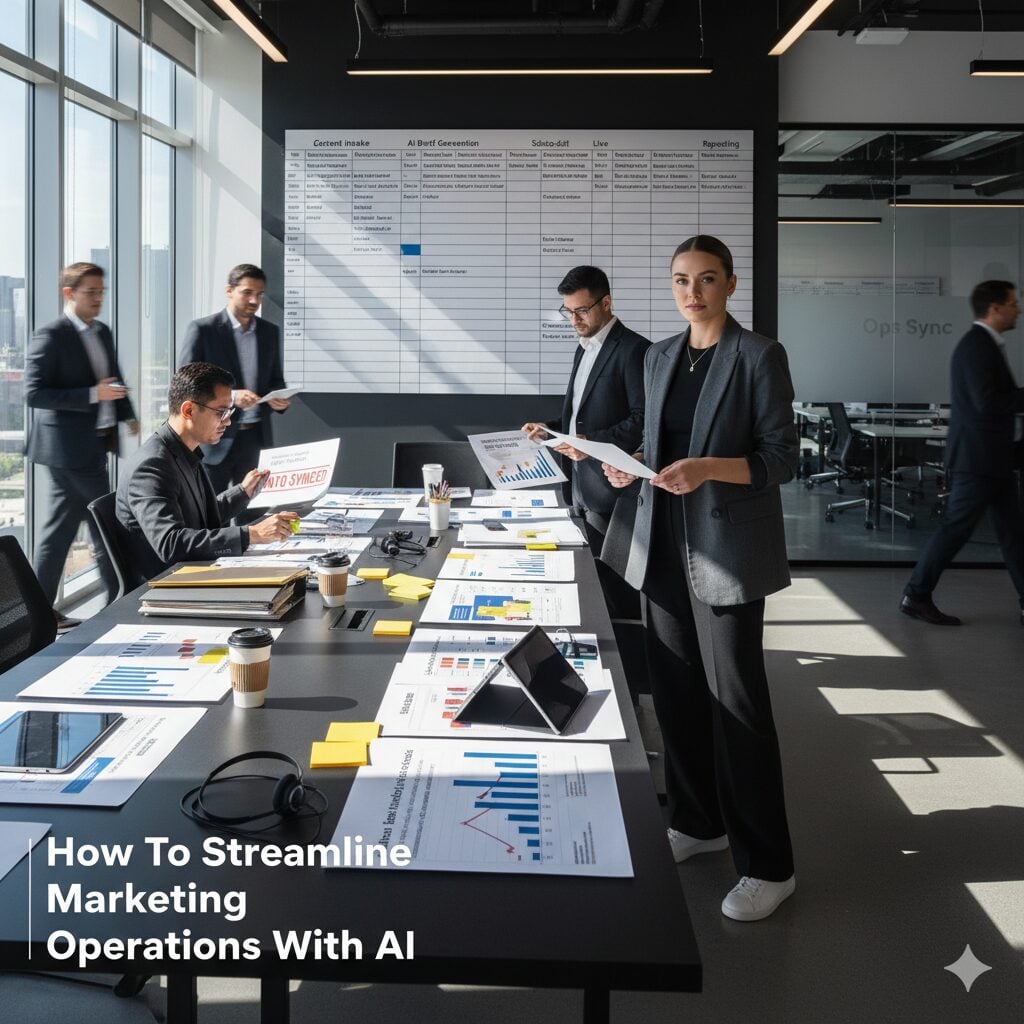
Artificial intelligence also significantly reduces the need for manual intervention across the marketing process. Routine but critical tasks such as budget pacing, creative rotation, dynamic A/B/n testing, and performance alert generation can be automated. This frees marketing teams from the mundane chore of platform management, allowing them to dedicate more time to strategic thinking, creative development, and outcome improvement. Speed-to-market is dramatically enhanced. With automated workflows and intelligent orchestration, marketing operations can transition campaigns from the planning phase to live launch with unprecedented efficiency. This agility is particularly invaluable in highly competitive markets where timing can directly dictate campaign success or failure. By automating execution and optimization, AI empowers marketing efforts to be both more robust and consistently effective.
3. Enhancing Digital Performance and SEO with AI Insights
Maintaining and improving digital visibility remains a fundamental goal for marketing operations, a goal achievable only through continuous, data-driven optimization. SEO, content performance, and social reach all demand timely and actionable insights, which AI makes significantly more accessible and impactful.
AI-powered keyword research goes far beyond mere search volume analysis. It delves into user intent, assesses competitive landscapes, identifies crucial content gaps, and uncovers emerging trends. This enables marketing operations to prioritize efforts that align precisely with audience needs and overarching business objectives. Furthermore, AI assists in on-page optimization by highlighting deficiencies in content structure, relevance, internal linking strategies, and engagement signals. Rather than relying on periodic, often labor-intensive audits, marketing operations receive continuous feedback, facilitating incremental and sustained improvement.
Predictive analytics further elevates digital performance. By analyzing historical patterns and vast datasets, AI can forecast how audiences are likely to respond to new content and campaigns. This capability allows for proactive adjustments to the marketing process, pre-empting potential performance declines rather than reacting to them after they occur. Crucially, AI can synthesize data from search engines, social media platforms, and website analytics into a unified view. This integrated perspective allows marketing teams to understand the interconnectedness of digital touchpoints, leading to more strategic and less fragmented decision-making. Through AI-driven insights, digital performance within marketing evolves from reactive optimization to a state of constant, informed refinement.
4. Elevating Customer Data and Personalization
Effective personalization is predicated on robust customer data, yet this information is often scattered across disparate systems, incomplete, or out-of-date. When data is fragmented, personalization efforts within marketing inevitably lose their relevance and impact.
AI-enabled data unification tackles this head-on, integrating interaction data from websites, various campaigns, content engagements, and social platforms. This comprehensive aggregation provides marketing operations with a far more holistic and actionable view of customer behavior. Leveraging this unified data, AI facilitates real-time segmentation. Instead of relying on static audience lists, segments become dynamic, adapting instantaneously to changes in behavior, intent, and context. As a direct result, marketing can deliver messaging that is both highly relevant and perfectly timed.
Personalized experiences also become scalable. Based on individual customer journeys, AI can recommend specific content, offers, and messaging to individuals across multiple channels. This significantly reduces the need for cumbersome, manually maintained, rules-based personalization models. Furthermore, artificial intelligence dramatically enhances customer journey optimization. By continuously analyzing behavioral patterns, AI can pinpoint areas of friction and identify opportunities for improvement, leading to a more consistent and connected customer experience. For instance, an e-commerce company can harness AI to automatically suggest products based on a visitor’s browsing history and past purchases, or to dispatch customized email or app notifications within minutes of a cart abandonment. This can lead to substantial increases in conversion rates, all without the tedious manual setup of such intricate campaigns. By building superior data structures and enabling dynamic personalization, AI empowers marketing operations to generate meaningful value at every customer interaction.
5. Strengthening Brand Safety and Trust
As marketing operations expand in scope, so too do associated risks. A higher volume of content, wider distribution across user platforms, and increased user-generated content inevitably introduce challenges related to compliance, brand reputation, and consumer trust.
AI-driven content moderation is a critical safeguard, continuously monitoring both published and user-generated content in real-time across the entire marketing process. It can swiftly flag violations of brand policies, detect harmful language, identify non-compliant material, and even recognize potential misinformation before issues escalate. Proactive reputation monitoring provides an additional layer of protection. AI analyzes sentiment, reviews, and social conversations to identify emerging risks early, empowering marketing teams to react swiftly and consistently to protect brand image.
Moreover, compliance checks benefit immensely from automation. AI helps ensure that all content adheres to regional regulations (such as GDPR or CCPA) and internal brand standards. This is particularly crucial for global marketing operations navigating diverse and complex regulatory environments. Critically, AI strikes a vital balance between scale and governance. While automation accelerates execution, built-in controls maintain accountability, allowing marketing operations to expand their reach without compromising trust or compliance. This ensures that while content output skyrockets, brand integrity remains firmly intact.
6. Measuring Impact and Driving Continuous Optimization
Streamlining marketing operations is only truly valuable if it leads to demonstrably improved results. Therefore, robust measurement and continuous optimization are integral components of any successful AI adoption strategy.
Defining clear Key Performance Indicators (KPIs) is the first step in tracking progress. These metrics might include content throughput, campaign turnaround time, engagement quality, conversion efficiency, and overall cost optimization. AI can consolidate these disparate metrics into integrated dashboards, providing comprehensive, real-time visibility into operational health and performance.
Furthermore, Return on Investment (ROI) tracking becomes significantly more accurate when AI correlates operational improvements directly with tangible business outcomes. Instead of relying on isolated metric criteria, marketers gain clarity on how efficiencies translate into revenue growth, customer retention, and enhanced customer lifetime value.
Continuous optimization becomes an inherent feature of AI-powered systems. AI can autonomously identify trends, detect anomalies, and generate actionable recommendations. This creates a powerful feedback loop where marketing strategies and tactics evolve based on empirical evidence rather than assumptions. Over time, this iterative approach fosters a sustainable, AI-driven model of operation. Marketing operations transform into adaptive systems, highly responsive to market changes and evolving consumer behavior, rather than static techniques requiring constant, manual intervention. This shift ensures long-term agility and sustained competitive advantage.
The Future of Marketing: Agile, Accountable, and AI-Powered
The era of complicated, fragmented, and slow marketing operations is rapidly drawing to a close. By effectively leveraging artificial intelligence, organizations can fundamentally simplify workflows, drastically reduce manual workloads, accelerate execution processes, and significantly enhance decision-making across the entire marketing lifecycle. This profound shift empowers marketing teams to move their focus from the arduous management of processes to the strategic pursuit of outcomes that directly drive business impact.
From the initial identification of operational bottlenecks to the scalable creation and management of content, the automation of complex campaigns, the enhancement of performance visibility, the unification of disparate data sources, and the critical strengthening of brand trust, AI injects unprecedented speed and precision into every layer of marketing. However, the true value of AI is unlocked not through singular use cases, but through thoughtful, holistic adoption that strategically combines cutting-edge technology with clearly defined objectives, robust governance frameworks, and measurable metrics.
As consumer expectations continue to rise and the digital landscape grows ever more intricate, marketing leaders who proactively embrace scalable, data-driven marketing operations are positioning their teams for enduring success and unparalleled adaptability. Looking ahead, AI-powered marketing operations will transcend their traditional support role; they will proactively shape how marketing consistently delivers accountable, measurable, and strategic value in an increasingly complex and competitive digital environment. The transformation is not just about doing marketing better; it’s about redefining what marketing can achieve.
