
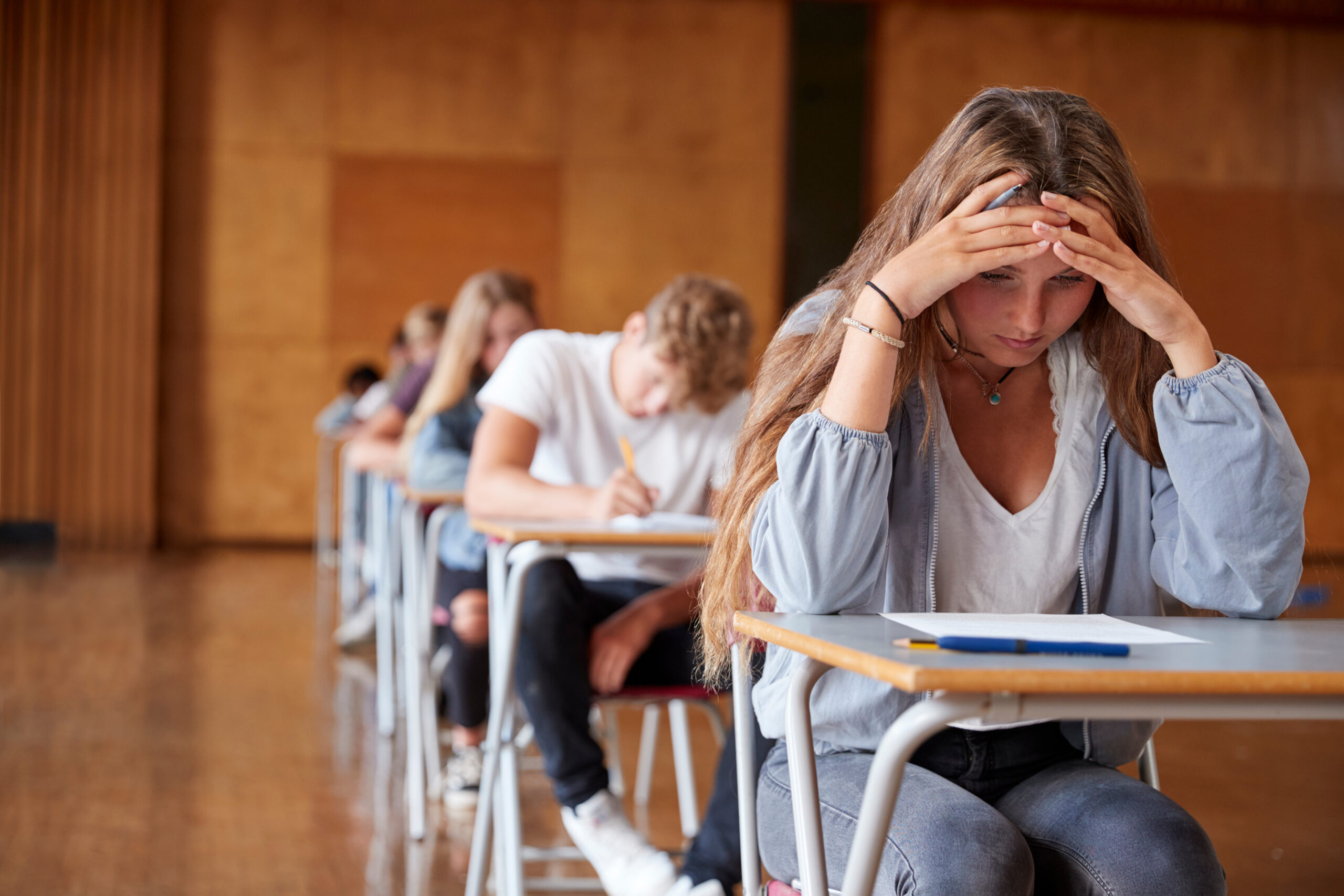
The mental health landscape for adolescents has undergone significant shifts in recent years, with school-related anxiety emerging as a pervasive and increasingly recognized concern. While academic pressures, social dynamics, and performance expectations have long been inherent to the educational experience, contemporary factors have amplified these stressors, leading to a complex array of challenges for young people. Recognizing and effectively addressing these anxieties is crucial for fostering healthy development and ensuring academic success.
The Pervasive Nature of Adolescent School Anxiety
Adolescence is a critical period of development marked by rapid physical, emotional, and cognitive changes. During this time, the school environment serves as a primary arena for social interaction, identity formation, and skill acquisition. However, for many, it also becomes a significant source of stress. Data from the American Psychological Association consistently highlights that teenagers report high levels of stress, often exceeding that of adults, with school being a primary contributor. A 2018 Pew Research Center study, for instance, found that 68% of teens felt significant pressure to get good grades, a figure that experts suggest has only intensified in the post-pandemic era. This pressure is not isolated; it intertwines with broader societal expectations, the ubiquitous presence of social media, and an often-uncertain future outlook, creating a fertile ground for anxiety to flourish.
Identifying anxiety in adolescents can be challenging, as its manifestations vary widely. While some teens may explicitly voice feelings of being "stressed" or "overwhelmed," others might exhibit more subtle or even defiant behaviors. Key indicators often include changes in daily routines, emotional regulation, and physical well-being. Behavioral shifts might involve increased irritability, withdrawal from social activities, changes in sleep patterns (insomnia or excessive sleeping), or a decline in academic engagement. Emotionally, a teen might display heightened sensitivity, persistent worry, or sudden mood swings. Physical symptoms can be particularly telling, presenting as frequent headaches, stomachaches, fatigue, or changes in appetite, especially when these symptoms coincide with school days or specific academic demands. Such signs, when persistent, warrant closer attention and intervention.
Categorizing the Dimensions of School-Related Anxiety
To effectively support adolescents, it is imperative to differentiate between the various types of school-related anxiety. Mental health professionals and educators typically identify three primary categories: academic stress, social anxiety, and performance anxiety. Each type presents unique challenges and requires tailored strategies for mitigation.
1. Academic Stress: The Burden of Expectation
Academic stress is arguably the most commonly recognized form of school anxiety, fueled by the relentless pressure to excel academically. This can manifest as perfectionism, where a teen feels compelled to achieve flawless results, or, paradoxically, as procrastination, where the fear of failure leads to avoidance of tasks altogether. Physical symptoms such as headaches or nausea before tests are common. This form of anxiety is deeply rooted in the culture of achievement prevalent in many educational systems, where grades and standardized test scores are often perceived as direct indicators of future success. The Pew Research Center’s findings underscore this, indicating that the drive for good grades is a dominant pressure point for the majority of teenagers. When the weight of these expectations outweighs intrinsic motivation, academic anxiety sets in, potentially leading to burnout, disengagement, or even academic paralysis.
Mitigating Academic Pressure: Strategies and Expert Insights
Addressing academic stress requires a multi-faceted approach that reorients focus from solely outcomes to effort and process. Educators and parents are encouraged to emphasize resilience and learning from mistakes rather than perfect scores. Statements that validate effort, such as, "You put in the time and studied well," are more effective than generic encouragement like, "Do your best," which can inadvertently add pressure. Cognitive behavioral therapy (CBT) techniques, often employed by therapists, advocate for helping individuals "reality-check" their fears. For instance, guiding a teen to consider "What’s the worst that could happen?" and then brainstorming coping mechanisms for that scenario can significantly reduce anticipatory anxiety. This process helps teens develop a more balanced perspective, recognizing that setbacks are part of learning.
Practical coping skills are also vital. Breaking down large assignments into smaller, manageable steps can transform an overwhelming task into a series of achievable goals. Modeling resilience—demonstrating how to cope with one’s own challenges—provides a powerful example. Furthermore, teaching prioritization skills helps teens manage their workload more effectively, reducing the feeling of being constantly swamped. Schools can contribute by fostering a growth mindset culture, where learning and improvement are celebrated over innate ability, and by offering flexible deadlines or alternative assessment methods when appropriate.
2. Social Anxiety: The Fear of Judgment
Social anxiety in the school context revolves around the intense fear of being negatively judged, rejected, or embarrassed by peers. This can manifest as avoiding group activities, obsessive worrying about what others think, or compulsive phone-checking as a means to monitor social standing or avoid direct interaction. For socially anxious teens, simply navigating the school day can be an emotionally exhausting endeavor, as they expend immense energy trying to appear "normal" or "OK." The adolescent years are characterized by a heightened sensitivity to peer perception, making social dynamics a particularly potent source of stress.
Fostering Social Confidence: Empathy and Empowerment
Effective intervention for social anxiety begins with deep empathy and validation. When a teen expresses distress over friendships or social interactions, minimizing their feelings with phrases like, "You won’t even remember this in a few years," can be counterproductive, making them feel unheard and isolated. Instead, acknowledging their emotions ("It sounds like that conversation really upset you") and offering choices in how to proceed ("Do you want to talk about it, or take some space first?") empowers them and reinforces a sense of safety and control.
Building social confidence involves encouraging low-stakes social risks. This could mean suggesting they join a club related to an interest, initiate a study group, or invite a friend for a casual outing. These small, successful interactions can gradually build self-efficacy. Crucially, addressing the impact of online spaces is paramount. Research, such as studies published in ScienceDirect, consistently links passive scrolling and social comparison on platforms like Instagram and TikTok to increased anxiety and decreased self-esteem in teens. Encouraging critical engagement with social media—asking questions like, "Which accounts make you feel worse about yourself? What would happen if you unfollowed them for a week?"—can help teens curate a healthier online environment. Schools can support this by integrating digital literacy and well-being into their curriculum.
3. Performance Anxiety: The Spotlight Syndrome
Performance anxiety is distinct from general academic stress in that it specifically pertains to situations where a teen is "on display," facing evaluation or judgment. This can encompass public speaking, athletic competitions, musical performances, or theatrical productions. Signs of performance anxiety might include a sudden desire to quit previously loved activities, obsessive practice beyond what is healthy, or experiencing panic attacks before a scheduled performance. The core fear is often centered on making a mistake in front of others and facing ridicule or failure.
Easing Performance Pressure: Normalizing and Strategizing
To alleviate performance pressure, a balanced approach combining encouragement with realistic perspectives is most effective. Instead of platitudes like, "You’ll do great," which can create an unrealistic expectation of perfection, more grounded statements are helpful: "You’ve put in the work. You’re ready. If something unexpected happens, you’ll handle it." This acknowledges effort while also normalizing the possibility of imperfections. Reminding teens that "even professionals get pre-performance jitters" can destigmatize nerves and help them understand that anxiety is a natural physiological response, not a sign of weakness or inadequacy.
Coping skills for performance anxiety often involve mental and physical techniques. Visualization, where a teen mentally rehearses a successful performance, can build confidence and reduce apprehension. Strategic practice, which focuses on targeted improvement without veering into obsessive over-rehearsal that can lead to burnout, is also key. Simple breathing techniques, such as diaphragmatic breathing, can immediately activate the parasympathetic nervous system, calming the body’s fight-or-flight response and helping to regain focus. Many schools now incorporate mindfulness and stress-reduction techniques into their physical education or health classes to equip students with these valuable tools.
The Evolving Challenge: A Chronology of Recognition and Response
The recognition of adolescent mental health, and specifically school-related anxiety, as a significant public health concern has evolved considerably over the past few decades. While childhood anxieties have always existed, the systematic study and public discourse around teen mental health gained significant traction in the late 20th and early 21st centuries.
- 1980s-1990s: Mental health issues in youth were often overlooked or misdiagnosed, with school problems primarily viewed through an academic or behavioral lens rather than a psychological one. Resources were scarce.
- Early 2000s: Increased awareness began to surface, partly due to research highlighting the prevalence of anxiety and depression in adolescents. The rise of standardized testing and increased academic competition also started to draw attention to academic stress.
- 2010s: The widespread adoption of social media platforms introduced a new, significant stressor. Research began to establish clear links between social media use, social comparison, and increased rates of anxiety and depression among teens. Mental health advocacy groups gained prominence, pushing for greater recognition and resources.
- Late 2010s – Present: The COVID-19 pandemic acted as a major catalyst, exacerbating existing mental health challenges and bringing the issue of adolescent anxiety to the forefront. School closures, social isolation, and health fears contributed to a sharp increase in reported anxiety and depression symptoms. This period has seen an unprecedented push for integrated mental health services within educational settings. Federal and state governments have begun allocating more funding and developing policies aimed at supporting student well-being.
This chronological progression highlights a societal shift from limited awareness to a more comprehensive understanding of the multifaceted nature of adolescent mental health challenges, with a growing emphasis on proactive intervention and systemic support.
Broader Implications and Systemic Responses
The rising tide of school-related anxiety has significant broader implications, affecting not only individual students but also the entire educational ecosystem and public health. Untreated anxiety in adolescence can lead to chronic mental health conditions in adulthood, impact academic achievement, hinder social development, and even increase the risk of substance abuse or other maladaptive coping mechanisms.
Role of Educational Institutions: Schools are on the front lines of this challenge. Many districts are now investing in robust school counseling programs, hiring more mental health professionals, and implementing social-emotional learning (SEL) curricula. These initiatives aim to teach students self-awareness, self-management, social awareness, relationship skills, and responsible decision-making—all critical components for managing anxiety. Some schools have adopted tiered systems of support, offering universal prevention programs, targeted interventions for at-risk students, and individualized therapy for those with severe needs. Collaboration between teachers, counselors, and school psychologists is becoming standard practice to identify and support students effectively.
Parental Involvement: While schools play a vital role, parental involvement remains paramount. Shifting parental approaches from solely focusing on academic outcomes to prioritizing emotional well-being is crucial. This involves active listening, fostering open communication, and modeling healthy coping strategies. Parent education workshops on adolescent mental health are increasingly offered by schools and community organizations, providing tools and resources for families.
Policy Considerations: At a broader policy level, there is a growing consensus that mental health support for youth should be considered an integral part of public education. This translates into calls for increased government funding for school-based mental health services, ensuring adequate staffing, and developing comprehensive mental health literacy programs across all grade levels. Legislation aimed at improving access to mental healthcare for minors and reducing stigma is also gaining traction.
When Professional Intervention Becomes Necessary
While parental and school support can significantly mitigate many forms of school-related anxiety, there are clear indicators when professional help is essential. Seeking assistance from a qualified mental health professional—such as a child psychologist, psychiatrist, or licensed therapist—is advised if a teen’s anxiety consistently interferes with daily functioning (e.g., missing school, inability to complete homework, withdrawal from friends). Persistent physical symptoms that have no clear medical explanation, such as chronic headaches or stomach problems, can also signal underlying anxiety requiring clinical evaluation. Crucially, any mention or indication of self-harm or suicidal ideation necessitates immediate professional intervention.
The decision to seek professional help should be viewed as a proactive step toward well-being, not a sign of failure. Destigmatizing therapy and mental health support is a collective responsibility, ensuring that adolescents feel empowered to seek help when they need it most. Recognizing when one’s own support capacity is insufficient is a critical component of knowing how to help a child with anxiety about school, ultimately pointing them toward specialized expertise that can provide tailored strategies and long-term coping mechanisms.
In conclusion, addressing school-related anxiety in adolescents demands a concerted effort from parents, educators, mental health professionals, and policymakers. By understanding the various forms of anxiety, recognizing its signs, and implementing evidence-based strategies, society can collectively foster environments where young people not only achieve academic success but also thrive emotionally and socially, equipped with the resilience to navigate life’s inevitable challenges.
