
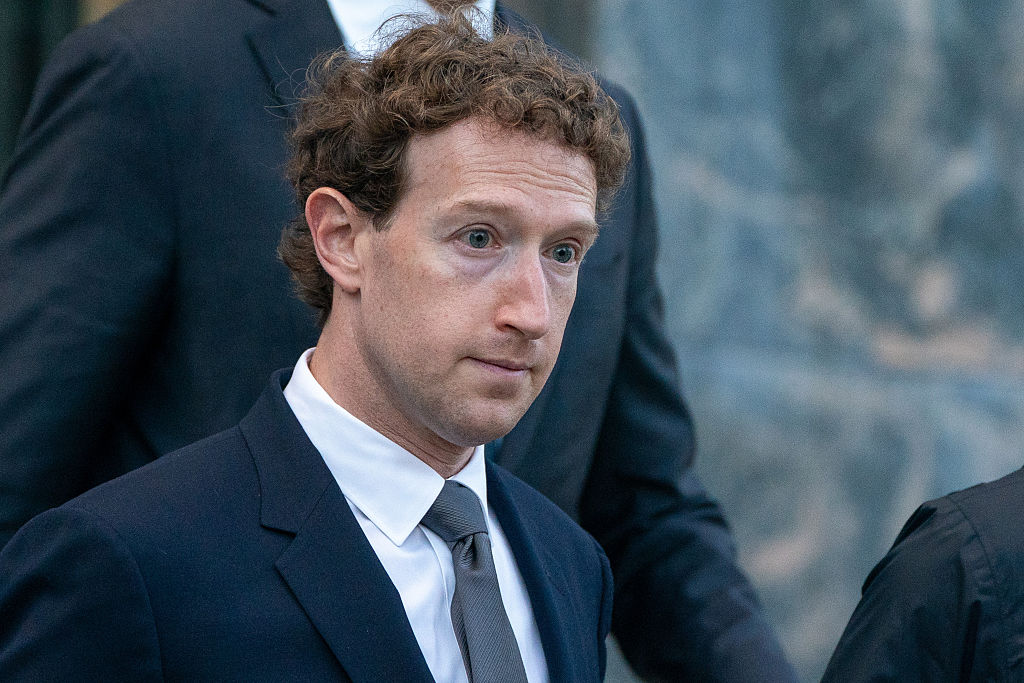
Meta CEO Mark Zuckerberg testified in a Los Angeles Superior Court on Wednesday, marking a pivotal moment in a landmark trial designed to ascertain whether the tech giant’s widely used social media applications are inherently addictive and detrimental to the mental health of teenagers and children. The ongoing litigation has already unearthed significant internal research from Meta, indicating that conventional parental supervision mechanisms proved largely ineffective in curbing compulsive social media usage among adolescents. Furthermore, the company’s own data highlighted a disturbing correlation: teens who had experienced traumatic life events were found to be even more susceptible to excessive social media engagement, raising profound questions about product design and corporate responsibility.
The trial, centered around the claims of a 20-year-old plaintiff identified by her initials KGM, represents a coalescing point for growing societal anxieties regarding the pervasive influence of digital platforms on adolescent development. KGM’s legal team pressed Zuckerberg extensively this week, questioning the existence of internal directives or goals for Instagram employees to actively increase daily application usage. Zuckerberg had previously denied such practices during an earlier congressional hearing. However, this week’s courtroom proceedings presented compelling counter-evidence: a 2015 email chain, introduced as a key exhibit, reportedly showed Zuckerberg himself advocating for initiatives designed to boost users’ time spent within the app by a significant 12 percent. This revelation directly challenges Meta’s public narrative and underscores the intense pressure within the tech industry to maximize user engagement, often at the expense of other considerations.
The Escalating Debate on Platform Design and Youth Vulnerability
The legal challenge against Meta is not an isolated incident but rather a prominent front in a multi-faceted battle questioning the design ethics of social media platforms. Critics argue that features such as infinite scroll, algorithmic recommendations, push notifications, and engagement metrics are deliberately crafted to maximize user retention, mimicking behavioral patterns observed in addictive substances. This trial seeks to establish a legal precedent for holding technology companies accountable for the psychological impacts of their products, particularly on vulnerable demographics like adolescents whose brains are still developing.
Zuckerberg also faced rigorous questioning regarding Instagram’s implementation of beauty filters, a feature that Meta’s own internal experts had reportedly recommended be banned for teenage users due to concerns about their potential negative effects on body image and self-esteem. The discussion moved to internal documents that contained Meta’s estimates of the number of children under the age of 13 actively using its platforms, a direct violation of federal children’s online privacy laws (like COPPA in the U.S.) that mandate parental consent for data collection from young users. One Meta document from 2018 specifically stated that, as of 2015, approximately 4 million children under 13 had Instagram accounts. Alarmingly, this figure included roughly 30 percent of all 10-12 year-olds in the United States, highlighting a significant discrepancy between platform policies and actual user demographics.
In response to inquiries about underage users, Zuckerberg countered by emphasizing the inherent difficulties in robust age verification processes. He suggested that smartphone manufacturers, such as Apple, could play a more proactive role in assisting with this challenge. This statement comes at a time when Apple has indeed begun rolling out its own age assurance tools for developers, a direct consequence of increasing legislative pressure to regulate apps like Facebook and Instagram. A growing number of U.S. states have either enacted or are in the process of developing their own comprehensive social media laws targeting youth access and safety, signaling a bipartisan legislative push to impose greater accountability on tech platforms.
A Chronology of Mounting Concerns and Legal Action
The current trial is the culmination of years of escalating public and scientific concern regarding the mental health implications of social media.
- Early 2010s: Initial reports and studies begin to link increased social media use with mental health issues in adolescents, though causal links remain debated.
- Mid-2010s: "Tech addiction" enters mainstream discourse. Former tech executives and designers begin speaking out about "dark patterns" and manipulative design choices.
- 2017-2018: Whistleblowers and investigative journalists reveal internal company research highlighting negative impacts on user well-being, particularly for teen girls. Public pressure on tech companies intensifies.
- 2021: Frances Haugen, a former Facebook employee, leaks thousands of internal documents, providing unprecedented insight into Meta’s knowledge of the harms associated with its platforms and its struggles to address them. These "Facebook Files" galvanize lawmakers and advocacy groups.
- 2022-2023: A wave of lawsuits emerges, including the multi-district litigation (MDL) consolidating hundreds of cases from individuals, school districts, and states alleging social media addiction and harm. State attorneys general launch their own investigations.
- Early 2024: Several social media companies, including TikTok and Snap, reach settlements in the MDL to avoid trial, signaling an acknowledgment of the legal risks involved. Meta and YouTube, however, proceed to trial, setting the stage for Zuckerberg’s testimony.
Supporting Data and the Youth Mental Health Crisis
The backdrop to this trial is a documented surge in mental health challenges among young people. According to data from the Centers for Disease Control and Prevention (CDC), between 2007 and 2019, suicide rates among 10-24 year-olds increased by 57%. More recent data from the CDC’s Youth Risk Behavior Survey indicates that in 2021, 42% of high school students reported persistent feelings of sadness or hopelessness, a significant increase from previous years. While social media’s precise role in this crisis remains a subject of ongoing scientific debate, many researchers and mental health professionals point to correlation between increased smartphone and social media use and declines in adolescent mental well-being. Studies have highlighted issues such as cyberbullying, body image dissatisfaction exacerbated by curated online personas and filters, fear of missing out (FOMO), and sleep deprivation due to excessive screen time as potential contributing factors.
A 2023 report by the American Psychological Association (APA) emphasized the developmental vulnerabilities of adolescents, noting that their brains are particularly sensitive to social rewards and peer validation, making them highly susceptible to the potentially addictive design elements of social media. The report called for greater caution in social media use and urged platforms to implement design changes that prioritize youth well-being.
Official Responses and Corporate Defense Strategies
Throughout his testimony, courtroom reports indicated that Zuckerberg largely adhered to Meta’s established talking points. He frequently contended that the plaintiff’s lawyers were either selectively quoting documents out of context or mischaracterizing the intent and content of internal communications. Meta’s overarching defense strategy, as articulated by its legal team, has largely sought to deflect direct causation. Lawyers for Meta have consistently argued that plaintiff KGM’s mental health struggles were primarily rooted in her "unhappy childhood" and pre-existing vulnerabilities, rather than being a direct consequence of the social media applications themselves. This defense attempts to shift responsibility away from product design and onto individual circumstances and external factors.
Meta has also highlighted the positive aspects of its platforms, emphasizing their role in facilitating connection, community building, and self-expression, particularly for marginalized youth who may find support online that is lacking in their immediate environments. The company often points to its investments in safety features, parental controls, and mental health resources as evidence of its commitment to user well-being. However, these efforts are often viewed by critics as insufficient or as reactive measures rather than proactive design choices.
Broader Impact and Implications for the Tech Industry
The outcome of this jury trial carries monumental implications, not just for Meta, but for the entire technology industry. A verdict finding Meta at fault could set a powerful legal precedent, opening the floodgates for similar lawsuits and potentially leading to substantial financial settlements for alleged victims. Beyond monetary damages, such a ruling could catalyze significant legislative and regulatory reforms. Governments, both at the state and federal levels, are already grappling with how to effectively regulate tech platforms without stifling innovation. A court’s finding of culpability could provide the impetus for:
- Mandatory Design Changes: Laws could emerge requiring social media companies to redesign their platforms with "safety by design" principles, potentially banning features identified as addictive or harmful to minors (e.g., certain algorithmic recommendations, infinite scroll, specific filters).
- Enhanced Age Verification: Stricter mandates for robust age verification systems could be imposed, holding platforms more accountable for preventing underage access.
- Increased Transparency: Companies might be compelled to release more internal research on user well-being, algorithmic impact assessments, and data on underage users.
- New Liability Frameworks: The legal landscape could shift, making it easier to hold tech companies liable for the harms caused by their products, potentially eroding some of the protections currently afforded by Section 230 of the Communications Decency Act (though this trial does not directly challenge Section 230, it could influence broader debates).
- Industry-Wide Shifts: Even if Meta prevails, the intense scrutiny and public discourse surrounding the trial are likely to pressure all social media companies to re-evaluate their product development strategies, potentially leading to self-regulation and a greater emphasis on ethical design and user well-being to preempt future legal and regulatory challenges.
This trial represents a critical juncture in the ongoing dialogue between technological innovation and public health. It forces a fundamental re-examination of where responsibility lies when digital products, designed for engagement, are perceived to inflict real-world harm, particularly on the most vulnerable members of society. The jury’s decision will undoubtedly resonate far beyond the confines of the Los Angeles courtroom, shaping the future of digital interaction for generations to come.
