
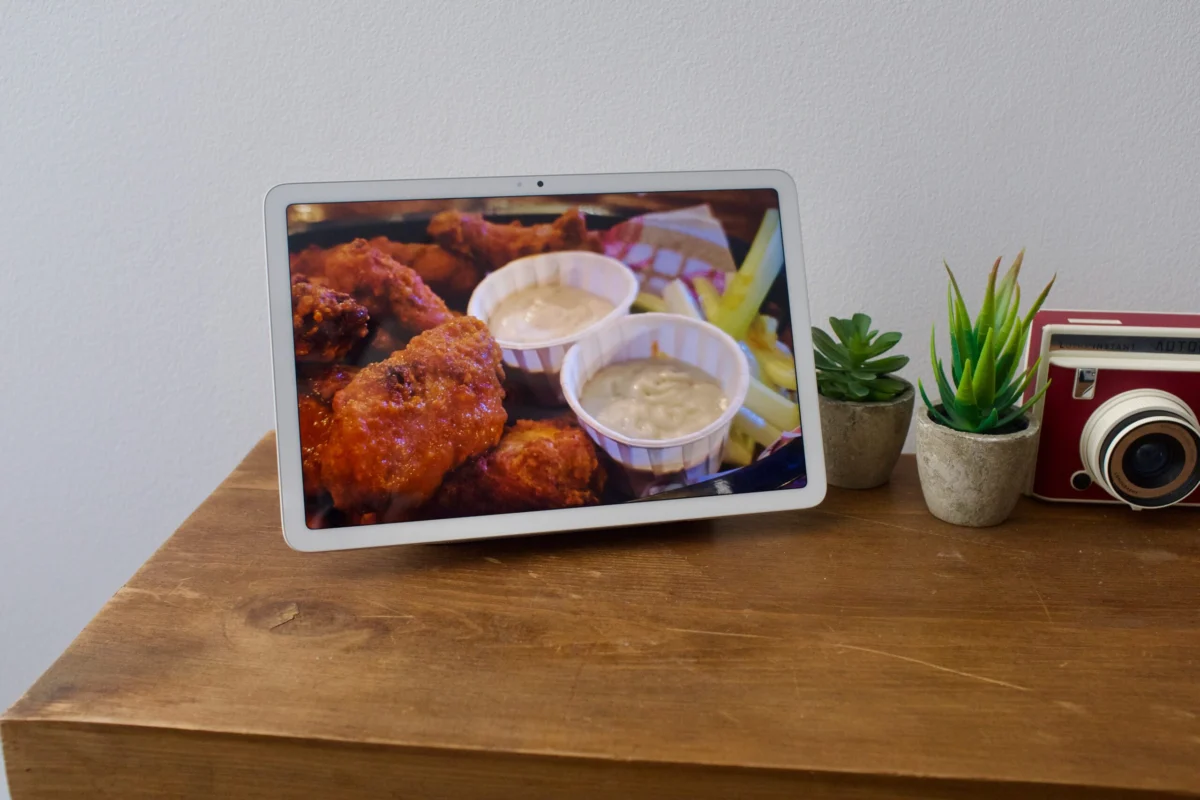
The sudden and complete removal of Google’s Pixel Tablet from its official online store, alongside the entire "tablet" product category, strongly suggests that a successor is not on the immediate horizon. This strategic move, which saw the Pixel Tablet listed as "out of stock" for several days prior to its complete disappearance, echoes a recurring narrative in Google’s long and often turbulent history with tablet computing. The company’s past endeavors in this space, marked by ambitious launches and swift retreats, paint a clear picture of a platform that has struggled to find a consistent and successful footing in a market dominated by Apple’s iPad.
A Decade of Tablet Trials and Tribulations
Google’s foray into the tablet market has been characterized by a series of experiments, each with its own set of promises and eventual disappointments. The journey began in 2015 with the Pixel C, a premium 10.2-inch Android tablet that aimed to compete with the burgeoning tablet market. Launched with an optional, magnetically attached keyboard, the Pixel C was envisioned as a productivity powerhouse, a device that could seamlessly transition between tablet and laptop functionality. However, despite its sleek design and robust build quality, it failed to capture significant market share. Analysts at the time pointed to a lack of compelling software differentiation and a higher price point compared to some Android competitors as key factors in its lukewarm reception. Sales figures for the Pixel C were never publicly disclosed in detail, but its presence in the market was notably brief, failing to establish a strong foothold against the entrenched dominance of Apple’s iPad.
The company’s second significant attempt came in 2018 with the Pixel Slate. This device represented a shift in strategy, embracing Chrome OS and aiming to bridge the gap between tablets and laptops more decisively. It was a more powerful and versatile device, designed to run both Android apps and full desktop applications. However, the Pixel Slate faced a barrage of criticism upon its release. Reviews highlighted issues with its performance, the tablet experience on Chrome OS, and the usability of its keyboard accessory. Perhaps more damning was Google’s own swift disillusionment. Development on any potential successor to the Pixel Slate was reportedly halted less than a year after its unveiling, signaling a rapid and decisive abandonment of this particular tablet direction. This premature end to the Pixel Slate project reinforced the perception that Google was struggling to find a winning formula for its tablet offerings.
Following the shelving of the Pixel Slate, Google appeared to step away from the tablet arena altogether for a period. This hiatus fueled speculation about the company’s long-term commitment to the form factor. The market continued to be dominated by Apple’s iPad, which consistently held the largest share of tablet sales, and a growing number of Android tablets from manufacturers like Samsung, Lenovo, and Amazon, which often focused on specific niches such as budget-friendly devices or entertainment hubs.
The Pixel Tablet’s Hybrid Vision and Subsequent Demise
The landscape shifted again in 2023 when Google announced its return to the tablet market with the Pixel Tablet at the Google I/O developer conference. This iteration marked a significant departure from its predecessors, centering its appeal on a unique hybrid concept. The Pixel Tablet was designed to function as a standard Android tablet but was accompanied by a distinctive charging speaker dock. When docked, the tablet transformed into a smart display, akin to Google’s Nest Hub devices, offering a compelling integrated experience for home use. This innovative approach aimed to address a key criticism of many standalone tablets: their limited utility when not actively being used for media consumption or productivity. The docking station provided a convenient charging solution and unlocked a suite of smart display features, including visual weather forecasts, calendar management, smart home controls, and photo slideshows, all accessible via voice commands.
At its launch, the Pixel Tablet was met with cautious optimism. The hybrid functionality offered a unique value proposition, potentially appealing to users seeking a versatile device that could serve multiple purposes within the home. Early reviews acknowledged the clever integration of smart display capabilities and the solid performance of the tablet itself. The inclusion of a Tensor G2 chip, the same powerful processor found in the Pixel 7 series smartphones, ensured a smooth and responsive user experience for everyday tasks and app usage.
However, despite the promising concept and solid hardware, the Pixel Tablet appears to have failed to achieve significant commercial success. Three years after its introduction, its quiet removal from Google’s official store, coupled with the elimination of the entire tablet category listing, serves as a definitive signal of its commercial underperformance. While specific sales figures for the Pixel Tablet have not been disclosed by Google, its disappearance from the primary sales channel, alongside the broader category, strongly indicates that it did not meet the company’s internal sales targets or strategic objectives. This outcome mirrors the fate of its predecessors, reinforcing the notion that Google’s tablet ventures, while often innovative in concept, have struggled to translate into sustained market success.
Navigating Remaining Stock and Future Software Support
For consumers still interested in acquiring a Pixel Tablet, stock may be available through third-party retailers. However, Google’s decision to delist the product from its own store inherently diminishes its appeal as a recommended purchase for new buyers. The lack of official support and visibility from the manufacturer can raise concerns about long-term availability of accessories, customer service, and future software updates.
A crucial aspect for existing owners revolves around software support. Google had committed to providing software updates for the Pixel Tablet through June 2028. While this commitment technically remains in place, the device’s abrupt disappearance from its primary sales platform casts a shadow of uncertainty over its future. The absence of an official statement from Google regarding the removal or confirmation of the ongoing update commitment leaves current users in a state of ambiguity. This lack of clarity is a significant concern for owners who rely on their devices for regular use and expect continued security patches and feature enhancements. The precedent set by Google’s past tablet efforts, which often saw support wane as devices were phased out, adds to this apprehension.
The silence from Google on this matter is notable. Typically, a company will issue a statement or a brief blog post to address the discontinuation of a product line, especially one with ongoing software commitments. The absence of such communication suggests either a deliberate strategy to minimize attention or a lack of immediate plans to clarify the situation for affected users. This creates a challenging environment for current Pixel Tablet owners, who are left to speculate about the longevity of their device’s support.
The Broader Implications for Google’s Hardware Ecosystem
The discontinuation of the Pixel Tablet and the removal of the tablet category from Google’s store have several broader implications for the company’s hardware strategy. Firstly, it suggests a potential refocusing of resources. Google has been investing heavily in its Pixel smartphone line, its Wear OS platform with smartwatches, and its smart home devices like the Nest Hub and Nest Mini. The decision to exit the tablet market, at least for the foreseeable future, may indicate a strategic reallocation of engineering talent, marketing budgets, and research and development efforts towards these more established and seemingly more successful product categories.
Secondly, it raises questions about the future of Android as a tablet operating system. While Google continues to develop Android, its tablet-specific optimizations and dedicated tablet apps have often lagged behind those found on iOS. The lack of a strong, first-party tablet offering from Google could further hinder the growth and development of the Android tablet ecosystem. Manufacturers who rely on Google’s OS for their own tablet offerings may face a less supportive environment, potentially impacting their own future product strategies.
Thirdly, the move underscores the intense competition within the tablet market. Apple’s iPad has consistently set the benchmark for performance, user experience, and app availability. Other players, like Samsung, have also carved out significant market share with devices that often offer robust features and competitive pricing. For Google to succeed, its tablet offerings would need to not only match but surpass these established players, a challenge that has proven difficult to overcome.
In conclusion, the quiet departure of the Pixel Tablet from Google’s digital storefront marks another chapter in the company’s ongoing struggle to establish a lasting presence in the tablet market. While the hybrid smart display concept was an innovative step, it was ultimately insufficient to overcome the historical challenges and intense competition. The implications for consumers, developers, and Google’s own hardware ecosystem remain to be fully seen, but the signal is clear: for now, Google’s tablet ambitions have once again been put on hold.

