
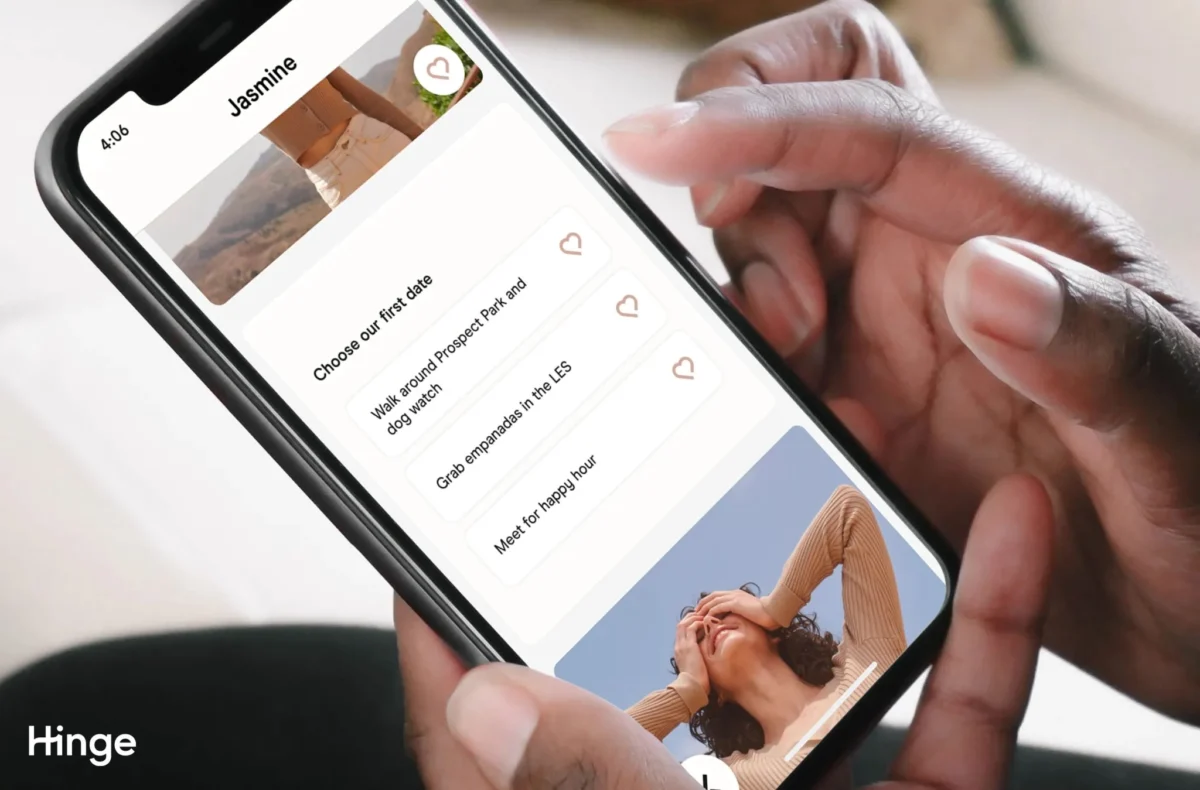
Hinge, the relationship-focused dating application under the Match Group umbrella, is poised to introduce a more affordable subscription plan, signaling a strategic pivot by its parent company to innovate monetization models in a challenging digital landscape. This initiative comes as the broader dating app industry grapples with growing user fatigue towards premium subscriptions and, in some instances, a complete disillusionment with the online dating experience itself. The move aims to entice a wider segment of its user base, particularly women and price-sensitive individuals, to convert from free users to paying subscribers by offering enhanced features at a more accessible price point.
The announcement was made during Match Group’s third-quarter 2026 earnings call on Monday, where executives detailed that the forthcoming Hinge tier would incorporate features designed to provide users with greater control over their dating preferences. These include additional filters for more precise matching and custom location boundaries, allowing individuals to define where they wish to connect with potential partners. This enhanced control addresses common user frustrations regarding irrelevant matches and geographic limitations, offering a more tailored and potentially safer experience.
Steve Bailey, Chief Financial Officer of Match Group, articulated the rationale behind this strategic direction, stating, "It’s designed for women in particular, but also for price-sensitive users." He further elaborated on Hinge’s unique position within Match Group’s diverse portfolio, highlighting its premium pricing structure. "Remember that Hinge is one of the highest-priced products we have. The revenue per payer, for example, at Hinge is almost twice that of Tinder, around $30. It also has one of the lower payer penetrations. Its payer penetration is only slightly more than half that of Tinder." This insight underscores a dual objective: to leverage Hinge’s strong per-payer revenue while simultaneously expanding its paying user base by lowering the barrier to entry for a significant portion of its free users. While Match Group did not disclose the specific pricing for this new subscription tier, the focus on affordability suggests a notable departure from its existing premium offerings.
The Evolving Landscape of Online Dating and Subscription Fatigue
The decision to introduce a cheaper Hinge subscription is set against a backdrop of increasing scrutiny and evolving user expectations within the online dating sector. Over the past decade, dating apps have become a ubiquitous part of modern courtship, with millions relying on them to find companionship, relationships, and even marriage. However, the initial novelty has waned, giving way to widespread "subscription fatigue" – a phenomenon where consumers feel overwhelmed by the sheer number of digital subscriptions they manage, leading to a reluctance to add more, especially for services perceived as non-essential or frustrating.
Users are increasingly questioning the value proposition of premium dating features, which often promise improved visibility, unlimited likes, or advanced filters. Many feel trapped in an endless cycle of swiping, ghosting, and superficial interactions, leading to burnout and a cynicism about the effectiveness of paid tiers. This sentiment has been exacerbated by the economic climate, making consumers more discerning about discretionary spending. Dating apps are, therefore, under immense pressure to justify their premium offerings and demonstrate tangible benefits that translate into more meaningful connections.
Match Group, as the undisputed leader in the online dating market with an expansive portfolio including Tinder, Hinge, OkCupid, Plenty of Fish, and Meetic, is particularly attuned to these market dynamics. The company’s financial performance is intrinsically linked to its ability to innovate and adapt its monetization strategies. Historically, its core business model has relied on a freemium approach, offering basic services for free while gating advanced features behind subscription paywalls. This model has been incredibly successful, but signs of saturation and user resistance necessitate strategic adjustments. The company’s efforts to combat user fatigue extend beyond pricing, encompassing broader initiatives to transform the dating app experience from a transactional one to a more social and engaging endeavor.
Hinge’s Remarkable Growth Amidst Industry Headwinds
What makes Hinge’s move particularly interesting is that it comes at a time when the app is arguably one of Match Group’s strongest performers. Unlike some of its sister apps, Hinge has demonstrated impressive resilience and growth, particularly when compared to the market’s behemoth, Tinder. In the third quarter of 2026, Hinge reported a robust performance, with its global monthly active users (MAUs) growing by a substantial 12% year-over-year. Direct revenue, which includes earnings from subscriptions and in-app purchases, saw a significant increase of 19%, while its paying user base expanded by an impressive 23%, reaching 2.3 million subscribers. The app generated $221 million in direct revenue by the end of the quarter, underscoring its growing importance within Match Group’s financial ecosystem.
This stellar performance stands in stark contrast to Tinder, which, despite its massive scale, experienced a slight 2% year-over-year decline in direct revenue, bringing in $480 million. More tellingly, Tinder’s paid user count also saw a 4% decline from the previous year, settling at 8.9 million subscribers. While Tinder remains Match Group’s largest revenue generator and user base, its recent trajectory indicates challenges in maintaining growth and converting users into paying customers.
Hinge’s success can be attributed to several factors. Marketed as "the dating app designed to be deleted," it positions itself as a platform for serious relationships, attracting users who are seeking more meaningful connections rather than casual encounters. Its unique prompts, focus on thoughtful profiles, and limited daily likes encourage users to be more intentional with their interactions. This emphasis on quality over quantity has resonated with a segment of the dating population increasingly weary of the endless swiping culture prevalent on other platforms. The app’s higher revenue per payer, nearly double that of Tinder, suggests that its existing premium users perceive significant value in its offerings. However, its lower payer penetration, roughly half that of Tinder, indicates a substantial untapped market of free users who could be converted with a more accessible pricing structure. The introduction of a cheaper tier is a direct attempt to bridge this gap, leveraging Hinge’s strong brand appeal to expand its paying subscriber base without diluting its premium perception.
A Strategic Pivot in Hinge’s Monetization Journey
The introduction of a lower-priced subscription plan for Hinge marks a notable shift in its monetization strategy, indicating a continuous evolution in how dating apps approach premium features. This move stands in direct contrast to earlier experiments by the company. In 2023, Hinge had explored a more expensive subscription tier, reportedly priced around $60 per month, similar to Tinder Platinum. This premium offering was aimed at a niche segment of users willing to pay a premium for advanced features and enhanced visibility, seeking to extract more value from a smaller, highly engaged group.
The pivot from testing a pricier tier to now introducing a cheaper one illustrates a dynamic search for the optimal pricing strategy that balances revenue generation with user acquisition and retention. It suggests that while high-end tiers might appeal to a select few, a broader, more affordable option could unlock significant growth by converting a larger percentage of its free users into paying customers. This strategy aligns with the broader industry trend of tiered pricing models, where companies offer a range of subscription options to cater to diverse user budgets and needs. By offering a more accessible entry point, Hinge aims to capture users who are interested in premium features but are deterred by the current higher price points, thereby building on its impressive momentum and further solidifying its position as a growth driver for Match Group.
Addressing the Root Cause: Beyond Subscriptions to Engagement
While a cheaper subscription is a tactical response to monetization challenges, Match Group acknowledges that it alone cannot resolve the fundamental issue plaguing dating apps: widespread user fatigue. The company is actively pursuing a multi-pronged approach to revitalize user engagement and satisfaction by making its platforms feel less like traditional, transactional dating apps and more like social discovery tools.
Recent initiatives underscore this commitment to innovation:
- Group Hangouts (Tinder): Launched in 2026, this feature allows users to form groups and meet other groups, shifting the focus from one-on-one matching to more casual, social interactions. This move taps into the growing preference, particularly among Gen Z, for lower-pressure social discovery that can lead to friendships, networking, or romantic connections organically.
- Events (Tinder): Expanding its real-world event offerings, Tinder is hosting curated gatherings in dozens of cities. These in-person events provide users with alternative avenues to connect beyond the digital realm, fostering spontaneous interactions and real-life chemistry that can be difficult to replicate online. These events aim to create shared experiences, reducing the awkwardness often associated with first dates arranged through apps.
- Real-time Adaptive Recommendations (Tinder): Scheduled for testing in the fourth quarter, this advanced AI-driven feature aims to revolutionize the matching algorithm. Announced during Match Group’s CEO Connection presentation in September, this technology will enable Tinder to respond to user actions within seconds, rather than hours. The goal is to make recommendations significantly more relevant and personalized, adapting dynamically to user behavior and preferences. By improving the quality and timeliness of matches, the company hopes to enhance user satisfaction and reduce the perceived effort of finding suitable partners.
These efforts reflect a strategic pivot towards fostering genuine social connections and leveraging AI to create more intuitive and effective user experiences. Match Group plans to intensify these initiatives in the fourth quarter, signaling a long-term commitment to evolving its platforms beyond the conventional swipe-based model. The underlying philosophy is to create environments where dating feels less like a chore and more like an enjoyable social activity, ultimately making users more willing to engage and, consequently, more likely to subscribe to premium features.
Broader Implications and the Future of Online Dating
Hinge’s foray into a cheaper subscription tier, coupled with Match Group’s broader innovation strategy, carries significant implications for the online dating industry. It signals a recognition that a one-size-fits-all monetization approach is no longer sustainable and that diversification in pricing and features is crucial for sustained growth. Competitors will undoubtedly observe Hinge’s success with this model, potentially leading to a broader trend of more flexible and affordable subscription options across the industry. This could ignite a price war or, more positively, spur further innovation in value offerings.
The strategic focus on women for the new Hinge tier is particularly noteworthy. By addressing the specific needs and concerns of women, such as control over interactions and location, Match Group aims to enhance the overall safety and quality of the platform. A better experience for women often translates to a better experience for all users, creating a more balanced and engaged community.
The emphasis on real-time recommendations and social discovery features also highlights a pivotal shift in the dating app paradigm. As younger generations, particularly Gen Z, increasingly prioritize authenticity, shared experiences, and less formalized ways of meeting people, dating apps must adapt to remain relevant. The future of online dating may increasingly resemble social networking platforms, where dating is an organic outcome of broader social engagement rather than the sole purpose.
Ultimately, Match Group’s multi-faceted approach – from adjusting pricing strategies to embracing social discovery and advanced AI – represents a proactive effort to navigate the evolving landscape of digital relationships. The success of Hinge’s cheaper subscription and the broader initiatives to combat user fatigue will be critical indicators of the industry’s ability to innovate and sustain growth in an increasingly saturated and discerning market. The ongoing challenge will be to strike a delicate balance between effective monetization and delivering a genuinely rewarding and less taxing experience for users who are increasingly seeking connection beyond the screen.

