
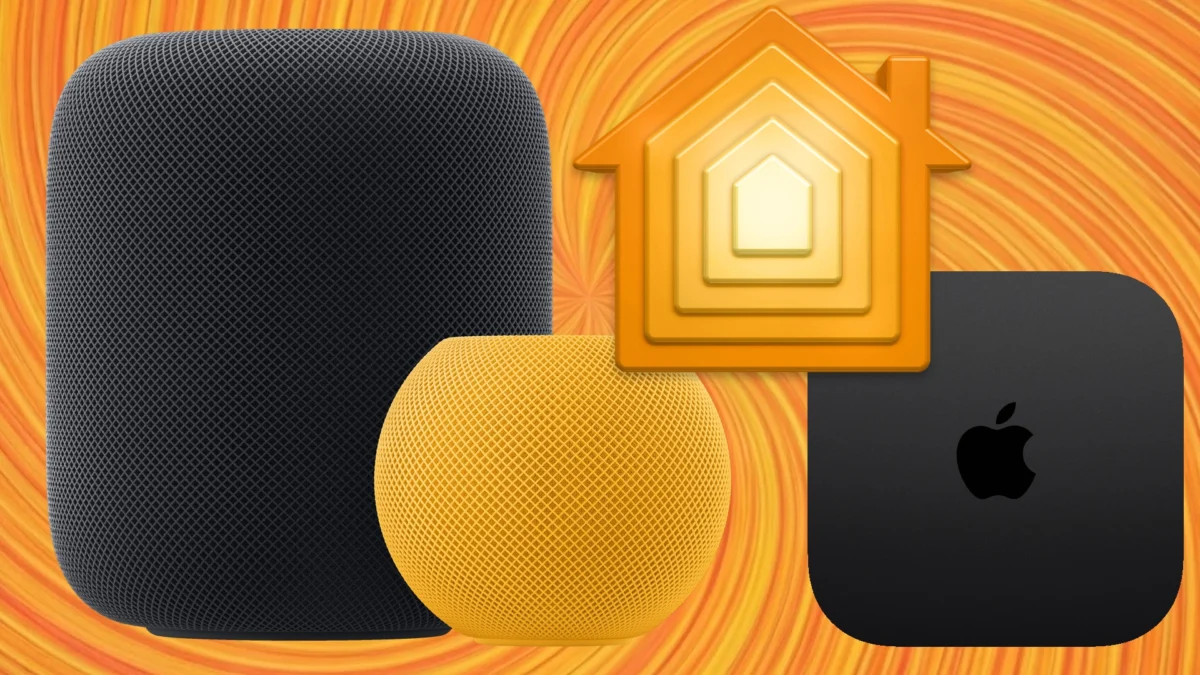
Apple has begun testing a Siri-powered smart home hub, internally codenamed J490, within the homes of its employees. This significant step in the development of a long-rumored device signals a renewed push by the technology giant to establish a stronger foothold in the increasingly competitive smart home market, a sector where rivals like Amazon and Google have already solidified their presence with dedicated smart display offerings. The internal testing phase is a critical juncture, moving the project from conceptualization and early prototyping to real-world evaluation by a diverse user base within the company.
The Genesis of Apple’s Smart Display Ambitions
Speculation surrounding Apple’s entry into the smart display category has persisted for years. The company first signaled its interest in the segment back in 2022, a move that coincided with the maturation of its HomeKit smart home platform and the growing popularity of voice-controlled assistants integrated with visual interfaces. This timing suggested a strategic intent to leverage its established ecosystem of devices and software to create a compelling smart home experience. However, the path to market has been marked by considerable development cycles and, as recent reports indicate, strategic recalibrations.
The smart display market, effectively defined by Amazon’s Echo Show and Google’s Nest Hub, has seen significant growth. These devices serve as central command centers for smart homes, offering not only voice interaction but also visual feedback, control of connected devices, media playback, and personalized information displays. Apple’s apparent strategy with the J490 appears to be an attempt to capture a share of this market by infusing its own unique design philosophy and advanced AI capabilities into a device that aims to be more than just a functional gadget.
Design and User Interface: A Blend of Familiarity and Innovation
According to insights shared by Bloomberg’s Mark Gurman, the J490 hub is designed with a distinct aesthetic. Its physical form is described as sitting on a stand that evokes the silhouette of a sliced HomePod Mini, or alternatively, it can be mounted directly onto a wall, offering flexibility in placement and integration within a home environment. The display itself is reported to be smaller than that of Amazon’s Echo Show, suggesting a focus on a more intimate and less intrusive user experience.
Key hardware features include persistent Wi-Fi connectivity, a built-in camera, and microphones, essential components for any modern smart home device. The user interface is said to be a sophisticated amalgamation of existing Apple operating systems, blending elements of iOS, tvOS, and watchOS. This approach aims to create an intuitive and familiar experience for Apple users, seamlessly integrating the hub into their existing digital lives. The user interface is anticipated to offer a rich visual experience, likely incorporating elements of dynamic information display and interactive controls that mirror the fluidity of Apple’s mobile and TV platforms.
Personalization Through Facial Recognition: A Deep Dive into User Identity
A standout feature of the J490 hub is its advanced camera system, which goes beyond mere video conferencing or security monitoring. The hub is reportedly equipped with facial recognition capabilities designed to identify individual users. Upon detecting who is looking at the screen, the device is engineered to dynamically switch its displayed content to match that specific person’s preferences and needs. This could include personalizing app selections, surfacing relevant notes, displaying individual calendar entries, tailoring news feeds, and curating music or podcast suggestions.
This level of personalized content delivery represents a significant departure from many existing smart displays, which often offer a more generalized experience. By leveraging facial recognition, Apple aims to transform the smart hub into a truly personal device, anticipating user needs and proactively presenting relevant information. This functionality is intrinsically linked to Apple’s broader efforts in AI and machine learning, aiming to create a more intelligent and responsive home environment.
The "Standby Mode" Influence and the Personal Device Paradigm
The screen’s home screen layout, widget support, and clock face options are said to draw inspiration from the "Standby" mode introduced on the iPhone Duo. This design choice underscores Apple’s overarching ambition: to position the smart hub not merely as a voice-activated speaker with a screen, but as a sophisticated personal device that is an integral part of an individual’s digital ecosystem. The Standby mode on iPhones, which transforms the device into an intelligent display when charging horizontally, showcases Apple’s focus on ambient computing and making technology seamlessly blend into daily life. Applying similar principles to a dedicated home hub suggests a vision where the device provides useful information and interaction even when not actively being commanded.
Siri 2.0: The Engine of Intelligence and Cross-Device Integration
At the core of the J490’s functionality is Siri, Apple’s AI assistant. The device is expected to leverage an overhauled version of Siri, likely powered by the advancements introduced with iOS 27 and the broader Apple Intelligence initiative. This enhanced Siri is designed to possess significantly improved natural language understanding, contextual awareness, and the ability to perform complex tasks.
The hub’s Siri integration is anticipated to enable cross-device and cross-account searches, allowing users to retrieve information and initiate actions across their entire Apple ecosystem. For instance, Siri could play a podcast or song that a contact has recently shared, locate a specific photo stored across multiple devices, or even complete tasks within native Apple applications such as Calendar and Notes. This deep integration with the Apple ecosystem is a key differentiator, aiming to provide a more unified and powerful user experience compared to third-party smart assistants.
Development Timeline and the Impact of Apple Intelligence
The development of the J490 has reportedly encountered delays, primarily attributed to the intricate development and integration of Apple Intelligence. The project was originally slated for a 2024 release, but the complexities involved in refining the AI capabilities and ensuring seamless integration across Apple’s hardware and software have pushed the timeline back. This iterative development process is characteristic of Apple’s approach to introducing new technologies, prioritizing polish and robust performance over rapid market entry.
Despite these delays, recent leaks and industry observations suggest that Apple is now targeting a launch for the smart display later this year. The internal employee testing is a strong indicator that the product is nearing a critical stage of readiness, moving beyond internal benchmarks and into real-world scenarios.
A Broader Refresh for Apple’s Smart Home Strategy
The renewed focus on the Siri-powered smart home hub appears to be part of a larger revitalization of Apple’s smart home ambitions. For several years, the HomeKit ecosystem has seen relatively slower hardware innovation compared to competitors who have aggressively expanded their ranges of screen-equipped speakers and smart displays. This renewed testing phase for the J490 suggests that Apple is prepared to make a more substantial statement in the smart home market, aiming to regain momentum and offer a more competitive product suite.
The success of the J490 could have significant implications for Apple’s broader smart home strategy, potentially influencing the development of future HomeKit accessories and services. By demonstrating a commitment to advanced AI and personalized user experiences in a central home device, Apple could solidify its position as a key player in the evolving smart home landscape.
Unconfirmed Details and Future Rollout
While employee testing indicates a significant leap forward, crucial details such as pricing and a firm on-sale date remain unconfirmed by Apple. The company has also not provided any indication of which regions might be prioritized for the initial rollout of the smart display. This cautious approach to public announcements is typical for Apple, allowing them to refine the product and marketing strategy based on the ongoing internal testing feedback before a wider public unveiling.
The transition from employee testing to a broader public rollout will likely involve further stages of development and potentially beta testing programs with a select group of external users. The ultimate decision on whether the hub will launch this year or be integrated into a larger smart home hardware wave in 2027 will depend on the outcome of these final development and testing phases. However, the fact that the J490 is actively being tested in employee homes suggests a tangible product that is closer to market than ever before.
Implications for the Smart Home Market
The potential entry of a Siri-powered smart home hub from Apple carries significant implications for the existing market dynamics. Apple’s strong brand loyalty, vast customer base, and deeply integrated ecosystem offer a compelling proposition for consumers already invested in Apple products. The focus on advanced AI and personalized experiences, if executed effectively, could set a new standard for smart displays and challenge the dominance of Amazon and Google.
Furthermore, the development of such a device could spur further innovation from competitors, as they strive to match or exceed Apple’s offerings. The smart home market is characterized by rapid technological advancement, and Apple’s re-engagement with a significant product like a smart hub is likely to accelerate this trend. The success of the J490 will be a key indicator of Apple’s long-term commitment to the smart home and its ability to compete effectively in this crucial area of consumer technology. The coming months will be critical in observing how this project progresses from internal evaluation to a potential market launch, and what impact it will have on the homes of consumers worldwide.

