

Google Ads video sequence campaigns offer advertisers a powerful, yet often underutilized, method for crafting compelling narratives and driving viewer engagement. Unlike other video ad formats that may utilize multiple clips, sequence campaigns are distinguished by their ability to present these videos to individual viewers in a precise, predetermined order. This strategic approach is designed to foster strong brand awareness and broad reach, though it may not always capture the immediate attention of more commonly known YouTube ad types. The core strength of sequence campaigns lies in their capacity to build a story incrementally, guiding the audience through a carefully constructed brand journey.
The architecture of a Google Ads video sequence campaign hinges on the concept of a sequential progression. While other multi-video formats exist within the Google Ads ecosystem, only sequence campaigns enforce a strict, chronological playback. Google provides a framework of six distinct sequence campaign templates, each tailored to a specific marketing objective. These templates act as blueprints, guiding advertisers in structuring their video sequences to align with their campaign goals, whether it’s introducing a product, reinforcing a message, or driving a specific action. Understanding these templates is crucial for unlocking the full potential of this advanced advertising tool.
Campaign Setup: Navigating the Google Ads Interface
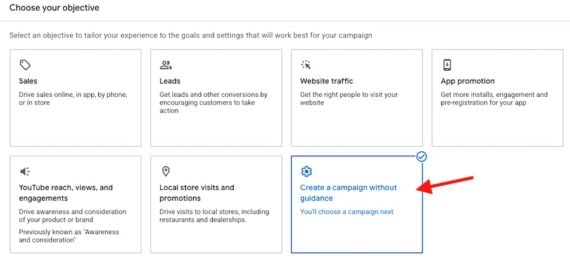
Initiating a video ad sequence campaign requires a specific pathway within the Google Ads platform. Advertisers must begin by selecting "Create a campaign without guidance." Following this, the "Video" campaign type is chosen. It is critical to note that opting for the "YouTube reach, views, and engagements" goal will not reveal the ad sequence option. This distinction underscores that sequence campaigns are a specialized objective within the broader video advertising umbrella, demanding a more deliberate setup process.

Once the correct path is selected, advertisers will proceed to choose the "Ad sequence" subtype. This selection then unlocks the necessary campaign settings. A key characteristic of video sequence campaigns is their bidding and capping mechanisms. Advertisers are restricted to "target CPM" (Cost Per Mille, or cost per thousand impressions) bidding. Furthermore, frequency capping is a mandatory setting, allowing advertisers to define how many times a single viewer can be exposed to the entire sequence within a specified period. The available options for frequency capping are either once every 7 days or once every 30 days, providing advertisers with control over audience saturation.
Sequence Setup: The Building Blocks of a Narrative
The construction of a video sequence campaign is fundamentally built around ad groups, where each step in the sequence corresponds to a distinct ad group. For instance, a sequence comprising four steps will necessitate the creation of four separate ad groups. Within each of these ad groups, advertisers will define several key elements:
- Video: The specific video creative to be served at this stage of the sequence.
- Headline: A concise, attention-grabbing headline that complements the video content.
- Description: A brief descriptive text that further elaborates on the video’s message.
- Call-to-Action (CTA): The desired action the viewer should take, such as "Learn More," "Shop Now," or "Sign Up."
- Landing Page: The URL where the viewer will be directed upon clicking the CTA.
The true power of sequence campaigns lies in the ability to control the progression between these steps. For videos beyond the initial one, advertisers can define three types of step transitions: "impression," "view," or "skip." For example, the second video in a sequence might be programmed to display only after the first video has registered an impression. Subsequently, the third video could be contingent on the second video being viewed. This granular control allows advertisers to craft sophisticated, branching narratives that adapt to user interaction. Advertisers possess the flexibility to customize these step transitions, thereby meticulously shaping the desired storytelling arc and ensuring that the right message reaches the audience at the opportune moment.
To facilitate the creation of these precise narrative segments, Google’s Asset Studio offers valuable tools. The "Trim videos" option within Asset Studio enables advertisers to easily shorten existing video assets, ensuring they fit the specific requirements of each step in the sequence. This tool is compatible with a wide range of video formats and durations, offering considerable flexibility. While Asset Studio also boasts AI video creation capabilities, independent verification and testing of these AI-generated assets are advisable before incorporating them into critical campaign sequences. The ability to refine video content on the fly is instrumental in maintaining audience attention and delivering impactful messages throughout the sequence.
Illustrative Case Study: Yarbo’s Robot Lawn Mowers
Consider the marketing objectives of Yarbo, a fictional company specializing in robot lawn mowers. Yarbo aims to implement an "Introduce and reinforce" sequence. To achieve this, their marketing team might begin with a comprehensive product demonstration video. This single video is then strategically trimmed into two distinct parts, each designed to serve a specific purpose within the sequence.
The first video in the sequence could feature a headline such as "Save Time." The accompanying call-to-action might be "Learn more," directing viewers to the company’s homepage. The objective here is to introduce the core benefit of the product and pique initial interest. By providing a clear pathway to the main website, viewers who are now aware of the product’s existence can easily explore further.
The second video in the sequence could then shift focus, perhaps announcing a promotional offer. A headline like "Labor Day Sale" paired with a "Buy now" CTA, linking directly to the main product page, would aim to capitalize on the awareness generated by the first video and drive immediate purchase intent. This sequential approach allows Yarbo to first educate and then convert, a strategy that can be highly effective in complex sales cycles. Furthermore, Yarbo’s team can leverage A/B testing on headlines and landing pages to continuously optimize the sequence’s performance and identify the most effective messaging and conversion pathways for their target audience.
Alternatively, using the same demonstration video, Yarbo could construct an "Engage and differentiate" sequence composed of four shorter, 15-second clips. This approach might focus on highlighting specific features or unique selling propositions in quick succession. For instance:

- Clip 1: Focus on autonomous navigation capabilities, with a headline like "Effortless Mowing."
- Clip 2: Showcase the quiet operation, with a headline such as "Peaceful Yard."
- Clip 3: Emphasize weather-resistant design, using a headline like "All-Weather Performance."
- Clip 4: Highlight smart app control, with a headline stating "Smart Control, Smarter Lawn."
Each of these clips would have a tailored CTA and landing page, potentially leading to specific feature pages on the Yarbo website, further deepening engagement and providing detailed information on each aspect of the robot lawn mower.
Interpreting Performance Metrics: Gauging Success
The overarching goal of video ad sequence campaigns is to cultivate demand and foster meaningful engagement with the brand and its offerings. Google provides a suite of key performance indicators (KPIs) to help advertisers assess the effectiveness of their sequences:
- Sequence Completion Rate: This metric measures the percentage of viewers who watch the entire video sequence from beginning to end. A high completion rate indicates that the narrative is compelling and holds viewer attention throughout.
- Impressions: The total number of times the ads in the sequence were shown. This is a fundamental reach metric.
- Views: The number of times the videos within the sequence were viewed, often defined by specific watch time thresholds (e.g., 30 seconds or the full duration for shorter videos).
- Click-Through Rate (CTR): The percentage of impressions that resulted in a click on the CTA. This indicates the effectiveness of the ad’s messaging and offer in driving action.
- Conversions: The ultimate measure of success, representing the desired actions taken by viewers after interacting with the ad sequence (e.g., a purchase, a sign-up, or a lead generation).
While advertisers can and should track clicks and conversions as ultimate business outcomes, the primary focus of sequence campaigns often remains on engagement. For instance, if a video within the sequence shows a low percentage of viewers reaching the 100% watch mark, it signals a potential area for improvement. This might involve re-evaluating the video content, the pacing of the narrative, or the relevance of the messaging to the targeted audience. A low sequence completion rate, for example, could indicate that the story is not compelling enough to sustain interest, or that the transition points are not effectively motivating continued viewing. By analyzing these metrics, advertisers can iteratively refine their video sequences to maximize impact and achieve their marketing objectives.
The strategic implementation of Google Ads video sequence campaigns offers a sophisticated approach to digital storytelling. By meticulously planning the narrative, leveraging precise targeting and bidding, and continuously analyzing performance data, advertisers can effectively guide their audiences through a compelling brand journey, ultimately driving both awareness and conversions. The platform’s tools, from the initial campaign setup to the granular control over sequence progression and the availability of video editing resources, empower marketers to create dynamic and impactful advertising experiences.

