
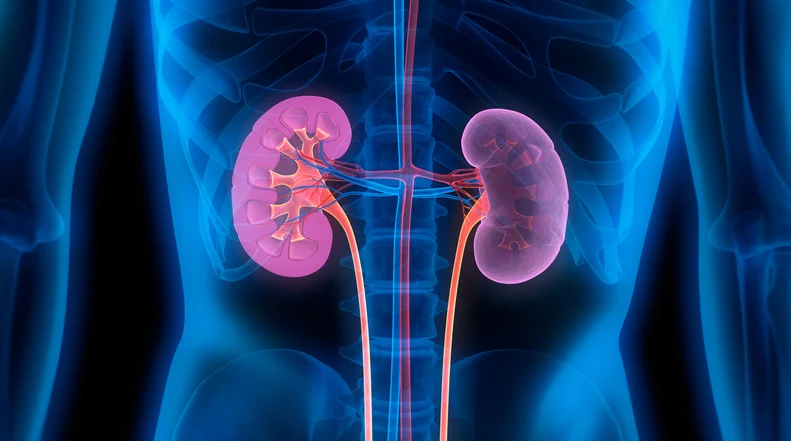
The pharmaceutical landscape for rare kidney diseases witnessed a significant milestone this week as Roche announced positive interim results from its Phase 3 clinical trial of sefaxersen, an investigational treatment for immunoglobulin A nephropathy (IgAN). The data, derived from a prespecified interim analysis, demonstrated that sefaxersen achieved a statistically significant and clinically meaningful reduction in proteinuria—the presence of excess proteins in the urine—compared to the study’s control parameters. This development positions Roche as a formidable contender in an increasingly crowded and competitive market for IgAN therapies, a field that has historically lacked targeted treatment options.
While the specific numerical data points from the trial remain under wraps pending presentation at a future medical symposium, the success of the interim analysis provides a clear regulatory pathway for Roche. Proteinuria is widely recognized by the U.S. Food and Drug Administration (FDA) as a surrogate endpoint for kidney health in IgAN patients, often serving as the basis for accelerated approvals. The company has confirmed it will share these findings with global regulatory authorities immediately, signaling an intent to fast-track the drug’s journey to the commercial market.
Understanding IgA Nephropathy and the Role of the Complement System
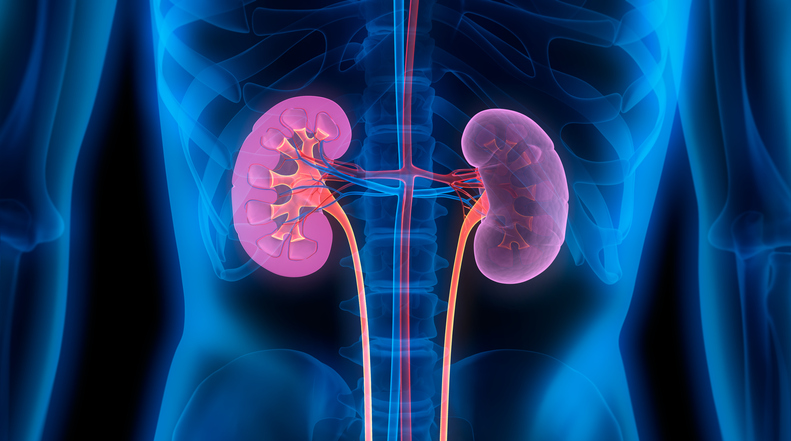
Immunoglobulin A nephropathy, also known as Berger’s disease, is a chronic, progressive autoimmune condition that remains one of the leading causes of kidney failure worldwide. The disease is characterized by the accumulation of IgA—an antibody meant to protect the body from infections—within the glomeruli, the tiny filtering units of the kidneys. This buildup triggers an inflammatory response, leading to scarring (glomerulosclerosis) and a gradual decline in renal function.
If left untreated or poorly managed, IgAN can progress to end-stage renal disease (ESRD), requiring patients to undergo lifelong dialysis or kidney transplantation. For decades, the standard of care was limited to blood pressure management using ACE inhibitors or ARBs and systemic corticosteroids, which often carry heavy side-effect profiles.
Sefaxersen represents a new generation of "precision medicine" for kidney health. It is an antisense oligonucleotide (ASO) designed to target the messenger RNA (mRNA) responsible for producing factor B. Factor B is a critical protein in the "alternative pathway" of the complement system—a part of the immune system that, when overactive, drives the inflammation and tissue damage seen in IgAN. By reducing the levels of factor B in the blood at the genetic level, sefaxersen aims to dampen the autoimmune assault on the kidneys, thereby preserving organ function over the long term.
The Strategic Evolution of Sefaxersen: A Timeline of Development
The journey of sefaxersen began not in the labs of Roche, but through the pioneering work of Ionis Pharmaceuticals, a leader in RNA-targeted therapies. The chronology of the drug’s development highlights Roche’s aggressive expansion into the immunology and nephrology sectors:
- 2018: Roche and Ionis Pharmaceuticals entered into a strategic collaboration to develop sefaxersen (then known as IONIS-FB-LRx). The partnership combined Ionis’s antisense technology with Roche’s global clinical development and commercialization infrastructure.
- 2020-2021: Early-phase clinical trials established the safety profile of the drug and demonstrated its ability to effectively lower factor B levels in healthy volunteers and patients with geographic atrophy and kidney disorders.
- 2022: Recognizing the high commercial potential and the unmet medical need in the IgAN space, Roche paid $55 million to acquire the full global rights to the drug from Ionis. This acquisition allowed Roche to take complete control of the Phase 3 program.
- 2023-2024: The Phase 3 trial, designed as a randomized, double-blind, placebo-controlled study, moved forward to assess long-term kidney function (eGFR) and the short-term surrogate of proteinuria.
- September 2024: Roche announces the success of the interim analysis, confirming the drug’s efficacy in reducing urine protein levels.
Navigating a Competitive Market: Sefaxersen vs. The Field
The IgAN market has transformed from a neglected niche into a high-stakes arena for major pharmaceutical players. Roche’s sefaxersen enters a market where Novartis currently holds a first-mover advantage with its drug, Fabhalta (iptacopan).
Approved by the FDA in 2024, Novartis’s Fabhalta is also a factor B inhibitor. However, there are stark differences in administration and safety profiles that could determine market dominance. Fabhalta is an oral small molecule taken twice daily. While oral dosing is often preferred for convenience, it can lead to adherence issues in chronic disease management. Furthermore, Fabhalta carries a "Black Box Warning" due to the increased risk of serious infections caused by encapsulated bacteria, such as Neisseria meningitidis—a common concern for drugs that inhibit the complement system.
Roche’s sefaxersen offers a different value proposition. As an ASO administered via monthly subcutaneous injection, it may provide a more consistent therapeutic effect with fewer "peaks and valleys" in drug concentration compared to daily oral pills. Roche has indicated that the drug is designed for at-home administration, potentially offering a "set-it-and-forget-it" convenience that appeals to patients who struggle with daily medication regimens.
Other competitors in the space include:
- Otsuka’s Voyxact (sibeprenlimab): An antibody targeting APRIL (a proliferation-inducing ligand), which was approved last fall and requires weekly injections.
- Vera Therapeutics’ Trutakna (atacicept): A fusion protein targeting both APRIL and BAFF (B-cell activating factor), which received FDA approval in July 2024 for weekly administration.
- Vertex Pharmaceuticals’ povetacicept: A dual APRIL/BAFF blocker currently under FDA review. Like sefaxersen, povetacicept is being explored for monthly dosing, making it Roche’s most direct competitor in terms of administration frequency.
Safety Considerations and Clinical Significance
While Roche has not yet released the full safety data from the interim analysis, the company stated that the tolerability of sefaxersen remains consistent with earlier trials. A critical point of differentiation for Roche will be whether sefaxersen can avoid the stringent bacterial infection warnings associated with other complement inhibitors.
Industry analysts at William Blair have noted that if Roche can demonstrate a cleaner safety profile—specifically regarding the risk of meningococcal infections—sefaxersen could become the preferred choice for clinicians. Because ASOs work by reducing the production of proteins rather than blocking them entirely in the bloodstream, there is a theoretical possibility of a more modulated immune response, though this remains to be proven in the final Phase 3 data set.
The clinical significance of reducing proteinuria cannot be overstated. In IgAN, persistent proteinuria is the strongest predictor of progression to kidney failure. By showing a "statistically significant and clinically meaningful" reduction, sefaxersen has cleared the highest hurdle for accelerated approval. However, the trial is far from over. The study remains blinded and will continue for another two years to measure the drug’s impact on the estimated glomerular filtration rate (eGFR), which measures how well the kidneys filter waste. Full approval will likely depend on showing that sefaxersen not only cleans up the urine but actually slows the physical decline of the kidney tissue.
Expert Reactions and Future Outlook
The announcement has been met with optimism from the medical community. Levi Garraway, M.D., Ph.D., Roche’s Chief Medical Officer and Head of Global Product Development, emphasized the potential for the drug to change the trajectory of the disease.
"These interim Phase 3 results show the clinical potential of sefaxersen to modify a key surrogate endpoint of kidney function in people with IgA nephropathy," Garraway stated. "Sefaxersen may therefore offer a new treatment option to help slow disease progression and potentially reduce the long-term need for dialysis or kidney transplantation."
The financial implications are equally significant. Analysts estimate the global IgAN market could reach several billion dollars by the end of the decade as more patients are diagnosed through improved screening and as targeted therapies replace generic steroids. For Roche, sefaxersen represents a key pillar in its immunology portfolio, diversifying its revenue streams as some of its older oncology blockbusters face biosimilar competition.
As Roche prepares for its upcoming presentation at a major medical congress, the focus will shift to the "depth" of the proteinuria reduction. If sefaxersen can show a reduction superior to the 30% to 40% range seen in rival trials, it could quickly become the gold standard for newly diagnosed patients.
The next twelve months will be pivotal. With the FDA expected to make a decision on Vertex’s monthly competitor in November and Roche likely filing for accelerated approval shortly thereafter, the treatment paradigm for IgA nephropathy is on the cusp of a total transformation. For the thousands of patients living with the "silent" threat of kidney failure, the arrival of sefaxersen offers not just a new medicine, but the hope of a future free from the constraints of dialysis.

