

October 2026 presents a rich tapestry of opportunities for e-commerce content marketers, offering fertile ground to explore themes ranging from beloved literary anniversaries and the thrill of Halloween to the evolving landscape of artificial intelligence, the invaluable insights gleaned from company archives, and the dynamic pulse of breaking news. The core principle guiding effective content marketing remains reciprocity: by providing valuable, informative, or entertaining content, merchants cultivate trust and foster a deeper connection with their audience, paving the way for eventual engagement and patronage. This approach is particularly potent in October, a month brimming with cultural and seasonal relevance.
The Enduring Charm of Pooh at 100
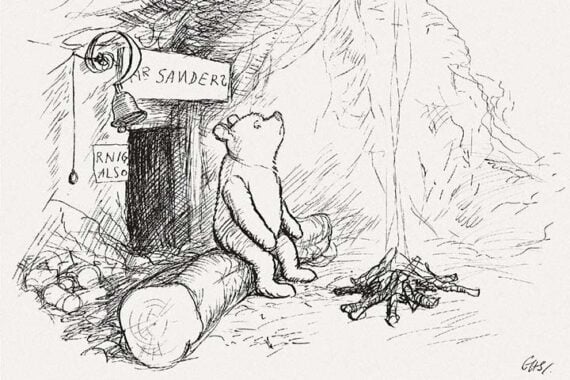
This October marks a significant milestone: the centennial anniversary of A.A. Milne’s beloved creation, "Winnie-the-Pooh." The book first graced bookshelves in the United States and Britain on October 14, 1926, introducing readers to the whimsical adventures of a bear of very little brain and his companions in the Hundred Acre Wood. A century later, Winnie-the-Pooh has transcended its literary origins to become a pervasive icon in children’s literature, popular culture, and merchandise.
Publishers worldwide are already orchestrating a series of new editions, commemorative collections, and special releases to honor this enduring legacy. This centennial offers an unusually broad spectrum of content marketing possibilities, extending far beyond the obvious connections for booksellers and toy shops. The timeless themes woven into Pooh’s stories—childhood innocence, the bonds of friendship, the wonders of nature, the joy of reading, and even a simple appreciation for honey—can inspire a multitude of creative content angles.
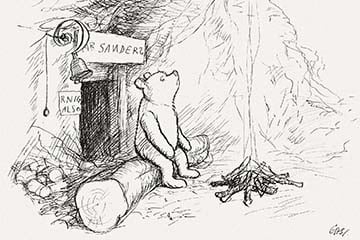
For e-commerce businesses, this anniversary presents a chance to tap into a wellspring of nostalgia and shared cultural memory. Consider a children’s apparel brand that could develop a collection inspired by the muted color palettes and gentle illustrations of the original Pooh books, featuring quotes about friendship or adventure on its garments. A bookstore might curate a "Hundred Acre Wood Reading List" for different age groups, or host virtual story-time events featuring excerpts from the original text. Beyond direct product tie-ins, the Pooh centennial can fuel content exploring the developmental benefits of early childhood reading, the importance of imaginative play, or even the enduring appeal of simple, comforting narratives in an increasingly complex world. For instance, a homeware retailer could offer "Cozy Corner" collections, featuring comfortable reading chairs and soft blankets, positioning them as the perfect setting for a child’s first encounter with Pooh. The universality of these themes allows for broad appeal, resonating with parents, grandparents, and anyone who holds a fondness for this literary bear.
Harnessing Halloween for User-Generated Content
As the leaves turn and the air grows crisp, Halloween emerges as a major cultural and commercial event. For retailers, it represents a significant economic driver, with the U.S. market alone projected to exceed $13 billion in spending. While candy and costumes form a substantial portion of this expenditure, the holiday’s reach extends to decorations, entertainment, party supplies, and even the burgeoning pet accessories market.
In an era where generative artificial intelligence can produce polished content with remarkable speed and affordability, the value of authentic human experience is becoming increasingly paramount. This is where user-generated content (UGC) shines. While AI can create visually appealing images and text, it cannot authentically convey the genuine use and enjoyment of a product by real consumers. UGC—customer photographs, videos, reviews, and social media posts—provides the indispensable social proof that synthetic content lacks.
Leading social media platforms are actively recognizing this distinction. Pinterest, for example, has implemented labels for AI-generated images and offers users the ability to filter them out in certain categories. Similarly, TikTok and Meta have introduced measures to identify and label AI-generated or manipulated media, signaling a growing demand for transparency and authenticity.
For e-commerce businesses, October offers an ideal window to solicit and showcase UGC related to Halloween. An online retailer could launch a campaign encouraging customers to submit photos or videos of their children in costumes featuring the company’s products, their creative Halloween decorations incorporating the brand’s wares, or even their festive recipes that utilize the merchant’s kitchen supplies. A pet supply store, for instance, could invite customers to share pictures of their costumed pets, capturing the often-humorous interactions between animals and their festive attire.
The most compelling submissions can then be repurposed across various marketing channels. This UGC can form the basis of engaging blog posts, vibrant social media content, captivating email newsletters, or even dedicated galleries on product pages. Furthermore, a Halloween-themed contest centered around UGC can significantly boost engagement, amplify brand visibility, and foster a strong sense of community among customers. By leveraging the visual and emotional power of real people celebrating the holiday, brands can build trust and demonstrate the tangible appeal of their offerings in a way that AI-generated content simply cannot replicate.
AI Versus Expert: Navigating Seasonal Chores
October’s arrival signals a period of seasonal transition, prompting individuals to undertake a variety of practical tasks. Homeowners begin winterizing their residences, vehicle owners prepare their cars for colder weather, summer equipment is stored away, holiday meal planning commences, and warmer clothing is retrieved from storage. These recurring seasonal chores present a fertile ground for content marketing that pits the capabilities of artificial intelligence against the expertise of human professionals.
The strategy involves leveraging popular AI assistants like ChatGPT, Claude, or Gemini to generate guidance on tasks related to a business’s product offerings. Subsequently, a human expert can review these AI-generated recommendations, critically assessing their accuracy, identifying any shortcomings or potential pitfalls, and, crucially, demonstrating a more effective or nuanced approach.

For an automotive parts retailer, this could involve asking an AI for instructions on how to prepare a car for winter. The AI might provide a basic checklist, but a seasoned mechanic could then elaborate on each step, offer tips on specialized tools, highlight common mistakes DIYers make, and recommend specific products from the retailer’s inventory that are superior for the task. For instance, an AI might suggest using a generic de-icer for windshields, while an expert could recommend a specific brand known for its effectiveness in extreme temperatures or its less corrosive formula.
A home improvement store could explore AI-generated advice on winterizing plumbing. While AI might cover the basics of draining pipes, a plumbing expert could detail the importance of insulating exposed pipes in unheated areas, recommend specific insulation materials, and explain how to properly use pipe heaters to prevent freezing, thereby creating content that is both informative and actionable.
Similarly, a gardening supply company could have an AI outline methods for storing summer plants. An experienced horticulturist could then add critical insights about specific plant needs, optimal storage conditions (light, temperature, humidity), and preventative measures against pests or diseases during dormancy, differentiating their advice from the generic suggestions an AI might offer.
This "AI versus Expert" content format not only educates consumers but also establishes the brand as a knowledgeable and trustworthy authority in its field. By showcasing the limitations of AI and the irreplaceable value of human experience, businesses can build deeper credibility and foster stronger customer loyalty. The analysis of AI’s output, coupled with expert commentary, provides a unique blend of modern technology and timeless wisdom, making the content both engaging and highly shareable.

Unearthing Value: American Archives Month
October is officially recognized as American Archives Month, an annual observance dedicated to raising awareness about the significance of archival materials and the vital work of archivists who preserve them. This initiative provides a compelling opportunity for retail businesses to delve into their own historical records and transform forgotten artifacts into compelling content.
The archives of a business can be a treasure trove of engaging material. Old catalogs, vintage photographs, past advertisements, original packaging designs, historical newsletters, and even retired product lines can serve as rich source material for articles, videos, and social media campaigns.
Consider a long-standing apparel retailer. They could create a series of posts or an article titled "A Century of Style: How Fashion Has Evolved at [Brand Name]," showcasing how silhouettes, fabrics, and trends have transformed over the decades, with vintage advertisements and product photos as visual anchors. This not only appeals to fashion history enthusiasts but also demonstrates the brand’s enduring presence and adaptability.
A gardening supply merchant might produce content comparing contemporary gardening tools and techniques with those available 10, 20, or even 50 years ago. This could involve showcasing old catalogs with illustrations of early equipment, discussing the evolution of materials like plastics and metals, and highlighting advancements in efficiency or sustainability. For example, an article could compare the manual reel mowers of the mid-20th century with modern robotic lawnmowers, illustrating the technological leap.
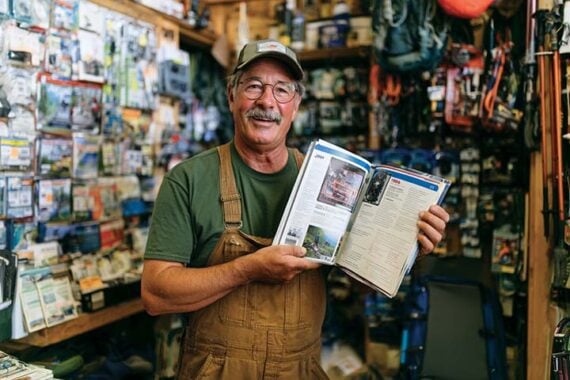
For businesses that focus on industrial or specialized products, their archives can offer a unique perspective on industry evolution. A kitchen supply company, for instance, could explore the historical development of iconic cookware items like cast iron skillets, tracing their design, manufacturing processes, and culinary applications through different eras. This could be presented as a series of "Then and Now" comparisons, demonstrating how foundational products have been refined or reimagined over time.
The act of engaging with company archives can also foster a sense of legacy and continuity. It allows businesses to connect their present-day operations with their foundational principles and historical trajectory. This narrative can be particularly powerful in building brand identity and resonating with customers who value authenticity and a deep-rooted history. By bringing these historical elements to life, companies can offer a unique and informative content experience that distinguishes them from competitors and reinforces their long-term commitment to their craft and their customers.
Capitalizing on News Hooks for Engagement
A well-timed news hook can serve as a powerful catalyst for content marketers, enabling them to capture audience attention, foster engagement, and ultimately drive customer retention. The ability to quickly identify and react to trending topics is crucial in today’s fast-paced digital landscape.
A prime example of this strategy in action can be observed in the discourse surrounding artificial intelligence. A statement made by a prominent public figure, such as Elon Musk, can quickly become a catalyst for content creation. For instance, a tweet from Musk stating, "AI will be able to do anything digital (that doesn’t require shaping atoms) at a superhuman level by the end of next year," generated significant discussion.

A website specializing in science fiction merchandise, such as a seller of themed T-shirts, could leverage this statement as a news hook. An article could then be developed, exploring how science fiction literature has long anticipated the very future Musk was describing. This content piece would connect a current, high-profile technological development with the imaginative narratives that have shaped our understanding of it, thereby resonating with an audience interested in both technology and speculative fiction. The article could draw parallels between Musk’s prediction and concepts explored in classic sci-fi novels and films, demonstrating that the future is often a reflection of past imaginings.
While e-commerce content marketers cannot predict precisely which stories will dominate the news cycle in October, they can proactively prepare to respond. This involves establishing robust systems for monitoring relevant news outlets, industry publications, company announcements, public figure statements, and trending cultural topics that align with their target audience’s interests.
When a significant news event or trend emerges that has a clear and compelling connection to a brand’s products or values, swift action is paramount. This might involve developing an immediate social media post, a rapid-response blog article, or a timely email newsletter. For instance, if a major scientific discovery related to sustainable energy breaks, a company selling eco-friendly home goods could quickly publish content explaining how their products contribute to a more sustainable future, drawing a direct line from the news to their offerings.
The key is to be agile and relevant. By demonstrating an awareness of current events and skillfully weaving them into brand narratives, businesses can position themselves as timely, informed, and connected to the broader cultural conversation, thereby attracting new audiences and reinforcing their value proposition to existing customers. The example of Musk’s AI prediction illustrates how a single statement can spark a cascade of content, demonstrating the power of opportunistic engagement in the digital realm.

