
The physical retail experience offers an undeniable advantage: the ability for consumers to physically interact with products. A shopper can hold a ceramic tile to gauge its weight and texture, feel the weave of a fabric, or test the flexibility of a tool. This tactile engagement provides a depth of understanding that goes beyond mere visual inspection, offering insights into material quality, durability, and usability that no descriptive text or static image can fully convey. In the digital realm, however, this crucial sensory element has historically been absent. Online shoppers are left to interpret products through sight alone, with few merchants effectively bridging this sensory gap. Yet, a growing number of innovative e-commerce platforms are developing sophisticated strategies to digitally replicate these tactile qualities, transforming static product pages into immersive sensory experiences.
This shift is driven by a recognition of the significant impact of touch on purchasing decisions. Studies in consumer psychology consistently highlight the importance of physical interaction in building product familiarity and trust. A 2019 report by Statista indicated that over 60% of online shoppers feel that the inability to physically examine a product is a major drawback of e-commerce. This has led forward-thinking retailers to invest in advanced visual techniques that can evoke a sense of touch and texture, thereby enhancing the online shopping journey and reducing purchase uncertainty.

Harnessing Light to Evoke Texture
One of the most effective methods for digitally simulating texture is the strategic use of lighting. While color can provide a general impression, it is the interplay of light and shadow across a surface that truly reveals its tactile characteristics. By carefully controlling lighting in product photography, e-commerce sites can capture subtle details such as grain, pitting, or the subtle sheen of a material, qualities that a shopper would typically discern through touch.
A prime example of this approach is evident on the product pages of Backdrop, a direct-to-consumer paint brand. Instead of relying on flat color swatches, Backdrop builds its entire presentation around high-quality photography that emphasizes the material properties of its paint. Their images showcase actual painted walls, not abstract representations. Viewers can observe the subtle imperfections inherent in the application of paint, such as faint roller marks or the natural unevenness of a plastered surface. This photographic technique allows potential buyers to visualize the paint as a tangible substance, understanding its finish and depth in a way that a simple color chip cannot achieve.
The efficacy of this strategy is further demonstrated by examining the progression of images on a Backdrop product page. Scrolling down often reveals shots of walls in various stages of completion – half-painted, half-bare, with the tell-tale edge of a roller clearly visible. These dynamic images illustrate the paint’s coverage and texture, moving beyond a mere color designation to a more comprehensive understanding of its application and final appearance. This level of detail is crucial for consumers making decisions about home decor, where the finished look and feel are paramount.

California-based Fireclay Tile employs a similar tactic to convey the materiality of its ceramic tiles. Their product pages feature close-up photographic studies of individual tiles. These images are meticulously lit to highlight the nuances of the glaze. In some areas, the light might reflect with a high gloss, while in others, it might be absorbed, revealing a matte finish. This interplay of light and shadow effectively communicates the tactile quality of the glaze, whether it’s smooth, textured, or crackled. Furthermore, Fireclay Tile complements these detailed shots with images of their tiles installed in real-world settings, allowing consumers to see how the material interacts with ambient light in a room and how it contributes to the overall aesthetic. This layered photographic approach ensures that potential customers gain a robust understanding of the product’s physical attributes before making a purchase, a critical factor for high-value home improvement items. The data suggests that detailed product imagery can significantly reduce return rates, as customers are better informed about what they are buying. A 2020 study by Adobe found that rich media, including high-quality images and videos, can increase conversion rates by up to 135%.
Showcasing Product Functionality and Transformation
Beyond static texture, some products are defined by their dynamic properties – how they perform, transform, or interact with their environment. For items like bath bombs, soaps, and exfoliating scrubs, understanding their behavior is as important as perceiving their form.
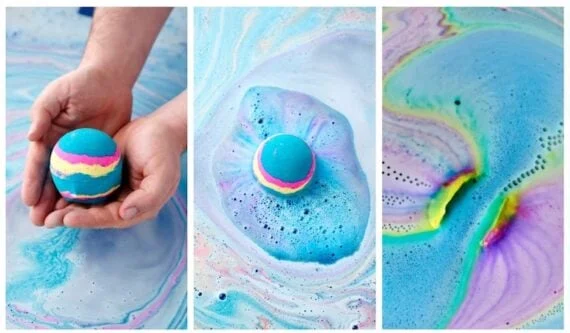
Lush Cosmetics has excelled in illustrating the sensory experience of its bath products. Their product pages for items like the "Intergalactic" bath bomb do not simply display the product in its solid state. Instead, they feature images and often videos of the bath bomb actively dissolving in water. These visuals capture the fizzing effervescence, the release of vibrant colors, and the swirling patterns that the bomb creates, effectively demonstrating its primary function and the anticipated sensory experience. This approach shifts the focus from the product as a static object to the product as an experience, providing a far more compelling representation for consumers.

Lush extends this principle to their category pages, particularly for body scrubs. Rather than presenting a row of identical jars, the thumbnail images showcase the actual texture and consistency of each scrub. These are often depicted as swirls or smears of the product, allowing shoppers to immediately grasp its grittiness, smoothness, or viscosity. This visual cue provides an instant understanding of the product’s texture and potential exfoliating properties, enabling consumers to make informed choices based on their preferences for exfoliation intensity. This level of detail at the category level is a powerful tool for pre-qualification and can streamline the customer’s browsing experience, increasing the likelihood of a targeted purchase.
Strategic Implementations for Enhanced E-commerce
The successful strategies employed by brands like Backdrop, Fireclay Tile, and Lush Cosmetics offer a blueprint for other e-commerce retailers seeking to replicate the tactile experience online. These approaches can be broadly categorized into actionable steps:
-
Prioritize Texture-Revealing Photography: Retailers should integrate high-resolution images that capture the subtle play of light and shadow across product surfaces. These should be placed prominently within product galleries, ideally as the initial visuals presented to the customer. This includes showcasing natural imperfections, material grain, and the subtle variations in finish that are indicative of quality and material composition. For instance, a leather goods retailer might feature close-ups of the leather’s grain, highlighting its suppleness and natural markings, rather than just showing the finished product from a distance.

-
Illustrate Product Transformation and Functionality: For products that change form, dissolve, fizz, foam, melt, or undergo any discernible transformation, visual demonstrations are paramount. This can be achieved through static images that capture key moments of transformation, short video clips, or even animated GIFs. For example, a company selling cleaning products could show a product actively lifting a stain, or a food ingredient provider could demonstrate how a spice blend changes the color of a dish. The goal is to visually communicate the product’s efficacy and the dynamic aspects of its use.
-
Leverage Contextual Imagery: While close-up shots are crucial for detail, showing products in their intended environments provides vital context. For home goods, this means displaying them in room settings. For apparel, it involves showcasing garments on models. This not only helps customers visualize the product in use but also provides clues about scale, proportion, and how the material drapes or fits.
-
Utilize Interactive Elements: Emerging technologies are further enhancing the ability to simulate tactile experiences. Features like 360-degree product views, augmented reality (AR) try-on tools, and high-definition zoom capabilities allow consumers to explore products from every angle and at an unprecedented level of detail. While not a direct replication of touch, these tools significantly enhance the visual understanding and can build confidence in purchasing decisions.

The evolving landscape of e-commerce necessitates a move beyond simple product listings. By embracing innovative photographic techniques and understanding the psychological impact of sensory information, retailers can effectively bridge the tactile gap, fostering deeper customer engagement and driving sales in an increasingly competitive digital marketplace. The future of online retail lies in its ability to not just show, but to evoke the feeling of a product, transforming passive browsing into an active, informed, and ultimately more satisfying shopping experience.

