
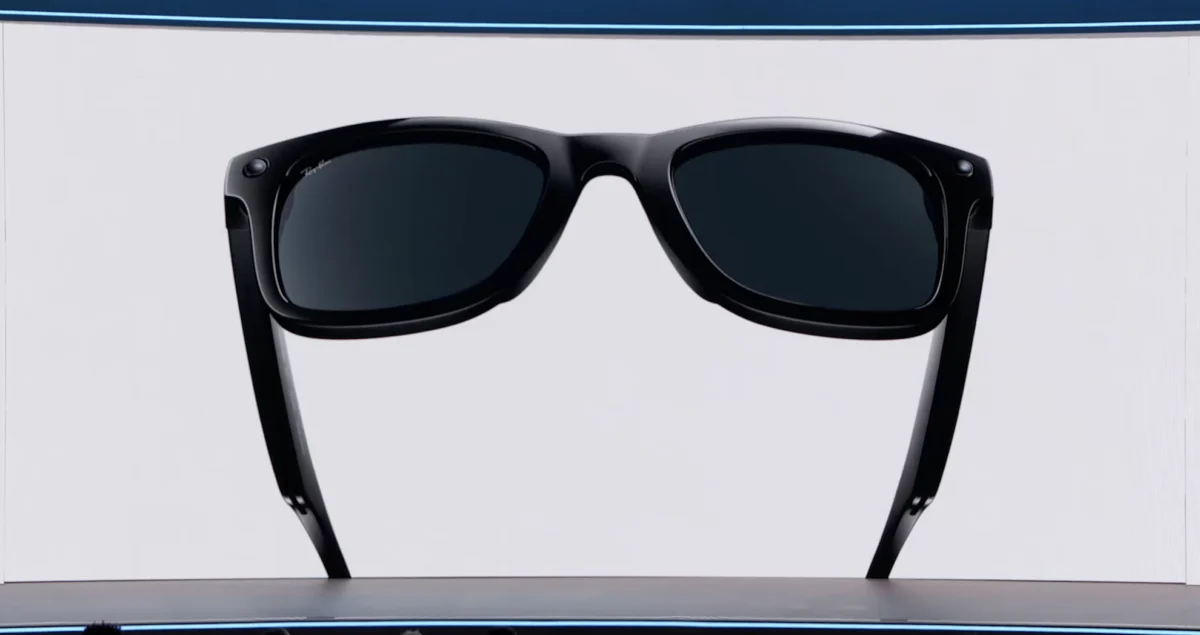
Confirming earlier reports that buzzed through the tech community, Meta officially unveiled its first pair of camera-free AI glasses, dubbed the Ray-Ban Meta Audio, at its highly anticipated Connect 2026 conference on Wednesday. This strategic launch marks a significant pivot for the tech giant, directly addressing the formidable privacy concerns that have plagued its previous smart eyewear initiatives. Designed explicitly to mitigate the criticism and reputational damage stemming from the more malicious use cases of AI glasses—which saw them controversially nicknamed "pervert glasses" by some detractors—the new devices are audio-only. They promise a suite of hands-free functionalities, including listening to music and podcasts, taking calls, real-time speech translation, and seamless communication with Meta’s integrated AI assistant, Muse.
The Genesis of a Privacy-First Approach: Learning from Past Controversies
Meta’s journey into the smart eyewear market has been fraught with both innovation and controversy. The company, through its Reality Labs division, has long championed the vision of ambient computing, where technology seamlessly integrates into daily life. Its initial foray into consumer smart glasses began with the launch of the Ray-Ban Stories in 2021, a collaboration with eyewear giant EssilorLuxottica. These glasses, while lauded for their discreet design and integration with the iconic Ray-Ban aesthetic, included cameras and microphones, allowing users to capture photos and short videos from a first-person perspective.
While Meta positioned Ray-Ban Stories as a tool for capturing authentic moments, public reception was mixed. Privacy advocates and a segment of the general public quickly raised alarms about the potential for covert recording. The small LED indicator light meant to signal when the camera was active was deemed insufficient by many, leading to widespread unease. Reports soon emerged detailing instances where individuals, predominantly men, were allegedly using the glasses to record others without their consent in public and private settings. These incidents fueled a potent backlash, with the devices acquiring the pejorative "pervert glasses" moniker that deeply scarred Meta’s brand image in this nascent category.
Meta attempted to mitigate these concerns with subsequent software updates, including a feature that would disable the camera if the LED light was tampered with or obstructed. However, these efforts proved largely ineffective in assuaging public apprehension. The "creepiness factor" remained a persistent barrier to widespread adoption, highlighting a fundamental tension between the desire for convenient, wearable technology and the imperative of personal privacy. The company’s long-term vision for the metaverse, which heavily relies on user trust and comfort with pervasive digital interfaces, was indirectly threatened by this ongoing public perception issue. The lessons learned from this challenging period have undeniably shaped the design and marketing philosophy behind the Ray-Ban Meta Audio.
Introducing the Ray-Ban Meta Audio: A Detailed Look at Discreet Innovation
The newly announced Ray-Ban Meta Audio glasses represent a deliberate and calculated strategic shift, focusing squarely on audio functionality while entirely removing the camera component. This design choice aims to rebuild trust and redefine the category of smart eyewear as a tool for personal augmentation rather than surreptitious surveillance.
Designed in partnership with EssilorLuxottica, the Ray-Ban Meta Audio retains the stylish aesthetics associated with the iconic eyewear brand. They will be available starting at $349, positioning them as a premium audio accessory that also offers advanced AI capabilities.
Core Features and User Experience:
The primary draw of these glasses lies in their advanced audio capabilities and seamless integration with Meta’s AI assistant, Muse. Users can:
- Listen to Music and Podcasts: High-quality audio is delivered discreetly, allowing users to enjoy their preferred content without bulky headphones or earbuds. Mark Zuckerberg, Meta CEO, emphasized this point during his keynote, stating, "Once you get used to high-quality audio, it’s just a thing that you want all the time… we realized we could design a whole new category of glasses around audio." This highlights Meta’s ambition to make ambient, high-fidelity audio an omnipresent part of the user’s daily experience.
- Take Calls: Integrated microphones and speakers facilitate clear, hands-free communication, ideal for busy professionals or those on the go.
- Translate Speech: Leveraging Muse’s advanced AI, the glasses offer real-time speech translation, a powerful feature for travelers, international business, or language learners. This capability positions the glasses as more than just an audio device, hinting at their potential as a sophisticated personal assistant.
- Communicate with Muse AI Assistant: Muse provides a hands-free interface for a myriad of tasks, from setting reminders and checking weather to providing information and controlling smart home devices. This direct, conversational interaction aims to make technology feel more intuitive and less intrusive.
Design, Comfort, and Battery Life:
One of the immediate benefits of removing the camera module is a more streamlined and lightweight design. The Ray-Ban Meta Audio glasses weigh only 43 grams, significantly lighter than many traditional eyeglasses and certainly more so than their camera-equipped counterparts. This reduced weight, combined with thoughtful ergonomic features, promises enhanced comfort for all-day wear. These features include:
- Adjustable Temple Tips: Allowing for a personalized and secure fit.
- Swappable Nose Pads: Catering to different facial structures and preferences.
- Overextension Hinges: Enhancing durability and flexibility.
Battery life is another critical factor for wearable devices. Meta claims the Ray-Ban Meta Audio offers up to 12 hours of active use on a single charge. This can be extended to an impressive 48 hours with the included charging case, which also serves as a protective carrying solution. This extended battery life is crucial for a device intended for constant companionship, minimizing charging anxieties for users.
Aesthetic Versatility and Customization:
Understanding that eyewear is a personal style statement, Meta and EssilorLuxottica have prioritized aesthetic versatility. The glasses will be available in 23 color and lens combinations, offering extensive customization options. Furthermore, they introduce two new styles: a retro-inspired "Clubmaster" Ray-Ban design and "Burbank," described as a more "classic, timeless, rectangle shape." As with other Meta glasses, customers will have the option to order them with their optical prescription, seamlessly blending advanced technology with essential vision correction.
Preorders for the Ray-Ban Meta Audio will commence on October 13, signaling Meta’s readiness to bring this new category to market.
Strategic Implications and Market Positioning: A Bid for Redemption and Market Expansion
The launch of the camera-free Ray-Ban Meta Audio glasses represents a multi-faceted strategic move for Meta, with significant implications for its brand image, market positioning, and long-term vision for ambient computing.

Reputational Repair and Trust Building:
Perhaps the most immediate and critical implication is Meta’s overt attempt at reputational repair. The "pervert glasses" controversy severely hampered public trust in Meta’s wearable technology. By explicitly removing the camera, Meta is sending a clear message: privacy is being prioritized. This move could be a crucial step in winning back skeptical consumers and privacy advocates, demonstrating a willingness to adapt product design based on public feedback and ethical considerations. Industry analysts generally agree that regaining consumer trust is paramount for Meta’s ambitious metaverse and Reality Labs projects, which have seen billions in investment. Data from various tech surveys consistently show privacy as a top concern for consumers considering new smart devices, especially those with recording capabilities.
Market Expansion and Competition:
The audio-only format positions the Ray-Ban Meta Audio as a direct competitor in the rapidly growing market for hearables, particularly challenging products like Apple’s Siri-powered AirPods and Amazon’s Echo Frames. The global hearables market is projected to reach tens of billions of dollars in the coming years, driven by demand for convenience, advanced audio quality, and seamless integration with digital assistants.
- Against Apple AirPods: While AirPods offer excellent audio and Siri integration, they are still separate devices. The Ray-Ban Meta Audio offers a more integrated, always-on, and discreet form factor for audio and AI interaction. This could appeal to users who prefer a single device for both vision and sound, or who find traditional earbuds intrusive or uncomfortable.
- Against Amazon Echo Frames: Amazon’s Echo Frames, which are also audio-focused smart glasses with Alexa integration, demonstrate a similar strategic direction. Meta’s offering benefits from the iconic Ray-Ban brand appeal and potentially deeper AI integration through Muse.
This market segment, focused on discreet audio and AI, could prove more accessible to a broader consumer base, especially those wary of camera-equipped wearables. It leverages the existing familiarity and acceptance of traditional eyewear, layering smart functionality on top.
Meta’s AI Strategy and Ambient Computing Vision:
The Ray-Ban Meta Audio is not just an audio device; it is a critical interface for Meta’s burgeoning AI ecosystem, particularly its Muse AI assistant. This aligns with Meta’s broader vision of ambient computing, where AI is always present, contextually aware, and readily accessible without requiring users to pull out a phone or interact with a screen. The hands-free, conversational interface provided by the glasses enables a more natural and seamless interaction with AI, potentially accelerating the adoption of Meta’s AI services in daily life. This is a foundational step towards a future where AI assists users throughout their day, quietly enhancing experiences and productivity.
The Broader Wearable Ecosystem: Next-Gen Camera Glasses and Beyond
While the spotlight was on the camera-free Ray-Ban Meta Audio, Meta also took the opportunity at Connect 2026 to announce its next-generation camera-equipped AI glasses: the Ray-Ban Meta (Gen 3). This dual strategy indicates Meta’s commitment to offering a range of smart eyewear options, catering to different user needs and comfort levels regarding privacy.
Ray-Ban Meta (Gen 3) Camera Glasses:
Building on the existing Ray-Ban Meta Wayfarer style, the Gen 3 introduces two new fashionable styles: the classic "Aviator" and "Zena," which features a more contemporary cat-eye frame shape. These camera-equipped glasses boast enhanced specifications:
- Camera: A powerful 12 MP camera capable of capturing high-resolution photos and 3K Ultra HD video, offering significant improvements over previous generations.
- Audio: A six-mic array promises superior audio capture for videos and calls.
- Battery Life: Up to nine hours of battery life, catering to users who prioritize visual capture capabilities.
This continued development of camera-enabled glasses suggests Meta believes there is still a significant market for users who value the ability to capture first-person perspectives, provided the privacy concerns can be adequately managed. The company is betting on a segment of consumers who are comfortable with, or require, these features for content creation, personal documentation, or specific professional uses.
Expanded Partnerships and Global Reach:
Meta’s collaboration with EssilorLuxottica continues to expand, not just with new models but also with an increased lineup of styles and colors across its entire smart eyewear portfolio. The company is also doubling down on celebrity endorsements, announcing a new partnership with global pop sensation Lisa, following its earlier successful collaboration with Kylie Jenner. These high-profile partnerships are crucial for mainstream adoption, leveraging the influence of cultural icons to make smart glasses a desirable fashion accessory. Furthermore, Meta announced a broader global rollout for its smart glasses, indicating a strong push to establish a worldwide presence for its wearable technology.
Upcoming AI Enhancements and User Controls:
All of Meta’s AI glasses, both audio-only and camera-equipped, will feature access to the company’s newer personal AI assistant, Muse. Meta also teased a series of exciting upcoming software updates designed to enhance user experience, privacy, and functionality:
- Dolby Atmos Capture: Promising immersive audio recording for camera-equipped glasses.
- Best Photo from Multiple Frames: An intelligent feature to select the optimal shot automatically.
- Landscape or Portrait Modes: Offering greater flexibility in video and photo capture.
- Hearing Enhancements: A crucial accessibility feature for those with hearing loss, integrating assistive audio technologies directly into the glasses.
- More Detailed Responses: Enhancing the conversational capabilities of Muse.
- Different Audio Modes: Customizable audio profiles for various environments or activities.
- Customizable Controls: Allowing users to tailor interactions to their preferences.
- "Private Processing": A significant privacy-focused feature that Meta claims will prevent the company from accessing or seeing user data processed by the device. This is a direct response to ongoing data privacy concerns and, if implemented effectively, could be a game-changer in building user trust. It suggests on-device processing for sensitive data, minimizing cloud transmission and Meta’s access.
Industry Reactions and Future Outlook
The launch of the Ray-Ban Meta Audio has elicited a range of reactions from industry analysts and privacy advocates.
Tech Analysts: Many view this as a shrewd strategic move. "Meta has clearly listened to the market," says Dr. Elena Petrova, a lead analyst at Wearable Tech Insights. "The camera-free approach allows them to enter the massive hearables market with a differentiated product, while simultaneously addressing their most significant brand hurdle: privacy. It’s a pragmatic recognition that not every wearable needs a camera, and that sometimes less is more when it comes to consumer trust." Others, like Mr. Kenji Tanaka of Global Tech Research, suggest, "This move could truly democratize smart glasses. By removing the camera, the barrier to entry for privacy-conscious consumers drops dramatically. It could establish a new standard for discreet, ambient AI interaction."
Privacy Advocates: While cautiously optimistic, privacy groups remain vigilant. Ms. Sarah Chen, director of the Digital Rights Foundation, commented, "Removing the camera is a positive and necessary step. It shows Meta is aware of the public’s concerns. However, we must continue to scrutinize ‘private processing’ claims and ensure that audio data—including conversations and translations—is genuinely protected and not used for undisclosed purposes. The devil is always in the details with data privacy." Their focus will likely shift to the robustness of the "private processing" feature and how Meta manages voice data collected by Muse.
The long-term success of the Ray-Ban Meta Audio will hinge on several factors: its ability to deliver a truly compelling and seamless user experience, the effectiveness of Meta’s messaging in rebuilding trust, and the broader market’s readiness for ambient, audio-centric AI. If successful, these glasses could pave the way for a new era of wearable technology that prioritizes utility, style, and, crucially, user privacy, ultimately reshaping how we interact with artificial intelligence in our daily lives.
In conclusion, Meta’s introduction of the camera-free Ray-Ban Meta Audio glasses at Connect 2026 is more than just a product launch; it is a strategic repositioning. It’s a bold attempt to pivot away from past privacy controversies and tap into a vast market of consumers seeking discreet, intelligent, and stylish audio wearables. By offering both camera-free and enhanced camera-equipped options, Meta is aiming for a comprehensive assault on the wearable tech market, hoping to establish itself as a dominant player in the ambient computing landscape. The success of this dual approach, particularly the privacy-first audio glasses, will be a critical barometer for Meta’s ability to innovate responsibly and earn back the trust of a discerning global audience.

